Volkswagen Polo: a complete overview of common problems
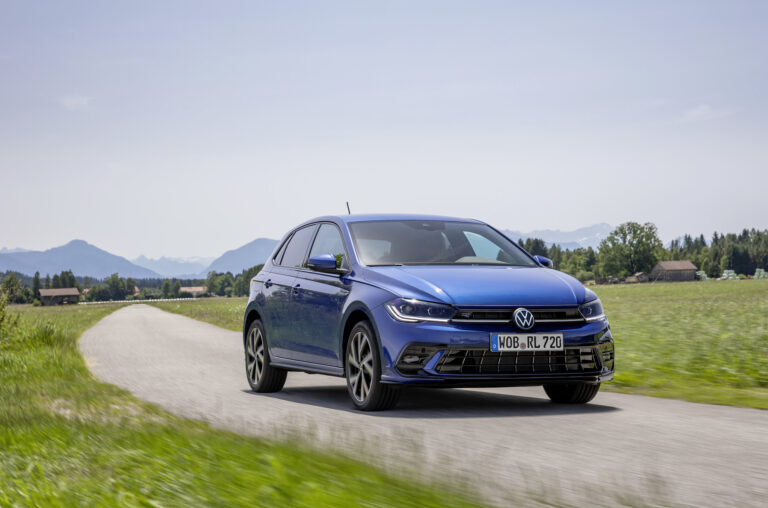
The Volkswagen Polo has been a familiar sight on the road for decades. It owes its popularity to a combination of reliability, comfort and timeless design. Owning a Volkswagen Polo is not always worry-free though; like every car, this model has its specific weak spots. Knowing about these common problems is very important for both current owners and potential buyers, as it helps to prevent unexpected costs and extend the life of the car. Read on to find out what you need to look out for with this much-loved model.
The development of the Polo: generation-specific points of attention
Over the years, the Volkswagen Polo has gone through several generations, each with its own features and improvements. From the solid Polo 9N (2001–2009) to the more modern 6R/6C (2009–2017) and the current AW (from 2017), every series has its own strengths and weaknesses. Older models can, for example, be more prone to rust, while more recent generations have more complex electronics on board that bring different challenges. A good understanding of these differences is useful, because many issues are generation-specific. This overview of common problems with Volkswagen gives a broader picture of points of attention that can also crop up with the Polo.
‘ Diesel drivers (TDI) should be alert to a contaminated or faulty EGR system, which can lead to loss of power and the engine warning light coming on. ’
The engine: from TSI to TDI – common engine problems
The engine is the heart of the car, but in the Polo this heart can sometimes have issues. The early 1.2 and 1.4 TSI engines (up to around 2014) in particular are known for problems with the timing chain. A stretched chain can start to rattle, especially when the engine is cold, and in the worst case it can jump a tooth, with serious engine damage as a result. It is therefore advisable to have the chain and tensioners checked or replaced in good time. In addition, increased oil consumption occurs in some TSI engines, often caused by problems with the piston rings. Diesel drivers (TDI) should be alert to a contaminated or faulty EGR system, which can lead to loss of power and the engine warning light coming on.
The transmission: DSG challenges and manual gearbox points of attention
Volkswagen’s automatic DSG gearbox offers a lot of comfort, but it is not always free from problems. The 7-speed DSG with dry clutch (DQ200), which has been used in many Polo models, has a reputation. Complaints range from jerky shifting and vibrations to complete failure of the mechatronics, the complex control unit of the gearbox. Repairs to this can be costly. Regular oil changes and a calm driving style can extend its life. The manual gearboxes are not completely trouble-free either; over time, the gearbox bearings can wear, causing a whining noise.
Electronics and sensors: minor faults with major consequences
Modern cars are packed with electronics, and the Polo is no exception. Unfortunately, this sometimes leads to faults that are difficult to diagnose. A frequently reported problem is a faulty ABS or ESP sensor, which causes warning lights to appear on the dashboard. The electric window mechanisms can also fail, meaning a window will no longer open or close. Problems with the central locking system, often caused by a broken wire in the loom to the door, also occur. Although these faults usually do not immediately endanger driving safety, they can certainly cause a lot of frustration.
‘ Coolant leaks at the radiator or hoses are also things to watch out for, as a coolant level that is too low can cause serious engine damage. ’
The cooling system: preventing overheating and leaks
A properly functioning cooling system is important for the health of the engine. In the Volkswagen Polo there are a few components that deserve extra attention. The water pump is a well-known weak spot, especially in models with a plastic impeller that can break over time. This leads to poor coolant circulation and can cause overheating. The thermostat can also get stuck, preventing the engine from reaching the correct operating temperature. Coolant leaks at the radiator or hoses are also things to watch out for, as a coolant level that is too low can cause serious engine damage.
Suspension and brakes: comfort and safety at stake
The Polo’s suspension has been designed for comfortable and stable handling, but wear is always lurking. The front control arm bushes can develop play over time. This results in a knocking noise when driving over speed bumps and less precise steering. The top mounts of the suspension struts can also wear. As for the brakes, it is important to keep a close eye on the brake callipers. These can sometimes seize, leading to excessive wear of brake pads and discs. Faulty ABS sensors can affect the functioning of the braking system and must be dealt with immediately.
Other points of attention: bodywork, interior and more
In addition to the major technical systems, there are a few other points that deserve attention. In older Polo generations, rust can occur, particularly around the wheel arches and the lower edges of the doors. The interior is generally neatly finished. Even so, wear to the seat upholstery and the soft-touch coating on buttons and handles is quite common. Another frequent annoyance is a faulty air-conditioning compressor, which can stop working and make for an uncomfortable journey on warm days.
‘ “Listen carefully to your car; unusual noises, such as a rattle at start-up or a humming noise while driving, are often the first signs of an impending fault.” ’
Prevention is better than cure: preventive maintenance for your Polo
Many of the problems mentioned can be prevented or discovered at an early stage through careful and preventive maintenance. Make sure you have oil changes carried out on time, using the oil specified by the manufacturer. This is especially important for engines with a turbo and timing chain. If applicable, have the DSG gearbox flushed and refilled with fresh oil on time. Listen carefully to your car; unusual noises, such as a rattle at start-up or a humming noise while driving, are often the first signs of an impending fault. Regular checks of fluid levels and tyre pressures also contribute to worry-free ownership.
Buying tips for a used Polo: what to look out for?
Are you about to buy a used Volkswagen Polo? Then use the knowledge from this article to your advantage. A thorough inspection and a test drive are essential. During the test drive, pay extra attention to the following:
- Engine: Listen for rattling noises at a cold start that may indicate a timing chain problem. Check for blue smoke from the exhaust, which may point to oil consumption.
- Transmission: Does the DSG gearbox shift smoothly and without jerks? Test this both when pulling away gently and under brisk acceleration. With a manual gearbox, check whether all gears can be selected smoothly.
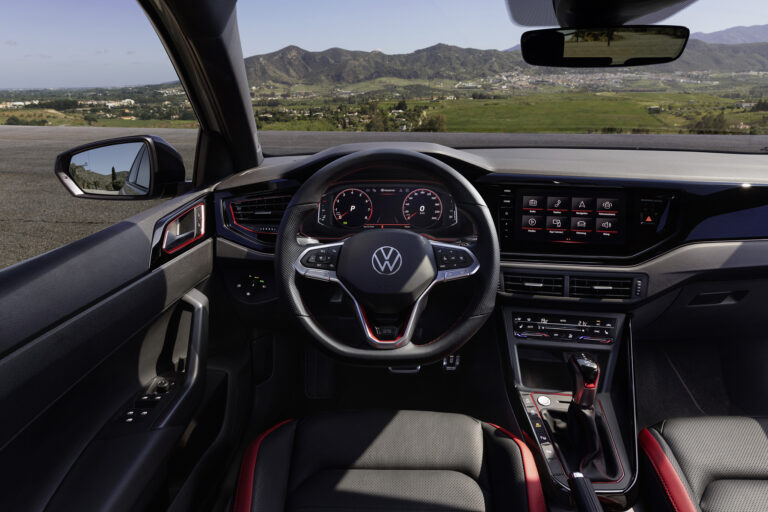
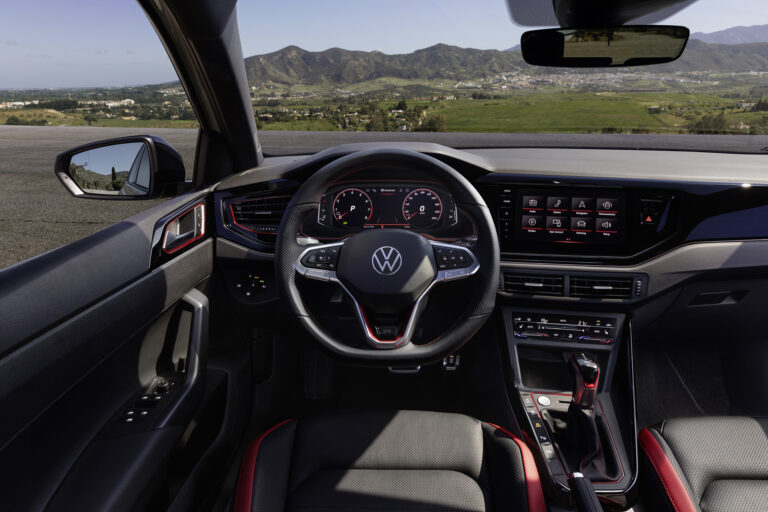
- Electronics: Test all electrical functions, such as the windows, central locking, air conditioning and dashboard lighting.
- Suspension: Drive over a speed bump and listen for any knocking or creaking noises from the suspension.
- Service history: Always ask for the maintenance history. A fully completed service booklet is a good sign.
When to see a specialist? The importance of professional diagnosis and repair
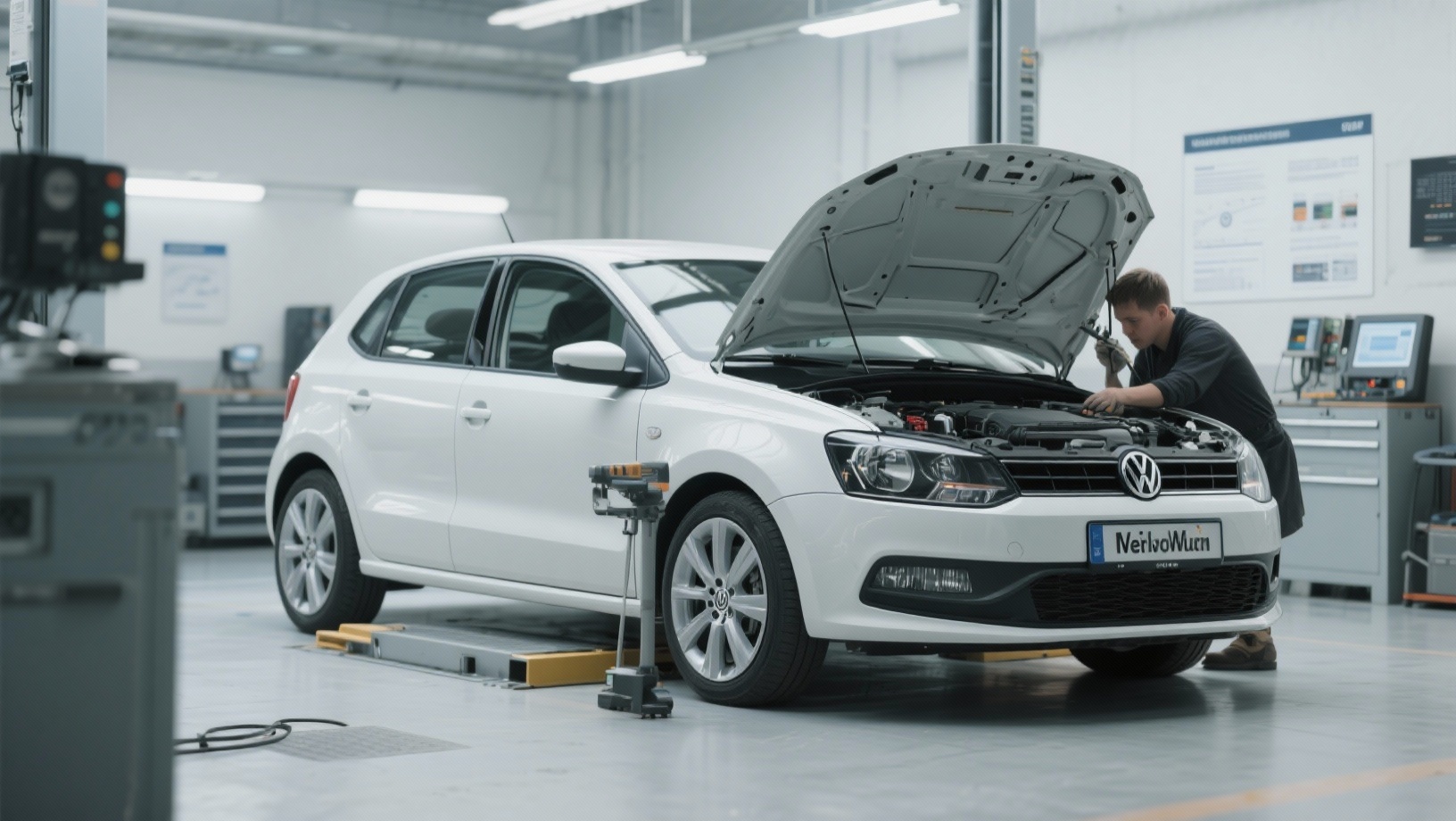
Although an attentive owner can check a lot themselves, most problems with a Volkswagen Polo require specialist knowledge and tools. Complex systems such as the engine control unit need professional diagnostic equipment. The mechatronics of the DSG gearbox and the ABS/ESP system can also only be read correctly with specialist equipment. Do not try to experiment with complex repairs yourself. A wrong intervention can make the damage worse and increase the costs significantly. If in doubt, or in the event of serious symptoms, always contact a reliable garage or specialist.
‘ A small problem now can turn into an expensive repair tomorrow. ’
Recognising specific problems: signs that call for action
Learn to recognise your Polo’s warning signs. A rattling noise when starting often points to timing chain problems and requires swift action. Jerky shifting of the DSG gearbox can indicate mechatronics issues or worn clutches. Blue-grey smoke from the exhaust during acceleration usually means oil consumption. Early recognition of these signs will save you a lot of money and prevent more serious damage. Note down any irregularities and discuss them with your mechanic in good time. A small problem now can turn into an expensive repair tomorrow.
Photo copyrights: Volkswagen AG