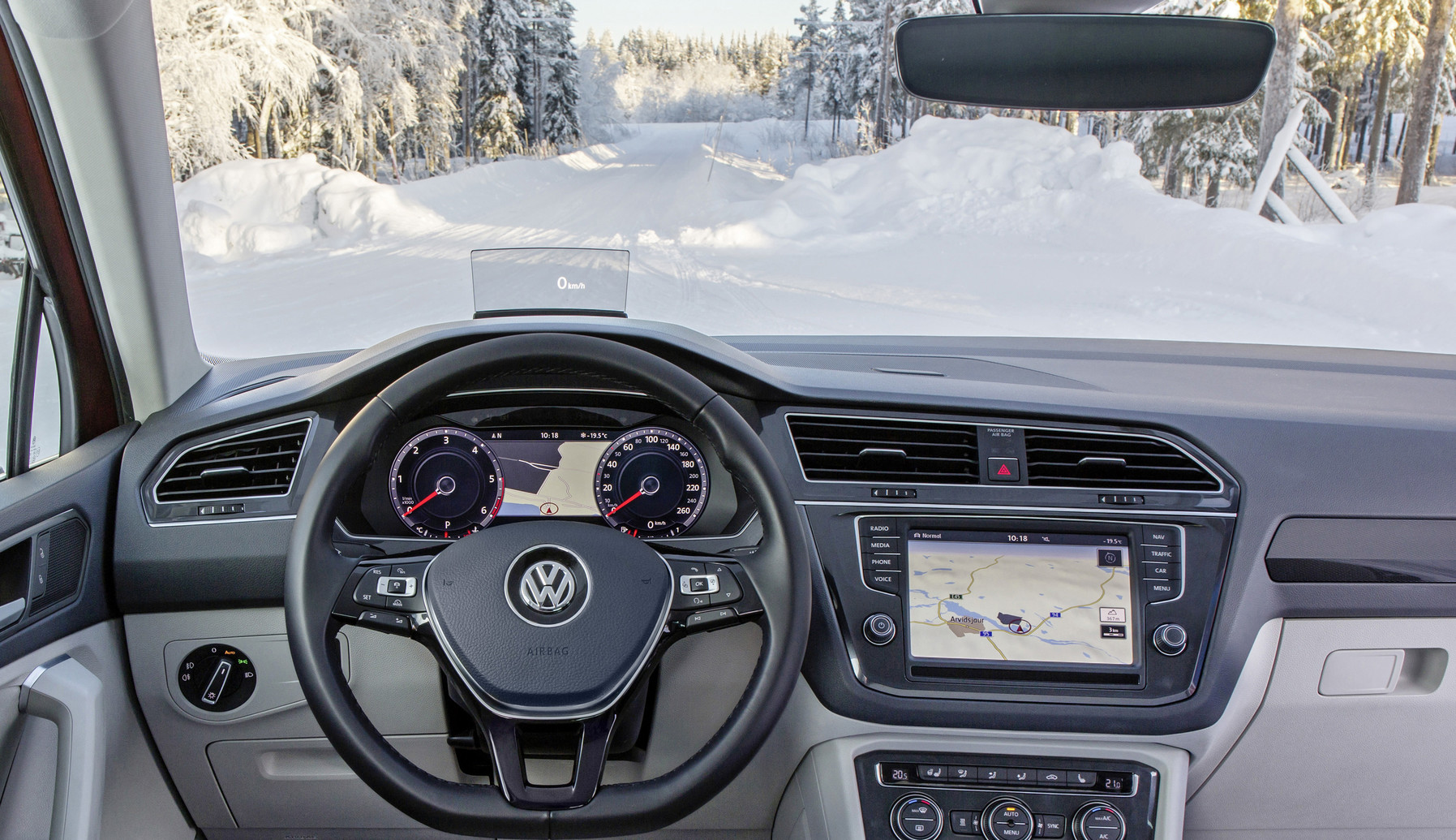
The Volkswagen Sharan is a popular family car with more than enough comfort and luggage space, but used examples suffer from recurring problems such as high oil consumption, timing chain wear and tyre pressure issues. By carrying out a thorough inspection beforehand and specifically looking for well-maintained cars with a complete service history, you can avoid expensive repairs. Read on and discover, by model year, what to look out for when buying a used Sharan.
First generation: older models with higher maintenance costs
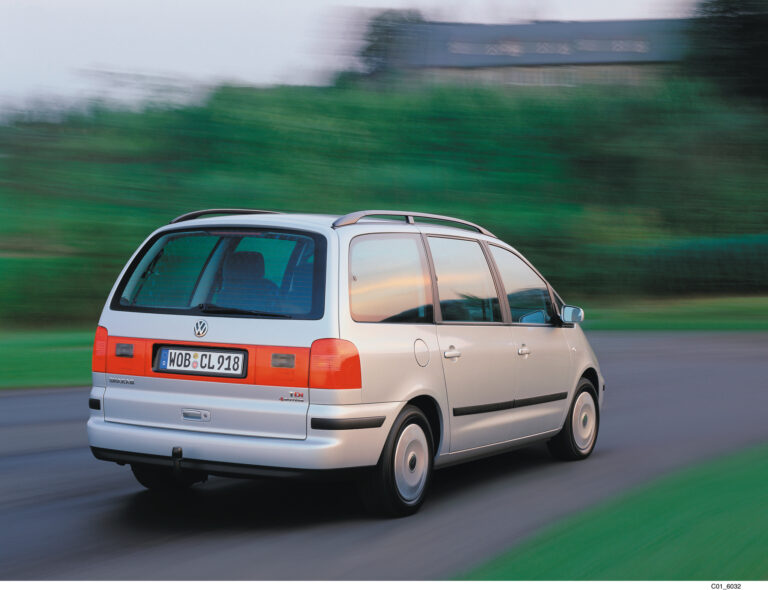
The first-generation Volkswagen Sharan, built between 1995 and 2010, is affordable to buy but needs preventive maintenance. These cars have often already covered a high mileage, which leads to specific wear issues affecting the engine and running gear.
2004 to 2010 models need extra attention
The most striking issue with this batch is the high oil consumption. Owners report consumption of up to 1 litre per 1,000 kilometres, without any visible leaks. This problem occurs with several engines and requires constant checking of the oil level. Do not get caught out by this: check the oil level at every fuel stop.
In addition, air conditioning compressors regularly fail after two years of use. Starting problems and jolts while driving can point to an earth leak or a defective EGR valve. The timing chain can produce rattling noises, especially after overheating. This can lead to serious engine damage to the head gasket or camshaft.
The clutch often needs replacing after 200,000 to 250,000 kilometres. Automatics can jolt when pulling away due to dirty oil or a defective mechatronic unit. Always test the gearbox thoroughly during a test drive.
Common issues on all models up to 2010
The following points of attention apply to the entire first generation:
- Turbo can fail, causing loss of power and smoke
- DPF blockage on diesel engines due to short trips
- Accelerated wear of brakes, control arms and anti-roll bar links due to the high kerb weight
- Rear trailing arms can break under load
- Wheel bearings often fail after 200,000 kilometres
- Heater radiator can start leaking after 400,000 kilometres
Replace the timing belt preventively after 100,000 kilometres on diesel engines. For used cars, always check the suspension for creaking noises and play. Avoid cars without a verifiable oil service history, as these carry the highest risk of engine damage.
‘ Note: Euro 5 TDI engines are fitted with defeat software, which can affect performance and emissions. ’
Second generation: more reliable but not trouble-free
From 2010, Volkswagen introduced the second-generation Sharan. This version scores better on reliability, but has its own points of attention. Models with a facelift from 2015 in particular gained better equipment and looks.
MOT issues by model year from 2011 to 2018
During the MOT, specific problems crop up for each model year. For the 2018 model year, almost half of all Sharans fail due to tyre pressure: 48 per cent of inspections flag this issue. Check tyre pressures weekly to avoid fines and retest costs.
In 2017, tyre pressure issues are still present on 20 per cent of cars. In addition, windscreen wipers cause insufficient visibility on 16 per cent, followed by too little tread depth and incorrect dipped beam alignment, each at 13 per cent. Replace wipers in good time and have the headlamp alignment checked at a garage.
For 2016 models, windscreen wipers top the list at 31 per cent, followed by tyre pressure at 17 per cent. Always test the operation of the wipers in rainy weather during a test drive.
For the 2015 model year, tyre pressure scores 26 per cent and tyre tread 13 per cent. Measure the tread depth: it should be at least 3 millimetres, even though the legal minimum is 1.6 millimetres.
Models from 2014 and 2013 show similar percentages: tyre pressure around 23 per cent, tread depth between 14 and 17 per cent. Swapping places at around 10 per cent are windscreen wipers and dipped beam alignment. Also check the number plate lights and inspect door seals for rust.
Engine issues remain a concern
High oil consumption also occurs on the second generation with various engines. Timing chains wear, especially on the 1.4 TSI from 2011. If in doubt, opt for the 2.0 TDI, which has a more reliable chain.
EGR valves become clogged with soot particles, leading to engine problems. On later models with the AdBlue system, the pump and NOx sensor can fail. Note: Euro 5 TDI engines are fitted with defeat software, which can affect performance and emissions.
Ignition coils, fuel pumps and turbos can cause issues on both 1.4 and 2.0 engines. For used cars, check whether these components have been replaced recently.
Other known weak points
Rust forms under the doors and tailgate due to poor sealing rubbers. Volkswagen issued a recall for this. Check these areas thoroughly during the pre-purchase inspection.
Sliding door motors can fail, leading to expensive repairs. Test both sliding doors several times during a viewing. Owners also report faults with the start-stop system and infotainment. Broken coil springs are found on higher-mileage cars.
DSG automatics can show fluctuating revs or jolting due to old oil. Have the oil flushed preventively during services. This prevents more serious gearbox damage.
Buying advice: what to look out for
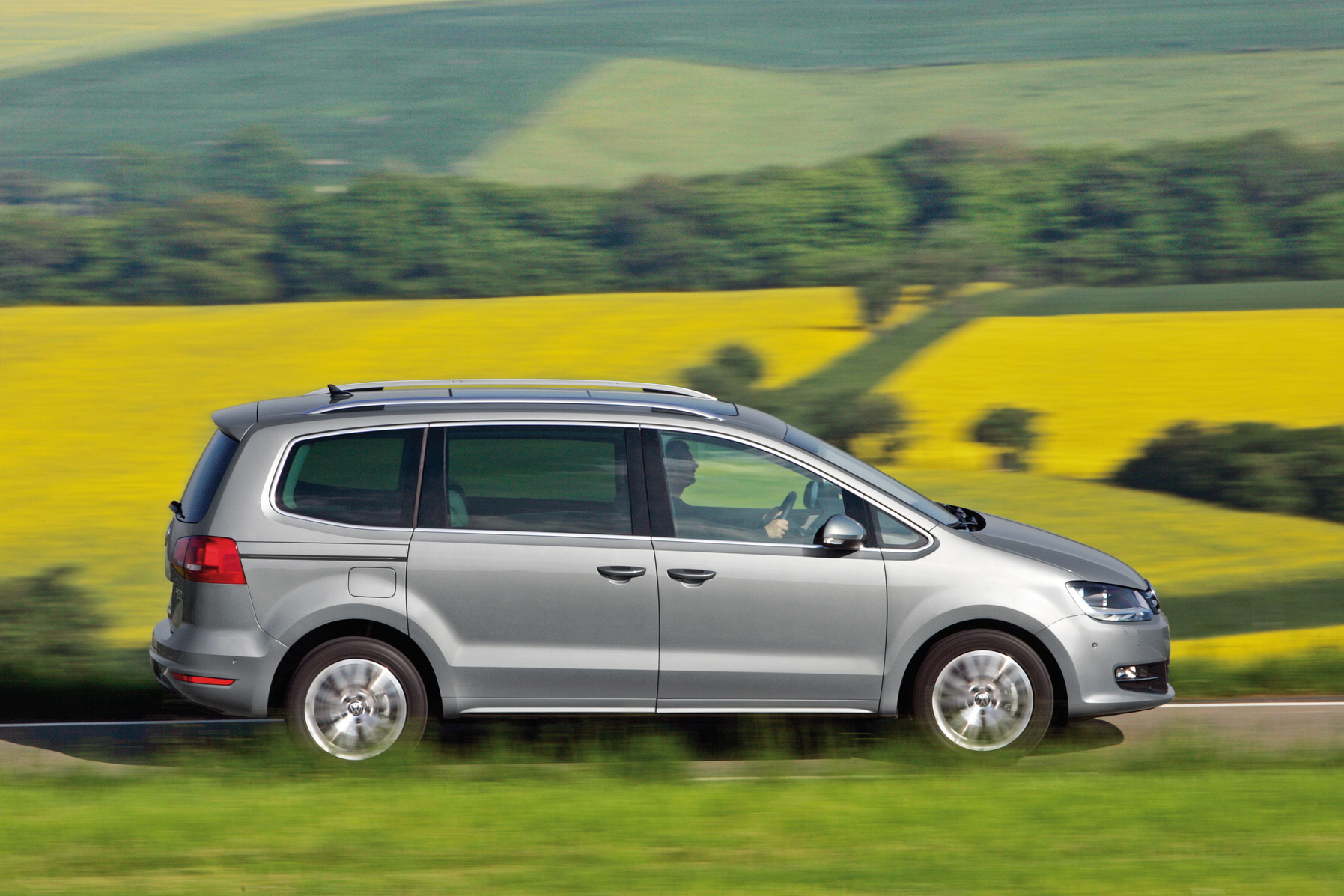
Ideally, look for facelift models from 2015 onwards with low mileage. These versions have better equipment and fewer teething troubles. Always test both sliding doors, the air conditioning and the operation of all electric functions.
Check the service history for regular oil changes and preventive maintenance on the timing chain. Ask whether the turbo, water pump or DSG oil have been replaced recently. Have a pre-purchase inspection carried out, with special attention to the engine, suspension and automatic gearbox.
For older examples, set aside an extra €1,000 to €2,000 for initial repairs. Owners rate the Sharan’s comfort at 8 out of 10, but stress that you should check the oil level at every fuel stop. That discipline prevents costly engine damage.
Reliability varies by generation
The first-generation Sharan will reliably cover 385,000 kilometres with good maintenance. Hesitation while driving and clicking relays indicate electrical earth problems, which you can address preventively. These older models need more maintenance but remain affordable to buy.
The second generation scores higher for reliability and has fewer serious engine issues. However, this generation does need attention when it comes to tyre pressure, wipers and lighting. These minor problems are easy to solve, but they still cost time and money at MOT tests if you neglect them.
‘ On the Carnews website you will find many more buying guides, comparisons and maintenance tips for different car brands and models. ’
Practical checklist for the viewing
Use these points when looking at a used Volkswagen Sharan:
- Check the oil level and ask the previous owner about oil consumption
- Test the gearbox for jolts and grinding noises
- Inspect the suspension by driving over speed bumps
- Check doors and tailgate for rust
- Check the operation of both sliding doors several times
- Measure tyre tread depth and check tyre pressures
- Test wipers and lighting thoroughly
- Ask about recent replacement of timing chain or turbo
- Check that the AdBlue system works properly on diesels
- Check the air conditioning for cooling performance
Take time for a thorough test drive of at least 30 minutes. Drive both in town and on the motorway to assess all systems. Do you hear rattling noises from the engine or feel vibrations in the steering wheel? In that case, have a specialist take a look before you complete the purchase.
On the Carnews website you will find many more buying guides, comparisons and maintenance tips for different car brands and models. Discover more and make an informed choice for your next car purchase.
Frequently asked questions
On Sharans from 2004–2010 you mainly see high oil consumption, wear on timing chain and turbo, clutch issues and failed air conditioning compressors, plus wear to suspension and brakes due to the high vehicle weight. On the second generation (from 2010), tyre pressure, fast-wearing tyres and wipers, rust around door and tailgate rubbers, electronic faults (start-stop/infotainment) and DSG judder complaints are typical; on the 1.4 TSI the timing chain is a weak point. For older examples you should allow an initial repair buffer of around €1,000 to €2,000. Major jobs such as timing chain or turbo can individually cost between roughly €800 and €2,000, depending on engine and garage.
On the Sharan, pay particular attention to high oil consumption, wear or rattling of the timing chain and turbo or EGR issues, especially on the TSI and TDI engines. On automatics (especially DSG), check for jolts, fluctuating revs and delayed response, which may indicate mechatronic or oil problems. Electrically, faults occur in start-stop, infotainment and earth connections (hesitation, relay noises), plus failed sliding door motors. Also look for rust under doors/tailgate, rapidly wearing suspension components and tyre wear caused by the high weight.
In general, second-generation Sharans from the facelift in 2015 up to around 2018 are considered the most reliable, provided they have been well maintained with timely oil changes. The first generation (1995–2010), especially the 2004–2010 model years, is best avoided due to structurally high oil consumption, timing chain wear and frequent turbo and suspension problems. The 1.4 TSI around 2011 is also known for chain issues; in this case the 2.0 TDI is a safer choice. For all model years, look for a complete maintenance history and a pre-purchase inspection with special attention to the engine, timing drive and automatic gearbox.
Regularly checking the oil level and carrying out timely oil and filter changes is crucial to limiting known issues with oil consumption and timing chain wear. On diesels, replace the timing belt preventively at around 100,000 km and have the DSG or automatic gearbox regularly flushed to prevent jolts and costly overhauls. Check tyre pressure and tread depth weekly to avoid unnecessary wear, higher fuel costs and MOT failure. Have the chassis, suspension and sliding doors inspected periodically, especially at high mileage, to spot breakages or seizure at an early stage.