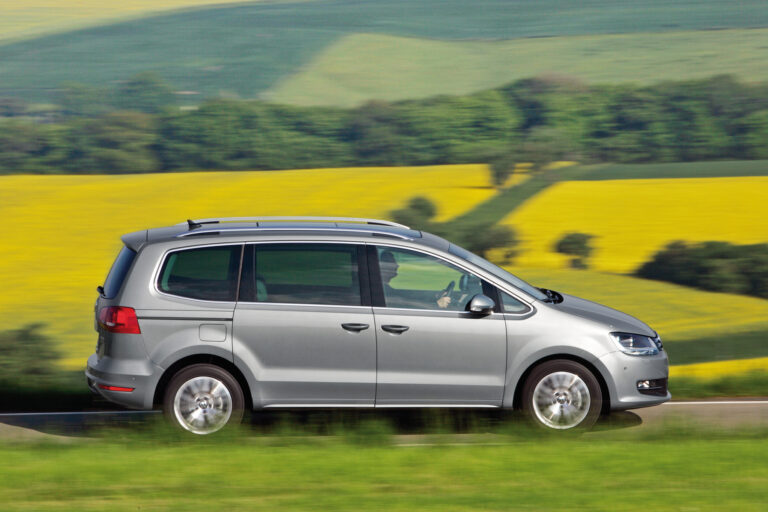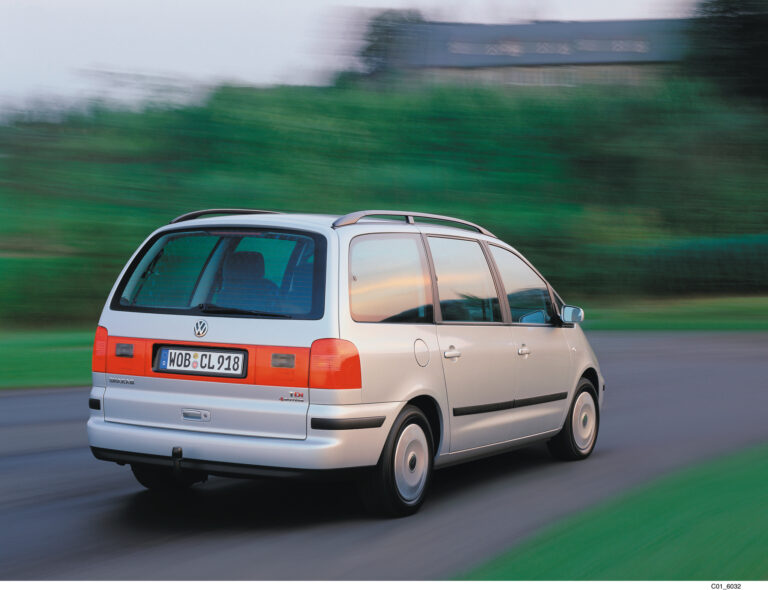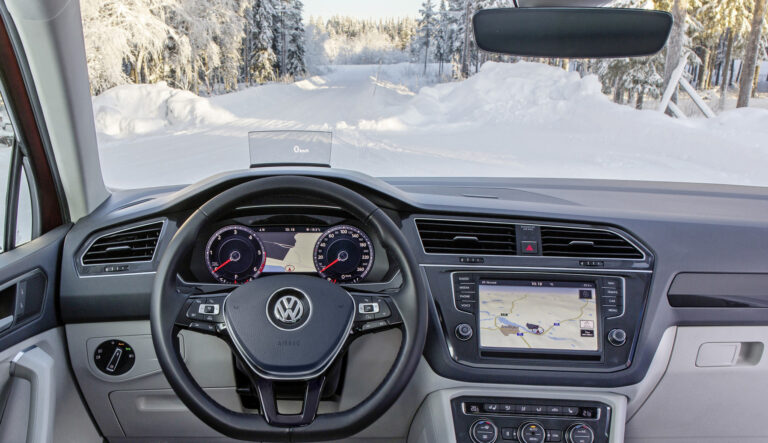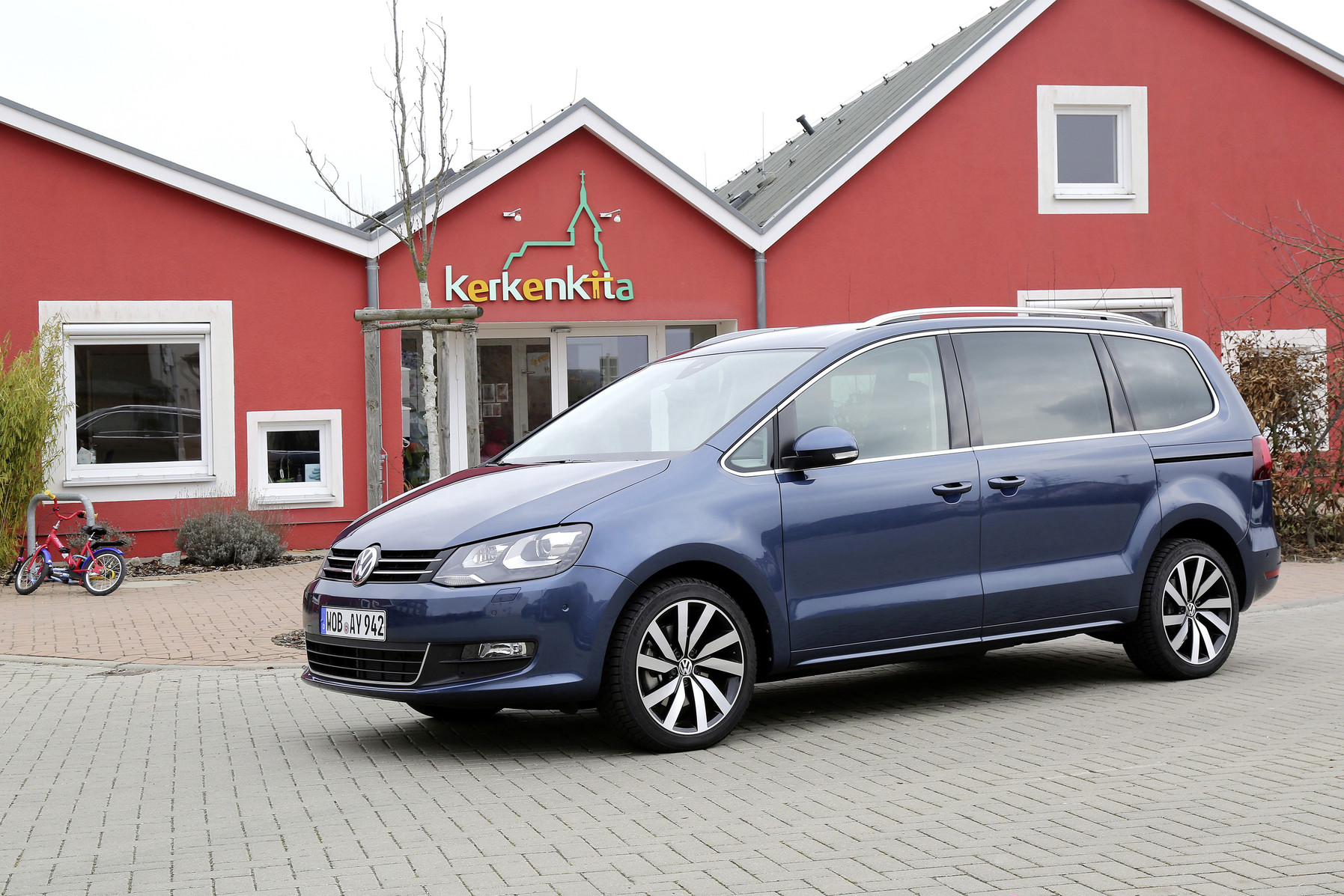
The Volkswagen Sharan suffers from structural rust problems that can already occur after four years. According to objective TÜV reports, the Sharan shows an excessively high amount of rust in all model years compared with other vehicles from the same period. The problems are mainly concentrated around the suspension. The underside, doors and wheel arches are also vulnerable. With some examples the rust is so severe that you can push a finger through certain parts. This is not an isolated phenomenon, but a quality problem widely recognised by owners.
Why does the Sharan rust so quickly?
The core of the problem lies in the inadequate factory underbody protection. The Sharan was built in Spain and received only a thin primer layer as protection against corrosion. Many Sharan models are driven on salted roads and in normal weather conditions. This minimal treatment is fundamentally insufficient for that. Whereas competitors such as the Ford Galaxy from the same period are significantly less prone to rust, the Volkswagen Sharan stands out in a negative way. The production process offered inadequate corrosion protection. In addition, intensive use as a family car significantly accelerates rust formation.
Another specific problem is flash rust. These are tiny rust particles that settle in the paint layer and result in characteristic rust specks. Owners mainly discover this on both rear doors in similar locations. This indicates a systematic production issue.
‘ Rust formation here can have a direct impact on safety. ’
Which parts are most affected?
The rust mainly concentrates on various parts of the bodywork. The side sills (the thresholds along the sides of the vehicle) regularly show corrosion. The rear structure around the fuel tank is also a problem area. The wheel arches and underbody panels are particularly vulnerable due to their constant exposure to spray from the road and stone chippings.
In addition, the following parts are susceptible to rust:
- Doors, especially the rear doors
- Boot and tailgate areas
- Area beneath the rear window seals
- Underbody protection and suspension
The suspension is particularly worrying. Rust formation here can have a direct impact on safety. Check these parts regularly, especially on cars older than four years.
How can you prevent rust?
For new or relatively young Sharan models, preventive maintenance is the best strategy. A professional wax treatment of the underside of the car immediately after purchase provides protection against rust. This wax layer is applied as a sealing barrier. The treatment costs at least €500, but prevents far more expensive repair costs later on. The investment is sensible given the limited factory protection.
There are special flash-rust removers available for flash rust. You can apply these seasonally after winter. These products remove the superficial rust specks before they can penetrate deeper into the paint layer. Regular washing of the underside, especially in the winter months, also helps to remove salt deposits.
Also make sure to:
- Check the seals around doors and windows
- Inspect wheel arches and the underside of the car regularly
- Treat small stone chips immediately to prevent them spreading
Checks when buying a used Sharan
Thinking about buying a second-hand Sharan? Then a thorough inspection of the underside of the car (the chassis and the underside of the body) is absolutely essential. Ask the seller to put the vehicle on a lift so you can look at the underside. Pay particular attention to brown discolouration, flaking of protective layers and soft or brittle spots in the metal.
Check the side sills (thresholds) by running your hand along the underside. Rust bubbles or ragged edges are warning signs. Look inside the wheel arches. This will sometimes immediately reveal whether there is rust. Don’t forget to check the inside of the doors when they are opened. Dampness or rust marks at the bottom of the doors indicate early problems.
If in doubt, take an independent specialist with you. The cost of a professional inspection is nothing compared with the potential repair costs you may face later. Examples from before 2010 are, statistically speaking, the most affected, but newer models can also suffer from rust problems.
‘ In that case, weigh up whether repair is still sensible compared with the value of the vehicle. ’
Repairing existing rust damage
For Sharans that have already started to rust, more intensive measures are necessary. The approach depends on how severe the rust is. With superficial rust you can tackle the problem yourself. First scrape off the rust. Then apply a treatment with phosphoric acid (an acidic solution that converts rust into a layer that no longer rusts further). After that, apply protective paintwork. This approach only works for early rust and requires care.
For more serious rust problems, professional help is unavoidable. A full rust cleaning and preservation treatment starts at around €1,000. The cost increases depending on the extent of the damage. Some garages offer specific underbody maintenance packages. These combine thorough cleaning, treatment and sealing.
For areas that have rusted through, new sheet metal may need to be welded in. This welding work is time-consuming and expensive, especially when structural parts such as the suspension are affected. In cases of extreme rust, the repair costs can run to several thousand euros. In that case, weigh up whether repair is still sensible compared with the value of the vehicle.
Warranty and dealer responses
Unfortunately, dealerships often write off the rust problem as normal. This attitude is unacceptable given the structural nature of the problem and its impact on the integrity of the vehicle. Some owners have tried to submit warranty claims under the 12-year anti-perforation guarantee, but the handling of such claims is inconsistent.
Always document rust problems with photos and have the findings recorded in writing by the garage. If warranty repairs are refused, you can contact Volkswagen Netherlands directly or even consider taking legal action. Comparison with competing MPVs shows that the Sharan’s tendency to rust is not a normal age-related issue.
Wear to lighting and suspension
In addition to rust problems, the Sharan also suffers from accelerated wear of the lighting and suspension. With the lighting, moisture ingress often occurs in the rear lights and condensation forms in the headlamps. This is related to ageing seals and, in combination with rust, can lead to further damage.
The suspension in many examples shows premature wear to bushes, sleeves (the rubber rings between suspension components) and wishbone parts. Rust at suspension mounting points also occurs. This makes the problem even more serious. A squeaking or rattling suspension can indicate worn bushes, but always also check for rust at the mounting points. Replace worn suspension components in good time to prevent further damage to the bodywork.
‘ The earlier you detect early rust, the easier and cheaper the treatment will be. ’
Practical tips for current owners
Already own a Sharan? Then there are concrete steps you can take to limit further damage. Wash the vehicle regularly, especially in winter. Pay extra attention to the underside and wheel arches. Many car washes offer an underbody wash programme that removes road salt and dirt.
Treat small stone-chip damage immediately with touch-up paint to prevent rust forming. Check the underside of the car for new rust spots at least twice a year. The earlier you detect early rust, the easier and cheaper the treatment will be. If you are unsure about the condition, you can ask the MOT test centre to look specifically for rust during the periodic inspection.
For older examples, consider a professional annual inspection of the underside. The cost of this is limited and gives you clarity about the condition. Replace worn suspension parts in good time. This is safer and also prevents further damage to rust-prone mounting points.
On the Carnews website you will find much more information about common problems with various Volkswagen models and practical maintenance advice. Discover which checks you can carry out yourself and when it’s better to call in a specialist for your car.
Frequently asked questions
The most common rust spots on the Volkswagen Sharan are the sills (side members), underside and corners of the doors (especially the rear doors), wheel arches, underbody around the fuel tank and the area beneath the rear window seals. At an early stage, look out for bubbles in the paint, brown specks at edges and seams, stone-chip protection coming loose, and damp or rust marks on the inner side of doors and in the sills. Prevention is possible by arranging a professional underbody and cavity treatment (wax/tectyl) in good time and cleaning thoroughly at least once a year, especially after winter. Treat initial rust immediately: clean, sand lightly, use rust converter and then re-prime and repaint to stop further corrosion.
Common rust repairs on a Sharan range roughly from a few hundred euros for local treatment (sanding, derusting, filling and respraying) to well over a thousand euros where sections need to be welded or larger areas need to be re-preserved. The complexity ranges from relatively simple cosmetic work on doors and wheel arches to major welding and structural work on sills, the underbody and around the tank. DIY repair is realistic with light surface rust if you have basic tools, rust converter and paint materials and are prepared to invest the time. With structural rust, rotten sections or load-bearing parts, professional repair is almost always the wiser choice and often essential for safety and to pass the MOT.
Rust can attack load-bearing parts such as sills, wheel arches and suspension mounting points, which reduces structural safety (crash resistance and suspension integrity) and significantly lowers resale value due to high repair costs. During inspection, focus particularly on the underside (sills, chassis rails, around the fuel tank, subframes), wheel arches, the seams of doors and tailgate, and underneath rubbers and trim strips. Check not only for surface rust but also for blistering beneath the paint, soft spots in the metal and previous welding or filler repairs. Severe rust on load-bearing parts or brake/fuel lines is usually a reason to walk away from the purchase or negotiate a substantial price reduction.
The Volkswagen Sharan is known in virtually all model years for being more rust-prone than average, mainly due to poor factory underbody protection and weak corrosion treatment during production. It is therefore not the case that only a few specific years are problematic; the rust issues are seen as specific to the model and its generations. Typical design flaws include the thin protective layer on the underside and structural details at the sills, wheel arches, rear doors and around the fuel tank, where dirt and moisture can easily accumulate. As a result, even relatively young examples can show severe body and rust damage if they have not received additional treatment.