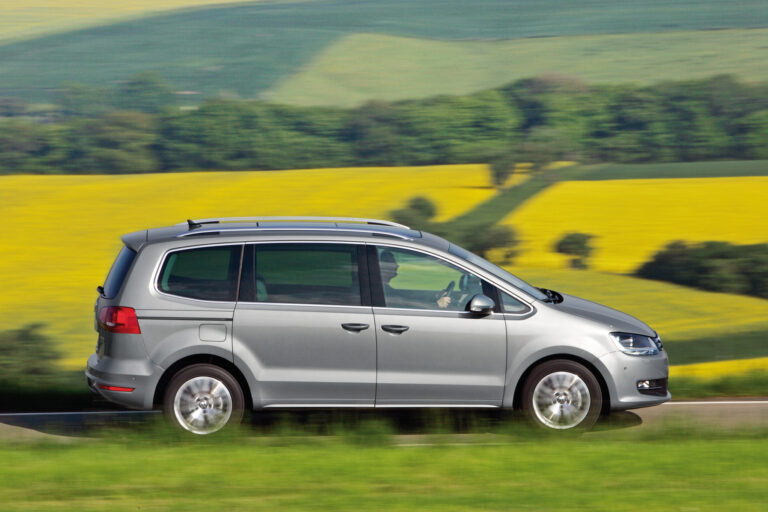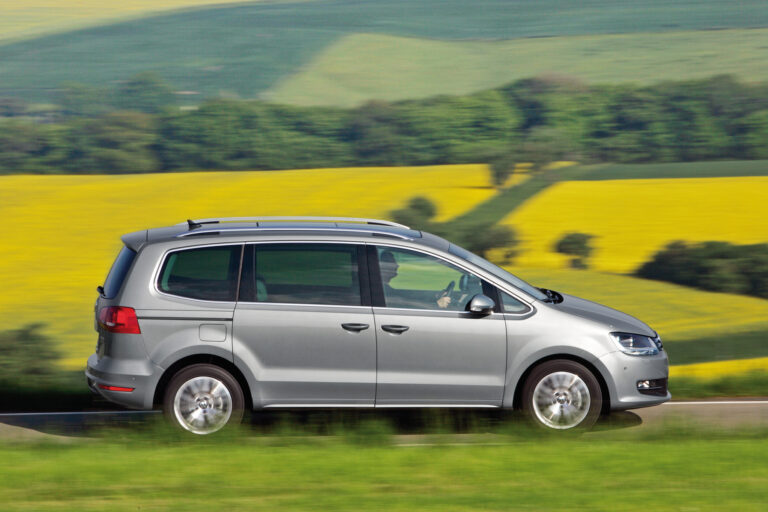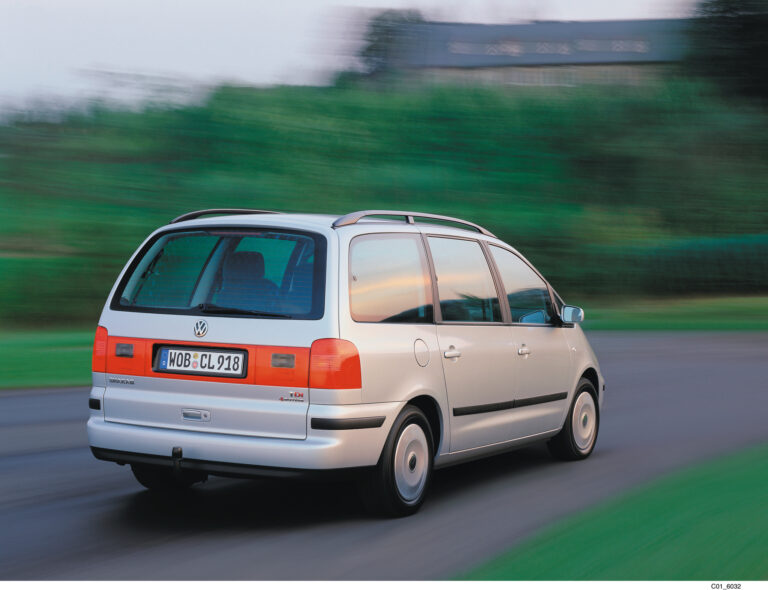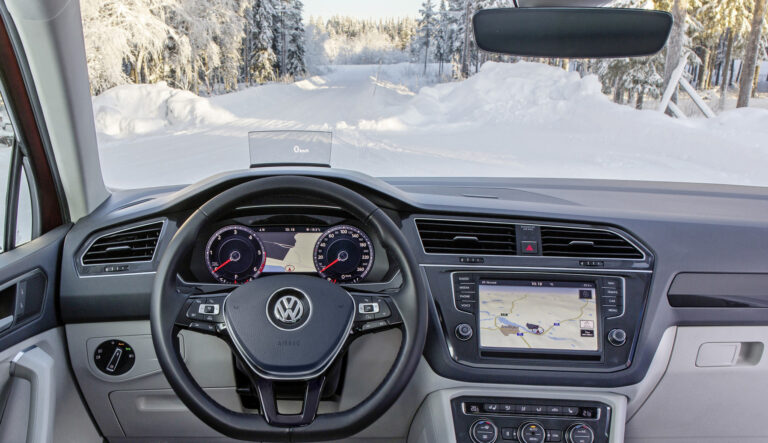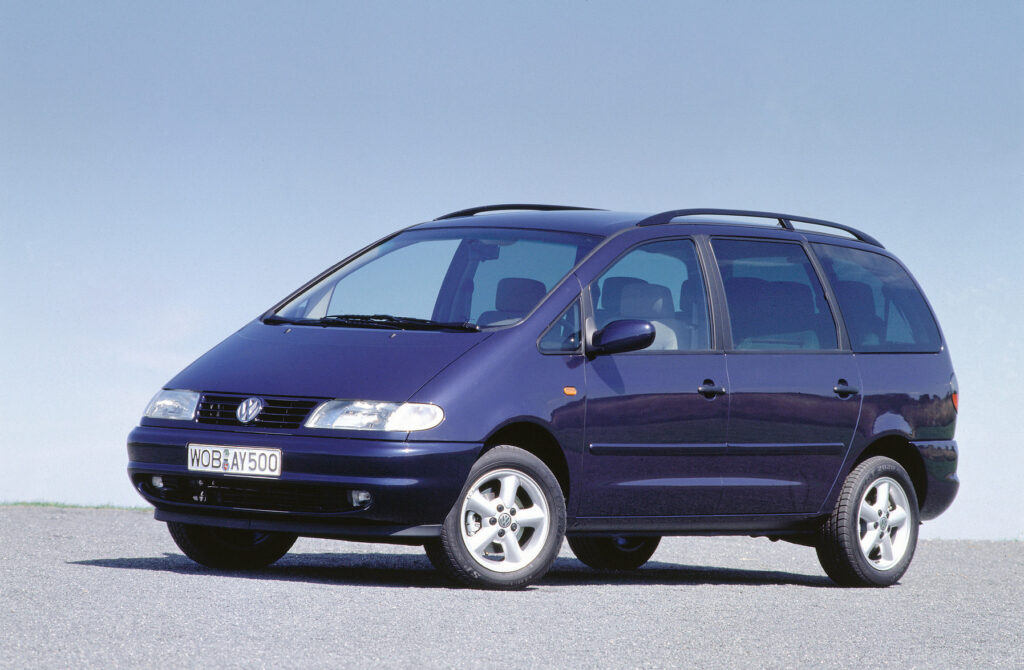
Accelerated wear on the suspension and brakes of the Sharan mainly stems from the combination of vehicle weight, family use and heavy loading. Control arms, anti-roll bars, shock absorbers, coil springs and brake components are therefore subjected to greater loads than in a lighter passenger car. Anyone who recognises knocking, vague steering feel or vibrations when braking early can often prevent extra tyre wear and more extensive repairs. Pay particular attention to the signs you should not ignore during a test drive or service visit.
Why do control arms wear out quickly on the VW Sharan?
The Volkswagen Sharan was designed as a spacious MPV for several occupants and plenty of luggage. It is precisely that practical character that affects the load on the suspension. With passengers in the second and third rows, a full boot or a trailer, the forces on bushes, ball joints and springs increase significantly, especially over speed bumps and on poor road surfaces.
On a Sharan with higher mileage, the front control arm bushes, ball joints and anti-roll bars deserve extra attention. The control arm keeps the wheel in the correct position relative to the body. The bushes absorb movement, while the ball joint allows the wheel to steer and articulate. As soon as a bush splits or a joint develops play, the wheel alignment changes while driving.
Data from inspection practice shows that wear on wheels, suspension and axles in heavy family cars is a common reason for repair. On the Sharan, this corresponds with complaints about bushes, springs, bearings and joints. It does not mean every Sharan will need the same parts at the same time. Driving style, load, road surface and maintenance all play a major part.
These symptoms point to worn control arms
While driving and during a visual inspection, look out for the following signs:
- A tap or thud when driving over a speed bump.
- Rattling over cobbles or a poor road surface.
- A steering wheel that responds less sharply around the centre position.
- The car pulling when braking or accelerating.
- Uneven wear on the front tyres, with the tread wearing faster on one side or in certain areas.
- Visible cracks in control arm bushes or grease around a ball joint.
An anti-roll bar link is often a relatively small part, yet it can produce a surprising amount of noise. This link connects the anti-roll bar to the suspension and limits body roll in corners. Play in the ball joint often causes a dry tap over short bumps. Do not just check the link itself; inspect the anti-roll bar bushes and the control arm as well.
‘ Simply fitting new tyres does not solve the underlying cause. ’
Recognising and replacing broken Sharan coil springs
A broken coil spring is a significant issue on the Sharan, especially when the car is often driven heavily loaded. The spring supports the mass of the body and keeps the ride height correct. Breakage often occurs at the lower end of the coil, where dirt and moisture can accumulate. As a result, the fault is not always immediately visible when the car is standing on the ground.
A Sharan with a broken spring sometimes sits slightly lower on one side, but the height difference does not have to be large. Often, a metallic tapping noise is noticed first when steering or when the suspension moves. In more severe cases, the broken spring section can come into contact with the spring seat or tyre. Do not continue driving until the cause has been established.
Check the rear suspension when the car is driven loaded
The rear axle is heavily loaded when the Sharan is used with seven seats occupied or a lot of luggage. Wear in the rear suspension bushes can then lead to a less stable rear end. Some owners also report wear in the rear suspension bushes, especially on cars that do a lot of driving on poor or salted roads.
Look at the rear tyres for wear on the inner edge. That pattern can indicate incorrect wheel alignment, wear in a joint or a problem with alignment. Simply fitting new tyres does not solve the cause. Have the rear axle checked first and then have the car aligned afterwards.
When replacing springs, it is important to also check the spring seats, dust covers and bump stops on the shock absorbers. A worn shock absorber does not by itself cause a broken spring, but a poorly functioning damper allows the wheel to continue bouncing more. That puts extra load on the other suspension components.
Volkswagen Sharan brake wear issues caused by weight
The weight of the Sharan also plays a clear role when it comes to the brakes. Every braking action converts kinetic energy into heat. With a full car, luggage and lots of city driving, brake pads and brake discs have to deal with that heat more often. As a result, pads and discs may need replacing sooner than on a lighter car used in the same way.
According to the technical operation of a disc brake system, brake pads should press flat and evenly against the brake disc. If a brake calliper or guide pin does not move properly, one pad wears faster or localised overheating occurs. That can cause vibration in the steering wheel or brake pedal. So vibration is not always just a warped disc; it calls for a full check of the braking system.
Recognise worn brakes before damage gets worse
These signs call for a prompt inspection:
- A grinding noise when braking.
- Vibration in the brake pedal or steering wheel.
- The car pulls to the left or right under hard braking.
- A longer stopping distance or a less direct pedal feel.
- A warm wheel rim or smell of burning after a short journey.
- A brake pad or brake system warning light.
A spongy brake pedal requires a different diagnosis from vibration. Air in the system, aged brake fluid or a weakened brake hose can affect pedal feel. Check brake hoses for dry cracks, rust around the connections and damage. Age, road salt and moisture affect rubber parts and metal lines.
How to reduce wear on the suspension and brakes
The Sharan does not have to be a problem car, but it does need maintenance that suits its weight and use. Cars that often do short journeys, tow a caravan or are regularly heavily loaded deserve a thorough inspection. Do not wait until a noise is constant.
Include these steps in servicing:
- Have front and rear checked for play in bushes, joints, links and wheel bearings.
- Ask for a measurement of pad thickness and disc thickness, not just a quick look through the wheel.
- Check tyre pressures according to the loaded values specified by Volkswagen.
- Inspect the tread on all four tyres, with extra attention to the inner edge at the rear.
- After work on control arms, rear axle components or steering parts, have the wheel alignment adjusted.
- Replace springs and shock absorbers in axle pairs when worn or damaged.
On a used Sharan, service invoices are valuable. Look specifically for replacement of control arms, anti-roll bar links, springs, shock absorbers, brake discs, pads and alignment. A recently replaced part is a positive sign, but also check whether the repair addressed the cause. New rear tyres with no mention of wheel alignment, for example, deserve extra attention.
Carnews has much more information on problems, maintenance and technical points of interest for Volkswagen and other models. Discover more related articles on Carnews and keep your Sharan in good condition with targeted care.
Frequently asked questions
Under a sporty driving style, the control arm bushes, ball joints and anti-roll bar links wear out quickly. Rear suspension bushes and toe-link bushes, wheel bearings and shock absorbers also take extra load. In addition, brake pads and brake discs wear out quickly because of the Sharan’s high weight.
An increased axle load means the brakes have to convert more kinetic energy into heat at the same speed. This raises the thermal load and temperature of the brake pads and brake discs, especially during repeated or prolonged braking. It increases the risk of brake fade, accelerated wear, glazing of the pads and warping or cracking of the discs.
Replace worn control arm, rear axle and toe-link bushes, ball joints, anti-roll bar links and faulty shock absorbers so that all wheels are guided and loaded correctly. Then have the wheel alignment, especially toe and camber, set accurately and maintain the correct tyre pressure per axle. Also check for play in wheel bearings and suspension joints; for even brake wear, brake pads, discs and brake hoses should be checked per axle and replaced in pairs where necessary.