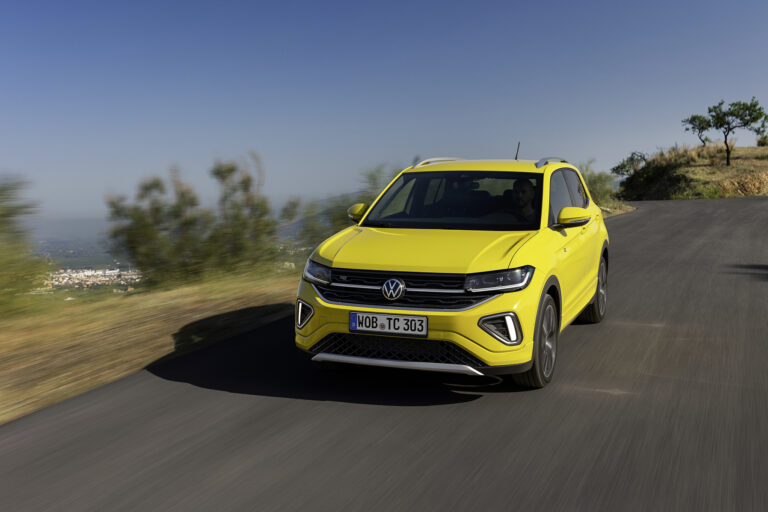
Volkswagen T-Cross: a down-to-earth look at reliability and problems
The Volkswagen T-Cross is one of the most popular compact SUVs on Dutch roads, but despite its popularity the model is not free from known issues. Buying or owning this car calls for knowledge of its specific vulnerabilities. These range from problems with the TSI engines and DSG gearboxes to electrical faults and suspension noises. Anyone who is well informed can avoid unexpected costs and extend the life of the car. This article highlights the main points of attention for the Volkswagen T-Cross.
Popularity and the typical T-Cross driver
Since its introduction in 2019, the Volkswagen T-Cross has quickly secured a strong position in the B-segment. Its success is thanks to a clever combination of factors: the high seating position, the practical interior space with a sliding rear bench, and Volkswagen’s trusted image. The target group is broad and includes both young families looking for a compact yet spacious city car and older drivers who appreciate the easy entry. Precisely because this model is so widespread, a clear picture of its long-term reliability has emerged. As with other models from the brand, there are specific car problems with Volkswagen that call for vigilance. A thorough discussion of these issues is therefore relevant not only for current owners, but also for anyone considering a used T-Cross.
‘ Yet in practice specific complaints emerge that occur more often than average. ’
Overall reliability of the T-Cross: first impressions
The Volkswagen T-Cross shares its technical basis, the MQB A0 platform, with other successful models such as the Polo and the Seat Arona. This platform is generally known as solid and reliable. Consumer surveys and breakdown statistics show an average to good picture. Most owners experience the T-Cross as a pleasant and trouble-free car for daily use. Yet in practice, specific complaints appear that occur more often than average. These usually relate to the engine, the gearbox and the electronics. The interior build quality, with lots of hard plastics, is also a point of criticism that sometimes leads to rattles and creaks.
The engine: common problems with TSI engines
The T-Cross is mainly supplied with the 1.0 TSI three-cylinder and the more powerful 1.5 TSI four-cylinder petrol engines. Although these engines are efficient and powerful, they do have a few points of attention.
Problems with the 1.0 TSI engine
The 1.0 TSI is a widely used engine within the Volkswagen Group. A known phenomenon is its sensitivity to internal contamination, particularly of the intake valves. In the long run this can lead to an uneven idle and reduced performance. In addition, the timing belt is a component that must be closely monitored. Although Volkswagen prescribes long replacement intervals, premature wear can occur, which may cause serious engine damage if the belt snaps. Symptoms of a worn belt include a grinding or ticking noise from the engine bay.
Points of attention for the 1.5 TSI engine
The 1.5 TSI engine is known for its smooth performance, but early production years sometimes suffered from juddering at low revs, also known as the ‘kangaroo effect’. This was often caused by software that was not optimally calibrated. In most cases a software update from the dealer could solve this problem. During a test drive, check whether the car pulls away smoothly from a standstill without hesitation or surging.
Gearbox: problems with DSG and manual transmissions
The T-Cross is available with a manual gearbox or a 7-speed DSG dual-clutch automatic. Both systems have their own specific points of attention.
DSG automatic (DQ200)
The 7-speed DSG automatic with dry clutch (DQ200) used in the T-Cross is an advanced piece of engineering, but also vulnerable. Common complaints include: Regular oil changes and a calm driving style can extend the life of the DSG gearbox.
Manual gearbox
The manual transmissions in the T-Cross are generally reliable. Occasionally there are complaints about notchy gear changes, especially with a cold engine. This is not a defect as such, but can be experienced as unpleasant. Wear to the clutch cylinder can in time lead to a heavy-feeling clutch pedal.
‘ Warning messages on the dashboard that appear and disappear without any clear reason are a sign of a deeper electrical issue that requires diagnosis by a specialist. ’
Electrical faults: from infotainment to sensors
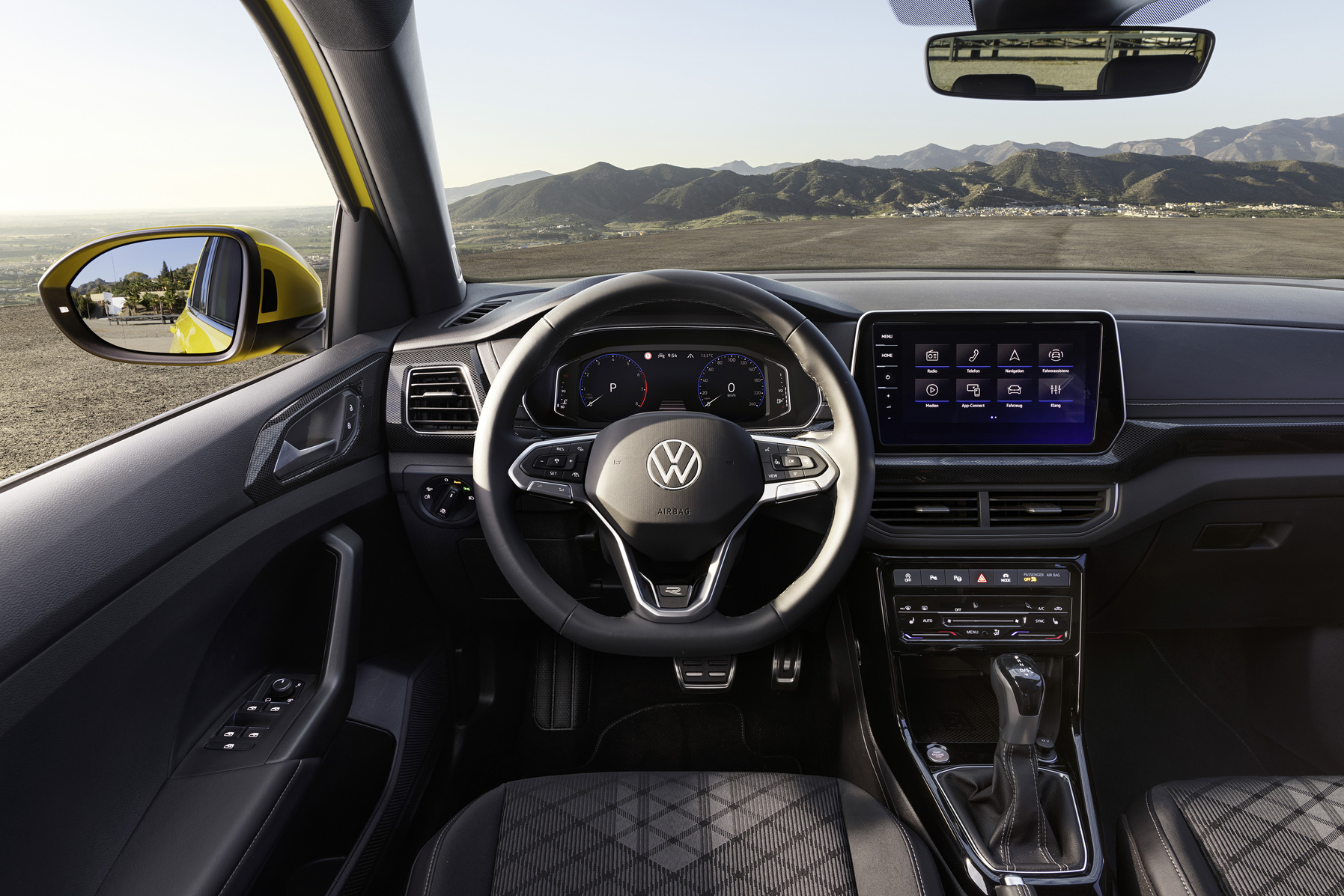
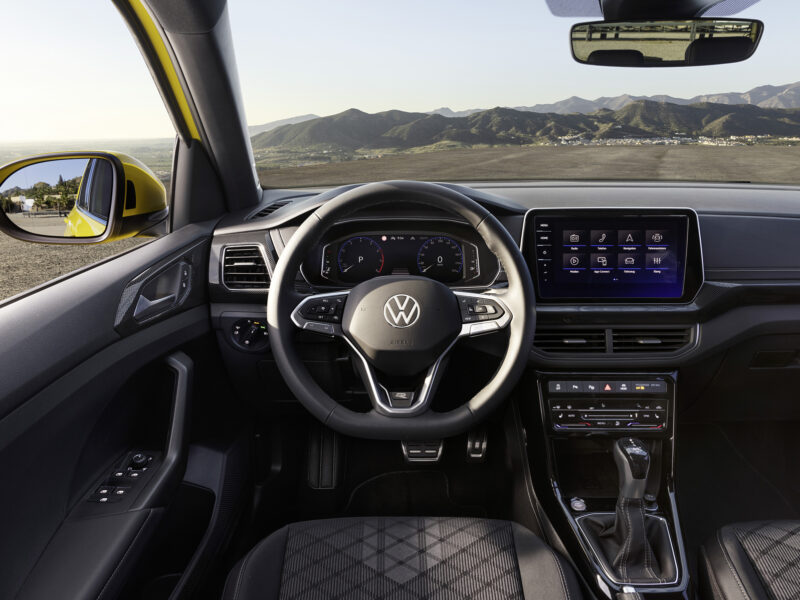
Modern cars such as the T-Cross contain a large amount of electronics, and that is also a potential source of faults. The infotainment system can sometimes respond slowly or completely freeze. A reset of the system often solves this temporarily, but sometimes a software update is necessary. The sensors of the driver assistance systems, such as the parking sensors or front assist, can also malfunction, often due to dirt or moisture. Warning messages on the dashboard that appear and disappear without any clear reason are a sign of a deeper electrical issue that requires diagnosis by a specialist.
Suspension and running gear: noises and wear
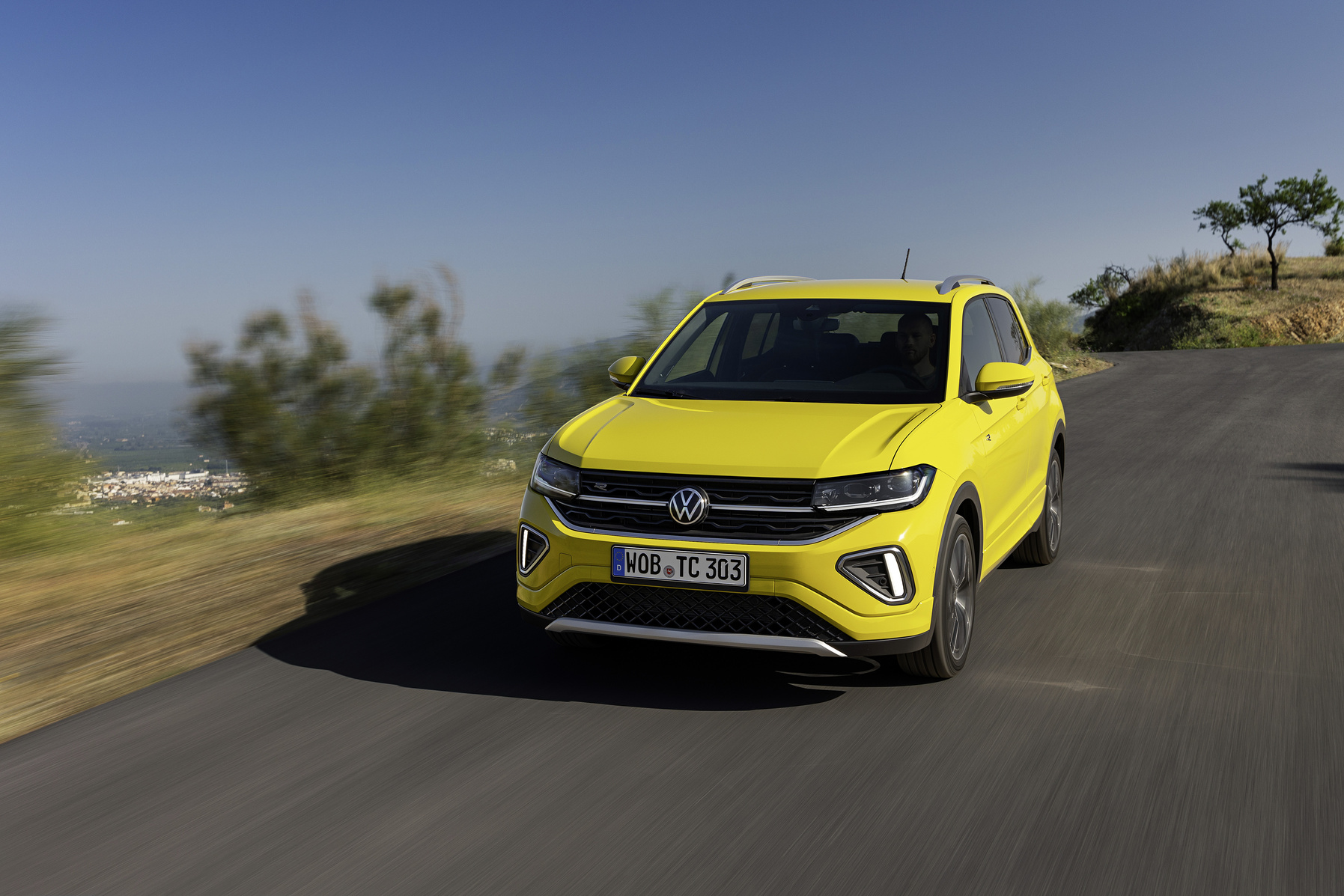
The T-Cross’s running gear is designed for comfort, but certain components are prone to wear. Owners sometimes report creaking or knocking noises when driving over speed bumps or uneven surfaces. These sounds are often caused by worn control arm bushes or anti-roll bar links. The shock absorbers can also be past their best after a few years, resulting in less stable handling. During a test drive, listen carefully for any extraneous noises and check whether the car feels stable in bends.
Interior and bodywork: minor ailments and irritations
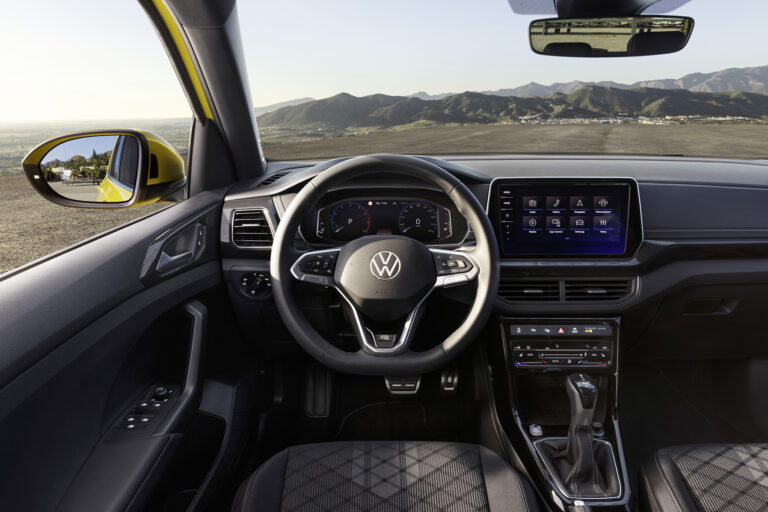
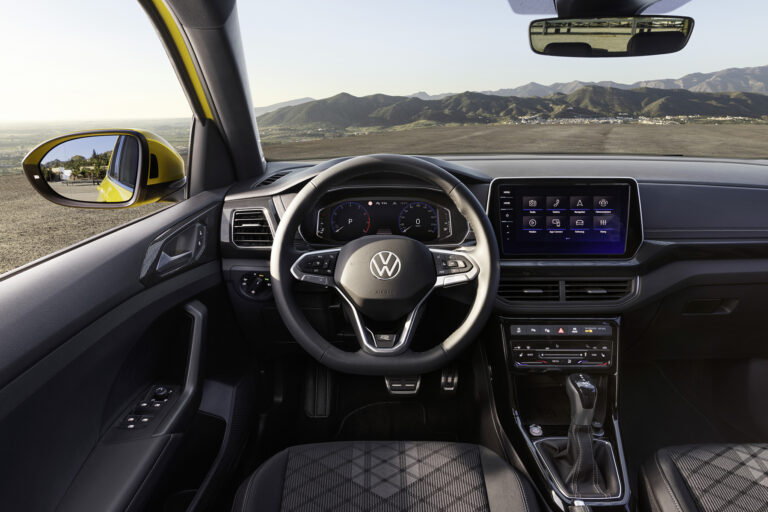
Although the T-Cross has a practical layout, the finish is not at the level people may be used to from more expensive Volkswagen models. The use of hard, scratch-sensitive plastics can lead to rattles and creaks in the dashboard and door panels. Another reported problem is water ingress, sometimes via the rear lights or the door seals. Check the boot under the mat for damp patches. Defective interior parts, such as a sticking glovebox latch, are also reported.
‘ It is essential to strictly follow the prescribed service intervals and use only engine oil approved by Volkswagen. ’
Solutions and prevention: avoiding and resolving problems
Many problems with the T-Cross can be prevented or kept under control with proper maintenance.


Known recalls for the T-Cross
There have been several official recalls for the T-Cross. These related, among other things, to the mounting of the seatbelts and potential problems with the on-board computer software. Whether a specific car is affected by a recall can be checked on the RDW website by entering the registration number. An official Volkswagen dealer can also check, using the chassis number, whether all necessary actions have been carried out.
Checklist for buying a used T-Cross
Anyone considering a used T-Cross can use the following checklist to identify the most common problems.
‘ A car with a complete service history and low mileage is the safest choice. ’
The T-Cross – a reliable choice?
The Volkswagen T-Cross can be a sensible purchase, provided you are aware of its specific weak spots. The TSI engines and the DSG gearbox require expert and preventive maintenance to avoid costly repairs. A car with a complete service history and low mileage is the safest choice. By taking the points of attention from this article into account and carrying out a thorough pre-purchase inspection, you greatly increase the chance of an ownership experience free of worries.