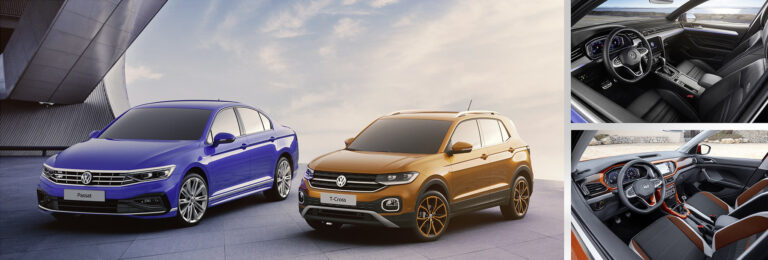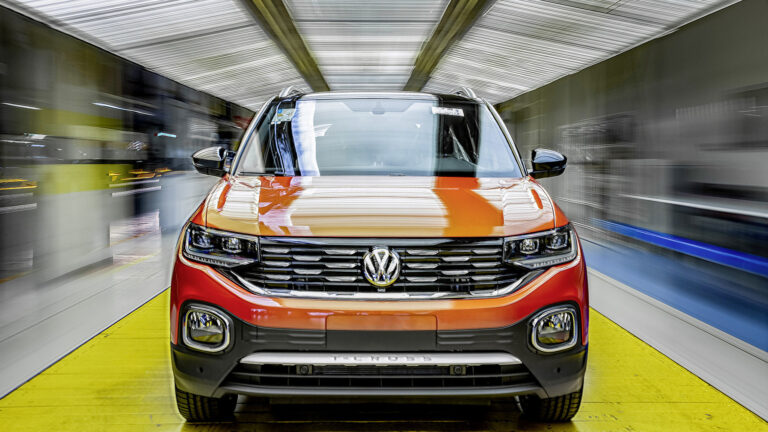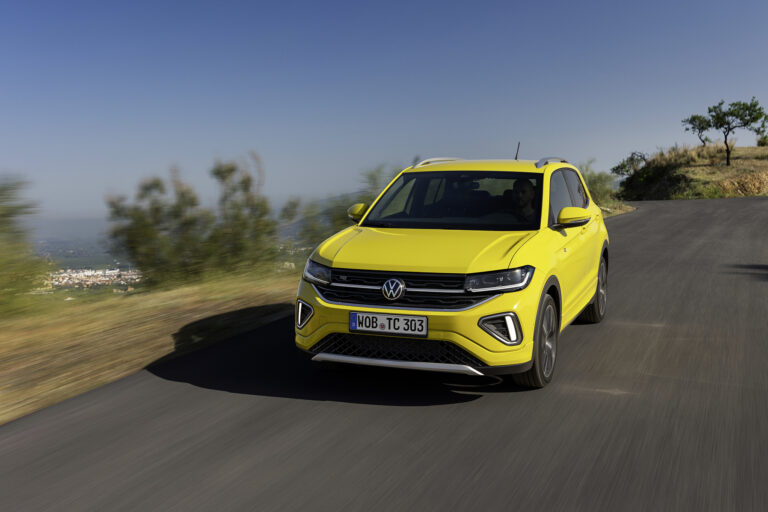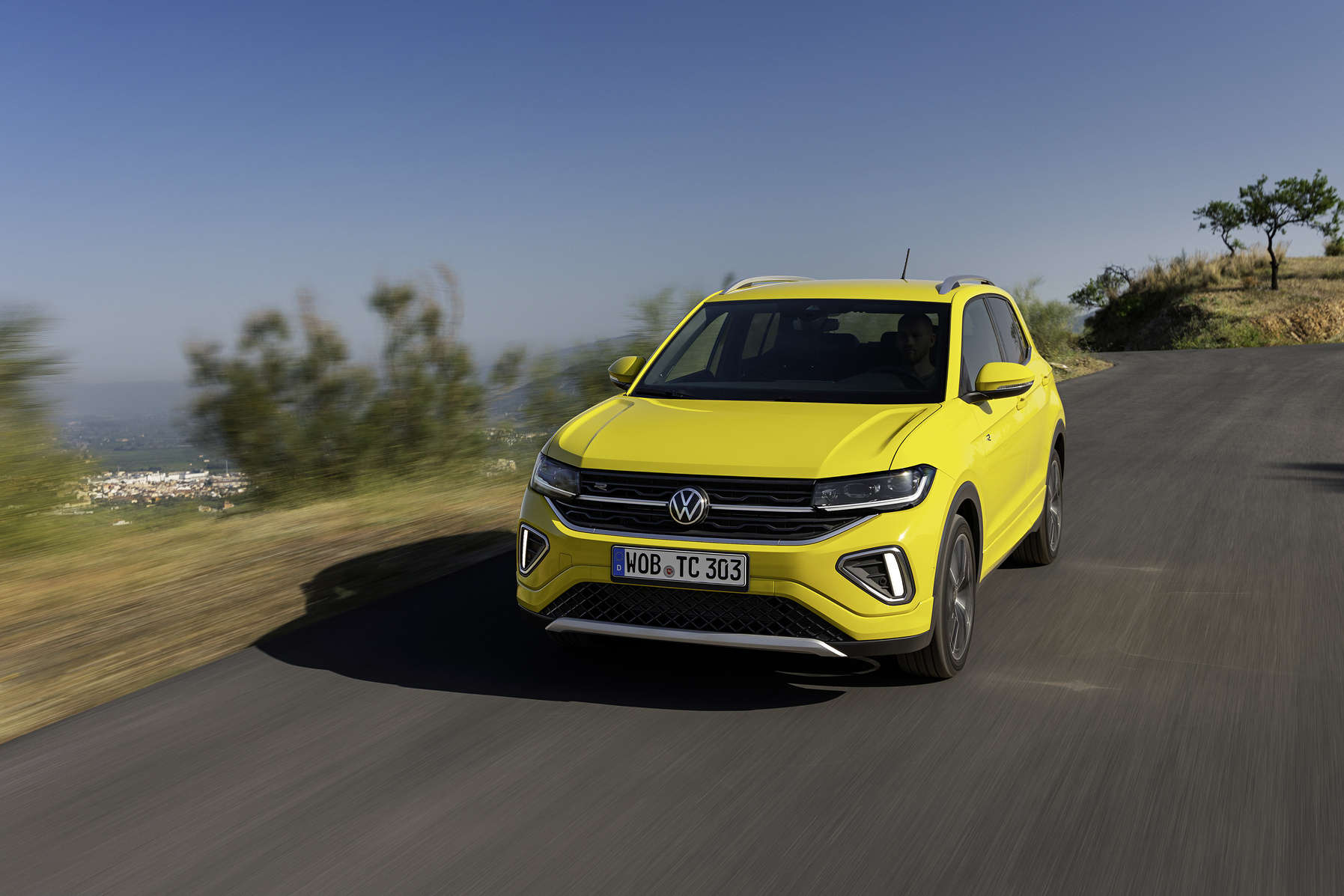
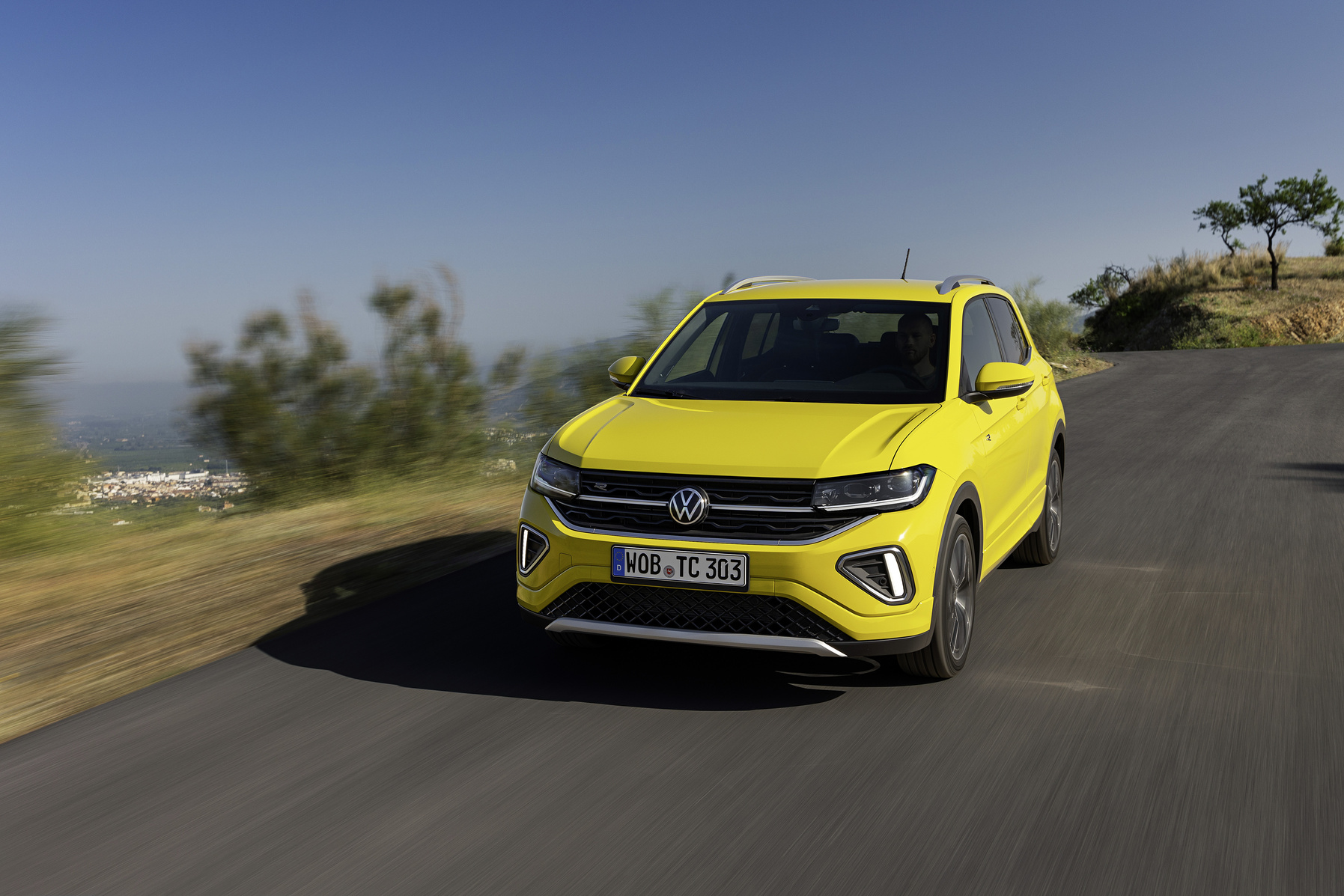
The VW T-Cross 2026 dares to take on the BMW X1, Mercedes GLA and economical alternatives such as the Skoda Kamiq. With sharp design, advanced safety systems and a flexible interior, the compact SUV looks stronger than ever. Whether this Volkswagen actually poses a threat to premium rivals depends on what you value most: performance, luxury or practical versatility.
VW T-Cross 2026: specifications and changes
The T-Cross 2026 stays true to its compact size, but gains refinements that make everyday use more pleasant. The engine range consists of a 1.0-litre three-cylinder TSI with 95 to 115 hp or a stronger 1.5-litre four-cylinder TSI that delivers 150 hp. For those who want to save on fuel, there is a 48V mild-hybrid eTSI version available. This technology charges the battery while braking and supports the engine when accelerating, reducing consumption by around 1 litre per 100 kilometres in eco mode.
You can choose between a 6-speed manual gearbox or a 7-speed DSG automatic. The latter is especially convenient in busy city traffic, as the gears shift smoothly and quickly. The T-Cross reaches 100 km/h in 9 to 12 seconds, depending on the engine version. Real-world fuel consumption is around 6 to 7 litres per 100 kilometres. Front-wheel drive is standard; four-wheel drive is not available. For owners who would like to know more about possible Volkswagen T-Cross car problems, it can be useful to look up other users’ experiences.
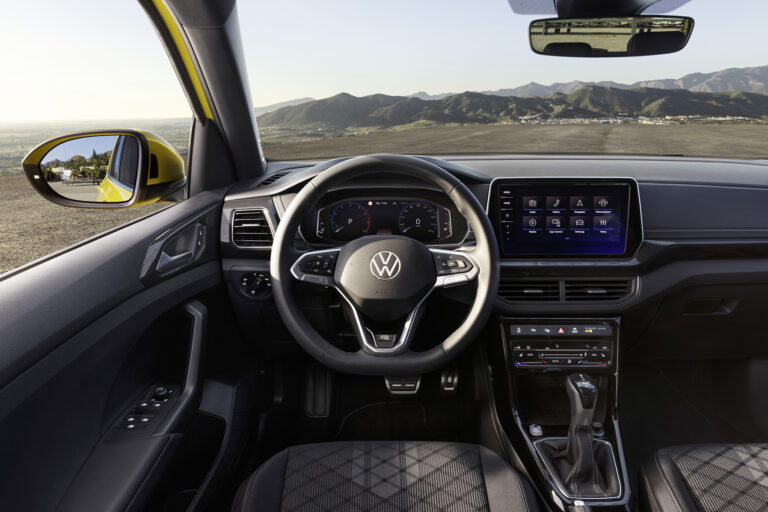
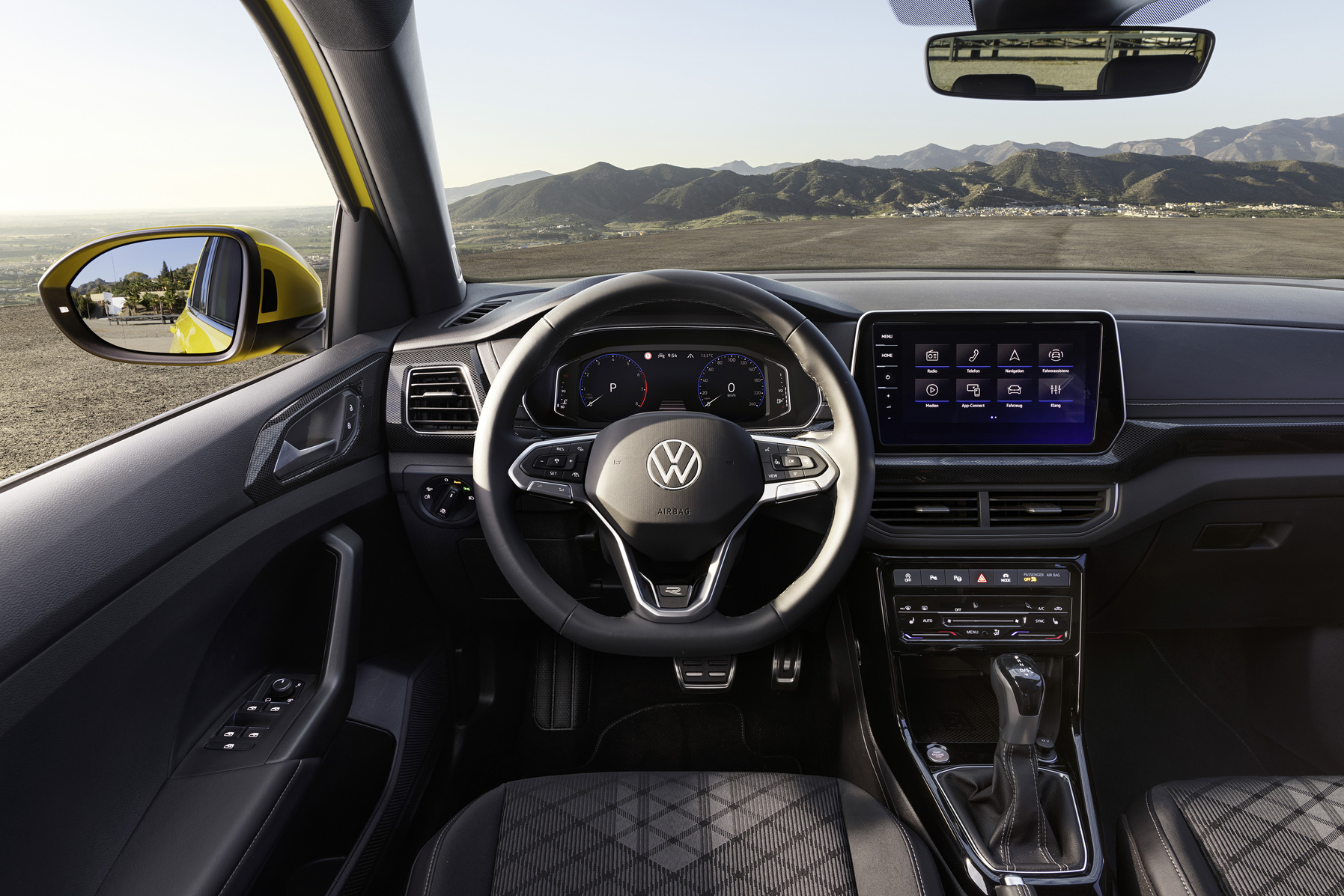
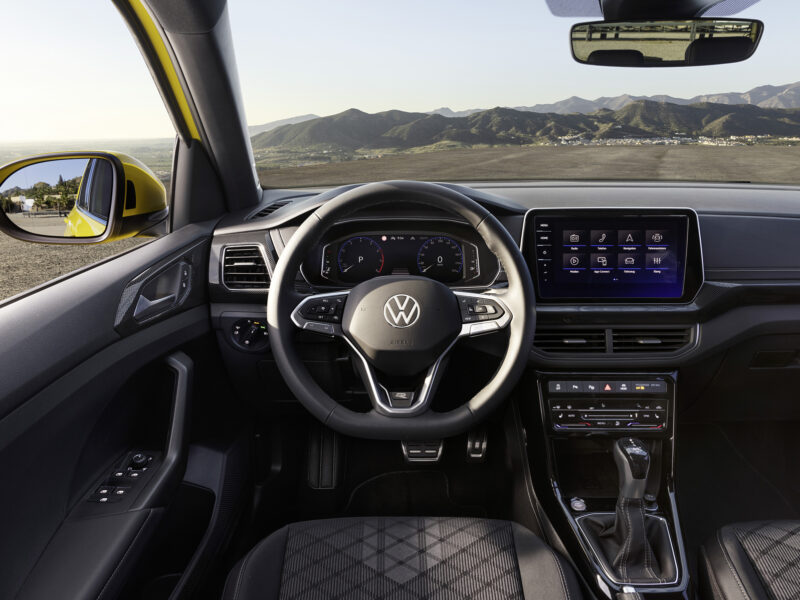
The interior stands out thanks to a sliding rear seat that can move up to 14 centimetres. This lets you choose between extra legroom for passengers or more boot space, from 385 to 1281 litres. A digital cockpit with 8- or 10-inch touchscreen, inductive charging and rear USB-C ports make the T-Cross suitable for modern families. Adaptive cruise control, lane keeping assist, Travel Assist and a 360-degree camera provide safety and comfort on longer journeys.
‘ For keen drivers the BMW remains the winner, but for families looking for versatility and affordability, the T-Cross makes more sense. ’
T-Cross 2026 versus BMW X1: sportiness or usability?
The BMW X1 positions itself as the sportier choice, with more powerful engines and driving characteristics that encourage dynamic steering. The base version has a 1.5-litre three-cylinder with 136 hp, while top versions go up to 312 hp. For those who want to combine electric driving with petrol, there is a plug-in hybrid option. Fuel consumption fluctuates between 6 and 8 litres per 100 kilometres, which is comparable to the T-Cross but with more power.
In terms of space, the X1 offers a larger boot: 540 to 1600 litres. That is noticeably more than the T-Cross, especially if you do not slide the rear seat. The materials in the interior feel more premium, with soft upholstery and more attention to detail. The price, however, is considerably higher. The X1 is significantly more expensive to buy and to maintain, which makes it less accessible for buyers without a premium budget.
The T-Cross scores better on practical flexibility. The sliding rear seat gives you more freedom of choice in day-to-day use. The DSG automatic gearbox also works more smoothly in city traffic than the manual transmission in the entry-level X1. For keen drivers the BMW remains the winner, but for families looking for versatility and affordability, the T-Cross makes more sense.
Mercedes GLA versus T-Cross: luxury or value?
The Mercedes GLA is the most luxurious option in this comparison. The MBUX infotainment system with voice control and augmented reality navigation is more advanced than what the T-Cross offers. The interior exudes class, with high-quality finishes and refined details. The engines range from a 1.3-litre petrol with 136 hp to powerful AMG versions with up to 421 hp. Mild-hybrid technology is available, but fuel consumption, at 6.5 to 8.5 litres, is slightly higher than in the T-Cross.
The GLA’s boot space is 435 to 1430 litres, which sits between the T-Cross and the X1. The difference is mainly in the presentation: Mercedes emphasises luxury and status, while Volkswagen puts practical functionality first. The GLA’s maintenance and purchase price are significantly higher, which pushes up total ownership costs.
For those willing to pay extra for a premium feel and advanced technology, the GLA is a strong choice. But the T-Cross offers better value for money when you consider space, safety and everyday usability. The sliding rear seat and lower fuel consumption make a noticeable difference in practical use.
T-Cross and Skoda Kamiq: brothers with differences
The Skoda Kamiq shares the MQB platform with the T-Cross, which means both cars are technically related. The Kamiq also gets a 1.0 TSI engine with 95 to 150 hp and features mild-hybrid technology. Fuel consumption, at 5.5 to 7 litres per 100 kilometres, is even slightly lower, making the Kamiq suitable for drivers focused on economy.
Boot space is 400 to 1395 litres, which is comparable with the T-Cross. The main difference is price: the Kamiq is cheaper to buy and often has lower insurance premiums. Maintenance costs are similar because both models share the same components. This makes replacing parts easy and affordable.
The T-Cross scores higher on technology. The digital cockpit and the latest version of the infotainment system are more advanced than what Skoda offers as standard. The finish also feels slightly more premium, although the difference is small. For those who value brand loyalty or prefer the VW badge, the T-Cross is the choice. Those who mainly want to save money without sacrificing much will find the Kamiq an appealing alternative.
‘ It offers enough technology, safety and space to stand comparison, without the premium price tag. ’
Can the T-Cross compete with premium SUVs?
The question is not whether the T-Cross can compete technically, but for whom it is the best choice. The BMW X1 and Mercedes GLA offer more power, more luxurious materials and a more prestigious image. That comes at a higher price, both at purchase and in maintenance. The T-Cross wins on practical versatility, affordability and reliability.
The sliding rear-seat system is unique in this segment and gives the T-Cross a practical advantage that no rival matches. The safety equipment is on the same level as premium brands, with adaptive cruise control, lane keeping and Travel Assist, which reduce fatigue on long journeys. The mild-hybrid system starts silently and charges quickly, which is especially noticeable at traffic lights.
For those who put sportiness and luxury first, BMW and Mercedes remain the logical choices. But for families, city users and buyers looking for value for money, the T-Cross is a serious option. It offers enough technology, safety and space to stand comparison, without the premium price tag. The competition with Skoda is fiercer: the Kamiq is more economical and cheaper, but the T-Cross feels just that bit more refined and better equipped.
Which SUV suits your usage?
Your choice depends on what you need on a daily basis. For those who mainly drive in town and for whom a smooth automatic is important, the DSG version of the T-Cross is recommended. Test the mild-hybrid on longer journeys to experience how fuel consumption drops. The lane keeping assist works well on motorways, but automatically switches off in rain to give you more control.
Compare the T-Cross with the Kamiq if you mainly want low running costs and fuel efficiency. Test the X1 if sporty driving characteristics and more power are your priorities. Pay attention to boot space: the T-Cross’s sliding rear seat makes more difference than the figures suggest. For those who do not need four-wheel drive, the T-Cross offers enough grip with good winter tyres.
On the Carnews website you will find more comparisons, owner experiences and tips about SUVs and other models. Discover which car best suits your situation and read what other car enthusiasts share about their choices.
Frequently asked questions
No, in terms of driving dynamics and steering feel, the VW T-Cross 2026 will not be on the same level as the entry-level models from BMW or Mercedes, which are clearly tuned more towards sportiness and precision. The T-Cross focuses more on comfort, practical usability and safety than on a very sharp steering feel. Compared with a BMW X1 or Mercedes GLA it feels competent and safe, but less communicative and dynamic. That also suits its lower price point and its positioning in the mid-range segment.
The VW T-Cross 2026 introduces a fully digital cockpit with an 8- to 10-inch touchscreen, extensive connectivity and wireless smartphone charging. In addition, it offers advanced safety systems such as Travel Assist, adaptive cruise control, lane keeping and a 360° camera to approximate the premium feel. Luxury options include LED matrix headlights, keyless entry, privacy glass and larger 17- to 18-inch alloy wheels. Together with the optional 48V mild-hybrid technology, this positions the T-Cross closer to what premium brands have to offer.
The interior quality of the VW T-Cross 2026 is clearly above the level of purely pragmatic budget models: materials and finish look more modern and refined than in Skoda, with a more premium-looking digital cockpit. Compared with more expensive rivals such as the BMW X1 and Mercedes GLA, however, it still lags noticeably behind in terms of luxury, materials and acoustic refinement. The comfort level – suspension, seating position and sound insulation – is well balanced for daily use, but less soft and quiet than in the premium Germans. Compared with Skoda’s pragmatic approach, the T-Cross offers slightly less clever use of space, but more comfort and a higher-quality atmosphere.
With its 1.5 TSI delivering up to 150 hp and optional mild-hybrid technology, the VW T-Cross 2026 offers sufficient power and good efficiency for dynamic everyday driving. However, for car enthusiasts used to true BMW and Mercedes performance, it feels less sporty and less powerful, especially due to the lack of more powerful engines and 4×4. Where the T-Cross excels in price–quality ratio, practical usability and fuel consumption, the BMW X1 and Mercedes GLA clearly remain superior in pure performance and driving dynamics. This makes the T-Cross more attractive as a rational, efficient choice than as a full-fledged alternative to premium performance.
The overall value and ease of maintenance of the VW T-Cross 2026 are strong, mainly thanks to the good price–quality ratio and the sharing of parts within the VW Group, which keeps maintenance costs down. Compared with premium rivals such as the BMW X1 and Mercedes GLA, it is cheaper to buy and maintain, but less luxurious and less dynamic. For budget- and practicality-focused buyers, this can be a decisive factor. For pure car enthusiasts who mainly seek sportiness and a premium feel, however, it will less often be the deciding reason.