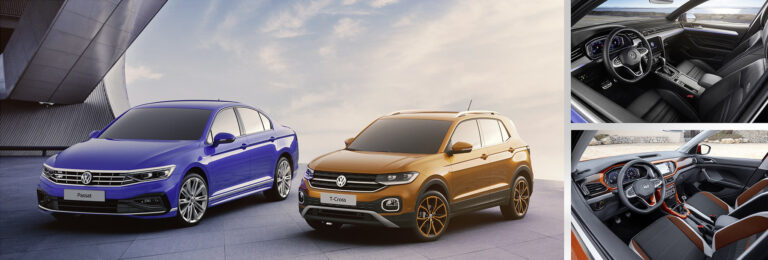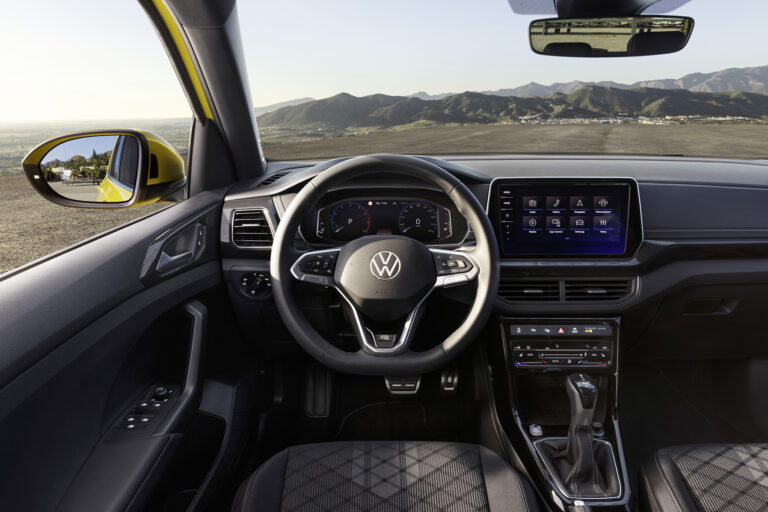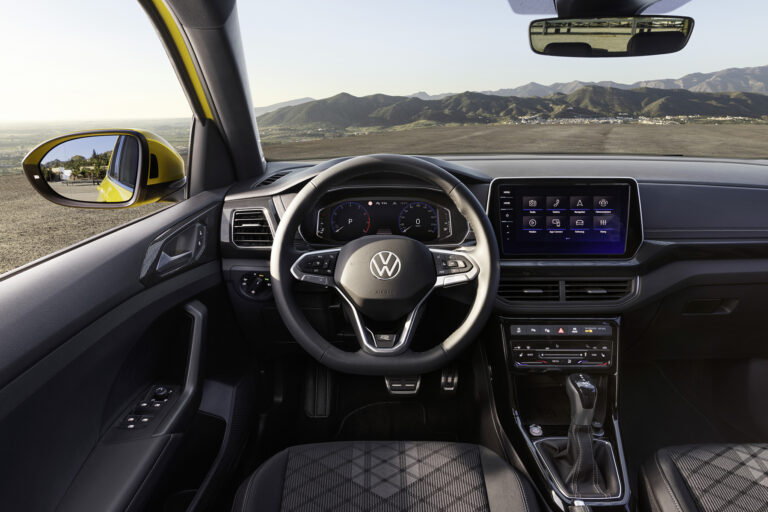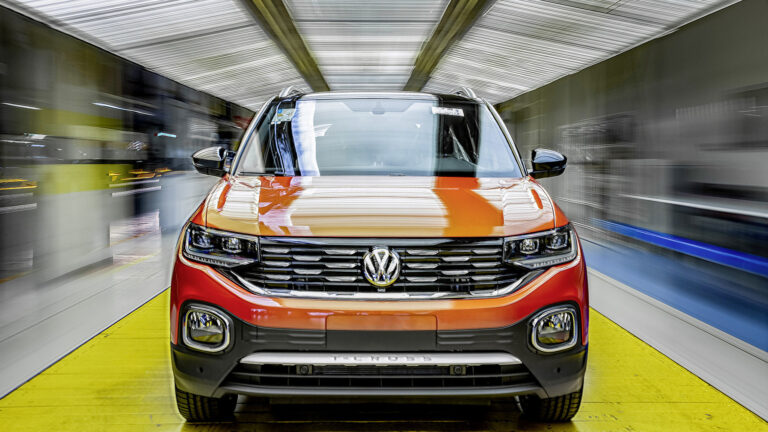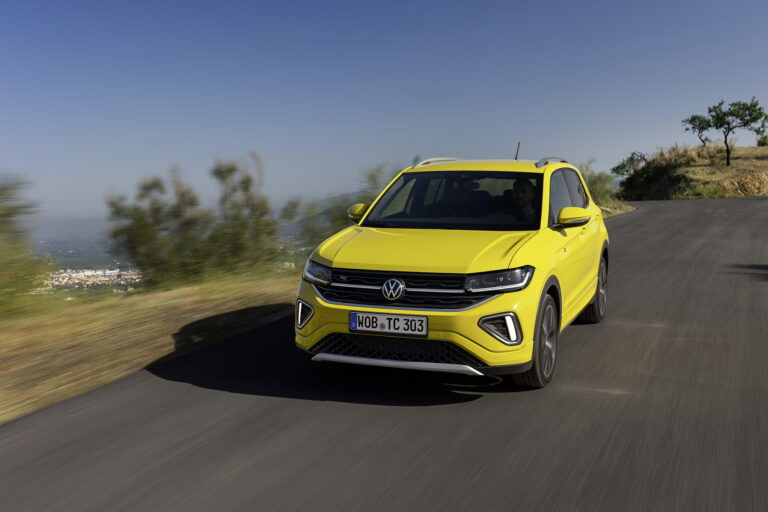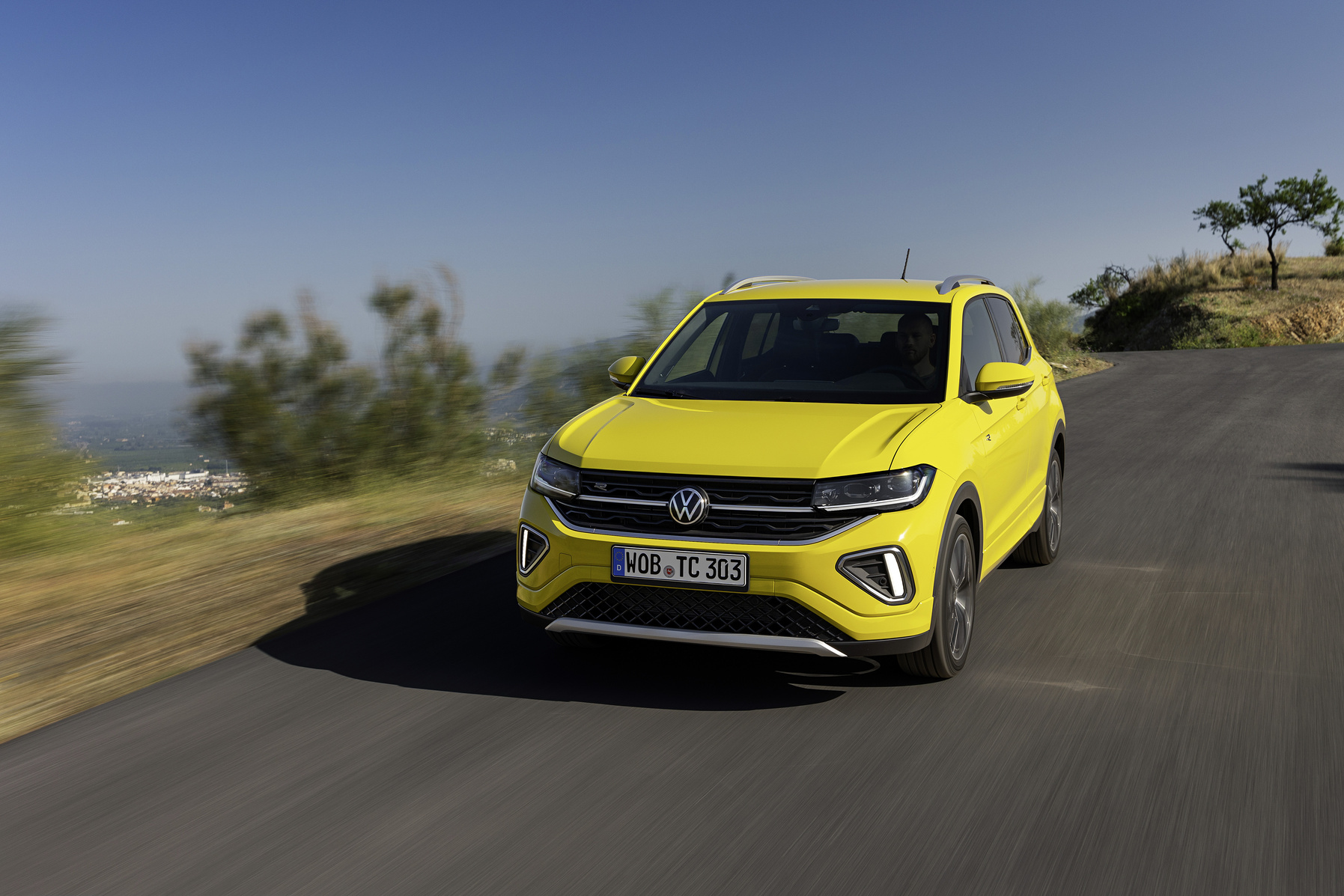
The VW T-Cross 2026 combines light steering for everyday use with stable motorway performance, but its sporty character falls short of what you might expect from a compact SUV. The firmer set-up mainly provides control, not playfulness. Even so, this compact city car offers enough confidence in corners and calmness on long journeys. Is that enough for your driving style?
Light and responsive steering in the city
The steering of the T-Cross immediately stands out due to its light power assistance. Parking and manoeuvring in busy city traffic are therefore effortless. You do not need to use much force to turn the steering wheel, which is pleasant in daily use.
The steering response feels progressive. There is no dead zone in the steering range, which contributes to a predictable feel. At higher speeds, the steering gains enough weight to inspire confidence. Paddle shifters are available on models with the DSG automatic gearbox, allowing you to shift manually and giving you more control.
‘ “These systems make motorway journeys relaxing and reduce fatigue.” ’
Stable on the motorway
On motorways, the T-Cross 2026 shows a stable character. The car feels planted on the road and offers smooth ride quality. The high seating position gives excellent visibility over the traffic, which makes long journeys more comfortable.
As standard, the T-Cross comes with adaptive cruise control and lane assist. These systems make motorway journeys relaxing and reduce fatigue. Wind noise at higher speeds is limited, although it is not completely quiet. Overall, the car performs well in terms of refinement.
The seats are comfortable enough for longer distances. The flexible sliding rear bench provides extra practical space when needed.
How does the T-Cross 2026 feel in corners?
In corners the T-Cross remains sure-footed, despite its compact size. Body roll is minimal and grip is excellent. The car feels controlled during faster manoeuvres, without excessive swaying.
Yet the T-Cross is not built for sporty driving. Compared with more direct rivals such as the Ford Puma, this VW feels less agile on twisty roads. That is not a flaw but a conscious choice. With this model, Volkswagen focuses on practical and predictable driving behaviour, not on excitement.
The firmer set-up helps to keep the relatively tall body stable. This comes at the expense of playful handling, but it does provide a safe feeling in all conditions.
Can you add an adaptive driving mode to the T-Cross 2026?
Yes, Volkswagen optionally offers an adaptive driving mode for the T-Cross 2026. This system adjusts the steering response and throttle reaction based on the selected driving mode. You can choose between, for example, Eco, Normal and Sport.
In practice, the differences between the modes are noticeable but not dramatic. Sport mode makes the steering a little heavier and the engine more responsive. Eco mode focuses on fuel saving and smoother gear changes. For most drivers this system adds limited value, as the T-Cross already feels good in the standard mode.
‘ Avoid the optional 18-inch wheels if comfort is important to you. ’
Ride comfort in everyday use
The suspension of the T-Cross 2026 is slightly firmer than that of many other crossovers. This provides stability but makes the ride less soft than in, for example, the Skoda Kamiq or VW T-Roc. In urban environments, the car offers sufficient comfort, although bumps are noticeably transmitted into the cabin.
Pay attention when choosing the wheels. Avoid the optional 18-inch wheels if comfort is important to you. These larger wheels make the ride noticeably firmer. The differences between 16-inch and 17-inch alloys are smaller and have less impact on ride comfort.
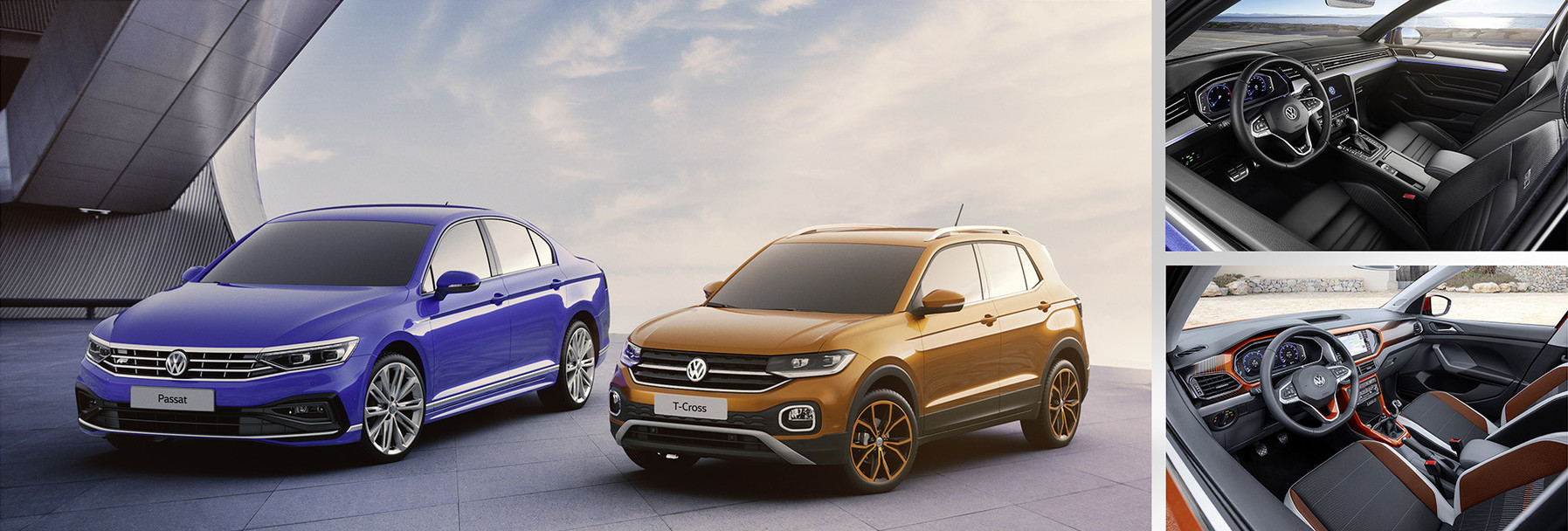
The driving position is easy to get comfortable in and the SUV-like seating comfort gives a good overview. You sit higher than in a Polo, which makes traffic easier to see. The light steering weight reduces fatigue if you drive in the city regularly.
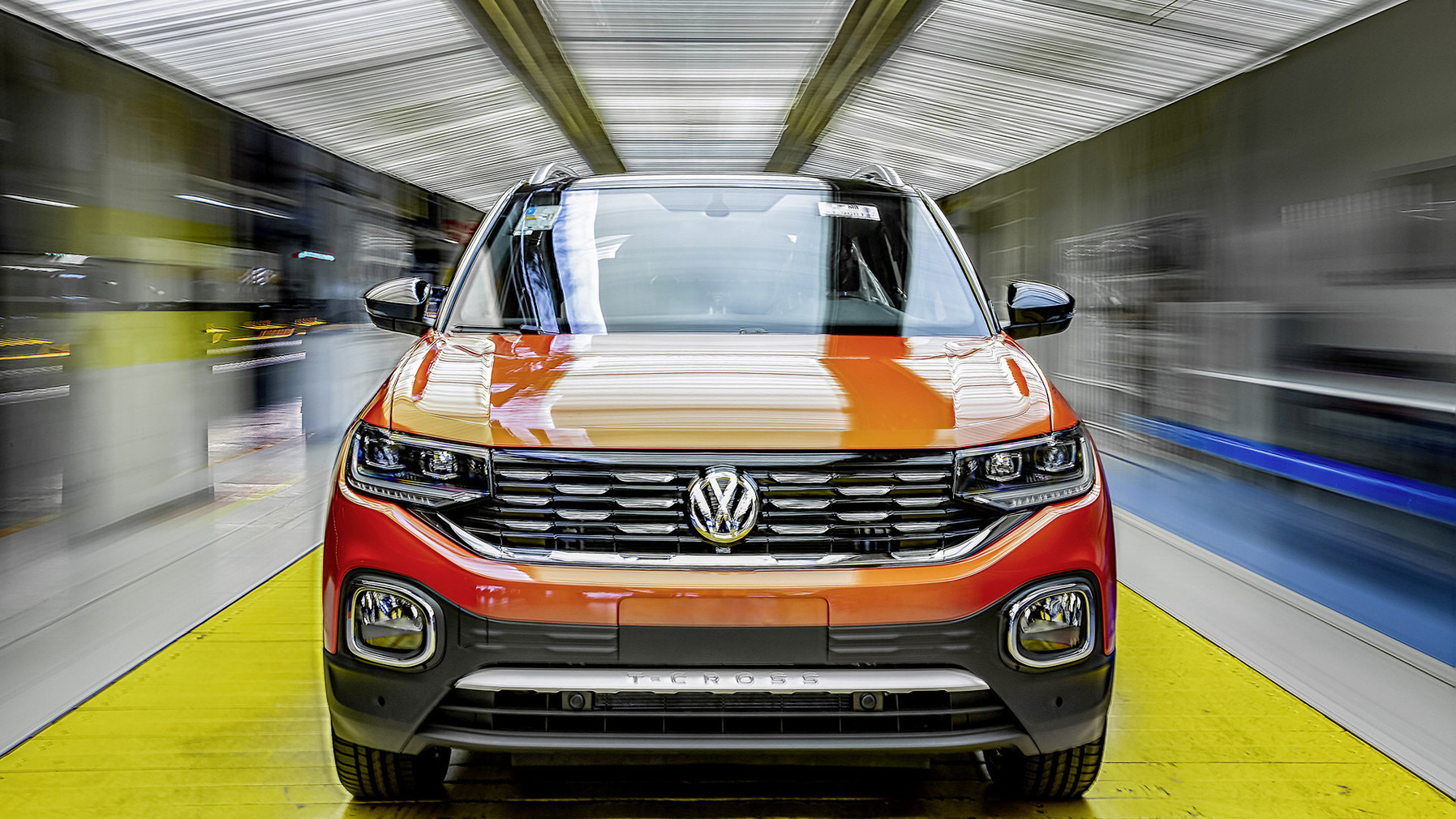
Engines and their effect on handling
The choice of engine affects the overall driving feel of the T-Cross. The 1.0 TSI with 95 PS and five-speed gearbox feels sluggish and needs more than 11 seconds to reach 0–62 mph (0–100 km/h). On motorway journeys this engine demands a lot of effort and often runs at high revs due to the five-speed gearbox.
The 1.5 TSI with 150 PS is a clear improvement. This engine is paired with a six-speed gearbox, either manual or DSG automatic. Gear changes feel smoother and the engine management is better matched to the car.
The manual gearboxes feel slick and precise. The DSG automatic shifts without jolts, although it can sometimes respond slowly at low parking speeds. Overall, choosing the stronger engine contributes to a more pleasant driving experience.
Safety systems support relaxed driving
The T-Cross 2026 comes with various driver assistance systems that contribute to relaxed driving comfort:
- Adaptive cruise control (a system that automatically maintains a distance to the vehicle in front)
- Lane assist (a support system that keeps you in your lane)
- Blind spot detection (a system that detects vehicles in your blind spot) warns you when changing lanes
- Attention monitor (a system that recognises driver fatigue) warns you if your driving style shows signs of tiredness
- Parking sensors make parking easier
These systems work well together and do not feel intrusive. They support the driver without interfering too much.
‘ The T-Cross does not aim for excitement, but for dependable performance. ’
Which type of driver does the T-Cross 2026 suit?
The T-Cross 2026 is ideal for drivers who put everyday comfort and practical usability first. City dwellers will appreciate the easy manoeuvrability and light steering. Commuters who cover longer distances every day will enjoy the stability and comfort on the motorway.
Families looking for a practical small SUV with enough space and reliability will also be well served here. The T-Cross offers controlled and predictable driving behaviour in all conditions.
For drivers looking for sportiness and lively steering feel, this car is less suitable. The T-Cross does not aim for excitement, but for dependable performance. If you value agile road behaviour on twisty roads, there are more direct alternatives available.
On the Carnews website you will find much more information about compact SUVs, comparisons between models and practical tips to help you choose a car. Discover what best suits your driving style.
Frequently asked questions
In town, the steering feels light and nimble, making manoeuvring and parking very easy. At the same time, the steering is precise enough and gains a bit of extra weight at higher speeds, so the T-Cross feels stable and reassuring there.
The relatively firm suspension set-up of the T-Cross provides good stability and limited body movements, but does mean the car is a little less softly sprung than some rivals. On smooth tarmac, this results in comfortable and controlled driving behaviour, with sufficient damping of smaller imperfections. On poorer road surfaces you will feel short transverse joints and sharp bumps more distinctly, especially with larger (18-inch) wheels. If you choose smaller wheels, overall ride comfort noticeably improves across a variety of road surfaces.
The suspension mainly offers stability and predictable control, with limited body movements and good grip in corners. During dynamic driving, the T-Cross therefore remains safe and composed, but it does not feel particularly sporty. Compared with more dynamic rivals such as the Ford Puma, the car is less playful and less agile. The suspension is therefore clearly aimed more at comfort and reassurance than at pure sportiness.
Yes, the 2026 VW T-Cross offers a few ways to adjust its driving behaviour, but these are limited. Through the available driver assistance systems (such as adaptive cruise control and lane assist) and your choice of engine and transmission combination, you can influence the car’s character to some extent. Wheel size (for example smaller instead of 18-inch wheels) also has a noticeable effect on comfort and handling. However, fully configurable steering characteristics or extensive driving modes like those in sportier models are not offered.
The 2026 VW T-Cross clearly opts for comfort over pure sportiness: the suspension is relatively firm to keep the tall body stable, but not so stiff that it becomes uncomfortable. The light, easy-to-operate steering makes city driving and parking very relaxing, but feels less sharp and playful than in sportier rivals such as the Ford Puma. The body leans only slightly in corners and the car remains predictable and stable, although it lacks the direct, dynamic feedback that enthusiastic drivers look for. As a result, the overall driving experience is more focused on reassurance and everyday ease than on thrilling cornering.