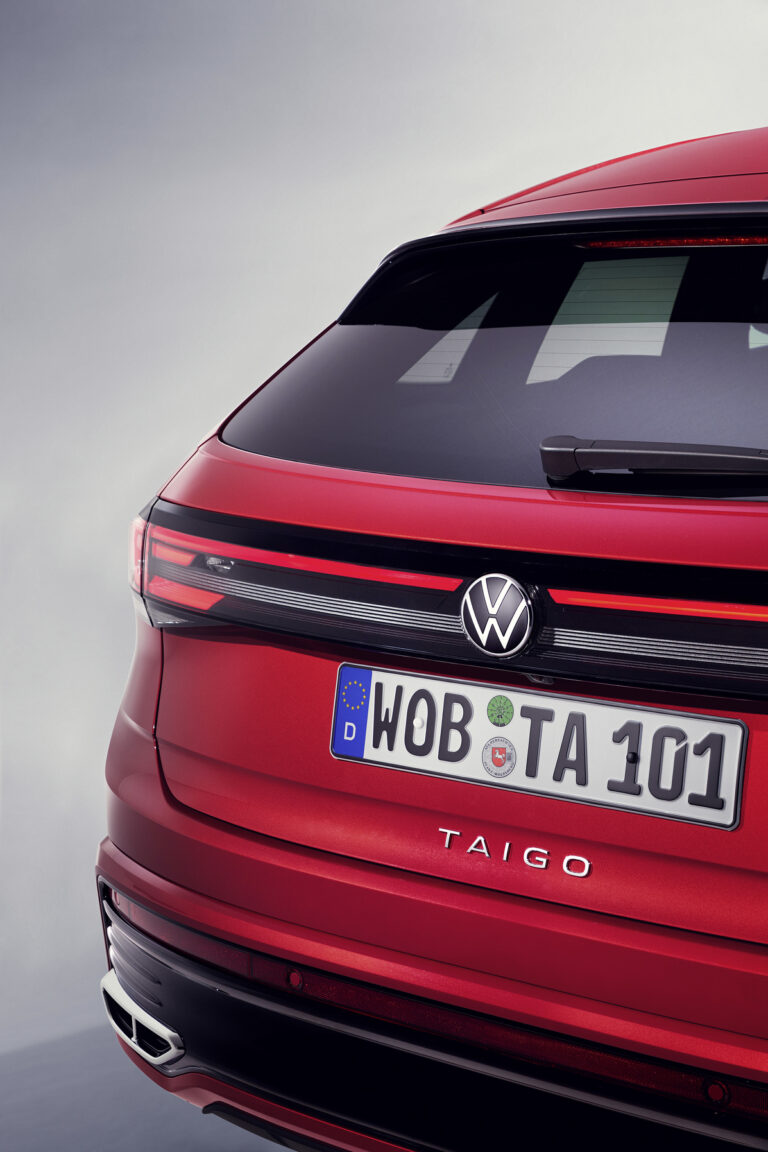
Turbo issues in the Volkswagen Taigo cause sudden loss of power, excessive exhaust smoke and hissing noises while driving. These faults occur mainly in the 1.0 TSI engine and are caused by insufficient lubrication, overheating or clogged air filters. Do you recognise these symptoms? Then it is time to take action.
Why does the Taigo lose power due to turbo problems?
The turbocharger in the VW Taigo operates under extreme conditions. The combination of high pressure and temperatures demands perfect lubrication and cooling. When one of these factors gets out of balance, problems arise. Most owners report car problems between 60,000 and 100,000 kilometres.
Power loss occurs when the turbo can no longer push enough air into the engine. You notice this especially when accelerating or driving under load. The car responds sluggishly and feels weak. This is often due to a seized turbine wheel, damaged bearings or a faulty wastegate actuator that does not regulate the boost pressure properly.
‘ These four factors are most often responsible for faults in the 1.0 TSI engine: ’
Four common causes of turbo failures
Not all turbo problems have the same cause. These four factors are most often responsible for faults in the 1.0 TSI engine:
- Oil contamination or low oil level – Dirty oil or a lack of lubrication damages the turbo bearings. You see this in blue or grey smoke from the exhaust, grinding noises and rising oil consumption.
- Excessive boost pressure – Faulty sensors or incorrect modifications overload the turbo. This leads to sudden loss of power, engine knocking and warning lights on the dashboard.
- Dirt and foreign particles – A broken or clogged air filter lets dirt through to the turbo. These small particles damage the blades and bearings, which leads to mechanical failure.
- Overheating and exhaust leaks – Cracks in the exhaust or a faulty catalytic converter disrupt the flow of hot gases. This causes a burning smell, discolouration of components and loss of power.

Recognisable symptoms of a faulty turbo
Early detection prevents more serious damage. Watch out for these warning signs that point to turbo problems:
With power loss the car responds weakly when pulling away. You especially notice that the engine no longer has any strength when overtaking or towing a trailer. This often points to a seized turbine wheel or worn bearings.
Strange noises from the engine bay are a clear signal. Hissing or whistling sounds when accelerating indicate leaks in the system. Grinding or knocking noises point to mechanical wear in the turbo itself.
Smoke and smell are visible symptoms. Blue or grey exhaust smoke is caused by oil leakage in the turbo. A burning smell points to overheating of components. Both situations require immediate action.
The dashboard also gives signals. An engine warning light, higher fuel consumption or rising oil consumption can all point to a turbo fault. Do not ignore these signs, because small issues can grow into severe engine damage.
How do you test the turbo in the Volkswagen Taigo?
A professional can check the turbo using specific equipment. During a full diagnosis the mechanic measures the boost pressure at different engine speeds. Too low a pressure indicates a leak or a broken wastegate. Too high a pressure points to a faulty control unit.
The actuator of the turbo is tested separately. This important component regulates the boost pressure. A simple test shows whether the actuator moves smoothly and responds to signals from the engine. Replacing a faulty actuator costs between 500 and 800 euros.
Mechanics also check for oil leaks and play in the turbo shaft. Too much play means worn bearings. In that case, rebuilding or replacing the turbo becomes an option. A visual inspection of the turbine wheels shows damage caused by foreign objects or wear.
‘ Preventive maintenance largely avoids these costs. ’
Turbo repair costs for Taigo owners
The cost of repair depends on how severe the damage is. A new turbo for the 1.0 TSI engine costs between 1,500 and 2,500 euros including fitting. This sounds like a lot, but full replacement is sometimes necessary when damage is extensive.
Rebuilding the existing turbo is often a cheaper alternative. In this case the mechanic replaces bearings, seals and damaged components. Costs range between 800 and 1,200 euros. This option works well when the problem is caught early and damage is limited.
Smaller repairs such as replacing the wastegate actuator or fixing leaks in hoses are cheaper. Expect amounts between 300 and 800 euros. Preventive maintenance largely prevents these costs.

Practical maintenance tips to prevent turbo problems
Good maintenance significantly extends the life of the turbo. Follow this advice to avoid problems:
Regularly check the oil level and quality. Use only VW-approved oil and strictly follow the replacement schedules. With intensive use or lots of short trips, check the level weekly. Dirty or low oil is the turbo’s greatest enemy.
Replace the air filter on time. A clogged filter restricts airflow and lets dirt through to the turbo. This causes wear of the blades and bearings. Check the filter at every service and replace it if in doubt.
Let the engine warm up before driving hard. Cold starts followed by immediate high revs put severe stress on the turbo. Drive gently for the first few kilometres until the oil is up to temperature. This protects both engine and turbo.
Use quality fuel to minimise carbon deposits. Cheap fuel with many impurities causes build-up that puts extra load on the turbo. Preferably fill up at reputable filling stations.
Regularly inspect the exhaust and cooling system for leaks. Cracks in exhaust pipes or faulty hoses disrupt the operation of the turbo. Early repairs prevent further damage.
Experiences of Taigo owners with turbo failures
On car forums, owners share their experiences with turbo problems. Many reports come from drivers who suddenly experience loss of power around 70,000 kilometres. In several cases, neglected maintenance turned out to be the cause.
Some owners report success after only replacing the wastegate actuator. This repair cost between 500 and 800 euros and solved the problem without replacing the complete turbo. This works especially well when the issue is spotted early.
Others warn about the importance of the service logbook when buying a used Taigo. Cars without a complete service history often cause trouble later on. When buying second-hand, always check whether all services have been carried out according to schedule.
The DSG transmission (a dual-clutch automatic gearbox) can, according to some owners, put extra load on the turbo when the clutch slips. This occurs mainly with sporty driving. Make sure the transmission is also properly maintained to protect the turbo indirectly.
‘ Preventive maintenance remains the best protection. ’
Why acting early saves money
Ignoring small signs leads to greater damage. A minor oil leak in the turbo can cause total engine failure. The cost then rises from a few hundred euros to several thousand.
At the first symptoms such as strange noises or loss of power, book an appointment with the garage straight away. A diagnosis costs between 50 and 100 euros and gives clarity about how serious the problem is. This investment often prevents far larger expenses.
Preventive maintenance remains the best protection. Thanks to regular checks and correct use, the 1.0 TSI engine with its 85 kW and 200 Nm stays reliable. The average consumption of 5.4 litres per 100 kilometres is then maintained without unnecessary repairs.

Want to know more about your Volkswagen Taigo?
On the Carnews website you will find extensive information about common problems, maintenance tips and practical experiences from other owners. Discover more about the Taigo and other models so you can enjoy your car to the fullest without unpleasant surprises.
Frequently asked questions
The most common causes of turbocharger faults in the VW Taigo are oil contamination or insufficient lubrication, which quickly wear out bearings and blades. In addition, excessive boost pressure (for example due to faulty sensors or tuning) and internal damage from dirt or particles entering via a poorly functioning air filter play a major role. Overheating, often combined with exhaust leaks or issues in the catalytic converter, can also cause the turbo to fail prematurely. These factors lead to complaints such as whistling/hissing noises, loss of power and smoke from the exhaust.
You can recognise early turbo damage in your Taigo by noticeable loss of power, especially when pulling away or overtaking, as if the car “no longer wants to go”. Watch out for new or increasingly loud hissing, whistling or grinding noises from the engine bay as soon as the turbo builds pressure. Blue or greyish smoke from the exhaust, a burning smell or rapidly rising oil or fuel consumption are also warning signs. If an engine warning light comes on at the same time, have the car checked immediately to prevent further turbo damage.
For a faulty turbocharger on a VW Taigo there are roughly three options: repair only the peripheral components (such as the wastegate actuator), have the turbo overhauled, or replace the complete turbo. Replacing just the actuator or smaller parts costs on average around €500–€800. A full overhaul of the turbo is usually cheaper than a new unit and is typically somewhere from several hundred euros up to about €1,000, depending on the damage and labour costs. Fitting a completely new turbo often starts at around €1,500 including labour and can be higher at main dealers.
Have the oil changed on time using VW-approved oil and replace oil and air filters strictly according to the schedule, or more often if you do lots of short trips. After a cold start, let the engine warm up gently and avoid immediately using high revs and heavy loads. After a demanding drive (especially on the motorway or uphill), letting the engine idle calmly for a short while helps avoid heat spikes in the turbo. Regularly check for leaks, unusual noises, loss of power or smoke, and if in doubt have the turbo and exhaust/cooling system preventively inspected by a specialist.
There are reports of turbocharger problems with the Volkswagen Taigo, especially with the 1.0 TSI engine, but there is no large-scale factory defect or official recall specifically for the turbo known. The problems are mainly related to wear from heat, insufficient lubrication and maintenance (oil, filters). Owners report symptoms such as loss of power, hissing/whistling noises and smoke around 60,000–100,000 km. If you are concerned, always check the maintenance history and ask the dealer about any service campaigns for your VIN.
There are fewer aftermarket upgrades specifically for the Taigo turbo; most tuners recommend improving reliability mainly through preventive maintenance (high‑quality VW‑approved oil, frequent oil changes and timely air filter replacement). For mild performance gains and protection, people usually start with a gentle software optimisation (conservative remap) combined with a better intake and exhaust system, as long as the original turbo remains physically unchanged. Some specialists offer strengthened or overhauled turbos (with improved bearings and balancing), but these are mainly worthwhile if the original turbo already shows wear or damage. Always choose upgrades from a VAG specialist tuner with experience of the 1.0 TSI to limit problems with excessive boost pressure and potential warranty issues.