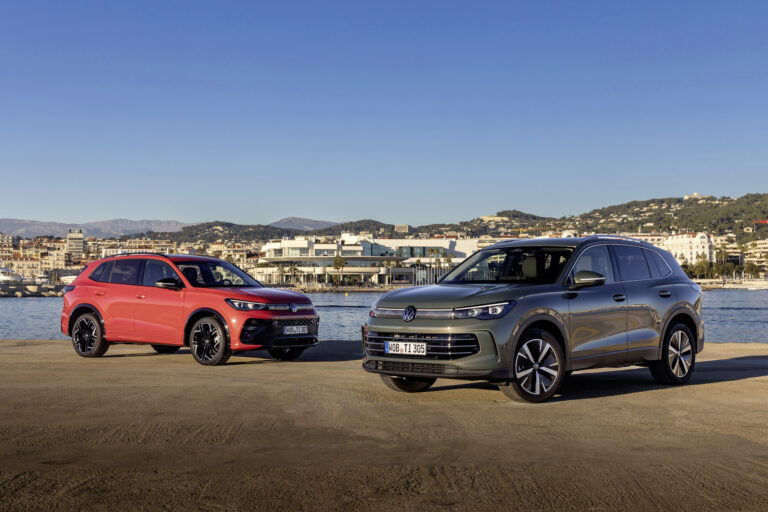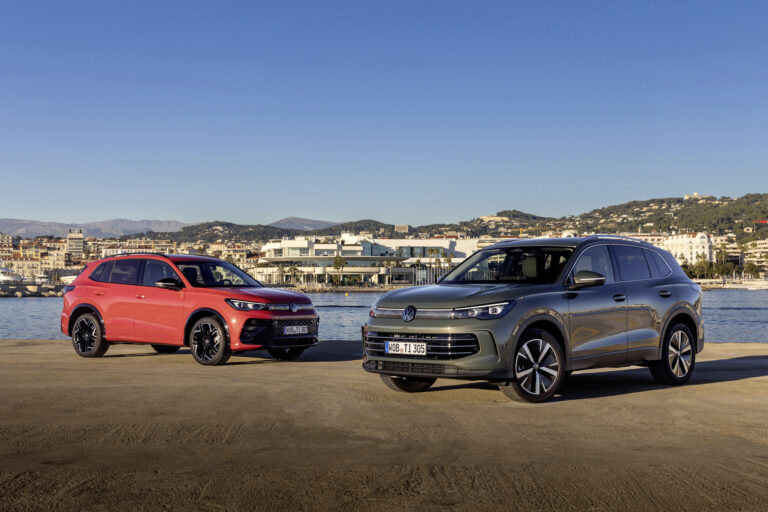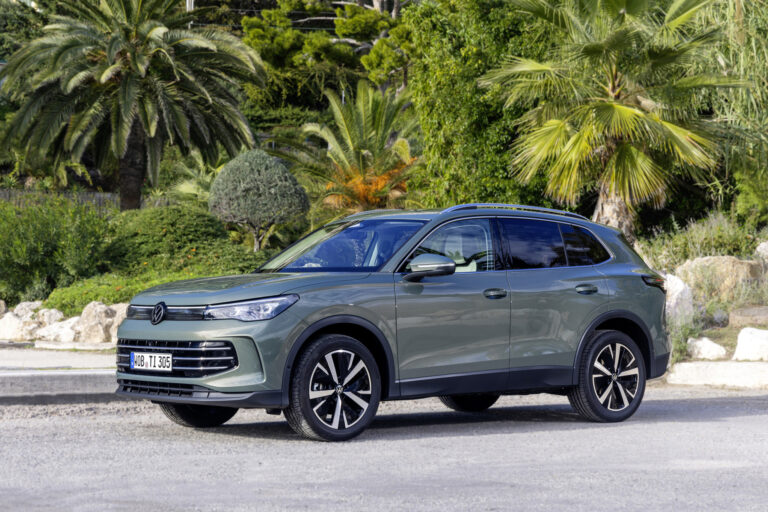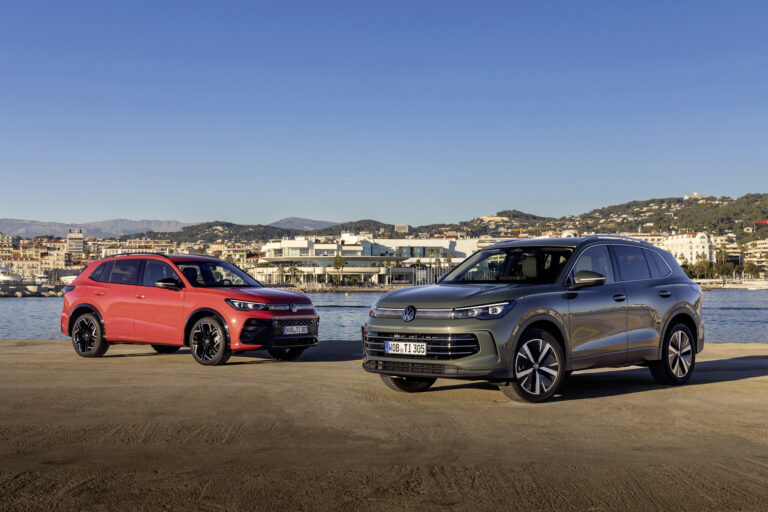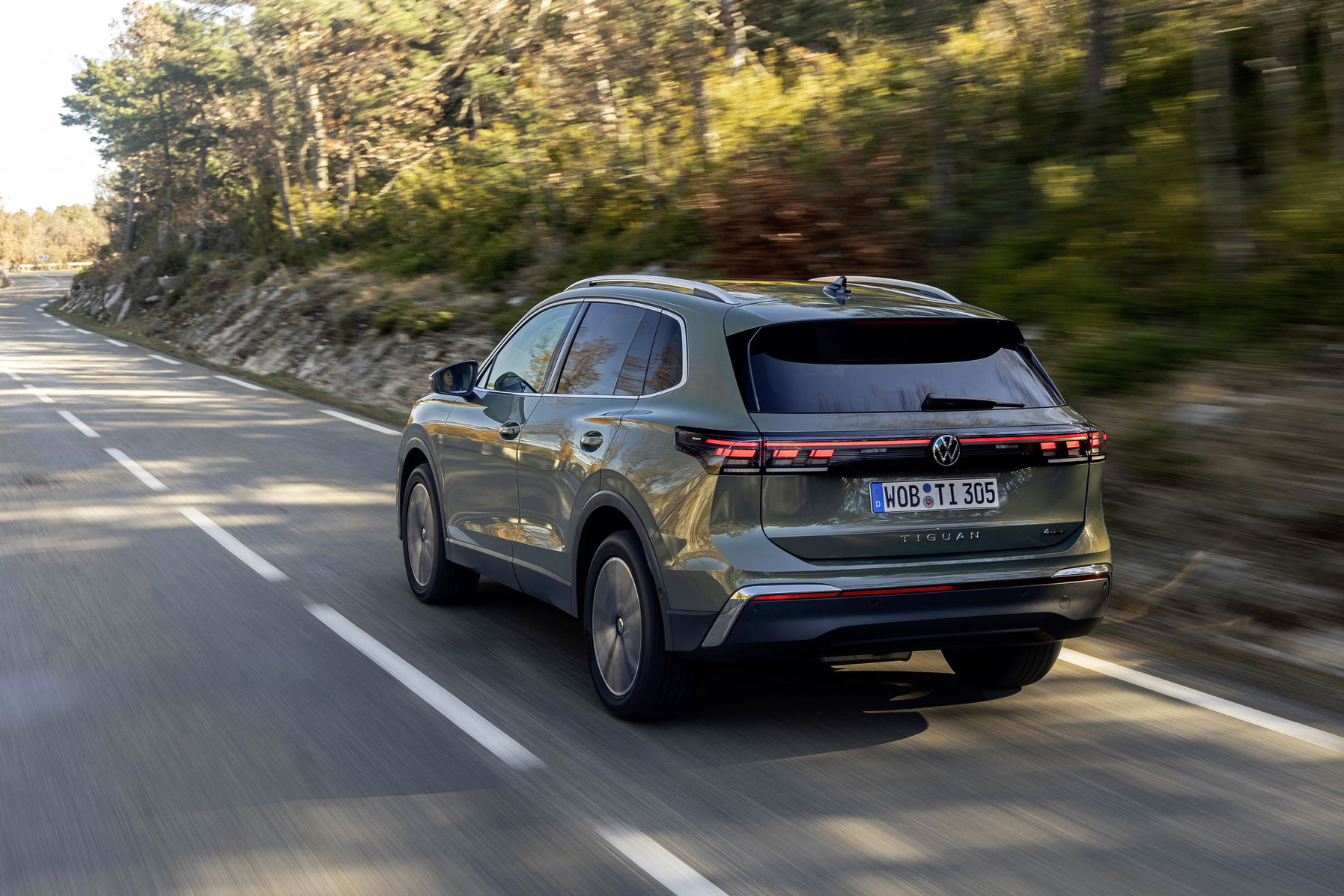
A used Volkswagen Tiguan seems an attractive choice for anyone looking for space and efficiency. Do take care though: especially models from 2018 to now suffer from recurring technical problems. Turbos, infotainment systems and sensors regularly fail, sometimes within just a few weeks of purchase. Know what to look out for before you sign on the dotted line.
Known weak spots on the Tiguan
The Tiguan is known for its spacious interior and good fuel consumption on the motorway, but recent models show annoying defects. Owners report that their cars regularly spend time in the workshop. Dealers do not offer a lasting solution.
Turbo problems on recent models
Several Tiguans from 2025 and 2026 are affected by turbo failures. This sometimes happens within a few weeks of purchase. The engine then switches to limp mode. Replacement parts are sometimes unavailable for months. Some owners describe it as a time bomb under the bonnet.
Infotainment and technology
The infotainment system regularly freezes. CarPlay (the connection between your smartphone and the screen in the car) drops out and the climate control stops responding. On top of that, the sat nav is unreliable. This is not a new problem: earlier VW systems had similar complaints. These issues keep cropping up in newer versions.
Sensors and driver assistance systems
Adaptive cruise control and other sensors show faults. This results in error messages on the dashboard. Cameras and radar sensors then need to be replaced. Even dealers’ courtesy cars have these problems.
Other points to watch
When using 87 octane petrol the engine runs roughly. Use 93 octane for smoother performance. Some models are missing a spare wheel due to weight-saving measures. Check whether there are any outstanding recalls for the model you are looking at.
‘ This is how you minimise the risk of expensive repairs later on. ’
Your checklist for viewing a Tiguan
Never rely on first impressions alone. Request the complete service history from a Volkswagen dealer. Have the car inspected by the ANWB (the Dutch motorists’ association) or a specialist. This is how you minimise the risk of expensive repairs later on.
- Check whether there are any error codes in the system, especially related to the turbo
- Thoroughly test the infotainment: try CarPlay, climate control and navigation during the test drive
- Drive for at least 30 minutes on different types of road to test sensors and driver assistance systems
- Ask about outstanding recalls and any previous turbo repairs
- Check whether there is a spare wheel
- Fill up with premium petrol for the test drive and pay attention to how the engine responds
What do owners say?
Forums and comments show a clear pattern. Buyers of 2025 and 2026 models report that their cars have spent more than two months in the workshop within 61 days of purchase. Turbos fail, even after replacement. The same problems also occur with courtesy cars. This indicates that these are not isolated cases.
Fuel consumption is good, but the technical faults outweigh this advantage. With a purchase price of around 45,000 euros for a new model, it is sensible to negotiate a below‑market price for a used example. Allow for potential repair costs.
Tips for a smart purchase
Only buy a Tiguan with a full service history from a VW dealer. Ask for a warranty on critical components such as the turbo and the infotainment system. Avoid early 2025 and 2026 models until Volkswagen comes up with a structural solution.
Consider alternatives if the seller does not provide clear answers or if the car has already had repairs to the turbo or sensors. Pay close attention to error messages during your test drive and take photos of any warnings on the dashboard.
Are you unsure about the condition of the car? Get an independent inspection. This costs a few hundred euros, but can save you thousands of euros in unexpected repairs. Take your time before deciding and do not allow yourself to be pressured.
Would you like to know which other used SUVs are reliable, or how to tell a worthwhile used car from a risky one? On the Carnews website you will find practical comparisons, up‑to‑date reports on technical problems and detailed buying checklists for each make and model.
Frequently asked questions
With the first‑generation Tiguan (±2007–2016) the main issues are timing chain problems on the TSI engines (rattling on cold start, worn timing chain) and coked‑up injectors, sometimes combined with a jerky DSG automatic gearbox (shuddering, slipping, mechatronic faults). On the second generation (from ±2016) TSI and TDI engines remain prone to soot build‑up in the intake system, EGR/DPF problems and oil consumption, while DSGs can suffer from vibrations, thumps when pulling away and software/mechatronic issues. On the newest models (±2018–present) there are reports of early turbo failure (limp mode, loss of power) and repeated replacements, while transmission complaints show up as harsh shifts, delay on kickdown and sometimes limp mode. For every generation, check the service history for chain, turbo and DSG/automatic repairs and, ideally, have a specialist pre‑purchase inspection carried out.
During a DSG test drive, watch out for juddering or hesitation when pulling away, accelerating and at low speeds; this can point to worn clutches or mechatronics. Check that the gearbox shifts smoothly and quickly in all modes (D, S, manual) without thumps, vibration or slipping, especially in stop‑and‑go and city traffic. Look out for error messages or warning lights (gearbox/ESC) and have the car read out with an OBD diagnostic tool for stored DSG or mechatronic fault codes. Check in the service history whether any previous repairs or software updates have been carried out on the DSG/mechatronics and, if in doubt, have a comprehensive diagnosis done by a VAG specialist mechanic.
The Tiguan does not have notoriously rust‑prone areas like some older VW models, but always check the wheel‑arch edges and sills for stone chips and early rust. Pay attention to the bottoms of the doors and the edge of the tailgate, where dirt and moisture can build up and damage the paint. Also check the mounting points of bumpers and wings for poorly repaired damage (colour mismatch, orange‑peel effect, poor panel gaps), as rust can develop there later. Finally, it is advisable to inspect the underside and suspension mounting points for rust or poor underseal/underbody protection, especially on cars that have often driven on wintry, salted roads.
Watch out for error messages or warning lights for the 4MOTION system, ESP/ABS and drivetrain (for example “AWD/4×4 error”, “ACC not available”). During the test drive there should be no thumps, vibrations or jerks when accelerating, steering or turning tightly on a roundabout or car park. Check that all driver assistance systems (ACC, sensors, cameras) work consistently and do not suddenly cut out or restart. Also look for faults or freezes in the infotainment system, such as freezing, black screens or repeated dropouts of CarPlay/navigation.
Always request the full documented service history (with invoices and stamps) and check whether servicing has been carried out according to the manufacturer’s schedule and preferably by a VW dealer. Have the VIN (chassis number) checked by an authorised VW dealer or via the RDW for outstanding and completed recalls. Compare the dates of services with known problem years or series (such as turbo issues on recent model years) and watch out for repeated repairs to the turbo, infotainment or sensors. Finally, have an independent pre‑purchase inspection carried out (for example by the ANWB or a VAG specialist) to read out fault codes and confirm that all recalls and service campaigns have been completed.