The Direct Shift Gearbox (DSG), the automatic dual‑clutch gearbox in the Volkswagen Touran, is prone to faults that can cause shifting problems or a completely dead transmission. From flashing lights on the dashboard to a car that no longer wants to drive: specialist repair is often necessary. Are you recognising the first signals?
Why the DSG automatic in the Touran is so prone to faults
The DSG transmission combines two clutches and an automated shifting system in one compact unit. This complexity makes the system technically advanced, but also vulnerable. The mechatronic unit – the electronic brain of your gearbox – has to regulate hydraulic pressure and electrical signals perfectly. If this goes wrong, you notice it immediately in the way the car drives. Older Touran models in particular, and variants with the 7‑speed DQ200 (the dry 7‑speed DSG), regularly show problems. In Volkswagen Touran problems the DSG transmission is high on the list of complaints.
‘ A complete replacement will quickly cost you 2,000 euros. ’
The mechatronic unit: an expensive weak spot
The mechatronic unit controls gear changes, clutch actuation and gear selection. When these components fail, you see this in typical symptoms:
- Flashing PRND lights on your dashboard
- The gearbox that suddenly shifts into neutral
- Inability to drive forwards or backwards
- Temporary improvement after cooling down, but recurring problems
Repair of mechatronic components starts from 800 euros. A complete replacement will quickly cost you 2,000 euros. Some specialist garages offer reconditioned units with improved parts that address known weaknesses. That can save you money in the long run.
Transmission oil: often neglected maintenance
Many DSG faults are caused by contaminated transmission oil or too little of it. Volkswagen claimed for years that the oil in the Direct Shift Gearbox would ‘last a lifetime’, but practice shows otherwise. Low oil levels and contamination damage internal components such as electronic solenoid valves (magnetic valves that regulate oil pressure) and the accumulator pump. The accumulator pump ensures the correct hydraulic pressure during gear changes. Without that pressure your Touran will remain stuck in one gear or stop shifting altogether.
Replace the DSG oil every 40,000 kilometres. That prevents a lot of trouble later on and protects more expensive components. The cost of an oil change is nothing compared with the cost of replacing a mechatronic unit.
Reverse selector problem with DQ200 (dry 7‑speed DSG)
The 7‑speed DQ200 (the dry dual‑clutch DSG variant) has a specific defect: the reverse selector fork that fails. This component ensures you can engage reverse and sixth gear. When it fails, you notice it immediately:
- Difficulty selecting reverse
- Problems engaging sixth gear
- Mechanical grinding when attempting to shift
For Touran owners this is more a question of ‘when’ than ‘if’. This applies especially to models built before 2018. The repair costs around 1,000 euros, depending on the specific model and the dealer or garage you choose.
‘ Defective solenoids cause harsh shifting, delayed response when pulling away or complete loss of certain gears. ’
Solenoid valves that give up
Electronic solenoid valves (magnetic valves) control the oil pressure within the transmission. These electromagnetic valves are sensitive to contamination and electrical faults. Dirt in the oil caused by wear on other components attacks the valves. Internal electrical faults also occur. Defective solenoids cause harsh shifting, delayed response when pulling away or complete loss of certain gears. Replacement is technical work that requires specialist knowledge.
Clutch wear on dry DSG variants
The Touran has both wet and dry DSG clutches. The dry variant in particular suffers from excessive wear in heavy stop‑start traffic. Two separate clutches are constantly swapping duties during shifting. When they are worn, hesitation when accelerating or complete loss of drive occurs. Replacing the clutches requires removal of the complete transmission. As a result, labour costs can run to several thousand euros.
Support bearings (bearings in the transmission) that make noise
Support bearings (bearings in the transmission that support rotating parts) can cause noises due to wear. You will then hear:
- A grinding noise while driving
- A whistling sound at certain speeds
- A rumbling noise from the gearbox
Support bearing problems are less common than mechatronic faults, but still require a lot of labour. Costs run up to around 1,000 euros. Do not ignore this noise: further damage can turn out much more expensive.
‘ Further damage only makes repair more expensive. ’
When your Touran automatic stops shifting
Complete failure of the DSG often happens suddenly. You start the car, select D or R, and nothing happens. Possible causes:
- Defective mechatronic unit with no hydraulic pressure
- Completely worn clutch that no longer transmits power
- Electrical fault in the transmission ECU
- Too little transmission oil due to leakage
In these situations your Touran often goes into limp mode, a protection mode with limited functionality: reduced power and sometimes only third gear available. Do not keep driving, but consult a specialist. Further damage only makes repair more expensive.
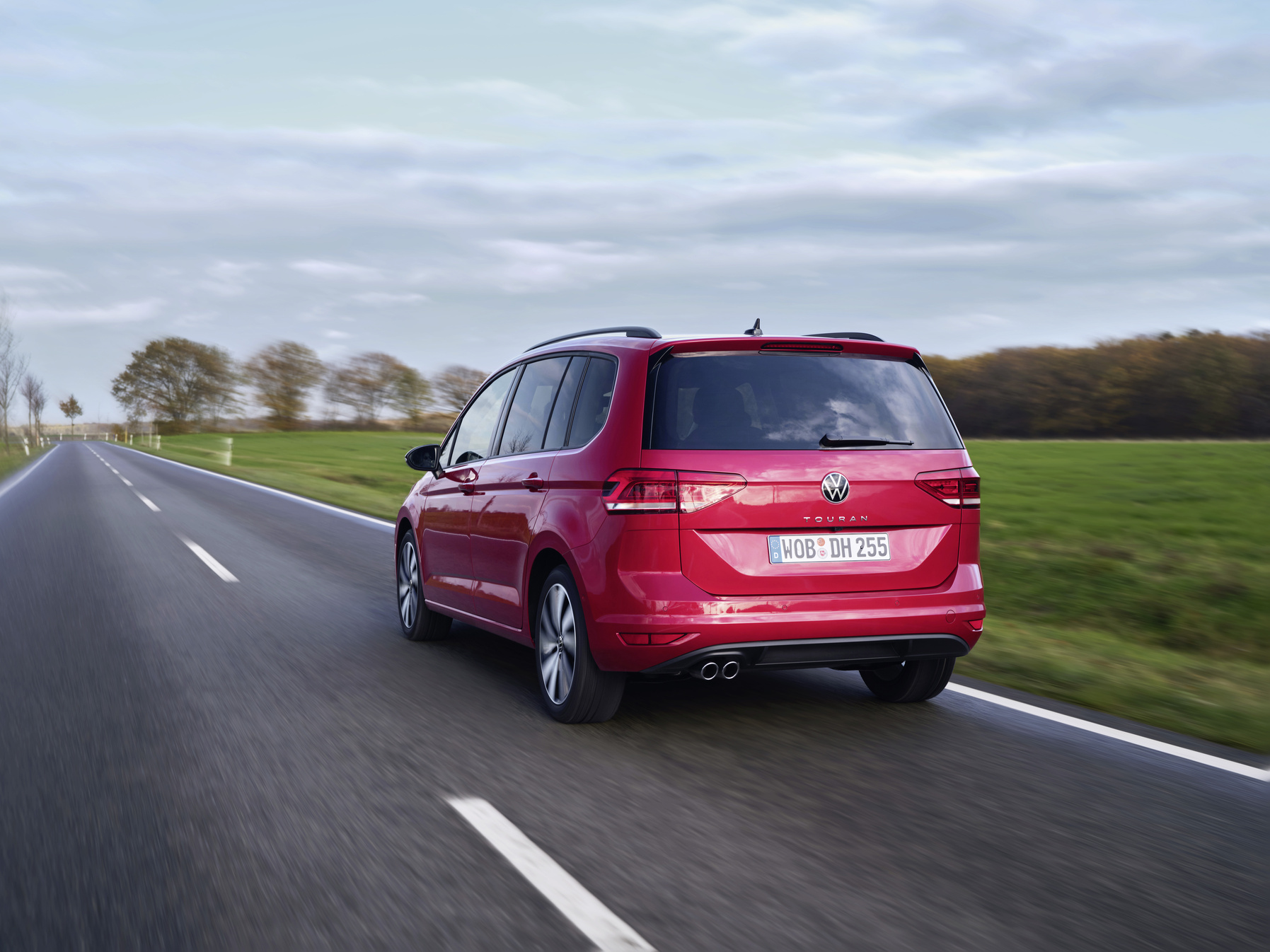
Costs of DSG repair on your Touran
Repair costs vary greatly depending on the fault and the solution chosen. Here is an overview of average prices:
- Mechatronic component repair: from 800 euros
- Complete mechatronic replacement: around 2,000 euros
- Reverse selector repair: around 1,000 euros
- Support bearing replacement: around 1,000 euros
- Complete DSG replacement: between 6,000 and 10,000 euros
Reconditioned parts or used transmissions reduce the costs. Always ask about the warranty on the work carried out. Note: dealer prices are often higher than those of independent specialists.
How to prevent DSG faults
Preventive maintenance largely determines the service life of your DSG. Follow these tips:
- Replace the transmission oil every 40,000 kilometres
- Avoid aggressive acceleration from a standstill
- Where possible, avoid long traffic jams with heavy stop‑start situations
- If having the engine remapped or chipped (adjustment of the engine management software), make sure the transmission is included in the assessment
- Never ignore warning lights: have them checked immediately
Smoother driving significantly extends the service life. Tuned engines with higher torque put extra strain on the transmission. Bear that in mind if you are considering having your Touran chipped.
‘ Do not wait until complete failure: that makes repair much more expensive. ’
Symptoms you must not ignore
Early signs of DSG problems deserve immediate attention. Watch out for these warnings:
- Rough or jerky shifting between gears
- Delay when accelerating from a standstill
- Clicking noises during gear changes
- Warning lights on the dashboard
- The car suddenly shifting into neutral
These signs point to early‑stage problems that, if tackled in time, are often still limited and affordable to repair. Do not wait until complete failure: that makes repair much more expensive.
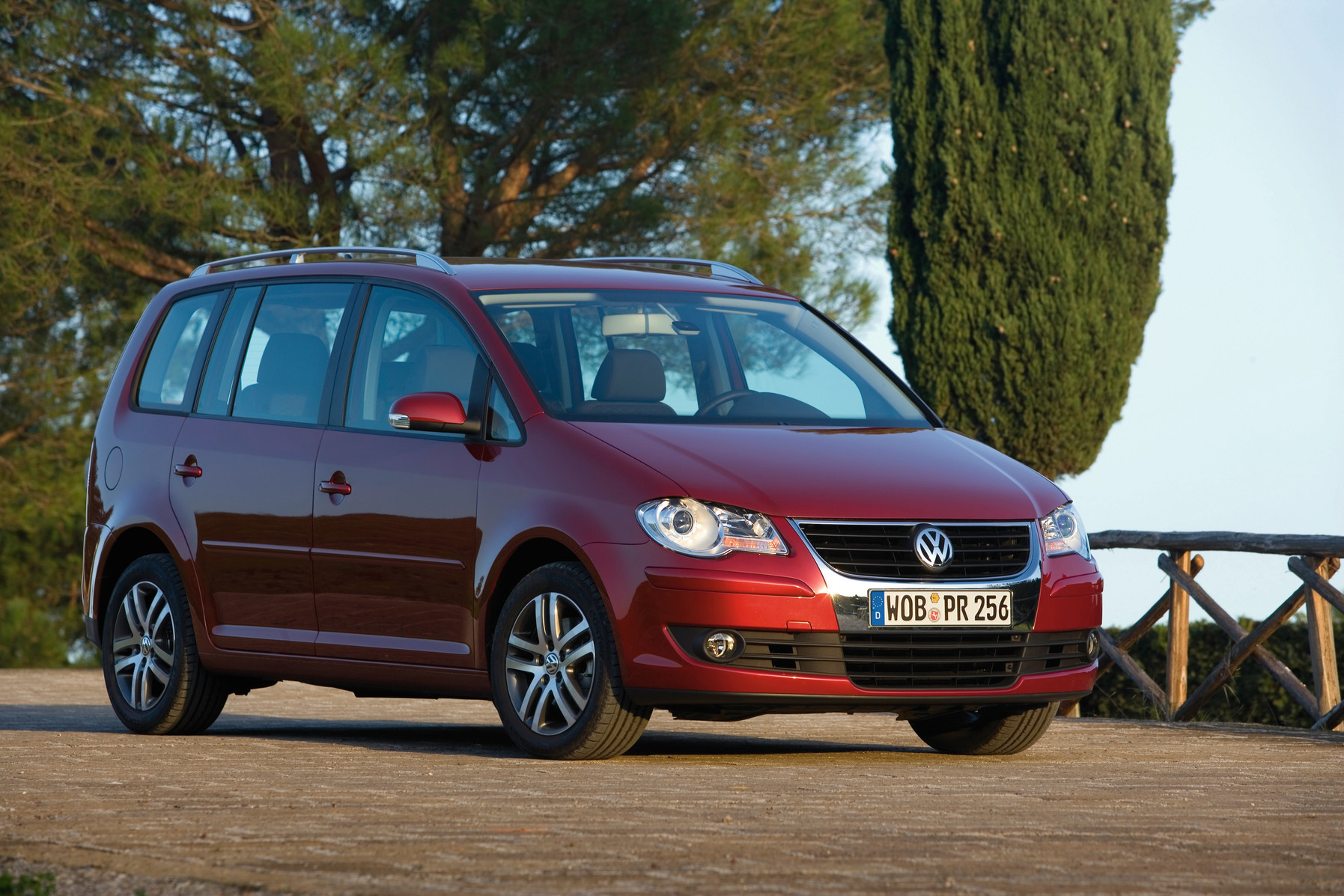
Consulting a specialist for DSG issues
Direct Shift Gearbox (DSG) transmissions require specialist knowledge and equipment. Not every garage has the right diagnostic tools and experience. Look for a company that specialises in Volkswagen automatics or specifically in DSG systems. They have software to read fault codes and can test the mechatronic unit separately. An incorrect diagnosis leads to unnecessary replacements and rising costs.
Always ask about experience with the specific DSG type in your Touran, such as the DQ200 (dry 7‑speed DSG) or the DQ250 (wet 6‑speed DSG). The DQ200 7‑speed (dry dual‑clutch DSG variant) and DQ250 6‑speed (wet DSG variant with oil‑cooled clutches) have different weaknesses and require different repair strategies.
More information about your Volkswagen Touran
DSG problems are just one aspect of maintaining your Touran. On the Carnews website you will find much more information about common complaints, maintenance tips and practical experiences with different model years. Discover what other owners are experiencing and how to keep your car in top condition.
Frequently asked questions
Common problems with the DSG automatic in the VW Touran include defects in the mechatronic unit, worn clutches, solenoid failures, bearing damage and specific faults in the reverse/sixth gear selector (especially in the DQ200). Early symptoms include jerky or rough shifting, delayed response when pulling away, flashing PRND lights or other dashboard warnings. A whistling, grinding or rumbling noise while driving or shifting, and the car suddenly going into neutral or switching to limp mode, are also important warning signs. If you notice these early symptoms, it is wise to have the transmission oil and the DSG checked by a specialist to prevent more serious damage.
Have the DSG transmission oil and filter changed preventively every 40,000 km according to factory specification. Avoid aggressive acceleration, hard braking and prolonged heavy stop‑and‑go traffic to limit thermal load. Respond immediately to early symptoms such as juddering, warning lights or delayed engagement, and have the transmission read by a DSG specialist. Make sure any remapping or power increase is professionally matched to the DSG to prevent overloading of the clutch and mechatronic unit.
Diagnosis of DSG problems on a VW Touran usually costs a few hundred euros, after which targeted repairs such as mechatronic repair (from around €800, complete unit around €2,000) or specific parts such as the reverse selector or bearings (around €1,000) may follow. Full replacement of the DSG gearbox can rise to roughly €6,000–€10,000. Reconditioning or overhauling the mechatronic unit with improved components is often a financially sensible alternative to full replacement, provided it is carried out by a specialist. Timely reconditioning can also prevent consequential damage and therefore higher costs.
Check for a complete service history with documented DSG oil changes every 40,000 km and verify that the car has not been heavily used for towing or extensively tuned. Take a long test drive and pay attention to jerky shifting, hesitation when pulling away, flashing PRND lights, unusual noises and the gearbox dropping into neutral or limp mode. If possible, have the car read with diagnostic equipment for DSG/mechatronic fault codes before purchase. Set money aside or negotiate on the price with known weak points such as the mechatronic unit, clutch and bearings in mind, as these repairs are expensive.
Yes, in particular the 7‑speed dry‑clutch DSG (DQ200) in older Touran models (roughly up to about 2018) is known for more reliability issues, such as mechatronic failures and deteriorating clutches. The 6‑speed wet‑clutch DSG gearboxes (such as the DQ250) are generally considered more robust, provided the oil is changed on time. With the DQ200, problems with the mechatronic unit, solenoids and the reverse/sixth‑gear selector are relatively common. Good and timely maintenance (especially oil and filter changes) significantly reduces the chance of these problems.