Volkswagen Up!: the reliability of this compact city car summed up
The Volkswagen Up! is a compact and economical city car that has remained popular thanks to its practical characteristics and low running costs. Despite its solid image, the model does have a number of specific weak points that are relevant for owners and buyers. A good understanding of these common faults, ranging from engine issues to electronic defects, is crucial for carefree driving pleasure. This article provides a complete overview of all the key points of attention with the Volkswagen Up!.
This car has been a fixture in the A-segment for many years. Its manoeuvrability, efficient engines and surprisingly spacious interior make it popular with a wide audience. However, it is sensible not to focus blindly on the advantages. Knowing about the potential defects helps you to recognise problems at an early stage and avoid expensive repairs. Insight into the most common car problems with Volkswagen prepares you for owning an Up! and helps you ask the right questions when buying a used one.
Engine-related points of attention
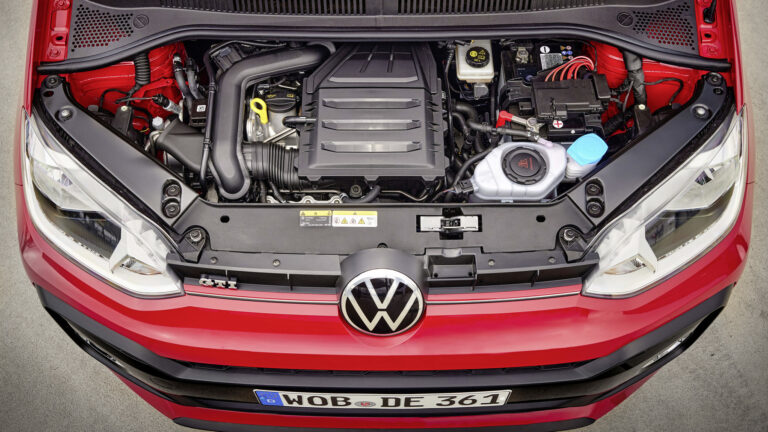
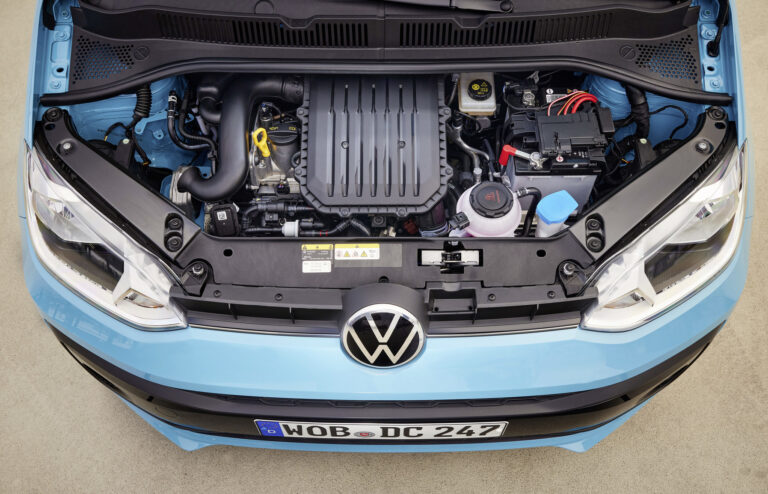
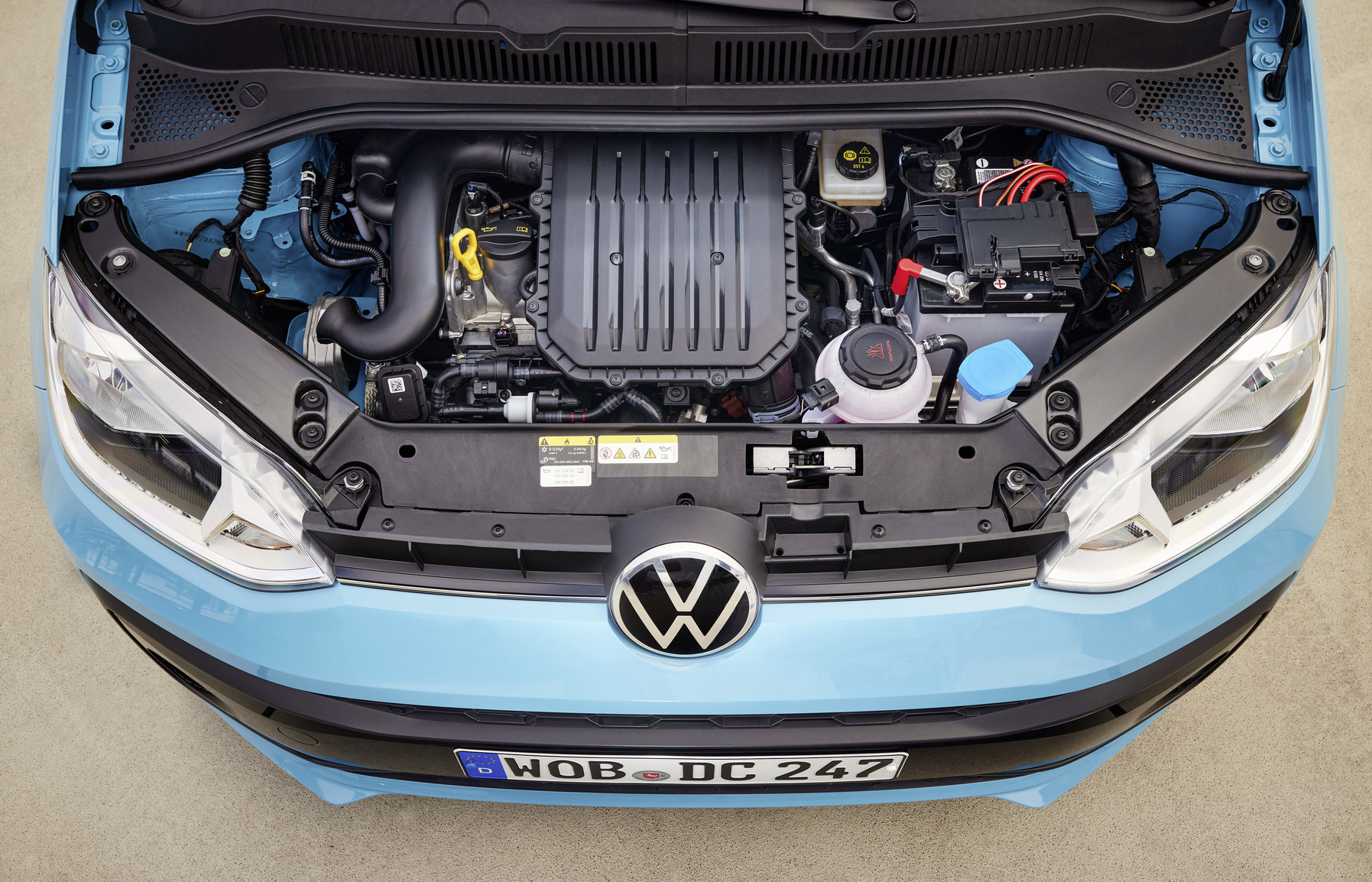
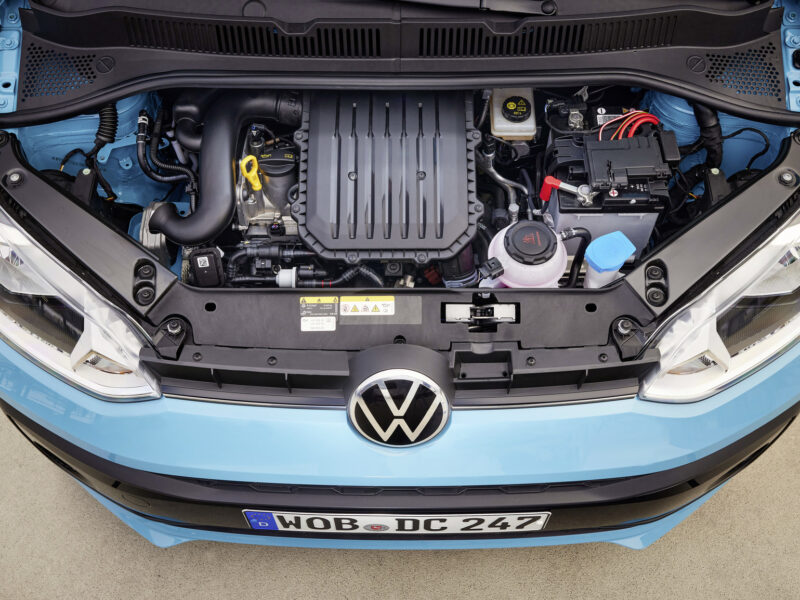
The 1.0 MPI engine, which is found in most Up! models, is known as a reliable power unit. Even so, there are a few things to look out for. A familiar phenomenon at higher mileages is an increase in oil consumption, usually caused by wear on the piston rings. Checking the oil level every few weeks is therefore recommended to prevent engine damage. In addition, in some cases owners report starting problems, which may indicate a weak battery or faults in the ignition coils. Another critical point is the timing belt. Although according to the manufacturer’s specifications it has a long service life, it is sensible to adhere strictly to the replacement interval. A snapped belt will inevitably lead to serious engine damage.
‘ Faults in the control system (the actuator) occur repeatedly and lead to high repair costs. ’
Gearbox points of attention
The Volkswagen Up! was available with both a manual and an automated (ASG) gearbox. The ASG automatic in particular is a source of complaints. This robotised manual gearbox often changes gear slowly and jerkily, which does the driving comfort no favours. Faults in the control system (the actuator) occur repeatedly and lead to high repair costs. With the manual versions, it is important to pay attention to the condition of the clutch. Especially on cars that have done a lot of city driving, it can wear out more quickly. Symptoms of this include a clutch pedal that feels heavy, or difficulty engaging gears. The synchromesh rings, which ensure smooth gear changes, can also wear over time.
Electronic faults
Modern cars are full of electronics, and the Up! is no exception. This also leads to specific faults. One of the most frequently heard complaints concerns the electric window switches, which in some cases refuse to work or work intermittently. The central locking can also play up, with the doors no longer locking or, conversely, unlocking on their own. There are also reports of defective sensors, such as parking sensors or the ABS sensor, which result in warning lights on the dashboard. The infotainment system, especially the ‘Maps + More’ system from earlier model years, can be outdated and may in some cases freeze or lose connection with a smartphone.
Suspension and chassis
The chassis of the Volkswagen Up! is designed for city use, but is not immune to wear. Due to the short wheelbase and the relatively firm suspension set-up, the suspension components have a hard life, especially on poor road surfaces. Pay close attention to any unusual noises during a test drive. Rattling or knocking sounds when driving over speed bumps may indicate worn control arm bushings or stabiliser links. Another point of attention is the shock absorbers and springs, which lose their damping ability after years of use. Worn wheel bearings make a humming or droning noise that increases with speed. Ball joints can also develop play, which affects steering precision.
‘ The interior itself is functional, but the materials used are hard and prone to scratching. ’
Bodywork and interior
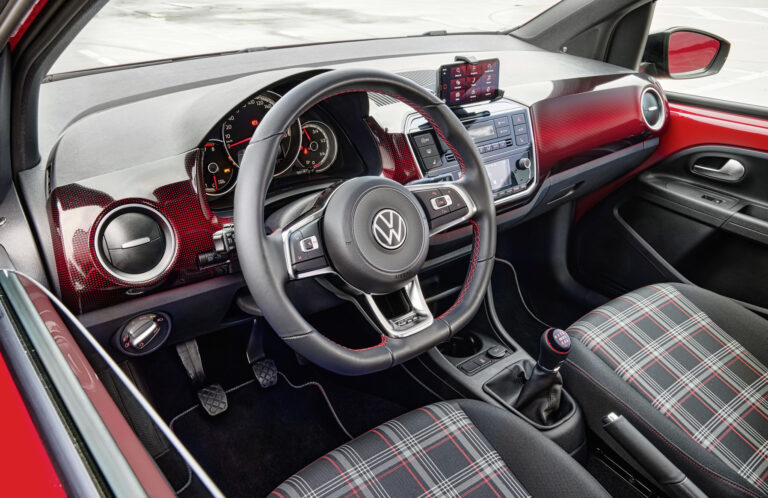
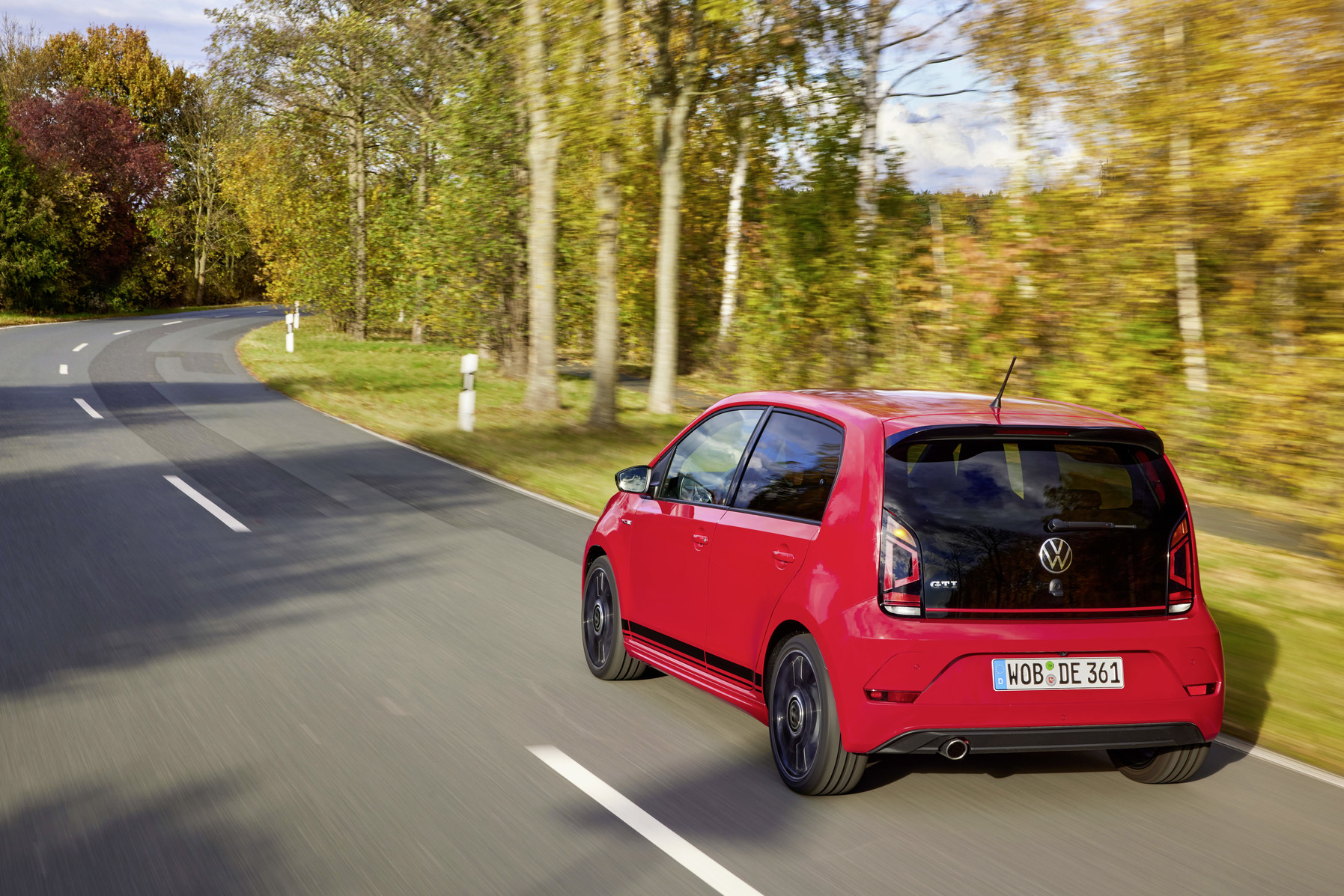
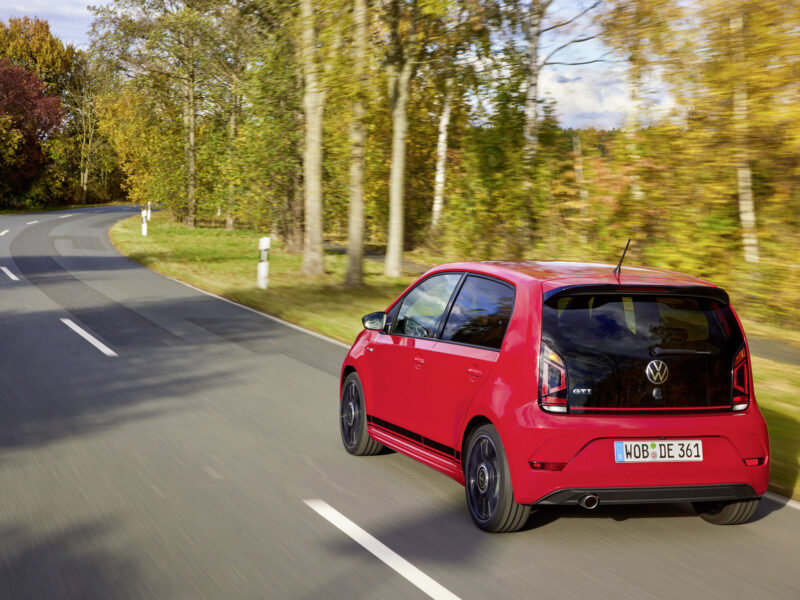
In general, the manufacturer has protected the Up!’s bodywork well against rust. Even so, it is worth inspecting critical areas, such as the edges of the wheel arches, the bottoms of the doors and the sills. A specific issue that occurs more often is water ingress. This is usually caused by dried-out or poorly sealing door rubbers, or a blocked drain near the tailgate. The result is damp carpeting and a musty smell in the interior. The interior itself is functional, but the materials used are hard and prone to scratching. Check for excessive wear on the steering wheel, the gear knob and the upholstery of the driver’s seat, as this may point to an intensive usage history.
General maintenance and prevention
Careful and preventive maintenance prevents or limits many of the faults mentioned. By following the service intervals consistently, you ensure a long service life. Below are some concrete recommendations to keep your Volkswagen Up! in good condition:
- Oil level: Check the oil level at least once a month and top up with oil of the correct specification. This is particularly important for the 1.0 MPI engine.
- Timing belt: Adhere strictly to the replacement interval of the timing belt and water pump. Do not wait until it is too late.
- ASG gearbox: Have the basic settings of the ASG gearbox periodically checked and reset by a specialist. This can improve gearshift quality.
- Battery: Especially with cars that are mainly driven on short trips, it is sensible to have the condition of the battery tested regularly to avoid starting problems.
- Drainage channels: Clean the drainage channels, particularly around the tailgate and under the bonnet, to prevent blockages and leaks.
Points of attention when buying used
Are you about to buy a used Volkswagen Up!? A thorough inspection and a critical test drive can save you from a bad purchase. Take the following checklist with you when you go to view a car:
- Check the service history: Is the service book fully filled in and have services been carried out on time? Ask when the timing belt was last replaced.
- Take an extensive test drive: Do not only drive in town, but also on an open road. Observe the shift behaviour of the (ASG) gearbox, listen for unusual noises from the chassis and test all electronic functions.
- Inspect for leaks: Feel under the mats in the interior and in the boot to make sure everything is dry. A musty smell can indicate a leak.
- Test the electronics: Operate the electric windows several times, check the central locking with the remote control and connect your phone to the infotainment system.
- Listen to the engine: A healthy engine runs smoothly and consistently. Listen out for ticking noises or an irregular idle when starting from cold.
‘ The car offers many practical advantages, but its reliability stands or falls with good maintenance and a critical eye. ’
Recommendations for owners and buyers
The Volkswagen Up! is a smart choice as a compact city car, provided you are aware of the possible points of attention. The car offers many practical advantages, but its reliability stands or falls with good maintenance and a critical eye. For current owners, the message is: be alert to the first signs of wear and do not postpone preventive maintenance. For potential buyers: take your time for an inspection and, if necessary, invest in a pre-purchase inspection. A well-maintained example, in which the known weak points have been addressed, can provide many more years of affordable and pleasant motoring.
Photo copyrights: Volkswagen AG