Regularly checking rubbers, sensors and the cooling system minimises common faults with the Volkswagen Up and keeps your car reliable for longer. With simple checks and timely maintenance you prevent expensive repairs and keep driving without worries. Discover which actions really make the difference.
An annual service prevents problems
An annual minor service or after 15,000 kilometres is the basis for a healthy VW Up. During this service the engine oil and oil filter are replaced and all fluids are checked and topped up. The mechanic inspects the car for early wear and potential faults. This helps your engine run smoothly and prevents small issues from growing into major repairs.
This regular inspection is more than just an oil change. Think of checking:
- Brake fluid and brake pads
- Coolant and cooling system
- Tyre pressure and tread depth
- Operation of sensors and electronics
- Condition of rubbers and seals
By taking this annual check seriously, you pick up on wear at an early stage and save yourself frustration and cost.
‘ Contaminated brake fluid reduces your braking performance and is a direct safety risk. ’
Major service after two years or 30,000 kilometres
During a major service the mechanic looks more closely at vital components. In addition to oil and oil filter, the cabin filter is also replaced, which is important for healthy air in the cabin. The brakes, chassis and suspension are carefully checked for wear. The battery also gets attention, as a weak battery frequently causes starting problems.
The brake fluid is replaced during this service. This may seem unnecessary, but contaminated brake fluid reduces your braking performance and is a direct safety risk. Do not postpone this replacement.
Extended service after four years or 60,000 kilometres
After four years or 60,000 kilometres it is time for a more extensive service. The oil, cabin and air filters are replaced and the spark plugs are renewed. Worn spark plugs lead to poor starting performance and increased fuel consumption. The brake fluid is also refreshed again.
During this service the garage performs a full system check. All electronic systems, sensors and warning lights are tested to ensure everything is operating optimally. This is the moment to detect early problems with the cooling system or electronics before they lead to a breakdown.
Timing belt and water pump after 240,000 kilometres
The timing belt and water pump are components that must be replaced after 240,000 kilometres. A broken timing belt causes severe engine damage and leads to astronomical repair costs. Although 240,000 kilometres seems a lot, it is wise to replace these parts preventively before problems arise.
The water pump is part of the cooling system and ensures the correct temperature of the engine. A defective water pump leads to overheating and damage to internal engine components. Replace both parts at the same time to save labour costs.
‘ Correct tyre pressure contributes to safe handling, better fuel economy and more comfort. ’
Everyday checks you can do yourself
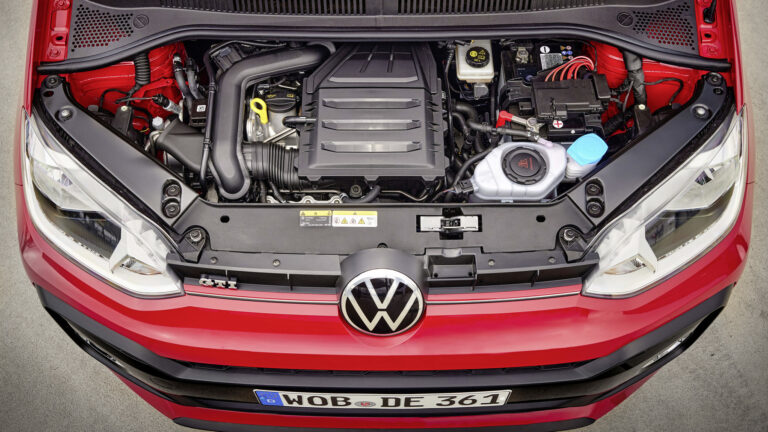
You do not need to go to the garage for everything. You can carry out simple checks yourself and this way you keep control over the condition of your car. Regularly check the oil level by switching off the engine for at least fifteen minutes. Pull the dipstick out by the handle, wipe it clean with a cloth and put it back. Pull it out again and check the level between the minimum and maximum marking.
You can top up windscreen washer fluid by opening the bonnet and finding the reservoir. Unscrew the cap and fill up the fluid to the correct marking. Use seasonal fluid to prevent freezing in winter.
Also check the tyre pressure regularly. Correct tyre pressure contributes to safe handling, better fuel economy and more comfort. You will find the correct pressure on a sticker in the door or in the handbook. Check the pressure when the tyres are cold for an accurate reading.
Why replacing engine oil on time matters
Engine oil is the lifeblood of your engine. Old oil loses its lubricating properties and leaves wear particles behind that cause damage to cylinders, pistons and bearings. Not replacing it on time leads to unnecessary ageing and can result in costly engine repairs or even engine failure.
Some owners think that if they drive few kilometres, they can postpone an oil change. This is only partly true. With lots of short trips or city driving, condensation builds up in the oil more quickly, which reduces its quality. In that case, replace the oil slightly earlier than the service schedule suggests.
Brakes and brake fluid need attention
Well-functioning brakes are lifesaving. Worn brake pads reduce your braking power and increase stopping distances, which creates dangerous situations. Have brake pads and discs checked at every service and replace them as soon as the wear indicator shows this is needed.
Brake fluid absorbs moisture from the air. Contaminated brake fluid boils sooner under heavy braking, which causes air bubbles in the system and dramatically reduces your braking performance. Replace the brake fluid according to the service schedule, even if the fluid level still seems fine.
Signs your brakes need attention
- Squeaking or grinding noises when braking
- Longer stopping distance than normal
- Vibrations in the brake pedal
- Warning light on the dashboard
‘ Rubber hardens over time, even if the tyres have done few kilometres. ’
Replacing tyres at the right time
Good tyres provide safety, driving comfort and fuel efficiency. Replace summer tyres when the tread depth drops below 2 millimetres. For winter tyres this limit is 4 millimetres, because otherwise grip on slippery roads is insufficient. Measure tread depth with a tread depth gauge or use the wear indicators in the tread.
Also pay attention to the age of your tyres. Rubber hardens over time, even if the tyres have done few kilometres. Replace tyres that are older than six years, regardless of tread depth. You will find the production date on the side of the tyre as a four-digit code.
Regularly inspecting the cooling system and rubbers
The cooling system keeps your engine at the right temperature. Regularly check the coolant level in the expansion tank. A falling level indicates a leak or evaporation. If in doubt, have the system pressure-tested by a mechanic to trace any leak points.
Rubbers such as radiator hoses, V-belts and seals become hard and brittle due to age and temperature fluctuations. Visually inspect these parts during every service. Replace rubbers that show cracks before they burst and leave you stranded at the roadside.
Keeping sensors and electronics working properly
Modern cars rely on numerous sensors for engine management, emissions control and safety. A defective sensor leads to warning lights, increased fuel consumption or even engine faults. Always have warning lights read straight away at a garage to prevent small problems from escalating.
The battery is the foundation of all electronics. A weak battery causes starting problems and can disrupt sensors and computer systems. Have the battery tested regularly, especially before winter when the load increases. Replace a battery that is older than five years as a preventive measure.
‘ An engine warning light, oil pressure light or ABS warning indicates problems that can cause damage if you ignore them. ’
Listen to your instrument panel
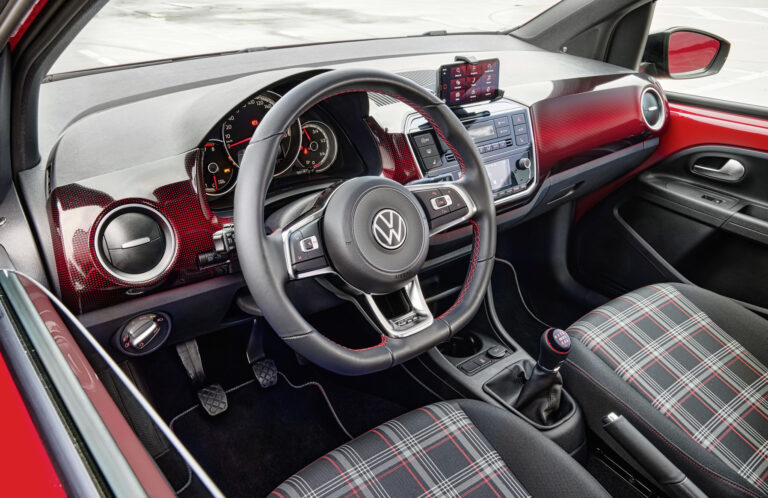
The on-board computer of your VW Up indicates when a service is due based on mileage and time. These are warnings you must take seriously. Book an appointment with your garage as soon as a service message appears.
Other warning lights also deserve immediate attention. An engine warning light, oil pressure light or ABS warning indicates problems that can cause damage if you ignore them. Stop driving when a red warning light appears and have the car inspected.
Preventive maintenance saves money
Saving on maintenance may seem attractive, but leads to much higher costs in the long run. An oil change costing 50 euros prevents engine damage running into thousands of euros. New brake pads costing 150 euros prevent damaged brake discs that cost 400 euros. Acting preventively is always cheaper than reactive repairs.
Neglecting maintenance also affects your car’s resale value. Buyers see an incomplete service history as a red flag and therefore offer less. Full service documentation proves that you have looked after the car carefully and increases the confidence of potential buyers.
Using common sense with service intervals
Service schedules are guidelines, not absolute laws. If you drive only 2,000 kilometres a year, some parts do not need to be replaced every year. At every service, visually check whether parts actually show wear. Spark plugs and filters can often last longer than the schedule suggests if they still look good.
On the other hand, tough driving conditions require earlier maintenance. Lots of short trips, hilly or mountainous routes or towing a trailer put more strain on the engine. In such cases, adjust the service schedule and replace oil and filters a little earlier.
‘ Stay informed and keep your car in top condition by visiting our website regularly. ’
Discover more on Carnews
On the Carnews website you will find much more information about maintaining your Volkswagen Up and other models. Discover detailed articles on common problems, repair tips and comparisons between different car models. Stay informed and keep your car in top condition by visiting our website regularly.
Frequently asked questions
Common problems with a VW Up that you can prevent with regular maintenance include premature engine wear due to old or low oil levels, and poorer braking performance due to worn brake pads or old brake fluid. Irregular tyre maintenance (pressure and tread) can also lead to unsafe handling and higher fuel consumption. Not replacing filters (oil, air and cabin filter) on time can cause loss of power, more wear and less comfort. Finally, you prevent serious engine damage by having the timing belt and water pump replaced according to schedule.
Crucial for preserving engine performance in the VW Up are timely replacement of engine oil and oil filter in line with the (preferably annual) service schedule. In addition, replacing the air filter and spark plugs at the prescribed intervals is important for good combustion and smooth running. Replacing the timing belt and water pump on time (around 240,000 km) prevents serious engine damage. Regularly checking the oil level and taking service messages on the instrument panel seriously are essential for long-term reliability.
Yes, there are several simple DIY maintenance tasks for the VW Up that help prevent problems. Think of regularly checking and topping up windscreen washer fluid and checking the oil level after the engine has been switched off. It is also easy to check and (at the petrol station) adjust tyre pressures yourself, which improves safety and reduces fuel consumption. In addition, regularly visually inspecting tyres, fluid leaks and warnings on the dashboard helps you spot problems at an early stage.
You maximise the lifespan of your brakes by driving defensively: lifting off the throttle in good time instead of braking hard, keeping a sufficient following distance and using engine braking where appropriate. For tyres, gentle acceleration, avoiding aggressive cornering and taking speed bumps/uneven surfaces slowly all help. Check tyre pressure and tread depth every month; correct pressure reduces wear and increases safety. During the (minor or major) service, have the brakes visually inspected so that early wear is dealt with in time.