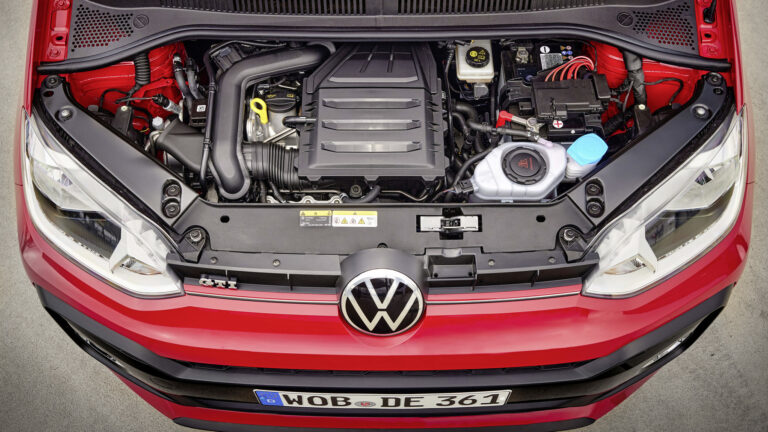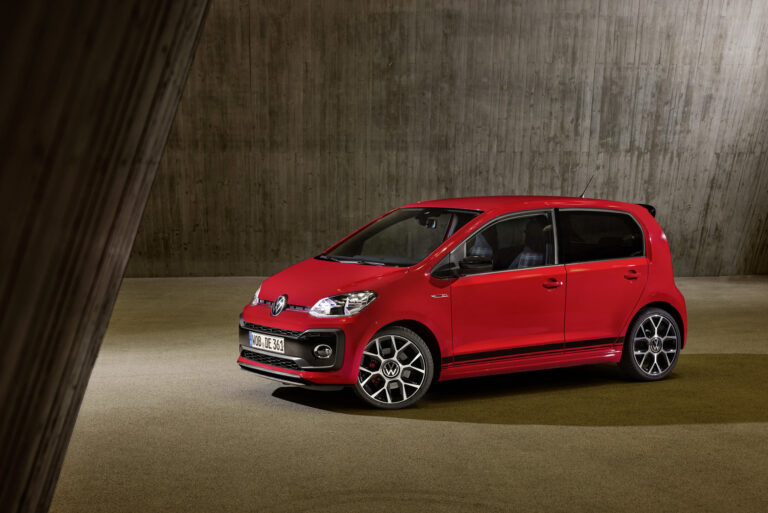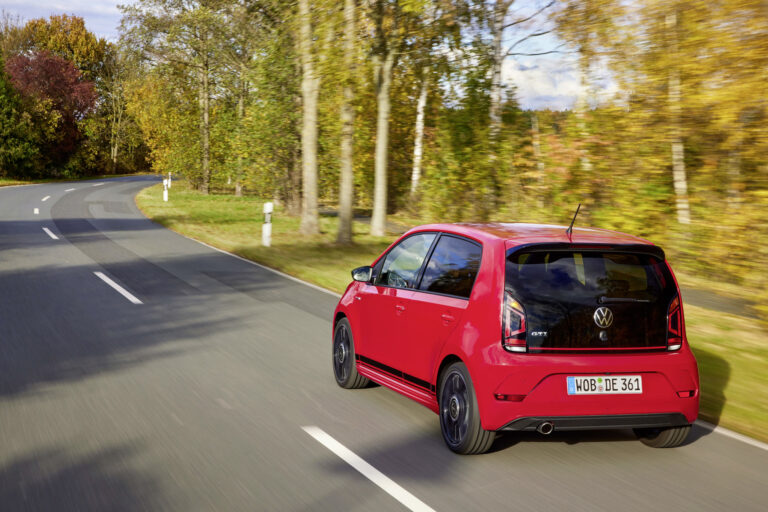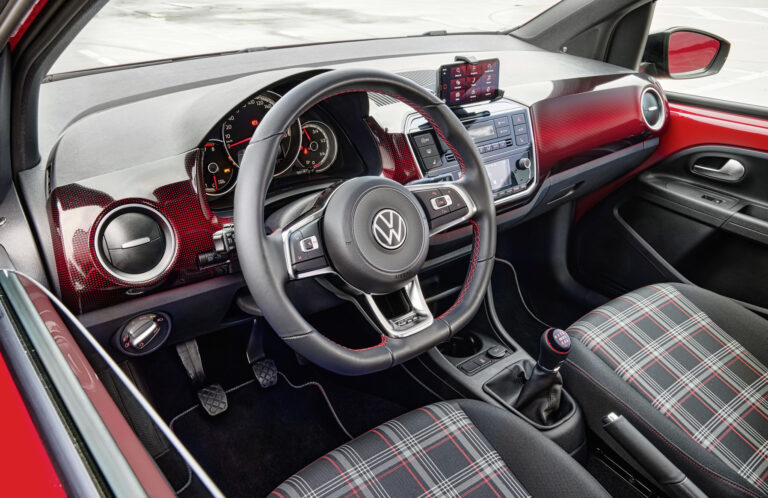
An overheated engine in the Volkswagen Up is a common issue, often caused by water pump leaks, failure of the cooling system or faulty sensors. This can lead to serious engine damage. You can often spot these problems in time, and prevent them with targeted maintenance. Know what to do when the temperature warning light on the dashboard comes on.
Water pump leakage causes overheating
The water pump circulates coolant throughout the entire cooling system. If it fails, the circulation stops and the engine quickly overheats. Water pumps often fail because of worn bearings or a damaged seal. You can recognise a faulty water pump by small leaks under the vehicle. These leaks are usually at the front. Regularly check whether there are puddles of coolant under your car after parking.
Have a faulty water pump replaced by a garage straight away. Do not continue driving with a leaking pump. This will almost certainly lead to overheating and expensive engine damage.
‘ Never top up with ordinary tap water or distilled water. ’
Coolant issues lead to high engine temperatures
Insufficient coolant is a common cause of overheating. Leaks in the cooling system or evaporation of the fluid cause this problem. Check the level in the expansion tank at least once every two weeks. The level must be between the minimum and maximum markings.
Using the wrong coolant also causes problems. Never top up with ordinary tap water or distilled water. Coolant has special properties that water does not have:
- It boils at a higher temperature than water
- It contains additives that prevent rust and corrosion
- It protects the system against frost
- It lubricates moving parts such as the water pump
Always use original or approved coolant. This is suitable for your Volkswagen Up. Replace the coolant every 30,000 kilometres or after two years, whichever comes first.
Clogged radiator reduces cooling capacity
A dirty or damaged radiator quickly increases the temperature. Radiator fins become blocked by dirt, leaves, mud and dust. This restricts airflow and significantly reduces cooling capacity. In older vehicles, corrosion builds up, which reduces the effectiveness of the radiator.
Regularly check the radiator at the front of the car. Remove visible dirt and leaves with a soft brush. For stubborn contamination or damage, cleaning or replacement is required. Have this done by a specialist. The radiator air intake can also become blocked, meaning the coolant is no longer cooled sufficiently.
Faulty thermostat blocks coolant circulation
The thermostat controls the flow of coolant to the engine. This component opens and closes depending on the engine temperature. If the thermostat gets stuck in the closed position, the fluid no longer circulates and the temperature rises rapidly. This is one of the most likely causes of sudden overheating.
You can recognise a faulty thermostat by a rapid rise in temperature while the lower radiator hose remains cold. Replacing the thermostat is relatively simple and prevents serious engine damage.
‘ If this fan does not work, the engine will overheat, especially in stationary traffic or in warm weather. ’
Electric fan must switch on in time
The electric radiator fan switches on automatically when the engine temperature rises. If this fan does not work, the engine will overheat, especially in stationary traffic or in warm weather. Possible causes include a faulty fan motor, defective relays or malfunctioning sensors. These faults prevent the fan from being activated.
Test the fan. Start the engine and warm it up. The fan should switch on as soon as the engine reaches its normal operating temperature, around 90 degrees Celsius. If you do not hear the fan running, have it checked immediately.
Leaking or clogged hoses restrict flow
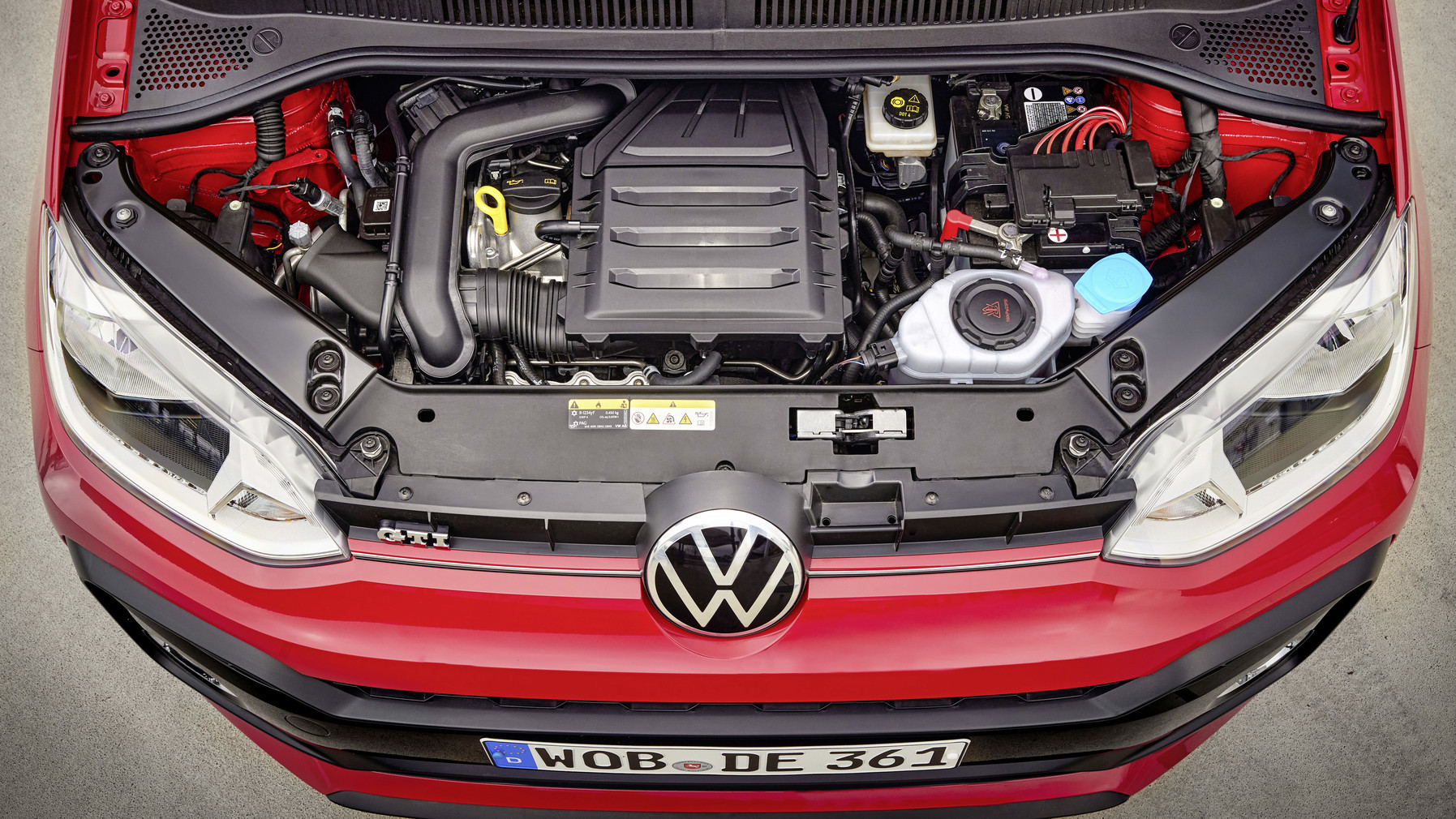
Radiator hoses carry coolant between the engine, radiator and expansion tank. Clogged hoses restrict the circulation of coolant through the engine, causing the temperature to rise. These hoses can crack or leak, often due to age and wear.
Inspect radiator hoses regularly for cracks, leaks and discolouration, at least once a month. Replace hoses that feel soft or have bulges. Also replace hoses with visible damage. This prevents them from failing completely while driving.
Air pockets in the cooling system disrupt cooling
Air pockets in the cooling system cause serious overheating problems. Air transfers heat less effectively than coolant, leading to local overheating. Air pockets can form after topping up coolant and also after repairs to the cooling system.
The heater in the car does not work properly or not at all. This is a hint that you have air pockets, even though the engine is warm. Removing air pockets requires a special filling procedure. This process removes all air from the system and is a job for a specialist with the right equipment.
‘ “This causes severe burns.” ’
What to do if your engine overheats
The temperature warning light comes on. The temperature gauge moves into the red zone. Act immediately if this happens. Pull over safely to the side of the road and switch off the engine. This prevents further damage to the engine. Do not open the bonnet straight away. Both the engine and the coolant are extremely hot.
Wait at least 15 to 30 minutes before looking under the bonnet. The cooling system is under high pressure. Opening the radiator hose or expansion tank immediately after overheating is dangerous. This causes severe burns. After the engine has cooled down, check the coolant level and look for visible leaks.
Top up coolant if necessary. Only start the engine once it has cooled down sufficiently. If there are no visible leaks, drive carefully to the nearest garage. If there are leaks, you will need to have the car towed. Towing is also necessary in the case of repeated overheating.
Preventive maintenance avoids most problems
Regular maintenance prevents most overheating problems. Check the coolant level at least once every two weeks and top up if it is below the minimum mark. Replace the coolant according to the manufacturer’s service schedule.
Clean the radiator fins regularly with a soft brush to remove dirt and leaves. Inspect the radiator hoses for damage and replace them if in doubt. Test the fan. Warm the engine up and check whether the fan switches on. These simple checks prevent many problems and costly repairs.
Professional diagnosis for persistent problems
Some checks can be carried out at home, such as checking the coolant level and the condition of the radiator hoses. However, many overheating problems require professional diagnostics. You can test the thermostat at home: remove it, immerse it in hot water and it should open if it is working properly.
Electronic sensors, relays and complex leaks usually require special tools and diagnostic equipment. Garages can diagnose what is wrong with the cooling system. This typically takes about one to two hours. Do not wait too long before seeking professional help. Overheating causes serious engine damage, which is far more expensive than timely repair.
On the Carnews website you will find much more information about maintenance, as well as information about common problems. Discover more articles that will help you with the maintenance of your car.
Frequently asked questions
Pull over safely as soon as possible, switch off the engine and let it cool down for at least 15–30 minutes. In the meantime do not open the bonnet and never undo the radiator or coolant cap straight away, to avoid the risk of burns. After cooling, check the coolant level and look for visible leaks, but only top up if the engine has clearly cooled down. In the event of persistent or repeated overheating, contact a garage as soon as possible for a professional diagnosis to prevent engine damage.
The most common causes of overheating in the Volkswagen Up! are a low coolant level, the wrong type of coolant, leaking or clogged radiator hoses and a dirty or damaged radiator. A stuck thermostat, failing water pump or inoperative electric radiator fan are also common. You can recognise overheating by a rapidly rising temperature gauge, warning lights, loss of coolant under the car and sometimes loss of interior heating (air in the system). If the engine overheats, stop safely straight away, switch off the engine and let the system cool down before checking anything under the bonnet.
Prevent overheating by regularly checking the coolant level, replacing it on time (every 2 years or 30,000 km) and always using the correct coolant prescribed by the manufacturer. Keep the radiator and air intake free from dirt and have hoses, radiator and water pump regularly checked for leaks and blockages. Check that the cooling fan switches on properly when the engine warms up and have a faulty thermostat or sensor replaced immediately. If in doubt, have a garage pressure-test and bleed the entire cooling system to prevent air pockets.
Overheating can cause the cylinder head to warp, blow the head gasket, lead to internal engine damage and, in extreme cases, cause the engine to seize. Warning signs include a rapidly rising temperature gauge, a red or flashing temperature/coolant warning light on the dashboard and boiling or escaping steam from under the bonnet. You might also notice loss of engine power, a smoking exhaust and a strong smell of coolant. Sometimes the interior heating no longer works properly, which also indicates problems in the cooling system.
In the Volkswagen Up!, particular points of attention are leaks or a low coolant level, clogged or porous hoses and dirty or damaged radiators. Pay extra attention to a poorly functioning thermostat or water pump, as these are often the cause of sudden overheating. Also check that the electric cooling fan switches on in time, because faults in the fan, relay or temperature sensor do occur. Regularly replacing coolant, visually inspecting hoses and radiator and testing the fan’s operation helps prevent many problems.