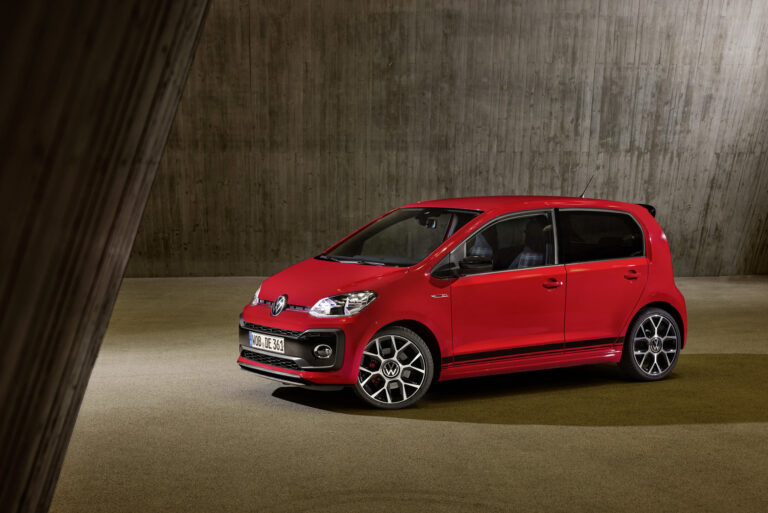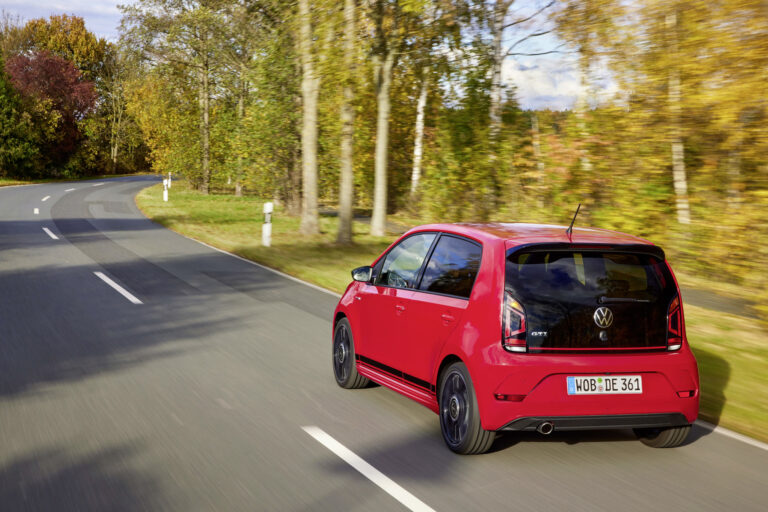
Poorly fitting door seals on the Volkswagen Up! cause annoying wind noise on the motorway, which significantly reduces driving comfort. This problem occurs regularly with this model and can often be fixed by a targeted check and replacement of the seals. Find out how you can tackle this irritating sound.
Why does the Volkswagen Up! sound so loud on the motorway
The Volkswagen Up! is a compact city car that performs very well around town, but on the motorway it often sounds much louder. Many owners report that from around 80 kilometres per hour they hear a distinct whistling or whooshing sound. This noise is caused by air forcing its way in along the doors.
The main cause lies with the door seals. These rubber strips are designed to seal the gap between the door and the bodywork. On the Volkswagen Up! these rubbers can dry out, shrink or come loose over time. This creates small gaps through which the wind can whistle.
Even on newer models it happens that the rubbers do not fit perfectly from the factory. The compact construction of the car and the thin body panels amplify the effect. The result is a constant rushing noise that is especially tiring on longer journeys.
Common causes of wind noise at the doors
There are several factors that contribute to wind noise in the Volkswagen Up!. By identifying these, you can look for a solution in a more targeted way.
- Worn door rubbers due to age, sun or frost
- Poorly adjusted doors that do not close properly
- Loose or damaged rubber strips around the window
- Missing or shifted sealing rubbers at the A‑pillar
- Shrinkage of rubbers due to temperature fluctuations
Door seals are particularly prone to wear on older examples or cars that are often parked outside. This problem occurs on both the driver’s and passenger’s doors. In some cases the rear doors also produce noise.
How to check whether the door rubbers are defective
You can carry out a quick check yourself to determine whether the seals are the culprit. Open the door and look at the black rubber strip that runs around the door opening. Feel with your fingers whether the rubber still feels supple or has become hard and brittle.
Look out for cracks, loose sections or spots where the rubber no longer sits properly. Then close the door and gently try to feel with your hand whether air is flowing along the door seam. Do this by holding your flat hand along the edge while someone else gently pushes against the door.
Another method is the paper test. Take a sheet of paper and close it between the door and the frame. Gently pull on the paper. If it slides out easily without resistance, the door is not sealing properly. Repeat this at different heights along the door to find weak spots.
Practical solutions for wind noise problems
Once you have established that the door rubbers are the cause, there are several ways to solve the problem. The most effective approach depends on the condition of the rubbers and your budget.
Replacing the door rubbers
The most durable solution is to replace the seals. This can be done at a Volkswagen dealer or a specialist garage. New rubbers usually cost between 30 and 60 euros per door, excluding labour. Fitting them is not complicated and generally takes between half an hour and an hour.
You can also replace the rubbers yourself if you are used to doing basic jobs on your car. Order the correct parts from a Volkswagen dealer or a reputable online supplier. Make sure you use the right part number for your model year. Carefully pull off the old seal and press the new one into place. Make sure the rubber sits fully in the groove without any folds.
Maintenance and treatment of existing rubbers
If the rubbers are still in reasonably good condition, you can treat them with a special rubber restorer or glycerine. These products make the rubber supple again and partially restore the seal. First clean the rubbers thoroughly with water and soap to remove dirt.
Then apply the treatment product with a cloth and allow it to soak in. Repeat this a few times a year, especially before and after winter. This prevents further drying out and extends the life of the rubbers.
Adjusting the doors
Sometimes the problem does not lie with the rubbers themselves, but with the alignment of the door. If the door does not sit perfectly in the frame when closed, gaps appear. A garage can adjust the hinges so that the door fits better. This is a relatively simple procedure that often gives instant results.
‘ “Even if you can’t achieve any improvement yourself or have no experience with this kind of job, seeking professional help is advisable.” ’
When you should go to a garage
If the wind noise continues after replacing or treating the rubbers, another problem may be at play. The bodywork may be slightly distorted or there may be issues with the locking mechanism. In that case it is wise to have the car checked at a professional garage.
Even if you cannot achieve any improvement yourself or have no experience with this type of job, professional help is recommended. A mechanic can quickly diagnose the problem and suggest the right solution. Many owners find that a combination of new rubbers and proper adjustment makes all the difference.
Preventing future wind noise
After solving the problem, it is sensible to carry out regular maintenance on the door rubbers. Clean them at least twice a year and treat them with a suitable product. After a car wash, check whether the rubbers are still properly in place and have not shifted.
Where possible, park the car in the shade or in a garage to limit direct exposure to sun and extreme temperatures. This significantly slows down the ageing process of the rubbers. Also pay attention when closing the doors: push them closed rather than slamming them, as this prevents unnecessary stress on the seals.
Extra tips for a quieter drive
In addition to tackling the door rubbers, there are other measures that help reduce wind noise. Check the window rubbers and the seal around the windscreen. These too can start leaking and causing noise over time.
Make sure the exterior mirrors are firmly attached and do not vibrate at higher speeds. Loose parts can contribute to wind noise. Some owners choose to install extra sound insulation in the doors. This not only reduces wind noise, but also traffic noise and sounds from the road surface.
On the Carnews website you will find much more information on common problems with different car brands and practical maintenance tips. Whether you are dealing with technical issues, looking for maintenance advice or want to know more about specific models, there is always an article that will help you further. Discover more useful tips and experiences from other car enthusiasts.
Frequently asked questions
The wind noise in a Volkswagen Up! is mainly caused by the relatively upright, compact body shape, the design and sealing of windows and doors, and the simple aerodynamics of the mirrors and roofline. On many cars, the fit and ageing of rubbers around doors and windows also plays a role, allowing more air to flow and whistle along these seams. The noise usually becomes especially noticeable at speeds from around 100–120 km/h, particularly on motorways with crosswinds or when overtaking lorries. Roof racks, open ventilation vents or windows that are not fully closed can also noticeably increase wind noise.
Many Up! drivers stick extra rubber or draught‑excluder strips in the door openings and around the window rubbers; this can noticeably reduce wind noise, but does not always eliminate it completely. Gently adjusting or raising the door rubbers and striker plates slightly (so that the door pulls shut more tightly) is also often mentioned as a DIY solution with reasonable results. Some people fill open gaps at the exterior mirrors or A‑pillar with foam or tape, which can locally reduce the whistling sound. In general, these solutions are partially effective: the noise usually decreases, but rarely disappears entirely, and the result varies from car to car.
For the Volkswagen Up! there are no official factory “upgrades” (such as different window rubbers) available specifically to combat wind noise. Some drivers have universal draught strips or extra door rubbers fitted, which can reduce the noise to some extent, but the effect varies depending on the car and the quality of installation. In addition, noise can sometimes be reduced by very precisely adjusting doors and windows at a dealer or specialised garage. Special additional body or interior insulation (retro‑fitted) can also help, but usually only provides a limited reduction in noise.
Professional repairs of wind noise on a Volkswagen Up! usually cost between about €150 and €600, depending on the cause (door rubbers, window adjustment, mirror caps or structural modifications). For persistent or structural problems this can rise to around €800 if several parts and labour hours are required. The investment is generally worthwhile if you drive a lot of motorway kilometres and find the noise disturbing or tiring. For mild wind noise or limited driving distances, the costs often weigh less heavily against the gain in comfort.