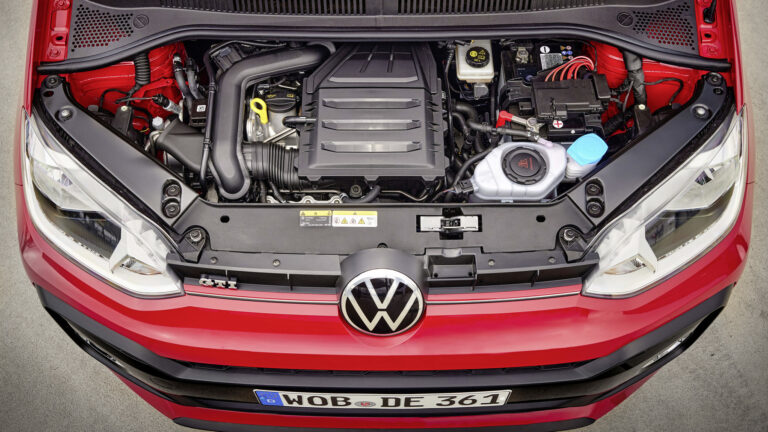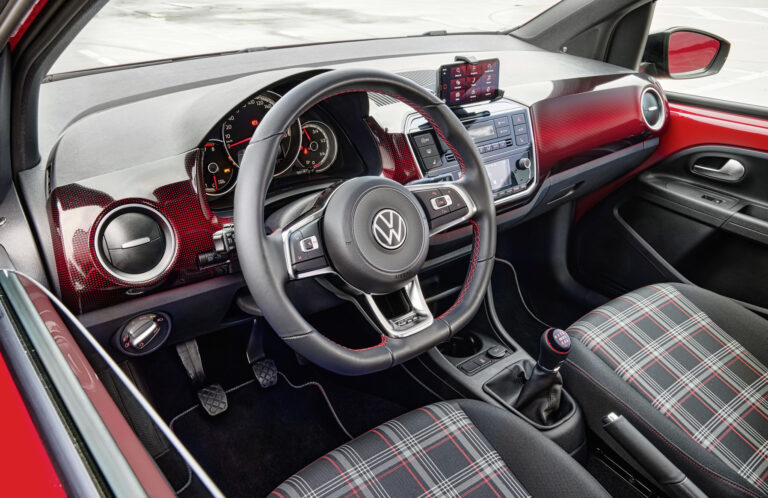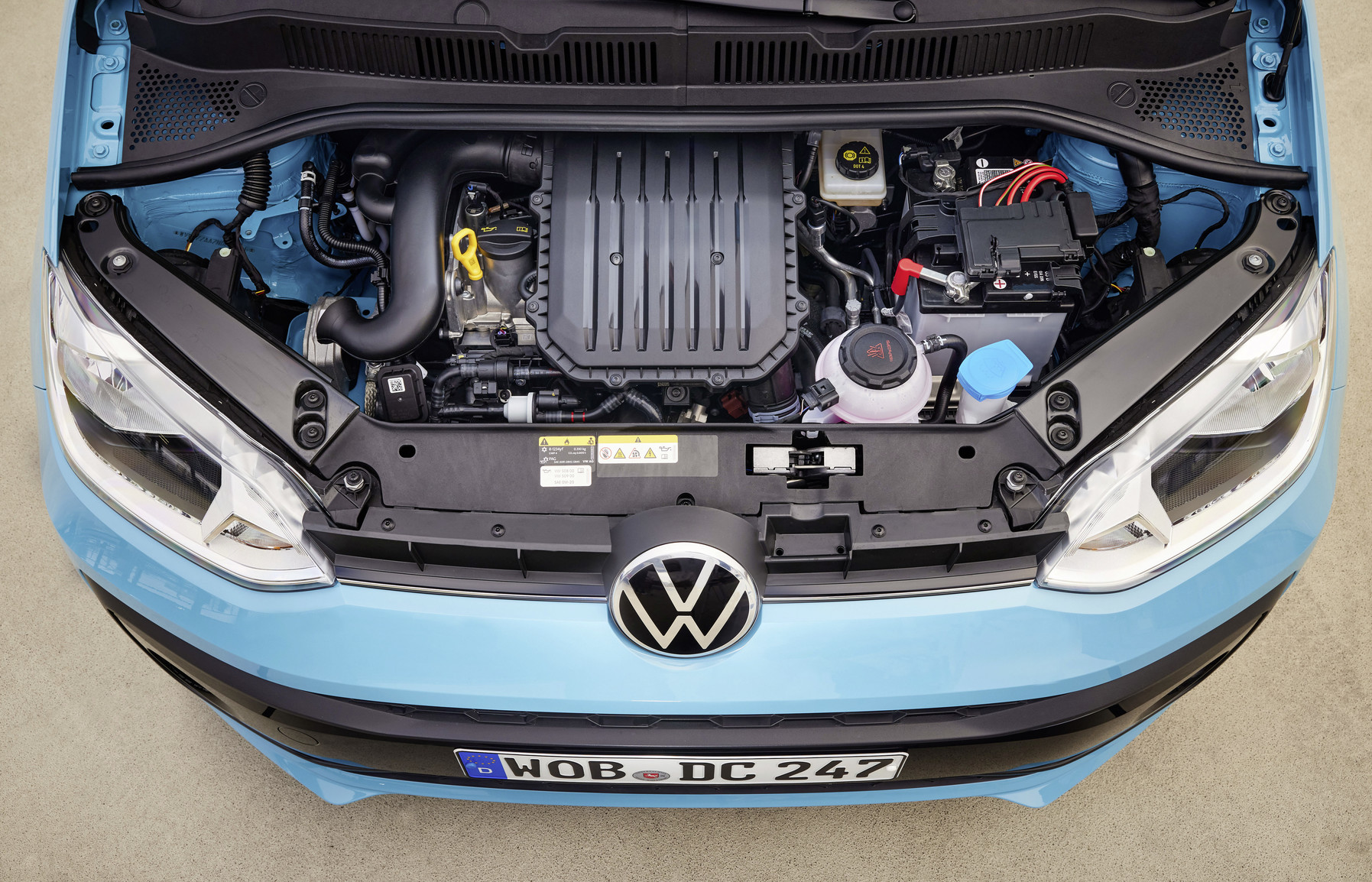
Power steering problems in the Volkswagen Up! are common and require immediate inspection by a mechanic to ensure safe operation. This compact model’s electric power steering is susceptible to malfunctions, ranging from faulty fuses to failure of the electric power steering module (EPS module). You’ll often recognise these problems by warning lights, heavy steering, or strange noises. The causes are diverse, but the risks are clear: do not ignore the signals.
Electric system makes the Up! vulnerable
The Volkswagen Up! (from 2011) does not have hydraulic power steering. Instead, the model is equipped with electric power steering (EPS). This system saves space and lowers maintenance costs but makes the car susceptible to typical electrical issues. The EPS module can fail due to overload. In addition, sensors can malfunction, and wiring can become damaged. When problems occur, error messages appear on multiple modules, even outside the steering column.
The electric nature has consequences. Older cars with hydraulic systems often show gradual problems. An electric system, on the other hand, can fail completely and suddenly. This makes timely inspection even more important.
‘ Sometimes it’s simple problems, sometimes costly defects in the power steering unit (EPS unit) itself. ’
Why does the power steering malfunction in the Volkswagen Up!?
The causes are diverse. Sometimes it’s simple problems, sometimes costly defects in the power steering unit (EPS unit) itself. The most common problems are:
- Blown SB4 fuse in the fuse box
- Defective EPS module due to overload
- Loose or damaged wiring to the steering column
- Failing angle sensor in the steering column
- Wear to the steering rack after 100,000 kilometres
- Low battery voltage temporarily disabling the system
Some owners report that problems primarily occur during a cold start. This often indicates a battery that no longer provides sufficient voltage. Other Up! drivers experience intermittent failure: the power steering works, then cuts out, and then returns. This suggests wiring or a sensor losing contact.
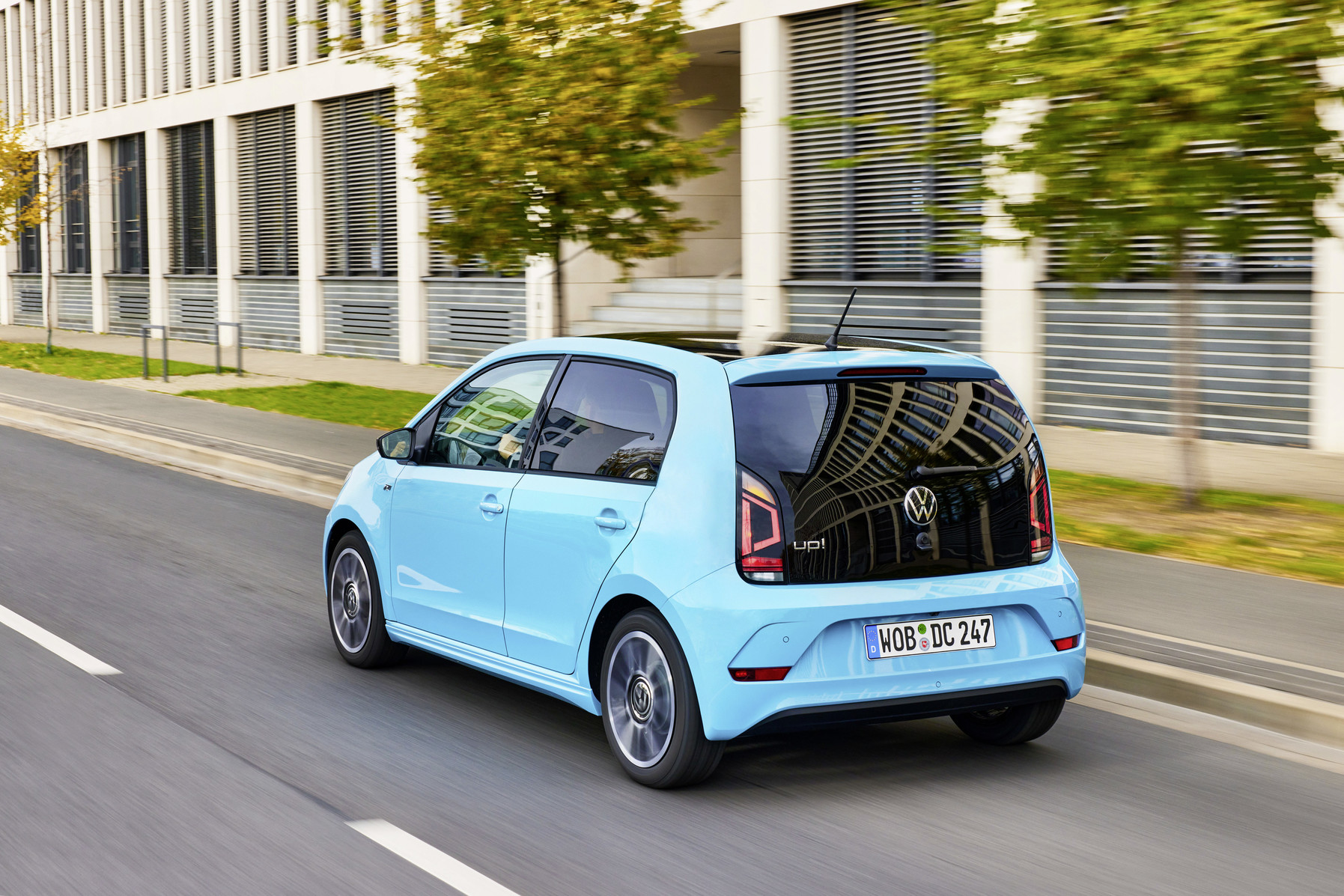
How do you recognise a defective power steering system?
Symptoms vary, but several signs frequently recur. Pay attention to the following:
- ‘Power Steering Fault’ warning light on the dashboard
- Heavy steering, especially at low speeds or when stationary
- Squealing or clunking noises while steering
- Error code P0606 during an OBD-II diagnosis
- Power steering that temporarily cuts out and returns
If you notice one or more of these signs, have the car checked quickly. Heavy steering can be dangerous, especially in emergency situations where you need to manoeuvre rapidly.
What can you check yourself?
Before you go to the garage, check a few things yourself. First, check if the EPS light appears when starting. Then, measure the voltage on the SB4 fuse with a multimeter. It should be equal to the battery voltage, often around 12 volts. If there’s no voltage, the fuse is probably blown.
Also, listen for strange noises when steering at low speeds. Squeaking sounds can indicate a worn pump or rack, although the Up! doesn’t have a traditional pump. Clunking noises often come from worn rubber bushes or internal damage to the steering rack.
Keep the battery healthy. A weak battery regularly causes EPS errors because the system draws a lot of power. Replace the battery in good time, especially if you notice the car struggling to start.
‘ The power steering module (EPS module) itself is costly. ’
What does power steering problem repair cost?
The costs depend heavily on the cause. Replacing a blown fuse costs a few pounds. Repairing wiring or replacing a sensor can run into several hundred pounds, depending on the garage’s labour rate.
The power steering module (EPS module) itself is costly. A new unit can easily cost over £1,000. A reconditioned module is a cheaper alternative and costs around £300. Note: the module often needs to be programmed at Volkswagen using diagnostic software. This means additional labour costs.
Wear to the steering rack requires replacement of the complete component. This can amount to £550 to £800 including labour. For older models with over 100,000 kilometres, this is not unusual.
Prevention helps to avoid greater damage
You can’t avoid all problems, but preventative maintenance helps. Have the car regularly scanned with an OBD-II diagnostic tool (On-Board Diagnostics) or VCDS scanner (Volkswagen diagnostic tool). This will show early fault codes that you might otherwise only notice when the system fails.
Avoid extremely cold weather without pre-heating. Cold weather puts extra strain on the battery and the EPS system, especially during short journeys. Ensure the battery is in good condition and replace it at the first signs of weakness.
Do not ignore warning lights. Do not continue driving with an active EPS light. The power steering can fail completely at any moment, which is dangerous in traffic.
Want to know more about maintenance and repair tips for your car? On the Carnews website, you’ll find extensive information about common malfunctions, maintenance tips, and experiences from other car enthusiasts. Discover more and stay informed.
Frequently Asked Questions
The most common causes are electrical malfunctions in the EPS module (defective motor/ECU) and power supply problems, such as a blown fuse (often SB4) or poor contacts. Furthermore, wear or internal damage to the steering rack is common, especially at higher mileages. Defective angle sensors or cable breaks in the wiring can also cause power steering faults and warning lights. A weak or faulty battery can also cause the electric power steering to fail or malfunction.
You can recognise early power steering problems by a heavier or jerky steering feel, especially at low speeds or while parking. Look out for an illuminated EPS/power steering warning light on the dashboard, especially if it appears and disappears occasionally. Strange noises when steering (squeaking, clunking, or grinding) can indicate wear in the steering rack or the EPS motor. Intermittent complaints during a cold start or with a weak battery are also a signal to have the power steering system checked.
On average, the costs for resolving power steering problems in the Volkswagen Up! range between approximately £100–£250 for simple issues like fuses, wiring, and the battery, and £300–£700 if the electric power steering module or related components need to be reconditioned or replaced. Repair options range from checking/replacing fuses (such as SB4) and earth or power supply cables, to resetting/coding the EPS with diagnostic equipment. For mechanical wear (steering rack), costs can increase further, especially if a complete steering rack needs to be replaced. Many garages offer reconditioned EPS units as a cheaper alternative to a new original unit.
There are no large-scale, globally known official recalls specifically for the Volkswagen Up!’s power steering system, but there are many reports of malfunctions in the electric power steering (EPS). Common weak points include a defective fuse (such as SB4), problems within the EPS module itself, and wiring or sensor malfunctions leading to sudden failure or error messages. Wear to the steering rack can also cause heavy steering or clunking noises at higher mileages. Therefore, if problems arise, it is common practice to first check fuses, power supply, and wiring before replacing more expensive components.
Keep the battery in good condition (sufficient voltage, replace in good time) so that the electric power steering does not become overloaded. During maintenance, have fuses and earth connections in the engine bay checked for corrosion, looseness, or blown fuses (such as the SB4 fuse). Avoid prolonged full steering lock when stationary to prevent unnecessary strain on the steering rack and pay attention to unusual noises or warnings on the dashboard. At the first signs (heavy steering, EPS light, fault codes), have a diagnosis performed immediately to prevent greater damage.