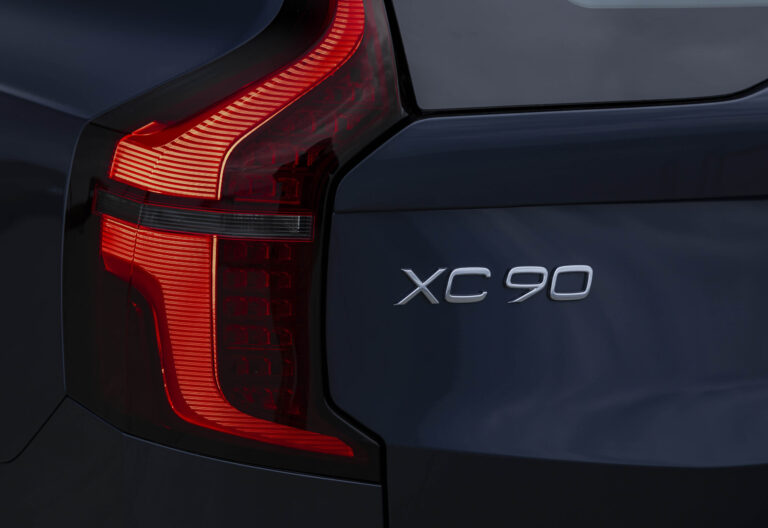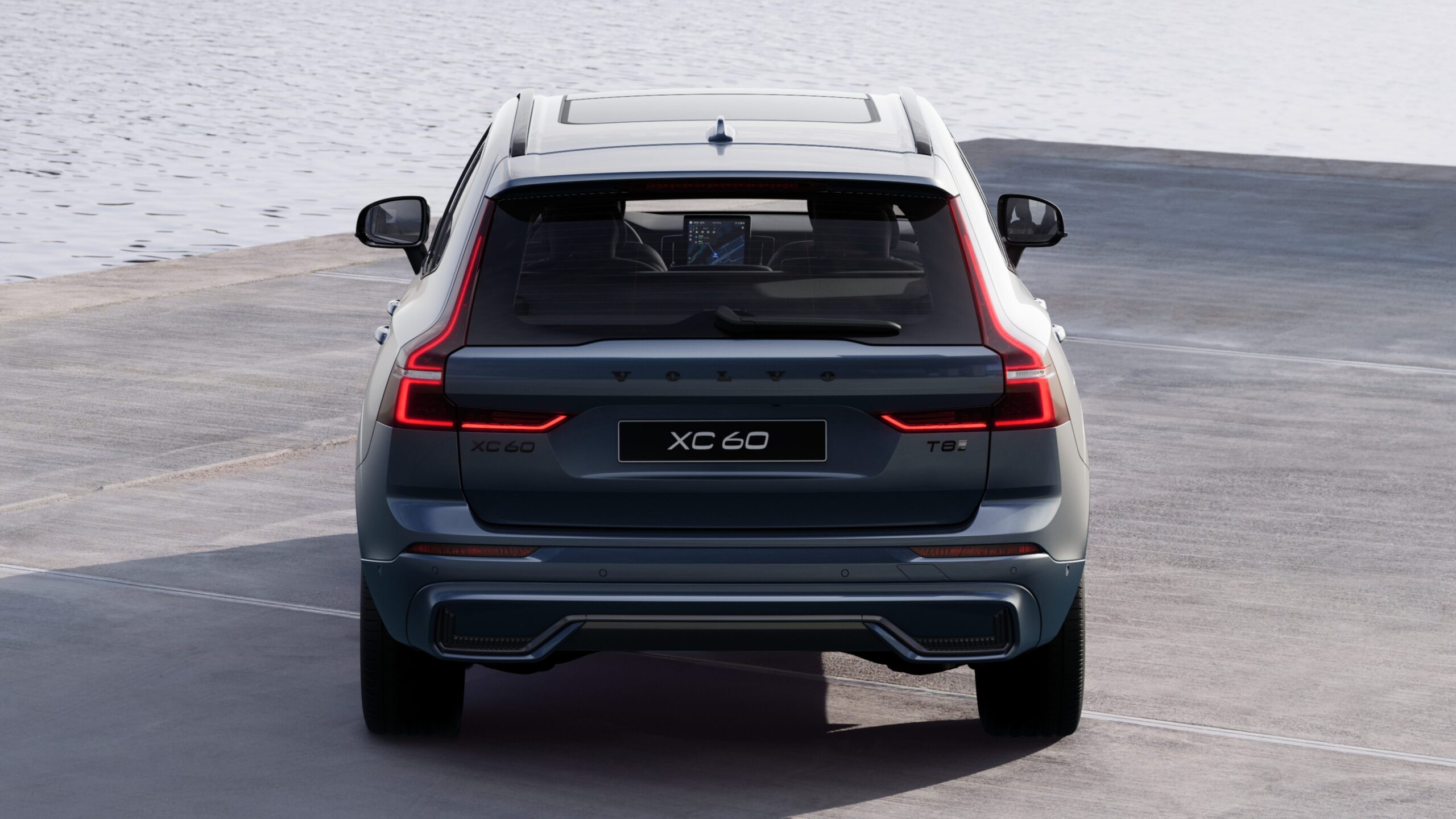
Car problems with Volvo: common issues per model and what you can do about them
Volvos are known for safety and solidity, but they score an average 3.5 out of 5 on reliability. That puts the brand in 17th place out of 32 car makes. Annual repair costs are around 769 euros, with on average half a workshop visit per year and a 9% chance of serious faults. That means: more maintenance than average, but less often really major problems. Want to know what to look out for with your Volvo and how to avoid expensive repairs? Read on.
Volvo and reliability: how reliable is a Volvo really?
Volvo built its reputation on safety and solid construction. Even so, the figures show that Volvos score average in terms of reliability. With a score of 3.5 out of 5, the brand lags slightly behind the most reliable makes on the market. Annual maintenance and repair costs average 769 euros. That is slightly higher than the market average, but owners need to go to the garage less often each year: about 0.5 times.
The chance of a serious fault is around 9%. That chance is higher than with some competitors, but many Volvo problems can be prevented with regular maintenance. Check the oil level weekly and keep an eye on the cooling system. Many common issues only escalate if they are ignored for too long. Proactive maintenance significantly extends the life of your Volvo. This is evident from the experiences of owners who drive their cars well beyond 200,000 kilometres.
‘ This leads to the engine overheating, which can cause serious damage. ’
General weak points in Volvo models
Several Volvo models share certain weak points. These issues occur across multiple model years and types. That is why it is useful to know these general patterns, regardless of which model you drive or are considering.
Excessive oil consumption
Many Volvos consume more oil than expected. The XC60 and V70 in particular are known for this. Some cars use a litre of oil per 1,200 kilometres. That sounds like a lot, but dealers consider up to two litres per 10,000 kilometres acceptable. Owners see this differently: topping up regularly is needed to prevent engine damage. The problem often lies in the piston sealing or the design of the engine itself.
Transmission problems
Older Volvos with automatic gearboxes can develop shifting problems. Symptoms include hesitant or rough shifting; sometimes the gearbox stops shifting altogether. The 2001 V70 and 2005 XC90 are notorious for these issues. Newer models from around 2015 onwards are improved, but even here software updates may be needed. During a test drive, check whether the automatic shifts smoothly and listen for unusual noises.
Cooling problems
The cooling system is a sensitive point in many Volvo models. Cooling fans can fail due to a build-up of dirt, faulty sensors or electrical faults. This leads to the engine overheating, which can cause serious damage. Watch out for a rising engine temperature while driving. Clean the radiator regularly and check the coolant. Simple preventive measures help enormously here.
Electrical faults
Modern Volvos are packed with electronics. Audio, climate control, infotainment and various sensors can develop faults. This occurs particularly in models such as the XC60 and XC90. Problems range from audio systems cutting out to warning messages on the dashboard that do not match any real defect. Sometimes a software update solves the problem, but in other cases faulty modules or poor connections are the cause. Have the car checked at the dealer if you see frequent warnings.


Common problem: excessive oil consumption
Excessive oil consumption is perhaps the most frequently mentioned problem among Volvo owners. The XC60 and V70 in particular suffer from this issue. The engine can consume up to a litre of oil per 1,200 kilometres. That is much more than is usual with other brands. Dealers and Volvo itself state that up to two litres per 10,000 kilometres is within the norm. Owners find this annoying and costly. There is also a risk: if you drive with too little oil, the engine can be damaged.
The cause often lies in the design of the piston sealing or wear of internal engine components. In some models Volvo acknowledges the problem and offers an extended warranty of up to eight years or 160,000 kilometres for engine replacement. Check the oil level weekly using the dipstick or the on-board computer system. Always top up with the correct specification: synthetic oil with ACEA A5/B5 standard. Do not use cheap alternatives, as this makes the problem worse.
Keep a spare bottle of oil in the car and note how much you top up. That way you can see if consumption is increasing. If you notice that you need to top up every month, contact a Volvo dealer. Software updates or adjustments to the engine sometimes help. In severe cases an engine replacement under warranty may be necessary.
Transmission problems in older Volvos
Automatic gearboxes in older Volvos are prone to faults. Models from before 2010 in particular suffer from this. The 2001 V70 and 2005 XC90 are notorious for their transmission problems. Symptoms include hesitant shifting, unexpected jolts when pulling away or the car refusing to shift gears at all. The dashboard often displays warnings such as 'transmission service required' or a lit warning lamp.
The cause may lie in worn fluid, faulty valves in the transmission or electrical sensors sending incorrect signals. Sometimes a software update of the transmission software helps. That is relatively cheap. But with severe wear, an overhaul or even replacement of the transmission is required. That quickly costs several thousand euros.
During a test drive, pay attention to smooth shifting at different speeds. Gears should change smoothly without jerks. Listen for unusual noises such as squeaks or droning from the gearbox. Ask for the car's service history and check whether the transmission fluid has ever been changed. In older cars this is a sign of a careful owner. Newer Volvo models from 2015 onwards have greatly improved transmissions. In this generation, transmission problems occur less frequently.
‘ Don’t keep driving, as that will make the damage worse. ’
Cooling system and overheating: risks for the engine
Problems with the cooling system can lead to the engine overheating. That is one of the most serious faults you can experience. The cooling system consists of the radiator, cooling fans, thermostat, water pump and various sensors. If one component fails, the engine can become too hot. In Volvos the cooling fans are a weak point. They can fail due to a build-up of dirt, electrical faults or sensors sending incorrect signals.
Overheating damages the cylinder head, gaskets and in the worst case the engine block itself. Repairs can then run into the thousands of euros. Recognise the symptoms: a rising temperature gauge on the dashboard, steam from under the bonnet or a burning smell. Stop immediately and let the engine cool down. Don’t keep driving, as that will make the damage worse.
Prevent these problems by cleaning the radiator regularly. Dirt and leaves block the airflow. Check the coolant level and top up if it is too low. Always use the correct coolant recommended by Volvo. Keep an eye on the temperature gauge while driving, especially in warm weather or when standing still in traffic for a long time. If you notice the temperature rising, turn the heater to the highest setting. That helps to cool the engine temporarily. Then go straight to a garage for an inspection.


Electronics and comfort faults in modern Volvos
Modern Volvos contain advanced electronics. Infotainment, audio systems, climate control and countless sensors manage comfort and safety. But these systems are also prone to faults. Owners of the XC60 and XC90 in particular regularly report electrical problems. Symptoms range from an unresponsive touchscreen to air conditioning cutting out or error messages about sensors that in reality function perfectly well.
The cause often lies in software errors, faulty modules or poor connections in the wiring. Sometimes the problem is temporary and disappears after restarting the car. In other cases the fault keeps returning. Software updates from the dealer solve some of the problems. Volvo regularly releases updates that fix known bugs. Ask your dealer whether new software is available for your model.
Try simple steps first. Reset the system by temporarily disconnecting the battery. Check whether all cables and connectors are properly secured. If the problem persists, have a Volvo specialist carry out a diagnostic check. They have the right equipment to read fault codes and replace modules. Bear in mind the higher costs of advanced electronics. New modules can cost from several hundred to more than a thousand euros.
Volvo XC60: typical problems and points to watch
The Volvo XC60 is popular but has specific weak spots. Owners regularly report excessive oil consumption, especially with engines built between 2010 and 2015. The engine can consume up to a litre per 1,200 kilometres. That requires weekly checks and topping up. Dealers acknowledge this problem and sometimes offer extended warranties for engine replacement.
Power steering problems also occur. Symptoms include a squeaking noise at low speeds or a sudden loss of power assistance. This makes steering heavy and unsafe. The cause is often a faulty pressure line to the power steering pump or air in the system. Software updates and replacement of pipes help. Check this during a test drive by manoeuvring at low speed and listening for noises.
The engine can sometimes hesitate or even cut out. This occurs particularly in 2010 models. Volvo has carried out recalls for this, including for fuel leaks and pump faults. Software updates often help to solve this issue. When buying, check whether all recalls have been carried out.
The electric tailgate is another known problem. In models from 2017 to 2019 the tailgate motor can fail. Volvo has issued a recall for around 45,000 vehicles. Test the tailgate when viewing the car. Open and close it several times and listen for unusual noises. Ask the dealer whether the recall has been carried out.
When buying a used XC60, these are the main points:
- Check the oil level weekly and keep track of consumption
- Test the power steering at low speed
- Request the service history and check recalls using the registration number
- Pay attention to software updates for engine and electronics
- Test the tailgate several times
‘ The 2005 XC90 in particular is notorious for its automatic gearbox. ’
Volvo XC90: large SUV, big technology – known weak spots
The Volvo XC90 is a spacious, luxury SUV, but older models suffer from specific problems. Transmission problems top the list. The 2005 XC90 in particular is notorious for its automatic gearbox. Symptoms include hesitant shifting, jolts when pulling away or a gearbox that no longer shifts at all. Warning messages about the transmission appear on the dashboard. Overhauling or replacing the automatic gearbox quickly costs several thousand euros.
During a test drive, pay close attention to how the gearbox shifts. Accelerate and brake at different speeds. The gearbox should shift smoothly and fluidly without jerks. Listen for strange noises from the transmission, such as droning or squeaking. Ask the seller about the service history of the gearbox. Has the transmission fluid ever been changed? In older cars this is an important indicator of careful maintenance.
Electrical problems occur regularly with the XC90. Owners report faults in the audio system, climate control and various sensors. Dashboard warnings appear without any clear cause. Software updates solve some of these issues. When buying, ask whether the latest updates have been carried out. Test all systems during a test drive: air conditioning, heating, audio, navigation and electrically adjustable seats.
When buying an XC90, these are the most important tips:
- Test the automatic gearbox extensively during a longer test drive
- Check all electrical systems
- Ask for full service history and proof of transmission maintenance
- Have a diagnostic check carried out to detect hidden fault codes
- Prefer models from 2015 onwards for better reliability
Read more: Volvo XC90
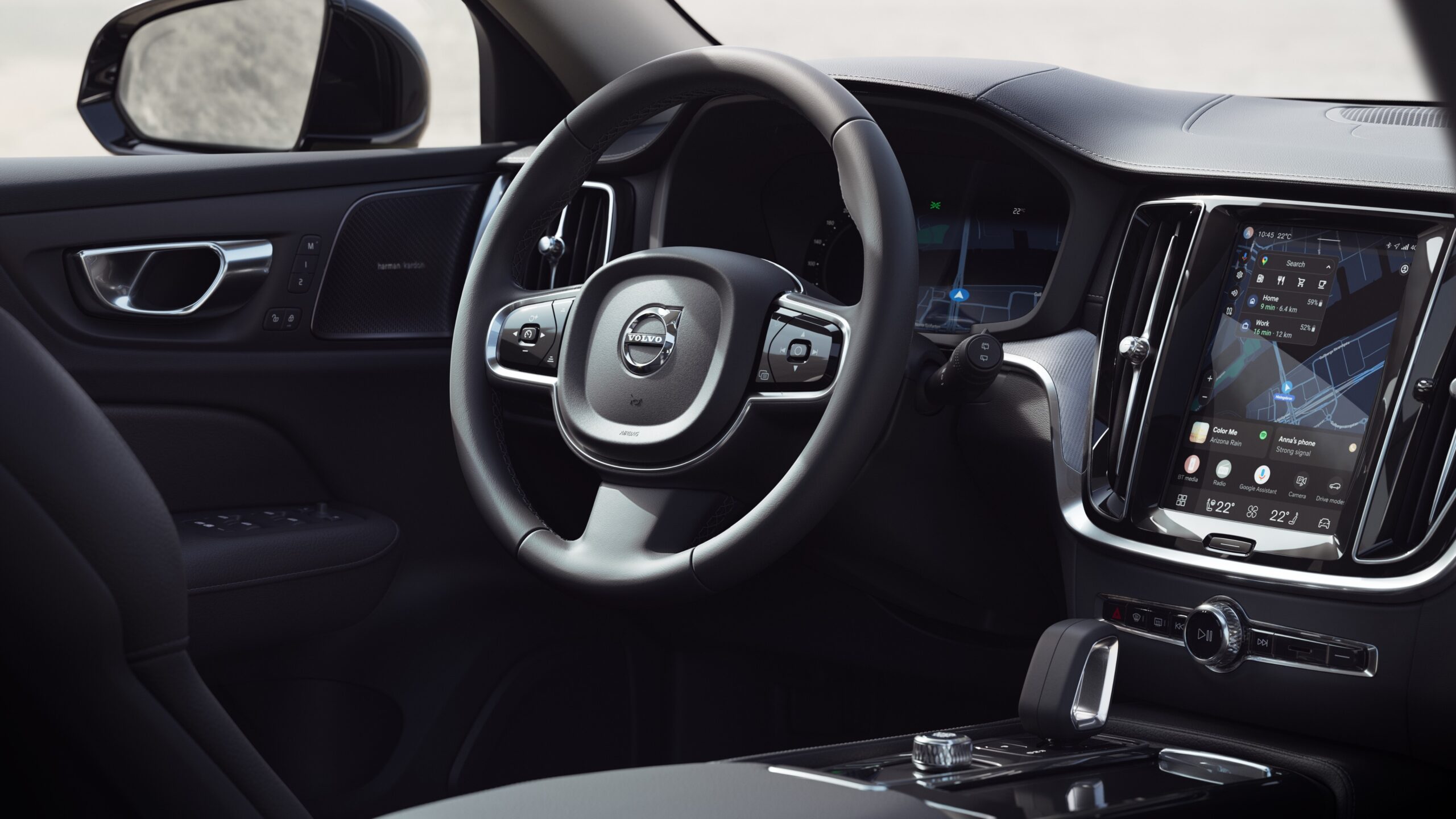
Volvo XC40: problems in the compact SUV segment
The Volvo XC40 is a compact SUV that has been produced since 2017. As a newer model, the XC40 has fewer structural problems than older Volvos, but there are points to watch. Electronics and infotainment sometimes suffer from early teething problems. Owners report that the touchscreen does not always respond or that the system freezes. Sensors for parking assistance and driver assistance systems can also be prone to faults.
Software updates are often the solution. Volvo regularly releases updates that fix these bugs. When buying, ask whether the latest software version has been installed. Models from the first years of production (2017–2018) suffer from these issues more often than later model years. When buying an early model, it is wise to carry out an extensive test of all the electronics.
Take warranty into account. Many XC40s are still covered by the factory warranty or extended warranty programmes. Check what is still covered and ask about outstanding recalls or service campaigns. In daily use, pay attention to warning messages and have them read out at the dealer immediately. Early diagnosis prevents small problems from turning into major repairs.
Typical points to watch with the XC40:
- Test the infotainment system and touchscreen thoroughly
- Check all sensors: parking, driver assistance and blind spot detection
- Ask about software updates that have been carried out
- Check the warranty status and any outstanding recalls
- Watch out for error messages in daily use
Read more: Volvo XC40
Volvo XC70: robust all-rounder with familiar age-related issues
The Volvo XC70 is a robust estate car with off-road ambitions. The model was produced from 1997 to 2016. Older examples suffer from typical age-related issues. Transmission problems are common with the automatic gearbox, particularly in models from before 2010. Symptoms are similar to other Volvo automatics: hesitant shifting and sometimes complete failure. Overhauling is expensive, so test this thoroughly during a test drive.
The suspension shows wear at higher mileages. Bushes, ball joints and shock absorbers can be worn. You can hear this as knocking or rattling noises over bumps. Replace these parts in good time to prevent further damage. Rust is a point to watch on older XC70s. Check especially the wheel arches, sills and the bottom of the doors. The floor of the boot is also prone to rust due to leaking tailgate seals.
When buying a used XC70, these are the critical points:
- Check the automatic gearbox thoroughly during a test drive
- Inspect the suspension for wear and noises
- Look for rust on wheel arches, sills, doors and in the boot area
- Ask for the service history and check whether major services have been carried out
- Allow for higher repair costs on older examples
Read more: Volvo XC70
‘ Preventive maintenance is important with the V70. ’
Volvo V70: classic with attention needed for engine and automatic gearbox
The Volvo V70 is a popular estate car that was produced between 1996 and 2016. Older models from before 2010 in particular have recurring problems. Excessive oil consumption is a frequently heard issue. As with the XC60, the engine can consume up to a litre per 1,200 kilometres. Check the oil level weekly and top up with the correct specification. Dealers acknowledge this problem in certain engines and sometimes offer extended warranties.
Automatic gearbox problems occur regularly in the 2001 V70. Hesitant shifting, jolts or complete failure are symptoms. Overhaul or replacement is required and costs several thousand euros. Test the automatic gearbox thoroughly during a test drive and ask about the service history of the gearbox.
The electronics sometimes develop faults. Dashboard lighting, sensors and audio can cause problems. Software updates sometimes help, but faulty modules need to be replaced. That can be expensive on older models that are no longer under warranty.
Preventive maintenance is important with the V70. Check regularly:
- Check the oil level weekly and top up if necessary
- Shifting behaviour of the automatic gearbox while driving
- Warning messages on the dashboard
- Stick to service intervals strictly, preferably earlier rather than later


Volvo V60: modern estate, modern electronics
The Volvo V60 is a modern estate car that has been produced since 2010. As a newer model, the V60 has fewer structural problems than older Volvos, but electronics remain a point to watch. Sensors, infotainment and driver assistance systems can develop faults. Software updates solve many problems, so when buying, ask whether the latest version has been installed.
Some V60s with smaller turbo engines sometimes show oil consumption or timing issues. This occurs less frequently than in older models but remains a point to watch. Always use the correct oil and keep to the service intervals. Check the oil level regularly, especially on examples with higher mileages.
When buying a V60, pay attention to:
- Test all electronics: sensors, infotainment and driver assistance
- Ask about software updates that have been carried out
- Check the oil level and ask about oil top-ups between services
- Stick to service intervals strictly according to the service book
- Check for outstanding recalls using the registration number
Read more: Volvo V60
Volvo V40: compact hatchback with specific weak spots
The Volvo V40 is a compact hatchback produced from 2012 to 2019. The model has typical problems with electronics. Warning lights can appear without any clear cause. Tyre pressure, parking and driver assistance sensors are prone to faults. Software updates often help, but faulty sensors need to be replaced.
At higher mileages the suspension and brakes show wear. Shock absorbers, bushes and brake discs will need to be replaced. That is normal, but bear it in mind when buying an example with more than 100,000 kilometres. Ask about maintenance carried out on these parts.
Points to watch during a test drive:
- Watch out for warning lights and error messages
- Test all sensors and parking assistance
- Listen for noises from the suspension over bumps
- Check how the brakes perform at different speeds
- Ask about maintenance on suspension and brakes
After buying, it is wise to have a diagnostic check carried out immediately. Any hidden fault codes can then be dealt with straight away.
Read more: Volvo V40
‘ With sporty driving, wear occurs more quickly. ’
Volvo S60: sporty saloon, what often goes wrong?
The Volvo S60 is a sporty saloon produced since 1999. Older models have engine problems where the car hesitates, jerks or is hard to start. Causes range from ignition problems to fuel supply issues. Software updates and replacement of ignition components often help.
Suspension and steering show wear at higher mileages. Owners who drive in a sporty manner in particular see wear appear more quickly. Shock absorbers, bushes and ball joints are prone to wear. Check this during a test drive by steering sharply and feeling for play or listening for noises.
With sporty driving, wear occurs more quickly. Bear this in mind for maintenance:
- Replace shock absorbers and bushes earlier than with a normal driving style
- Check the suspension regularly for play
- Pay attention to engine performance and have any hesitation checked immediately
- Stick to service intervals or shorten them in the case of intensive use
Read more: Volvo S60


Volvo S40 and V50: brothers with similar problems
The Volvo S40 (saloon) and V50 (estate) largely share the same technology. Both were produced from 2004 to 2012. Electronics are a weak point. Error messages, warning lights and faults in audio systems occur regularly. Software updates and replacing faulty modules are often needed.
The suspension shows wear at higher mileages. Ball joints, bushes and shock absorbers are prone to wear. You can hear this as knocking or rattling noises over bumps. Replace these parts in good time to prevent damage to other components. Most parts are relatively affordable and readily available.
Some engines, especially diesel variants, show early signs of oil consumption. This is less severe than in, for example, the XC60, but still something to watch. Check the oil level regularly and top up if necessary.
Main maintenance points:
- Replace the suspension in good time when worn
- Watch out for electrical error messages and have them read out
- Check the oil level regularly
- Parts are readily available and often affordable
Read more: Volvo S40
Volvo S80: luxury saloon with complex technology
The Volvo S80 is a luxury saloon produced from 1998 to 2016. The model contains advanced electronics and comfort systems. These are also prone to faults. Audio, climate control, seat heating and electrically adjustable seats can cause problems. Faulty modules and software errors are often the cause. Repairs are expensive because of the complexity and price of parts.
Automatic transmissions in older S80s can show the same problems as in the XC90. Hesitant shifting or complete failure occur. Overhauling is expensive. Test the automatic gearbox thoroughly during a test drive.
Some S80s have optional air suspension. This is comfortable but also prone to faults and expensive to maintain. Compressors, air springs and sensors can fail. When buying, ask whether the car has air suspension and what condition it is in.
Points to watch with the S80:
- Higher maintenance costs due to complex technology
- Test all electrical systems thoroughly
- Watch out for transmission problems in older examples
- Have a comprehensive diagnostic check carried out before buying
- Allow for expensive repairs to the air suspension if fitted
Read more: Volvo S80
‘ Preventive updating prevents problems. ’
Volvo S90 and V90: latest generation, teething problems and software
The Volvo S90 (saloon) and V90 (estate) are the latest generation, produced since 2016. These models feature advanced electronics, infotainment and driver assistance systems. Teething problems occur, especially in the early model years. Software errors in infotainment, sensors and driver assistance are frequently reported. Volvo regularly releases updates that fix these problems.
Owners report that the touchscreen sometimes freezes or does not respond. Driver assistance systems such as adaptive cruise control or steering assistance can unexpectedly drop out. This is often solvable with a software update. When buying, ask whether the latest software version has been installed.
Follow dealer campaigns and updates. Volvo regularly emails owners about new updates or service campaigns. Have these carried out even if everything seems to be working fine. Preventive updating prevents problems. Also check regularly for any outstanding recalls using the registration number.
Tips for S90 and V90 owners:
- Follow dealer campaigns and software updates
- Test all electronics and driver assistance regularly
- Have fault messages read out immediately
- Check for outstanding recalls using the registration number
- Make use of warranty claims if problems occur
Read more: Volvo S90


Volvo C30: compact coupé with its own character
The Volvo C30 is a compact three-door coupé produced from 2006 to 2013. The model has a sporty character and attracts enthusiasts. Suspension and steering show wear with a sporty driving style. Shock absorbers, bushes and ball joints are prone to wear. That is normal in a car that has been driven sportily, but bear it in mind when buying.
Older examples can show electrical problems. Error messages, warning lights and faults in the audio system occur. Software updates and replacing faulty modules help. Most parts are readily available and affordable.
Points to watch for C30 enthusiasts:
- Replace the suspension in good time with a sporty driving style
- Check the condition of shock absorbers and bushes
- Watch out for electrical error messages in older examples
- Ask for the service history and repairs carried out
- Allow for higher wear due to sporty driving
The C30 is suitable as a hobby car or daily driver. With good maintenance and timely replacement of wear parts, it is a reliable and fun car.
Read more: Volvo C30
Recalls and service campaigns: how to have problems fixed free of charge
Volvo regularly carries out recalls and service campaigns for known problems. These are free for owners. Check via the registration number or chassis number whether your car has any outstanding recalls. You can do this via the RDW website or directly at a Volvo dealer.
Common recalls at Volvo are:
- Fuel pump that may fail (various models)
- Electric tailgate on XC60 from 2017–2019
- Software updates for engine and transmission
- Problems with airbags and safety systems
Have any outstanding recalls carried out immediately. Even if everything seems to be working fine, these problems can occur later. Volvo will repair this free of charge at an official dealer. Contact your nearest dealer and make an appointment. Take the registration or VIN number with you. The dealer will then check all outstanding actions and carry them out.
Check regularly, even if you have not received a notification. Sometimes recalls are carried out for cars whose owners Volvo cannot reach. Do this especially before buying a used Volvo. That way you know whether there is still work to be done.
Read more: Volvo XC60
‘ Don’t postpone maintenance, because small problems turn into expensive repairs. ’
Maintenance tips to prevent car problems with Volvo
Many Volvo problems can be prevented with proactive maintenance. Owners who take good care of their car often drive without major issues well beyond 200,000 kilometres. Follow this practical checklist to prevent problems.
Check the oil level weekly
Check the oil level at least once a week, especially with models known for oil consumption. Always top up with the correct specification: synthetic oil with ACEA A5/B5 standard. Do not use cheap alternatives. Never drive with too low an oil level, as that will permanently damage the engine.
Visually check the cooling system and fan
Regularly inspect the radiator and cooling fan. Remove dirt, leaves and other obstructions. Check the coolant level and top up if necessary. Keep an eye on the temperature gauge while driving and respond immediately if the engine overheats.
Stick to service intervals on time
Stick strictly to the service intervals in the service book. With intensive use or short urban journeys, you can even shorten the intervals. Don’t postpone maintenance, because small problems turn into expensive repairs.
Take symptoms seriously
Always take strange noises, jerks or warning lights seriously. Have them checked immediately by a Volvo specialist. Early diagnosis prevents small issues from becoming major problems. Never ignore warning messages, even if the car still seems to drive fine.
Additional tips:
- Regularly test all electronics and sensors
- Have software updates installed as soon as they are available
- Keep all service receipts and invoices
- Use genuine or high-quality replacement parts
- Find a reliable Volvo specialist for maintenance


Buying advice: which Volvo models and years are the wisest choice?
Not all Volvos are equally reliable. Certain generations and model years score better than others. Models from 2015 onwards are generally more reliable than older examples. The move to new generations of engines and electronics brought improvements. But newer models also have teething problems, especially in the first years of production.
Older models from before 2010 require extra attention. Automatic gearboxes, oil consumption and electronics are sensitive points. If you are still considering an older Volvo, have a thorough pre-purchase inspection carried out. Test the automatic gearbox extensively during a long test drive. Check the oil level and ask about consumption. Ask for a complete service history and check whether major services have been carried out.
With newer models, focus mainly on electronics and software. Test all systems thoroughly: infotainment, sensors, driver assistance and comfort functions. Ask whether the latest software updates have been installed. Check for outstanding recalls using the registration number.
General buying advice:
- Prefer models from 2015 onwards for better reliability
- Avoid model years known for problems such as the 2001 V70 and 2005 XC90
- Have a thorough pre-purchase inspection carried out on older models
- Test the automatic gearbox, electronics and engine during a long test drive
- Negotiate on the basis of known weak points and required repairs
- Check the full service history and recalls carried out
Experiences of Volvo drivers: what do owners say themselves?
Volvo owners are divided on reliability and comfort. Many praise the safety and driving comfort. Cars feel solid and provide good protection in an accident. Many owners drive without major problems well beyond 200,000 kilometres, provided the car is well maintained.
But there are frustrations too. Excessive oil consumption is a frequently heard complaint. Owners find it annoying to have to top up oil regularly. Electronics are also a source of frustration. Error messages that keep coming back or systems that suddenly fail cause irritation. Repairs are expensive, especially on more luxurious models with complex technology.
Even so, many owners remain loyal to the brand. They appreciate the safety, comfort and character of Volvo. On forums and in reviews, owners share tips and experiences. These help future buyers with their choices. If you want to buy a Volvo, read owners’ experiences with the same model and year. That gives a realistic picture of what you can expect.
Typical owner comments:
- 'With good maintenance my V70 runs without problems up to 300,000 km'
- 'The oil consumption of my XC60 is ridiculous, but the dealer is sorting it out under warranty'
- 'Electronics can be frustrating, but software updates often help'
- 'Safety and comfort are fantastic, that's why you buy a Volvo'
Share your own experiences on forums or in reviews. In doing so, you help other Volvo drivers and future buyers with their choices.
—
Do you always want to stay up to date with the latest car news, tips and experiences? At Carnews you will find new articles on all car brands every day. Whether you are unsure about a purchase, want to solve problems or simply enjoy reading about cars: with us you will find reliable information that helps you make the right choices. Stay informed and discover what Carnews can do for you.
Read more: Volvo V70