Known problems with Lexus
Lexus is known as a reliable premium brand, but this Japanese label also struggles with teething problems in new engines, digital systems and turbo technology. Large-scale recalls have recently come to light, including an instrument cluster that goes black in more than 1.3 million vehicles and engine failure in the latest twin-turbo V6. How serious are the problems really? And what should you check on your Lexus?
Lexus and reliability
For decades, Lexus has built a reputation as a reliable premium brand with strong engine and material durability. Yet recent generations show that this brand too is not immune to technical faults. The switch has been made to twin-turbo V6 engines, advanced digital instrument clusters and complex hybrid drivetrains. This new technology brings new risks.
Recalls and complaints have therefore increased. Think of manufacturing defects in software, metal particles in engine oil and assembly issues with panels and trim. For you as a driver, it is important to understand that a recall does not automatically mean your car will break down. It is a preventive measure that is often carried out free of charge by the dealer.
Learn to interpret recalls and complaints by checking your Vehicle Identification Number (VIN) on the official Lexus or Toyota website. Check whether your model year and model fall under a recall campaign. That way you are prepared and avoid unpleasant surprises during the MOT or on the motorway.
‘ This can cause bearing damage, knocking noises and ultimately complete engine failure. ’
Main generic Lexus problems and recalls
Different Lexus models share the same technical base and therefore show similar problems. The three most common cross-model issues are the instrument cluster going black, engine problems in the twin-turbo V6 and quality issues in the finish.
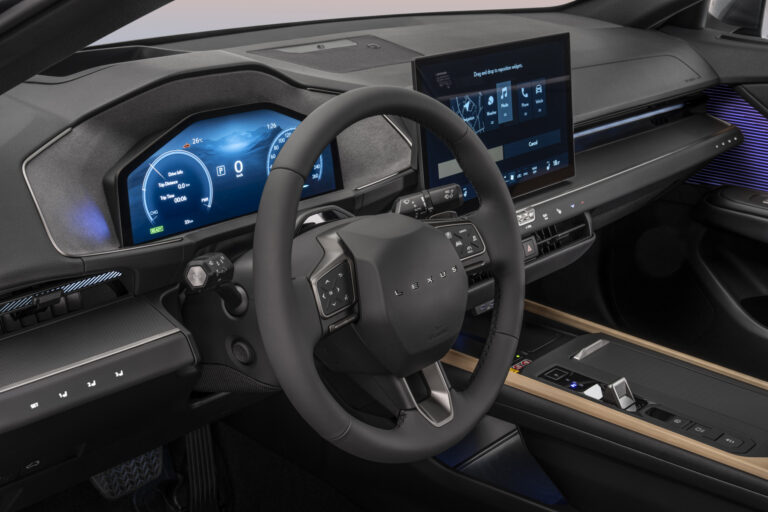
The digital 12.3-inch instrument panel can go blank due to a manufacturing defect. This affects models such as the NX and RX. Other recent models with the same cluster are also at risk. You then no longer see your speed, warning lights or fault codes. This is a safety risk and is subject to a large-scale recall. Dealers replace the cluster free of charge, but waiting times sometimes increase due to parts shortages.
In the latest twin-turbo V6 engines, metal particles are released into the oil. Metal particles are released into the oil. This is caused by insufficient finishing during production. This can cause bearing damage, knocking noises and ultimately complete engine failure. The recall affects more than 100,000 vehicles worldwide, including the GX 550 and LX 600. The engine must be replaced and this can take months. Pay attention to unusual noises at cold start and shorten the oil-change interval as a precautionary measure.
Quality issues such as uneven panel gaps, non-flush fitment and loose trim pieces mainly occur with models such as the TX. This points to assembly errors and is usually corrected under warranty. Inspect the bodywork at delivery and report any issues to the dealer immediately.
Instrument cluster that goes black: risks and what to do
The problem of the failing digital instrument panel affects more than 1.3 million Toyota and Lexus vehicles worldwide. The 12.3-inch screen can go blank while driving, sometimes flashing on and off and sometimes failing permanently. You then lose sight of your speed, warnings and crucial fault codes.
You recognise the symptoms because the screen goes black, briefly lights up again or does not respond at all when starting the car. This occurs mainly with the Lexus NX and RX. Other recent models with the same cluster are also at risk. The manufacturing defect lies in the electronics of the screen itself.
The safety risks are real. Without a speedometer you are driving by feel and without warning lights you miss signals from the brake pedal, ABS or engine problems. This can lead to dangerous situations, especially on the motorway or in heavy traffic.
Check via a VIN check whether your car is covered by the recall. Enter your chassis number on the official Lexus or Toyota website. The dealer will replace the cluster free of charge, but schedule your appointment well in advance due to possible waiting times for parts. Note down all symptoms and times before visiting the garage, so the mechanic can identify the problem straight away.
Engine problems with twin-turbo V6: what does the Lexus driver need to know?
The latest twin-turbo V6 engine from Lexus, designated B35A and V35A, was introduced in SUVs such as the GX 550 and LX 600. This engine is intended to deliver more power with a smaller displacement, but turns out to be vulnerable to a serious manufacturing defect.
Metal particles are released into the oil. This is caused by insufficient finishing during production. These particles cause damage to the bearings and lead to knocking noises, especially at cold start. In severe cases this results in complete engine failure while driving. The recall affects more than 100,000 vehicles worldwide.
Typical owner complaints are rattling noises when starting, vibrations during acceleration and fault codes indicating oil pressure or bearing deviations. Take these signals seriously and have them checked by the dealer immediately. Ignoring them can lead to expensive damage outside the warranty.
The impact is significant. Engine replacement is often the only solution and can involve months of waiting due to scarcity of replacement engines. During the waiting period your car may be off the road or you may have to switch to a replacement vehicle. The repair is covered by the warranty, but not always the additional costs such as hire cars or loss of productivity.
Advice for Lexus drivers:
- Shorten the oil-change interval to, for example, 7,500 kilometres instead of 15,000 kilometres
- Always listen for noises during the first cold start
- Report unusual vibrations or ticking to the dealer immediately
- Ask for an oil inspection for metal particles at every service
- Check your VIN to see if it is affected by the engine recall
Lexus RX: known issues with the large SUV
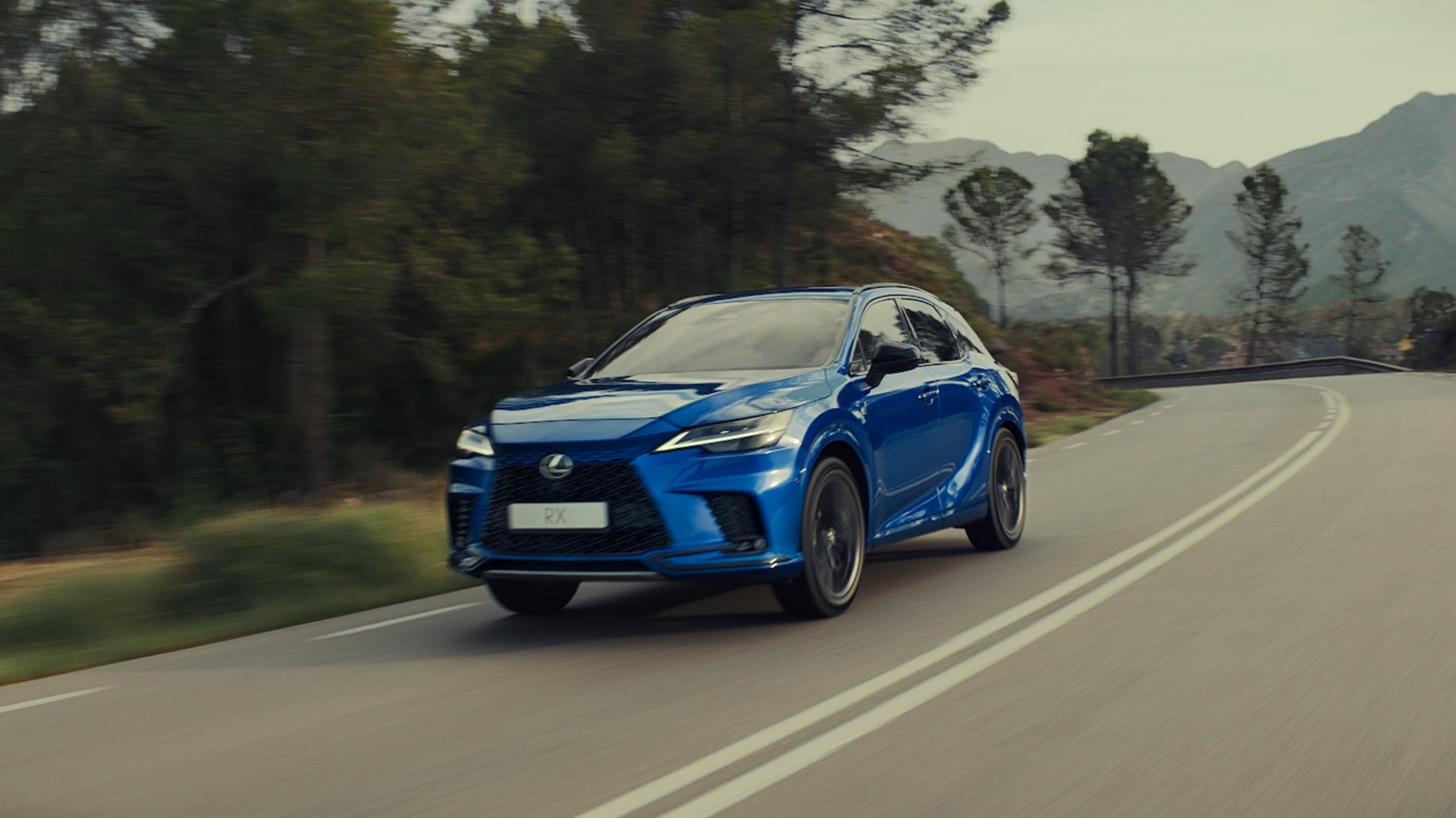
The Lexus RX is a popular large SUV that has been available in several generations, both as a hybrid and with conventional petrol engines. The RX is part of the recall for the blacking-out instrument cluster and also shows faults in the infotainment system.
Typical SUV complaints with the RX are squeaking noises from the suspension, especially after intensive use or mileages above 80,000. This is often caused by worn stabiliser links or rubber bushes. The suspension can also produce creaking noises on tight bends or bumpy roads, indicating wear of the rubber components.
Brakes and tyres wear faster due to the relatively high weight of the RX. Hybrid-specific issues are battery degradation in older examples, starting problems in cold conditions and fault codes indicating charging problems of the traction battery. This mainly occurs in models from around 2010 to 2016.
When buying a used RX, pay attention to the following points:
- Check the operation of the instrument cluster by testing all functions
- Listen for squeaking or creaking noises during a test drive over uneven road surfaces
- Request the service history of the hybrid battery
- Inspect the brake discs for grooves or uneven wear
- Test all electronics, including seat heating, climate control and multimedia
Maintenance tips for the RX include regularly replacing brake fluid, at least every two years. Make sure the dealer installs software updates to resolve bugs in the infotainment system. Have the hybrid system checked annually with a diagnostic tool so that emerging problems are detected at an early stage.
Read more: Lexus RX

Lexus NX: compact premium SUV with digital teething problems
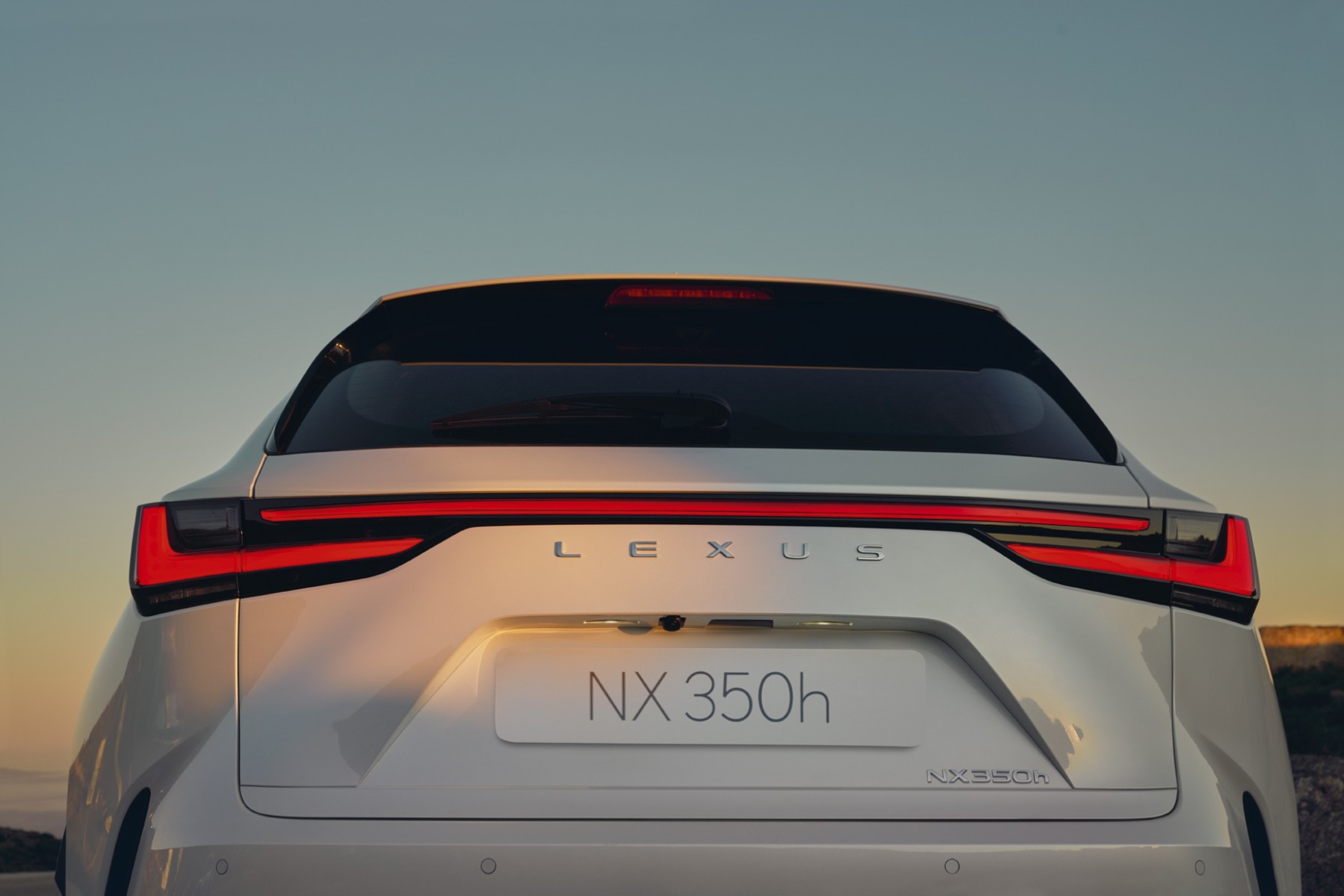
The Lexus NX is a compact SUV with a strong digital character. The model frequently suffers from faults in the 12.3-inch digital instrument panel, which falls directly under the global recall. In addition, owners report problems with connectivity, slow-responding touchscreens and software bugs in the navigation system.
User experiences with the hybrid drivetrain are generally positive, but there are complaints about irregular shifting of the automatic gearbox and delayed response when the kickdown is engaged quickly. Driving assistants such as adaptive cruise control (automatic speed control) and lane keeping assist can sometimes give false alarms or intervene too abruptly. This requires software updates that the dealer can install.
Parts shortages are a real issue due to the scale of the recall. Waiting times for replacement of the instrument cluster can run to several months. This may mean that your car stays longer at the dealer or that you have to drive with a temporary warning label until the part is available.
Advice for buyers of an NX is to thoroughly test all digital functions during the test drive. Pay attention to the response speed of the touchscreen, the completeness of the display on the instrument panel and the behaviour of driving assistants at different speeds. At delivery, ask for a full inspection of the electronics and have any faults recorded immediately for warranty purposes.
Read more: Lexus NX
Lexus UX: small crossover, big focus on electronics
The Lexus UX is a compact crossover that is mainly used as a city car. Electronics and infotainment problems are central here, with complaints about connectivity via Bluetooth and Apple CarPlay, slow response times from touchscreens and sensors that do not always work correctly.
With the hybrid and fully electric variants of the UX, specific issues arise. Real-world range is often lower than the factory figures, especially in cold weather and intensive city traffic. Charging behaviour can be slow at public charging stations with variable quality. Dashboard warnings, such as fault codes for the charging system or the traction battery, require immediate dealer inspection.
Wear points in city use are mainly the suspension, which can wear out faster due to frequent kerbs and speed bumps. Alloys and tyres suffer scuff damage from narrow streets and parking manoeuvres. Brakes wear less quickly thanks to regenerative braking, but can actually rust and judder due to little use.
Software updates and preventive maintenance prevent many problems. The dealer can install updates that improve the stability of the infotainment system. Schedule an annual electronics check in which sensors, cameras and the charging system are inspected. Regularly check tyre pressure and wheel alignment to avoid uneven wear.
Read more: Lexus UX
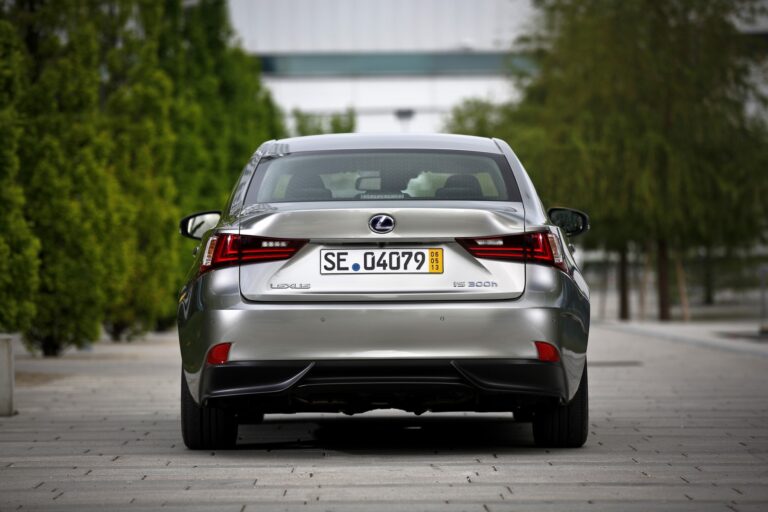
Lexus IS: sporty saloon with evolving technology
The Lexus IS positions itself as a sporty saloon, but undergoes technical changes that affect performance and reliability. The disappearance of the V8 engine in recent generations, such as the discontinuation of the IS500, means a shift to only the IS350 with a 3.5-litre V6.
Common complaints with the IS are creaking noises from the sporty suspension, especially in sharp bends or over uneven road surfaces. The stiff suspension can feel uncomfortable on long journeys. Brake noises, such as squealing or scraping, occur regularly due to sporty braking and aggressive brake pads. Driver assistance systems can sometimes give false alarms or react too sensitively to road markings.
IS drivers and buyers should be particularly alert to the behaviour of the suspension during the test drive. Test the car on bumpy roads and listen for creaking or clicking noises. Check the steering behaviour at higher speeds for vibrations or pulling to the left or right. Test the brakes thoroughly for braking power and possible noises at different speeds.
Tips for tuning or sporty use:
- Replace brake fluid more often, especially for track use
- Choose quality brake pads that are less prone to squealing
- Have the wheel alignment checked after intensive driving
- Inspect the suspension rubbers annually for cracks
- Use performance tyres that better match the character of the IS
Read more: Lexus IS
Lexus CT: compact hybrid and typical age-related problems
The Lexus CT is a compact hybrid hatchback that is now getting on in years. Many examples have covered tens of thousands of kilometres and are therefore showing ageing hybrid components. Battery degradation is a common problem, where the traction battery has less capacity and discharges more quickly. This results in starting problems, especially in cold winters, and fault codes on the dashboard.
Known wear points on the CT are the suspension, where stabiliser links and bushes wear out. This leads to clicking noises when steering or over bumps. The interior may creak with temperature changes or vibrations, indicating loose clips or ageing materials.
Frequent faults in infotainment and air conditioning occur on older model years, from 2011 to 2014. The touchscreen responds slowly or not at all, the air conditioning no longer cools sufficiently and the fan buttons may stick. This requires replacement of the climate control unit or software updates that are often no longer available for this generation.
When buying a used CT, pay attention to:
- Ask for a battery test of the hybrid traction battery
- Test all climate functions, including cooling and defrosting
- Listen for creaking noises from the dashboard and suspension
- Check the operation of the infotainment screen and all buttons
- Request the service history, including replacement of the 12V battery and coolant
You can extend the service life by using the hybrid battery regularly, so also drive short trips electrically. Replace the 12V battery preventively after five years to avoid starting problems. Have the cooling system of the hybrid drivetrain checked every two years to prevent overheating.
Read more: Lexus CT
Lexus ES: comfortable saloon with design and practical issues
The Lexus ES is a comfortable mid-size saloon focused on space and ride comfort. Criticism of the headlights is common. Owners report that the light pattern provides insufficient illumination, especially on dark roads without street lighting. The straight lines of the headlights are often criticised stylistically, but that is a matter of taste.
Real-world range for hybrid and electric versions is often lower than the factory figures. Expect 10 to 15 per cent less range in everyday use, especially on motorways and in cold temperatures. This affects practicality for drivers covering long distances without stops.
The interior finish and seats receive mixed reactions. On long journeys some drivers complain about seats that are too soft and offer insufficient lateral support. Others experience creaks in the dashboard or doors with temperature changes. This indicates materials that do not cope well with ageing.
Practical buying tips for the ES:
- Test the headlights on a dark road to assess the light pattern
- Choose a version with LED lighting, which performs better than halogen
- For hybrid versions, check real fuel consumption via the trip computer used by the previous owner
- Ask to test seat heating and ventilation during a long test drive
- Avoid model years with known software problems in the infotainment system, check this via forums
Read more: Lexus ES
Lexus GS: older premium saloon and long-term problems
The Lexus GS is an older premium saloon that is increasingly being sold as a used car. Automatic gearbox problems occur regularly, with complaints about jerky shifting, delayed responses to kickdown and sometimes failure to select certain gears. This indicates wear of the transmission fluid or internal clutches.
Creaking suspension and steering vibrations at higher speeds are common complaints. On models with more than 100,000 kilometres, the suspension may have worn bushes, causing clicking noises in corners or over bumps. Steering vibrations often point to wheel imbalance or wear of the drive shafts.
Ageing electronics include sensors for ABS and ESP, airbag warning lights that stay on for no apparent reason and multimedia systems that freeze or fail to start. This occurs mainly on models built before 2012 and requires thorough diagnosis with Lexus-specific equipment.
Risks and benefits of the hybrid GS at higher mileages:
- Advantage: lower fuel consumption and less brake wear
- Risk: battery degradation after 150,000 kilometres, costly replacement outside warranty
- Advantage: proven reliability of the hybrid drivetrain with proper maintenance
- Risk: scarce parts and high dealer costs for diagnosis
When buying, diagnosing and maintaining a GS, pay attention to the following. Before purchase, have a full diagnostic check carried out, including inspection of transmission fluid, cooling system and all sensors. Ask for the service history and specify when the last major service was done. Take a test drive of at least 30 minutes, including motorway driving, to allow all symptoms to appear. Plan annual preventive maintenance, replacing fluids and checking rubber components.
Read more: Lexus GS
Lexus LS: flagship with complex technology
The Lexus LS serves as the brand’s flagship and contains advanced technology. Electronics and comfort systems are complex and therefore prone to faults. The air suspension can develop air leaks, causing the car to lean to one side or fail to rise after being parked. Seat functions such as massage, memory and heating can fail due to defective motor control or connection issues. Soft-close doors may stop working due to software bugs or worn actuators.
Warnings relating to the ABS light, brake fluid and sensor wear are common with LS models over 100,000 kilometres. The ABS light may come on due to sensors that are dirty or damaged, or due to low brake fluid. Sensors for parking assistance, blind spot monitoring and adaptive cruise control (automatic speed control) wear out after years of use and require calibration or replacement.
The high complexity means that diagnosis and repair are considerably more expensive than with simpler models. Dealers charge many hours to read all the modules and trace a fault. Parts are often not kept in stock and have to be ordered from Japan, resulting in waiting times of weeks or months.
Smart maintenance plan for LS drivers to avoid expensive surprises:
- Schedule a comprehensive annual diagnostic check at a specialised Lexus dealer
- Replace brake fluid every two years to prevent ABS problems
- Check the air suspension for leaks and loss of pressure every six months
- Have software updates for all modules installed at every service
- Build a financial buffer for unexpected repairs, budgeting for several thousand euros per fault
- Consider an extended warranty or maintenance contract when purchasing
Read more: Lexus LS
Lexus RC: coupé for enthusiasts, with sporty points of attention
The Lexus RC is a coupé aimed at enthusiasts of sporty driving, including high-performance versions such as the RC F. Complaints about firm suspension, tyre wear and brake fade under sporty use are common. The suspension is stiffly tuned for cornering, which can feel uncomfortable on normal roads. Tyres wear faster due to the higher power and aggressive driving characteristics, especially on the rear axle.
Possible issues with the automatic gearbox or transmission during intensive driving include jerky shifting under hard acceleration and delayed reaction when downshifting. This is caused by heating of the transmission fluid during track use or repeated kickdowns on twisty roads. Cooling of the transmission is sometimes insufficient for intensive sporty use.
Interior and bodywork problems include creaking noises from the dashboard during temperature changes, stone chips on paint and bumpers due to the low front end, and less-than-perfect panel fit around doors and bonnet. The latter indicates assembly tolerances that are more common with sports cars.
What to look out for during test drives and track days:
- Thoroughly test the suspension for comfort and creaking noises
- Accelerate hard and pay attention to smoothness of shifting
- Brake hard several times from high speed to check for brake fade
- Inspect the front end for stone chip damage and protective film
- Check tyre pressures and tread depth before and after intensive driving
- Listen for creaks from the interior at different temperatures
Read more: Lexus RC
How do you recognise serious Lexus problems at an early stage?
Early recognition of problems prevents expensive repairs and safety issues. Warning lights on the dashboard are the first indication. ABS lights indicate problems with the braking system or sensors. Engine warning lights indicate faults in the engine, exhaust or fuel system. Hybrid warnings show that the traction battery or charging system is not working properly.
Unusual noises, vibrations and smells require immediate attention. Creaking or squeaking noises from the suspension indicate wear of rubbers or bearings. Knocking noises from the engine, especially at cold start, can point to bearing damage. Vibrations in the steering or body at higher speeds indicate imbalance, worn drive shafts or wheel bearings. A burning smell or sweet odour points to coolant leakage or overheating.
Whether to stop immediately or monitor depends on the severity. Stop immediately if you notice:
- Bright warning lights for oil, temperature or brakes
- Sudden loss of power or power steering
- Sharp burning smell or smoke
- Loud knocking or rattling engine noise
Monitor and schedule a garage visit if you notice:
- Regular creaking noises from the suspension
- Lightly squealing brakes without loss of braking power
- Dashboard warnings that appear temporarily
- Delayed response from the transmission
Tests you can do yourself during a test drive or after purchase include a brake test in a safe location to check braking power and noises, a steering test by briefly releasing the steering wheel on a straight road to detect pulling to the left or right, and an electronics check by activating all functions, from seat heating to parking sensors. Listen to engine noises during a cold start and pay attention to the starting behaviour of hybrid systems.
Recalls, warranty and dealer: your rights as a Lexus driver
Your rights as a Lexus owner are anchored in the factory warranty, recalls and consumer law. You can check a recall via a VIN check on the official Lexus Netherlands or Toyota Motor Europe website. Enter your chassis number and see whether your car is subject to a recall campaign. The RDW (Dutch Vehicle Authority) also offers an online tool to check recalls by registration number.
What is covered by factory warranty, extended warranty and goodwill varies per situation. Factory warranty usually covers three years or 100,000 kilometres and includes all manufacturing and material defects. Extended warranty can be purchased from the dealer and covers specific components such as engine, transmission and electronics for a longer period. Goodwill is assessed case by case and depends on service history, complaint history and the attitude of the dealer.
Owners’ experiences with Lexus service are generally positive, with praise for friendliness, courtesy cars and clear communication. Criticism focuses on long waiting times during large-scale recalls, high hourly rates for diagnosis and parts shortages for newer models.
How to get the most out of your warranty yourself:
- Document all complaints in writing with date and mileage
- Take photos or videos of faults, especially dashboard warnings
- Ask for the full service history to be recorded in the dealer system
- Arrange test drives with the mechanic so they can experience the complaint themselves
- Submit warranty claims immediately; do not wait until after the warranty period has expired
Tips for communicating with the dealer include clearly describing when the issue occurs, under what conditions and how often. Avoid vague descriptions such as ‘car sometimes vibrates’. It is better to specify ‘steering wheel vibrates at 120 kilometres per hour, disappears at lower speeds’. Ask for a written diagnosis and quotation before repairs are carried out. Stay polite but persistent, and escalate to the service manager if you are dissatisfied.
Maintenance and buying tips for car enthusiasts
Preventive maintenance that pays off with Lexus includes regular oil changes, especially on turbo engines where shorter intervals prevent damage. Replacing brake fluid every two years keeps the ABS system healthy and prevents expensive sensor problems. Installing software updates at the dealer resolves bugs in infotainment and driver assistance systems and can even improve fuel consumption.
The reason why it can pay to avoid the first model year has to do with teething problems that are only discovered after production starts. Manufacturers often quietly solve these problems in later model years without an official recall. With a completely new model, wait at least a year so that the first recalls and software updates have been carried out. If in doubt, choose a model that has been in production for a few years and whose teething troubles are well known.
How forums, owners’ clubs and reviews help is by sharing real-world experiences that are not in official documentation. Search forums for your specific model and year, read which problems owners encounter and how they solve them. Owners’ clubs organise meetings where you can ask other drivers about their experiences. Online reviews on sites such as Autoreview or Reddit provide honest opinions about the strengths and weaknesses of models.
A concrete checklist for anyone looking to buy a used Lexus:
- Check via VIN whether the model is subject to active recalls
- Request the full service history, preferably carried out by a Lexus dealer
- Inspect the instrument cluster for correct operation and possible failures
- Test the engine from a cold start: listen for knocking or rattling noises
- Check the suspension for creaking noises during a test drive over bumps
- Test all electronics: seats, climate control, infotainment, sensors and cameras
- Inspect the bodywork for panel gaps, non-flush alignment and stone chip damage
- For hybrid models, ask for a battery test of the traction battery
- Check tyre pressures and tread depth, watching for uneven wear
- Drive for at least 30 minutes, including motorway, city and twisty roads
- Ask for a warranty or goodwill arrangement when buying from a dealer
- Before purchase, have an independent diagnosis carried out with Lexus-specific equipment
Check your VIN regularly for new recalls and schedule a full annual inspection at a specialist dealer. Follow Lexus forums and owners’ clubs to be among the first to hear about new problems and effective solutions. Build up a financial reserve for preventive maintenance and unexpected repairs so your Lexus remains reliable and safe to drive.