Nissan Car Problems: A Complete Overview by Model
Nissan car problems can often be traced back to the CVT transmission and specific engine issues, but with the right knowledge and proactive maintenance, you can prevent costly repairs. Do you recognise the signs of a weak gearbox, or are you unsure about purchasing a specific model? Read on to discover the known weak points and the best ways to address them.
Nissan and Reliability
Nissan has a mixed reputation. Reliability varies greatly by model and year of manufacture. While many models cover thousands of miles without issues, there is a clear common thread in owner complaints. The Continuously Variable Transmission (CVT) is the most frequently cited cause of problems. Additionally, specific engines are prone to high oil consumption. Electronic malfunctions are also regularly reported. Good and timely maintenance is not an unnecessary luxury for this brand; it makes a significant difference to the car’s lifespan and reliability.
‘ Knowing about these problems helps you to recognise symptoms early. ’
Common Technical Problems with Nissan Models
Across the entire Nissan model range, several technical problems recur more frequently. The CVT transmission, engine problems, and electronic malfunctions are the main points of concern. Knowing about these issues helps you to recognise symptoms early.
- CVT Transmission: Complaints range from slipping and sluggish response to jerky behaviour and premature wear. Repair or replacement is often costly.
- Engine Problems: Some turbo engines experience increased bearing wear and higher than average oil consumption.
- Electronics and Infotainment: Malfunctions in the infotainment system, failing sensors, or connectivity issues are common complaints.
- Fuel Consumption: Some owners report that actual fuel consumption deviates significantly from the manufacturer’s stated figures.
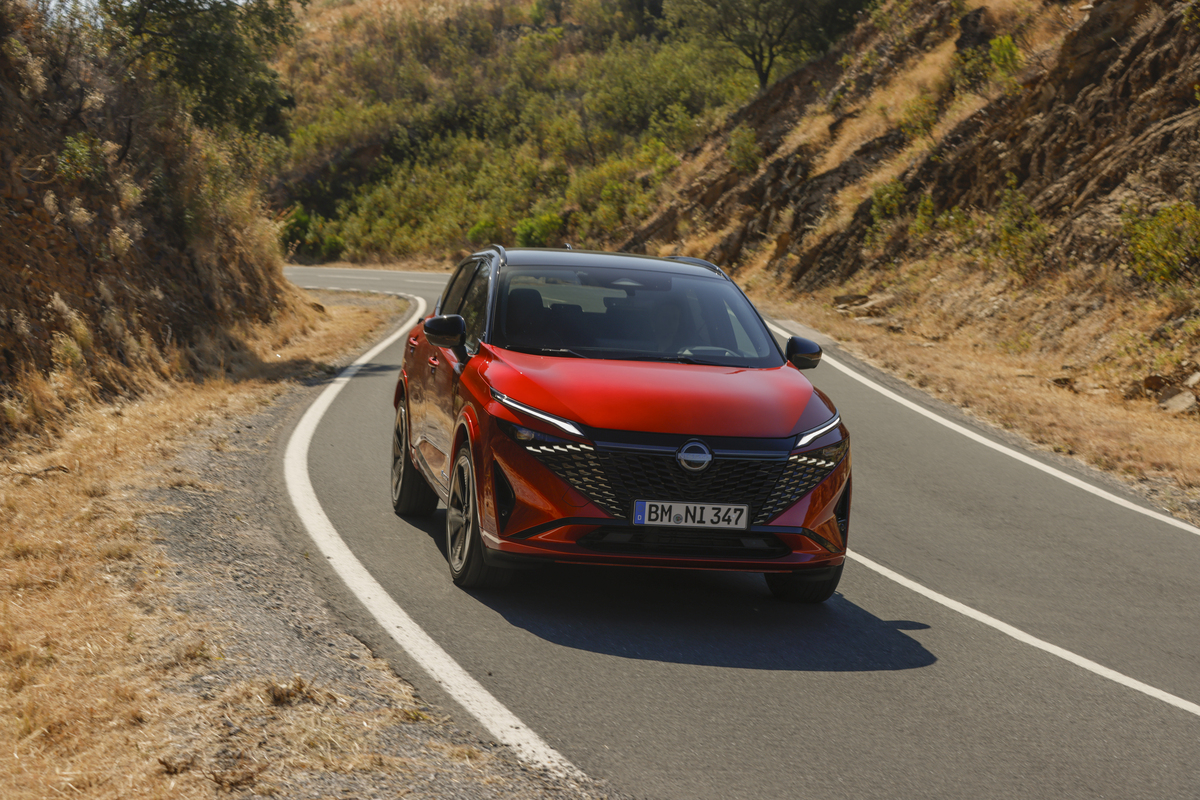
Nissan Micra: City Car with Early Issues
The Nissan Micra is a popular city car but has several specific points of attention, often related to frequent urban traffic.
- Engines: The smaller petrol engines sometimes suffer from higher oil consumption. Ignition problems are also a known phenomenon.
- Clutch and Gearbox: Due to frequent acceleration and braking in the city, the clutch wears out faster than average.
- Rust: With older models, pay close attention to the sills and wheel arches; these are common areas for rust formation.
- Electronics: Simple malfunctions, such as a faulty central locking system or electric windows, occur regularly.
Read more: Nissan Micra
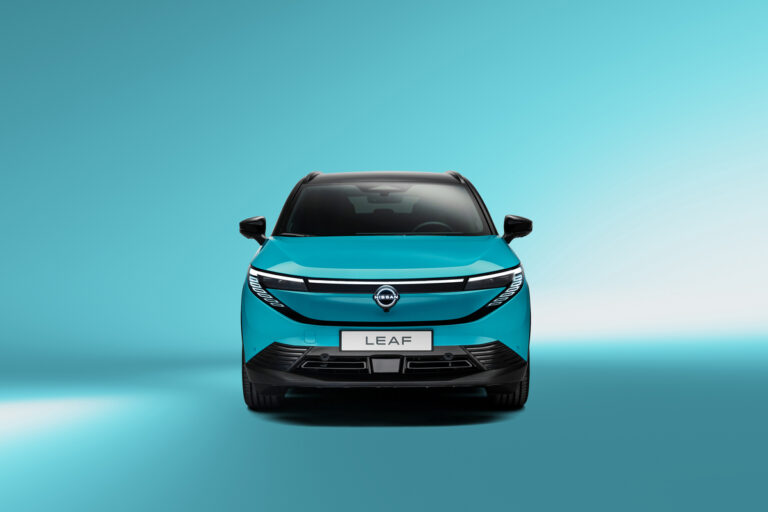
Nissan Leaf: Electric Technology and Battery
The electric Nissan Leaf has its own specific set of problems, primarily related to the battery and software.
- Battery Degradation: Especially with the first generation Leaf, battery capacity decreases faster than expected, leading to a reduced range.
- Charging Problems: There are reports of charging malfunctions, where the car does not start charging or the process unexpectedly aborts.
- Software Errors: The infotainment system is sometimes slow or freezes. Errors also occur in the software that controls the charging systems.
- Cooling System: The Leaf’s battery pack is passively cooled. In high temperatures and during intensive use, this leads to overheating and accelerated wear.
Read more: Nissan Leaf
‘ The Qashqai is one of Nissan’s best-selling models, but it has also gained a reputation for several persistent problems. ’
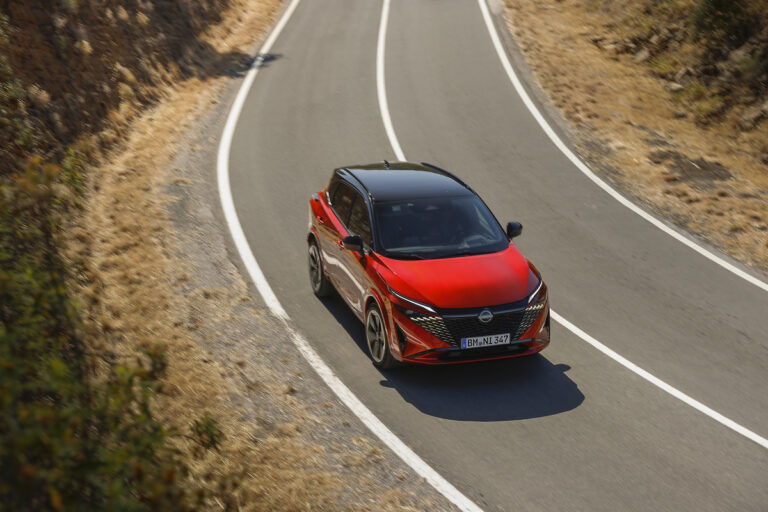
Nissan Qashqai: Popular SUV with CVT Problems
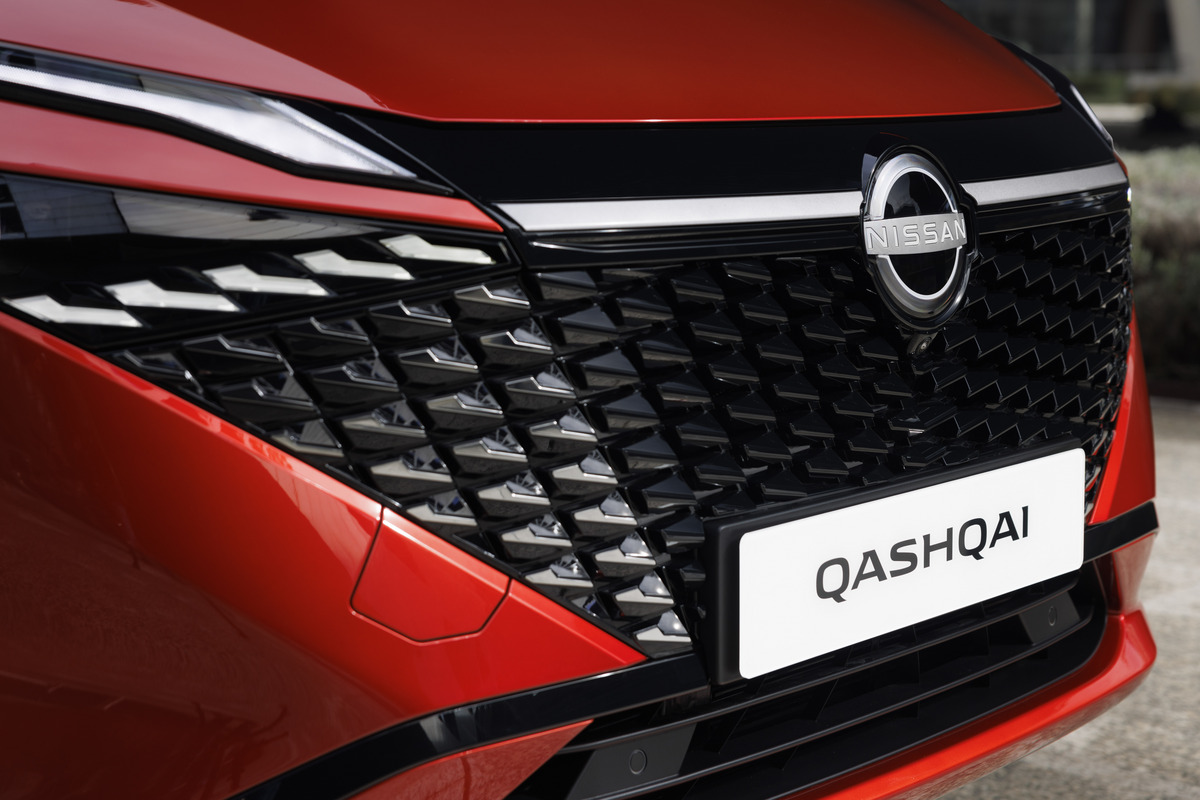
The Qashqai is one of Nissan’s best-selling models, but it has also gained a reputation for several persistent problems.
- CVT Transmission: This is the most reported problem. The automatic transmission feels sluggish, jerky, and unpredictable. Wear often occurs early.
- Turbo and Injection Problems: Certain turbocharged petrol engines are susceptible to problems with the turbo itself or with the injection system.
- Squealing Brakes: Many owners complain about squealing or grinding noises from the brakes, even after replacing brake pads.
- Chassis Noises: Rattling or creaking noises from the chassis often indicate wear of wishbone bushes or anti-roll bar links.
Read more: Nissan Qashqai
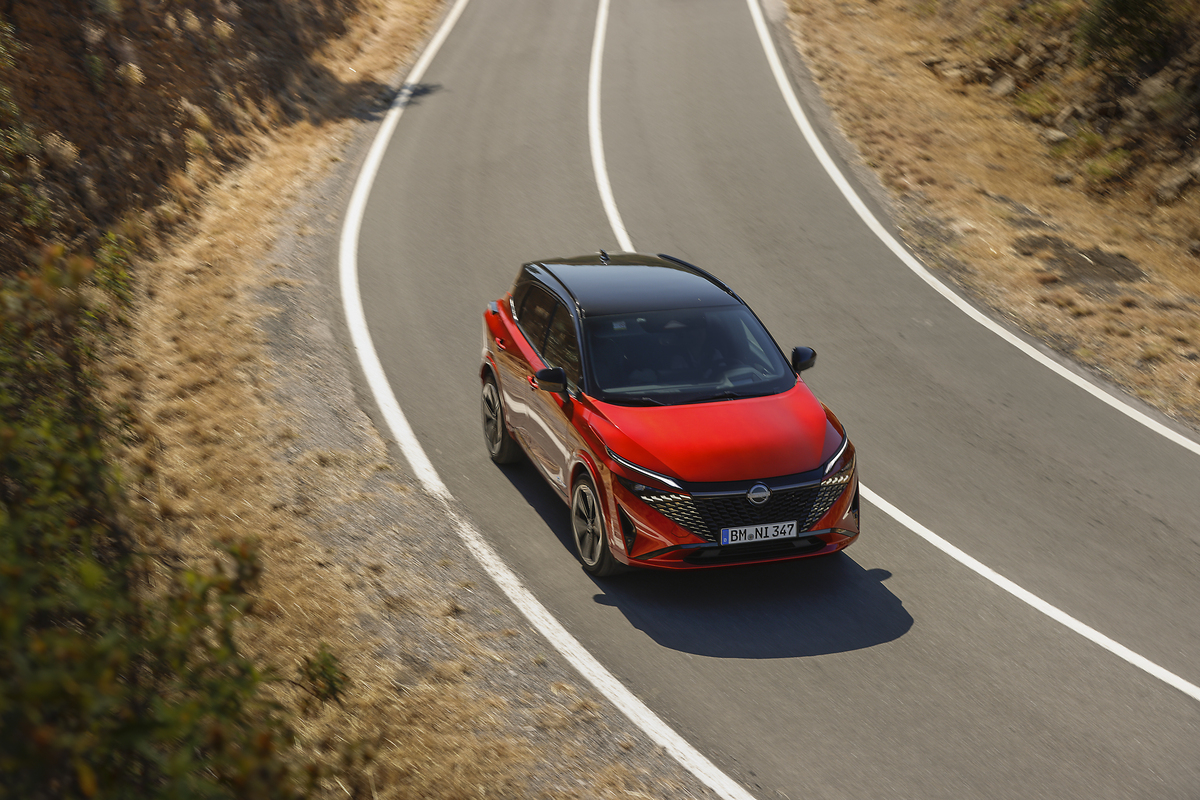
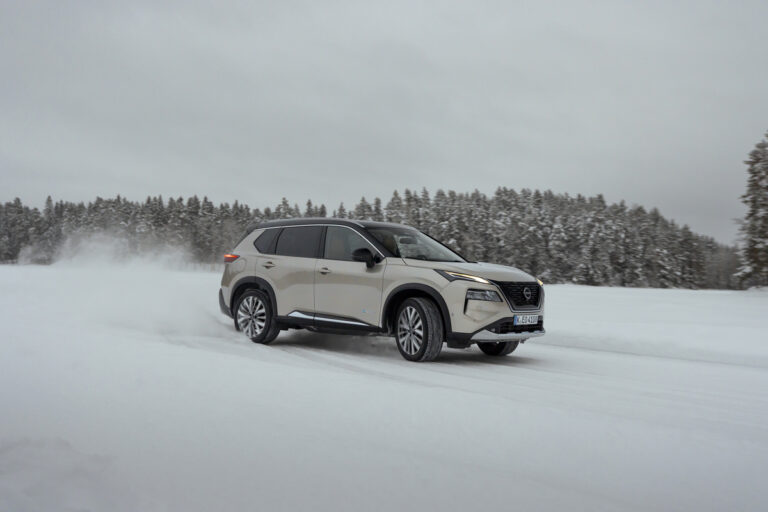
Nissan X-Trail: Space, Towing Capacity, and Weak Links
The larger X-Trail shares much technology with the Qashqai. The X-Trail is often used for towing caravans or as a heavily loaded family car. This brings specific problems to the forefront.
- Drivetrain: Under heavy loads, such as towing a trailer, the drivetrain is put under considerable strain. This leads to accelerated wear of the CVT automatic transmission.
- 4×4 System: Components of the four-wheel-drive system exhibit malfunctions. This occurs particularly with irregular use or insufficient maintenance.
- Electronic Assistance Systems: Error messages from parking sensors, the reversing camera, or other driving assistance systems are common.
Read more: Nissan X-Trail
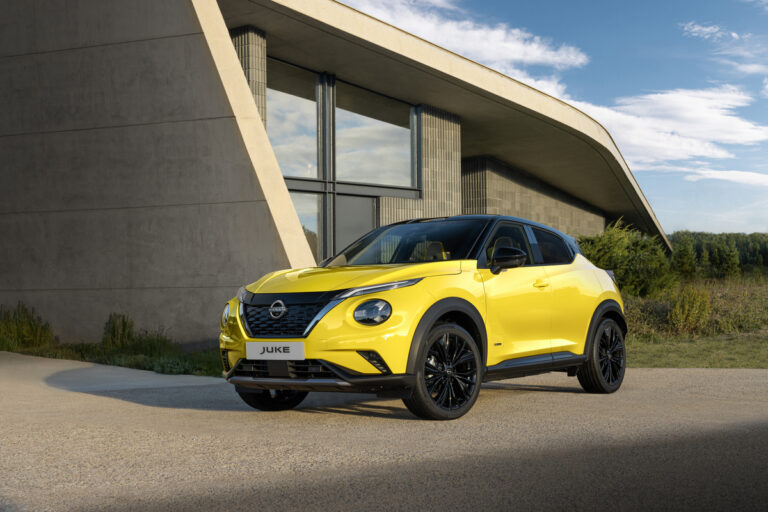
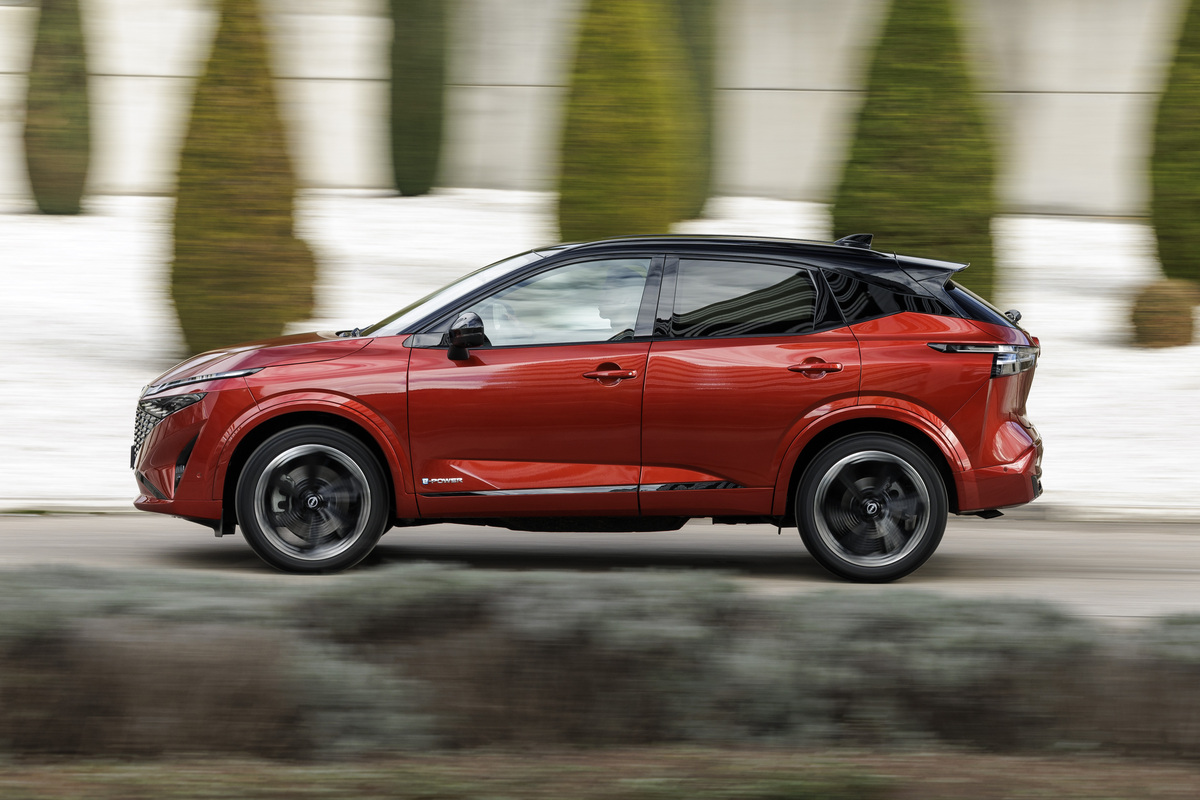
Nissan Juke: Design Icon with Technical Points of Attention
The Juke’s striking design makes it popular, but underneath lie several known technical points of attention.
- Turbo and Oil Consumption: Similar to the Qashqai, the smaller turbocharged engines lead to turbo problems and increased oil consumption.
- Timing Chain: A rattling sound on a cold start indicates a stretched timing chain, a known problem with some engines.
- Clutch Wear: A sporty driving style combined with the characteristics of the turbo engines leads to faster clutch wear.
- Infotainment: The entertainment system is not the fastest and sometimes acts up, such as losing Bluetooth connection.
Read more: Nissan Juke
‘ Software bugs occur. ’
Nissan Ariya: New EV Technology and First Experiences
The Ariya is a relatively new electric model. It does not yet have a long history of problems. However, some points of concern are already known from initial user experiences.
- Software Updates: Early software issues occur. These include problems with charging schedules, the infotainment system, or app connectivity.
- Charging Curve: The charging speed is sometimes lower than promised, especially under non-ideal conditions.
- Battery Degradation: While still early, it is important to monitor the long-term health of the battery, just like any other electric car.
Read more: Nissan Ariya
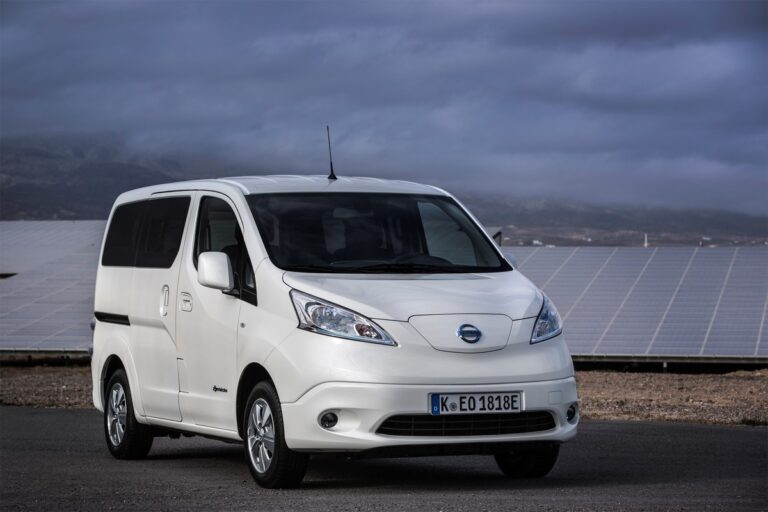
Nissan NV200: Commercial Van with Practical Problems
The NV200 is often used intensively. This applies to both the fuel variant and the electric e-NV200. Intensive use leads to wear and tear typical of commercial vehicles.
- Gearbox and Clutch: Heavy loads and frequent urban traffic cause extra strain and thus faster wear.
- Chassis and Brakes: Here too, intensive use takes its toll. Brake wear and suspension problems are common.
- Rust Formation: Always check commercial vans thoroughly for rust, especially on the underbody and around the wheel arches.
- Battery (e-NV200): Similar to the Leaf, the e-NV200’s passively cooled battery degrades faster with heavy use and high temperatures.
Read more: Nissan NV200
The Role of the CVT Transmission in Nissan Problems
Nissan’s CVT automatic transmission is a source of many complaints. This transmission operates with a push belt between two variable pulleys, providing seamless acceleration. Unfortunately, this design, especially in earlier generations, leads to problems. Overheating and wear of the push belt are the primary causes. This manifests as sluggish, jerky, or noisy driving behaviour. Nissan has implemented improvements in later model years. Nevertheless, the CVT remains a component that requires extra attention.
‘ Good maintenance significantly reduces the chance of expensive repairs. ’
Maintenance Tips to Prevent Nissan Problems
Not all problems can be ruled out. Good maintenance significantly reduces the chance of expensive repairs.
- CVT Maintenance: Have the transmission fluid changed in a timely manner, ideally more frequently than the manufacturer recommends. A gentle driving style, especially with a cold engine, also helps.
- Engine Oil: Regularly check the oil level, especially with the more common turbocharged engines. Always use the prescribed type of oil.
- Software Updates: When visiting a dealer, have them check if software updates are available for the engine, transmission, or infotainment system.
- Brakes and Chassis: Have your brakes and chassis inspected periodically, especially if you frequently transport or tow heavy loads.
Buying Advice for (Prospective) Nissan Drivers
Are you considering buying a Nissan? Use these guidelines to avoid a bad purchase.
- Choose the Right Model Years: Try to avoid models from before the most recent updates, particularly concerning the CVT. Research online which model years are considered more reliable.
- Warranty: Consider an extended warranty, specifically for the gearbox and engine. This will protect you from high unexpected costs.
- Test Drive: During a test drive, pay extra attention to the behaviour of the (automatic) gearbox. Does it feel smooth, or is it jerky and sluggish? Also, listen for unusual noises from the engine and chassis.
- User Experiences: Read reviews and watch videos from other owners. Forums contain a wealth of information about the weak points of a specific model.
Recalls, Warranty, and Experiences of Other Nissan Drivers
Always check if there are any outstanding recalls for the model you are interested in. You can often check this via the RDW website or the manufacturer’s website. Nissan has extended the warranty for CVT problems in some markets. This indicates that the problem is recognised. The general consensus among owners is that Nissans are often comfortable and practical, but the reliability of the drivetrain and electronics is a recurring concern.
Before purchasing, have a specialised pre-purchase inspection carried out to protect yourself against unexpected repair costs. The experts at Carnews specifically look for known weak points of Nissan models, so you can drive with peace of mind.