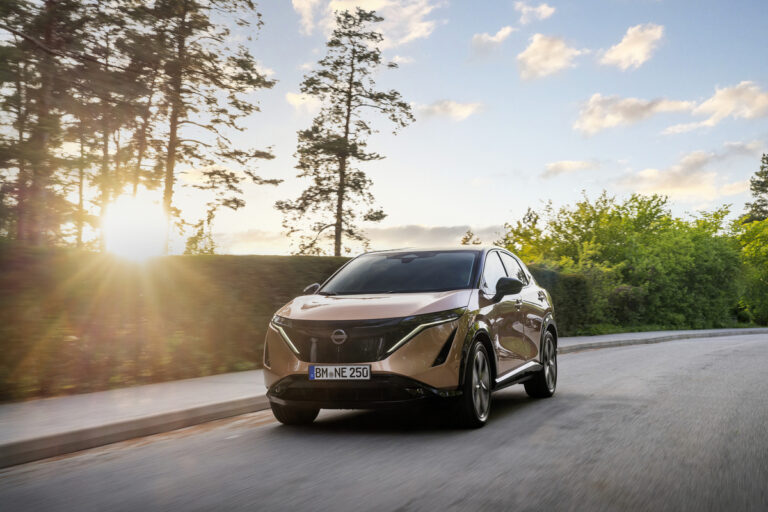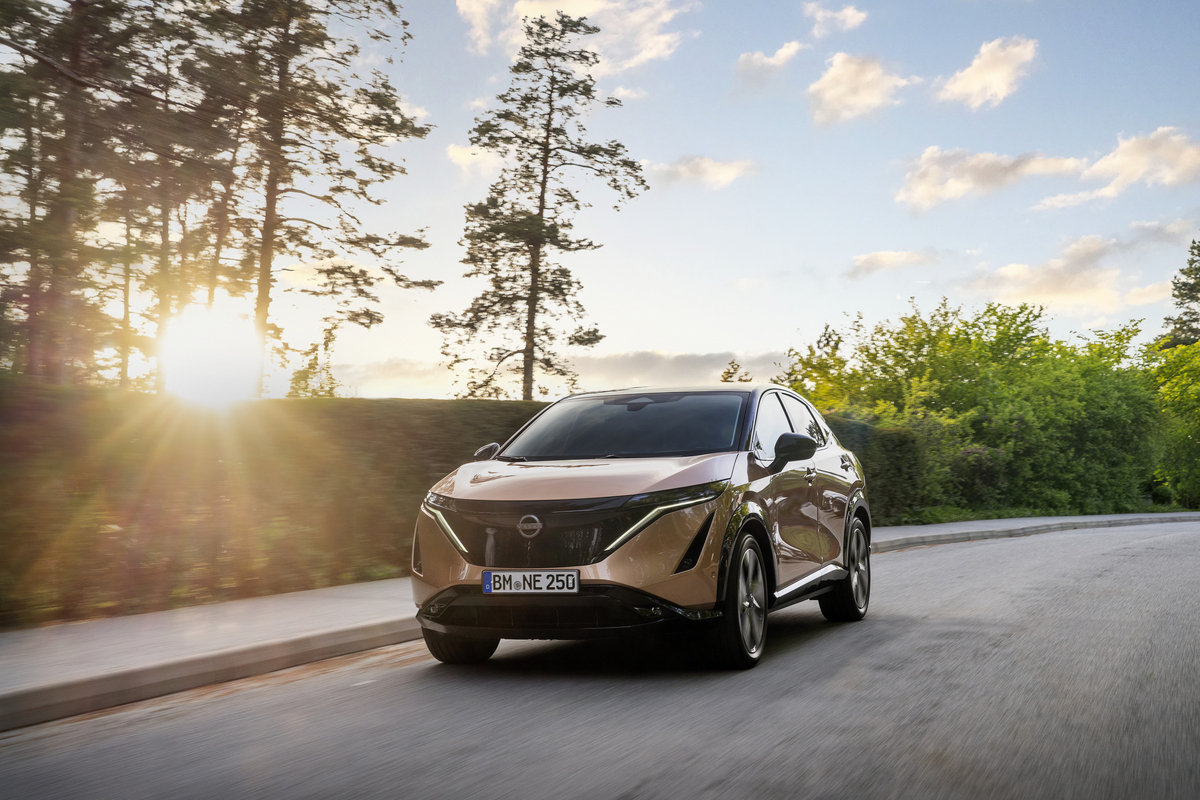
Problems with charging technology regularly occur with electric cars and have a major impact on everyday use. Owners report malfunctions with DC fast charging (rapid charging with direct current along the motorway) and Level 2 charging (faster AC charging, for example at home or on the street), which can lead to costly repairs once the warranty has expired. These charging issues are also an important point of attention when buying a used electric car. Find out which problems you can expect and how to deal with them effectively.
Why doesn’t your electric car charge quickly?
Slow charging times are a frequently reported complaint with electric vehicles. Several factors play a role here. The onboard charger (the car’s built-in charger), the component that converts alternating current into direct current for the battery, can suffer from limited current intake. Some owners report that their car only draws 13 amps, while the charging station supplies 16 amps. This results in significantly longer charging times than expected.
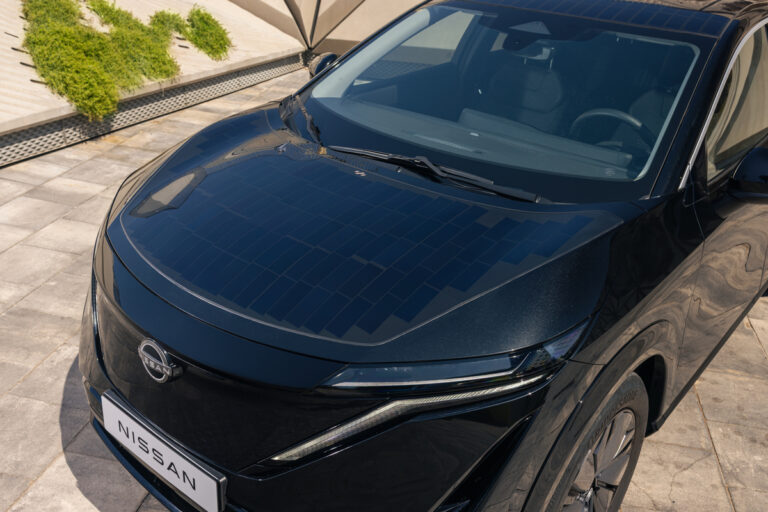
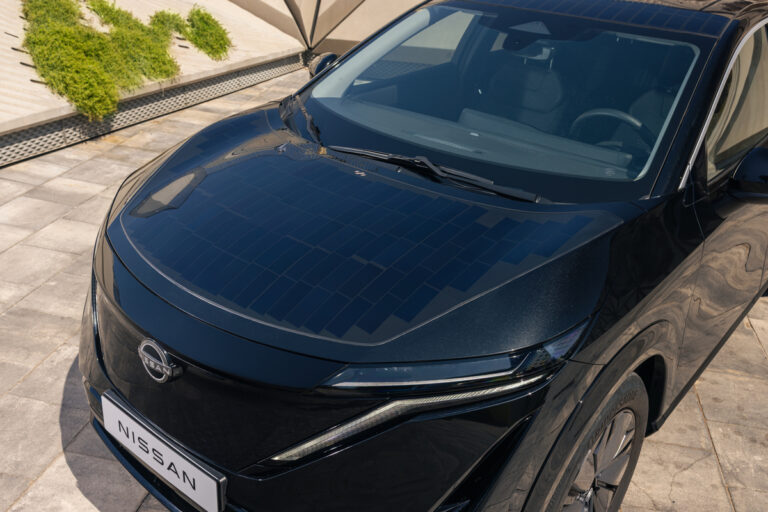
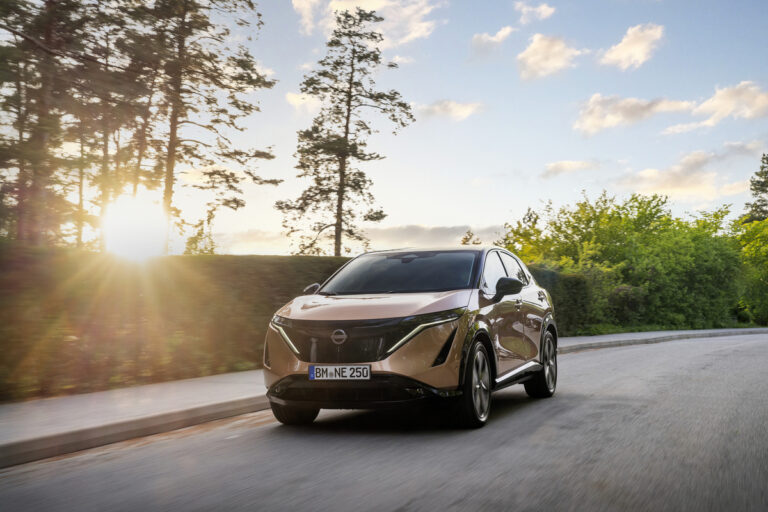
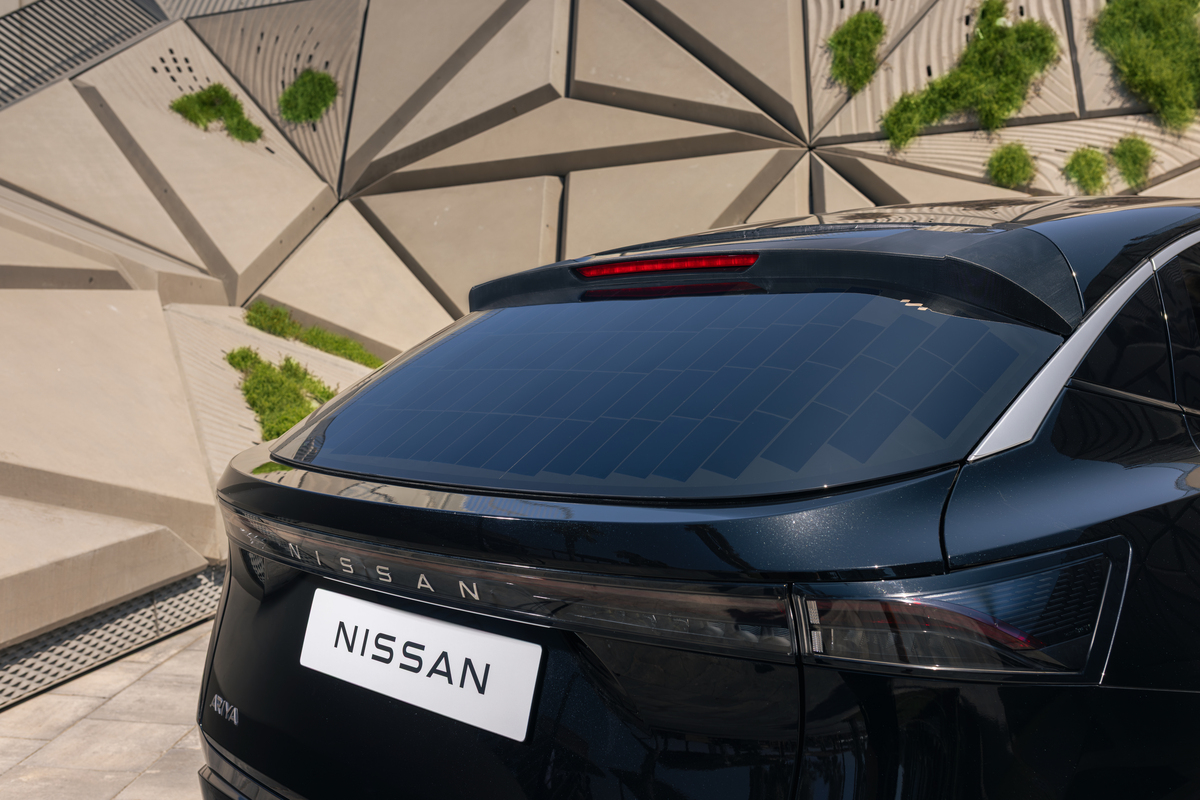
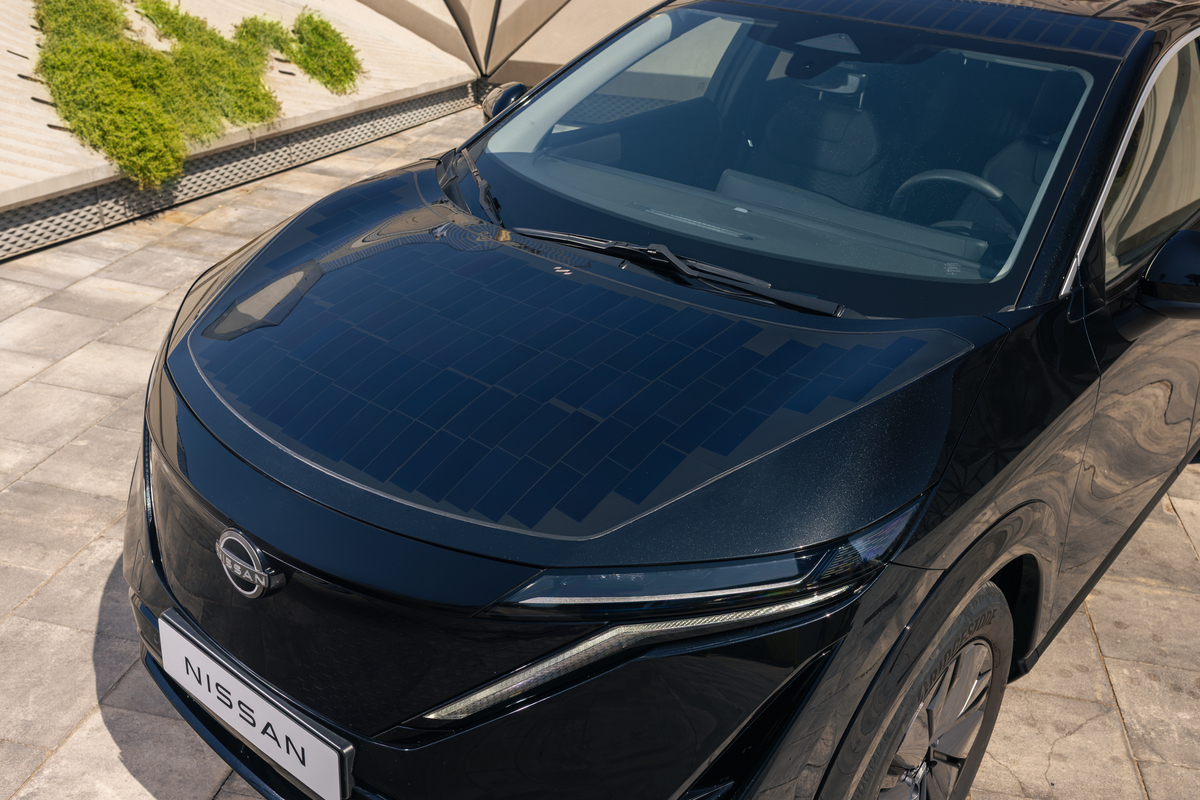
The physical connection between car and charging station must also be correct. The connector has to fit properly, followed by a correct power-up and handshake between vehicle and station. If one of these steps fails, your car will not charge, or it will charge much more slowly than the specifications promise. With certain models, such as the Nissan Ariya, charging problems are regularly reported, both at fast chargers and when charging at home.
‘ So regularly alternate with slow AC charging to extend the lifespan of your battery. ’
DC fast-charging failures and their causes
DC fast chargers deliver high power to charge your battery quickly. This technology has specific vulnerabilities. Charging stations can fail due to hardware wear, incorrect configuration or grid load. Power failures happen sporadically, with the station protecting itself against overloading. Errors in communication with the vehicle can also cause these failures.
If you come across a faulty fast charger on the road, switch to a nearby alternative. Some apps show real-time charging-station status, allowing you to check in advance whether a station is operational. This prevents unnecessary stops and frustration on longer journeys.
Frequent use of DC fast charging also has consequences for the battery itself. Rapid direct current charging accelerates battery polarisation and lithium precipitation, which reduces capacity in the long term. So regularly alternate with slow AC charging to extend the lifespan of your battery.
Level 2 charging and compatibility issues
Level 2 chargers are the standard for home charging and public AC stations. These chargers typically deliver between 3.7 and 22 kW, depending on the installation and the capacity of the onboard charger in your car. Compatibility issues arise when the specifications of the charging station and the car are not properly matched.
Many households choose a wallbox, which charges more efficiently and faster than a normal socket. Around 55 per cent of EV owners use a wallbox, while 45 per cent charge via a regular socket. A wallbox with a 32-amp onboard charger offers optimal charging speeds for daily use and is kind to the battery.
OBD-II dongles (a diagnostic device that is plugged into the car’s service port) help diagnose charging faults. These devices read error codes from the vehicle and provide insight into why the charging current is limited or why charging stops unexpectedly. This is especially useful when the problem is not clearly visible from the outside.
Costs of repairs to charging technology
Repairs to charging components can be very costly, especially once the warranty has expired. The onboard charger is a complex and expensive component, and replacement can cost several thousand euros, depending on the make and model. The charging port and associated electronics are also susceptible to wear and damage through frequent use or incorrect connection.
When buying a used electric car, always check the condition of the charging technology. Ask the seller about any previous charging problems and check whether repairs have been carried out. If in doubt, have a diagnosis performed by a specialist, who will also test the charging capacity at different types of stations.
Problems with DC fast charging are often more expensive to fix than faults in the AC charging system. The higher voltage and current require more robust components, which are more expensive to replace. Bear this in mind when budgeting maintenance costs for your electric car.
‘ Have charging problems checked by a specialist straight away to prevent more serious damage ’
Practical tips to prevent charging problems
Preventive maintenance helps to minimise charging problems. Regularly check the charging cable and connector for damage or wear. Dirt in the charging port can also cause a poor connection. Carefully clean the port with a dry cloth and make sure no moisture or dirt remains.
Apps with predictive maintenance detect anomalies in charging behaviour and predict possible faults before they occur. This reduces downtime and makes your charging infrastructure more reliable. Some brands offer built-in diagnostics that issue warnings if charging patterns deviate from the norm.
A few concrete actions you can take:
- Alternate between fast DC charging and slow AC charging to protect the battery
- Use apps to check the status of charging stations before you set off
- Have charging problems checked by a specialist straight away to prevent more serious damage
- Invest in a quality wallbox with 32-amp capacity for optimal home charging
- Monitor real-time charging data via OBD-II dongles if problems keep recurring
Future developments in charging technology
Charging technology is developing rapidly. Ultra-fast chargers with power outputs of 350 kW and higher can charge batteries to 80 per cent in 15 to 20 minutes. These systems do, however, require upgrades to the electricity grid and smart load balancing using AI and battery storage to absorb peaks and keep costs under control.
Wireless charging with power levels up to 22 kW makes cables and plugs redundant. This technology is becoming increasingly accessible at premium locations, hotels and for fleet vehicles. Brands such as Porsche are leading the way and are making wireless charging mainstream.
Interoperability between different charging networks is increasing. Roaming options and universal standards make this possible. A single app can now cover multiple networks, making charging on the road simpler and more accessible. This reduces the risk of incompatibility and charging problems on journeys outside your usual area.
Inspection tips when buying a used electric car
Charging technology is a critical inspection point when buying a used electric car. Test both AC charging and DC fast charging to verify that both systems function correctly. Measure the actual charging speed and compare it with the manufacturer’s specifications.
Ask about the maintenance history of the charging system. Have repairs been carried out in the past on the onboard charger or charging port? Check whether any warranties on these components are still valid or have recently been extended.
Watch out for warning lights or error messages that appear during charging. These may indicate underlying issues with the battery, charge controller or electrical systems. If in doubt, have a comprehensive diagnosis carried out before you proceed with the purchase.
On the Carnews website you will find extensive information about specific models, common problems and practical tips for maintenance and purchasing. Learn more about electric cars and how to spot and tackle problems at an early stage.
Frequently asked questions
Common charging problems that you can often solve yourself are: a plug that is not fully inserted or dirt in the connector, an incorrect charging card or app selection, and a charging post that needs to be restarted. First check whether the plug is fully connected and the connector is clean and dry. Then try a different charging card or app, or stop the session in the app and start again. If it still doesn’t work, choose another nearby charging post to avoid further delays.
A roof rack or towbar with a (empty or loaded) carrier increases air resistance and weight, which can make the car feel less stable (especially in crosswinds) and noticeably raises fuel consumption. The higher and wider the load on the roof, the greater the effect on steering behaviour and consumption; a rear-mounted bike carrier usually disturbs aerodynamics less than a roof box. You can minimise the negative effect by removing the rack or carrier as soon as you no longer need it, placing the load as low and streamlined as possible, and keeping tyre pressures and load distribution (front–rear balance) properly set. In addition, drive more gently (particularly slower on the motorway) and avoid abrupt manoeuvres to limit both consumption and the impact on driving dynamics.
Yes, there are smart load solutions such as specially designed roof boxes and rear carriers that minimise air resistance and therefore hardly affect performance and consumption. Manufacturers offer aerodynamic boxes with low-profile shapes and wind-tunnel-optimised designs tailored to sports cars. Choose lightweight materials (such as composites) and mounting systems that disturb the airflow around the roof and rear as little as possible. Also look for systems that can be removed quickly, so you only fit them when you really need them.
Charging too often and for too long at fast chargers (DC) can cause accelerated degradation through battery polarisation and lithium precipitation, leading to a noticeable reduction in battery capacity. Unsuitable or poorly maintained charging infrastructure can also cause faults, incorrect current levels and additional thermal load, further speeding up wear. Limit fast charging to when it is really necessary and use slow AC charging via a good wallbox for day-to-day charging. Pay attention to compatibility, avoid stations with frequent faults and monitor your charging behaviour via apps or OBD dongles to spot deviations at an early stage.