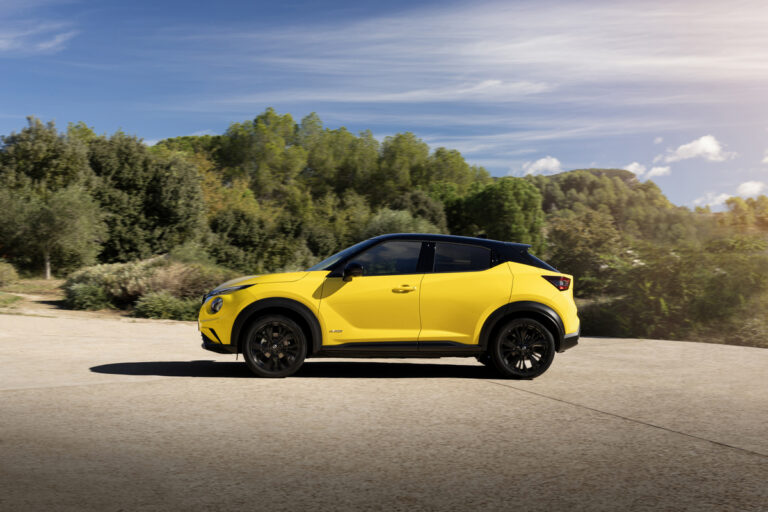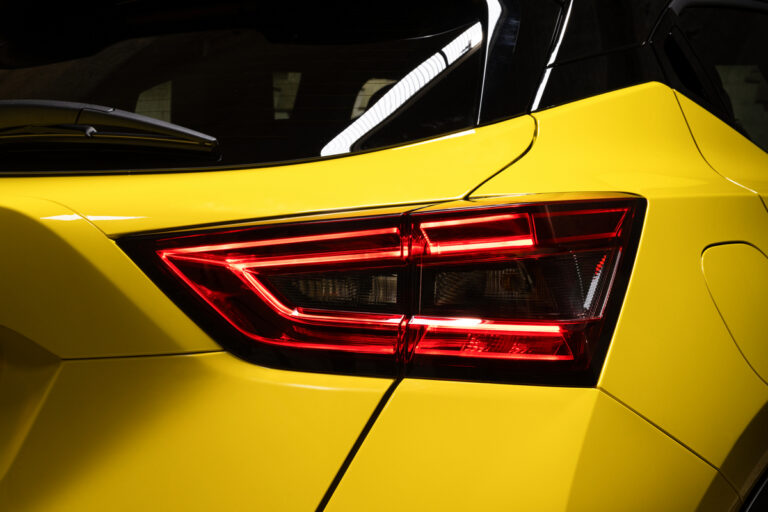
The Nissan Juke regularly suffers from unexplained coolant loss. This is caused by leaks in rubber parts, the third brake light or towbar wiring. Many Juke owners struggle with this. Do you recognise this problem and want to know how to solve it?
Why does your Nissan Juke lose coolant
The cooling system of the Nissan Juke has a capacity of around 9.4 litres. In particular, models with the 1.6L MR16DDT turbo engine (a specific engine type that Nissan used in this period) from the years 2011 to 2017 regularly show coolant consumption. This often happens without any clear signs of leakage under the car.
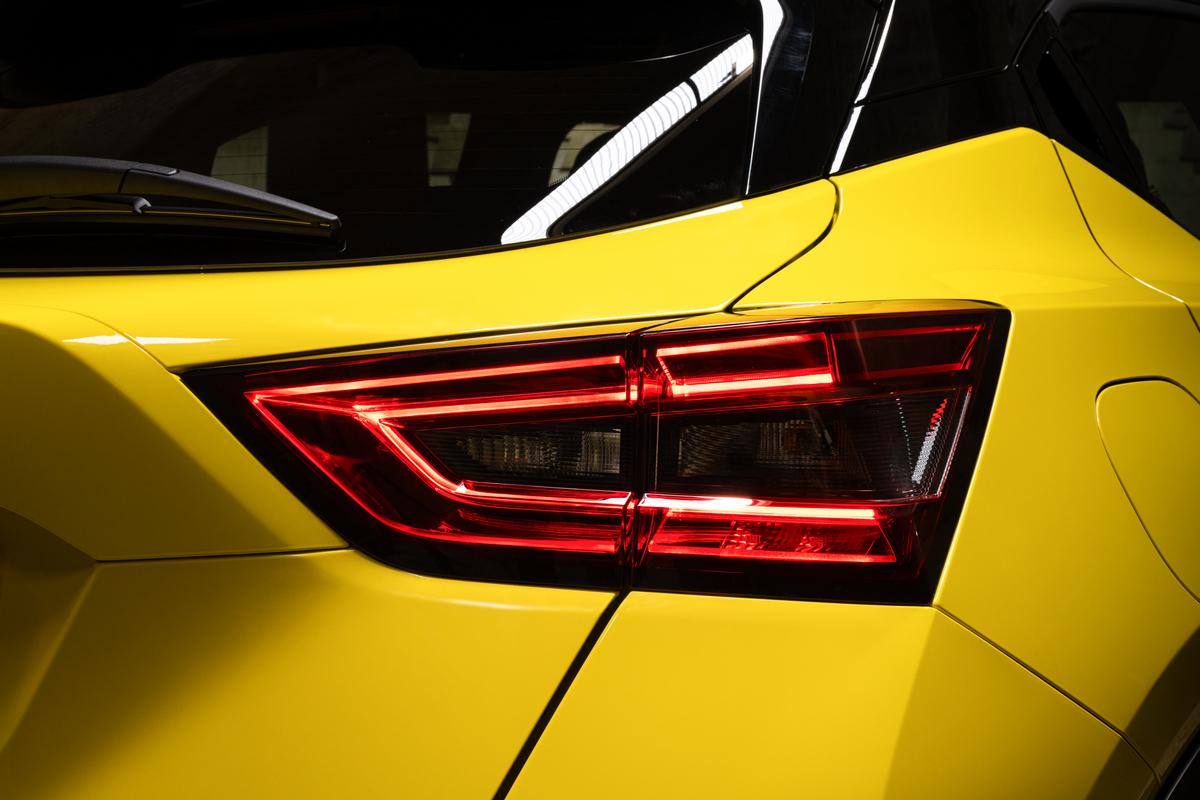
The problem is in unexpected places. Rubber parts can become porous over time, causing coolant to leak away slowly. The third brake light is also a frequent cause. The housing of this brake light can crack or fail to seal properly, allowing coolant to seep inside. On Jukes with a towbar, the cables for the towbar wiring can also become damaged, which in turn causes leaks.
These leaks are difficult to detect because they are often small. The coolant evaporates before you see puddles under the car. As a result, you keep topping up coolant without finding the real cause.
‘ Turbo load during sporty driving can make the problem worse, because the pressure in the cooling system is then higher. ’
How to recognise coolant leaks on the Nissan Juke
Watch out for these signs:
- You need to top up coolant regularly, for example every few weeks
- The engine temperature gauge rises higher than normal
- You notice a sweet smell in or around the car
- There is moisture or residue around the expansion tank
- The windscreen often mists up on the inside
Some owners report that they particularly notice coolant loss in cold weather or after longer journeys. Turbo load during sporty driving can make the problem worse, because the pressure in the cooling system is then higher.


This is how you fix coolant leaks
Start with a thorough inspection. Check all rubber components in the cooling system for cracks or hardening. Replace hoses as a precaution if they have covered more than 100,000 kilometres. Rubber becomes brittle over time, even if you cannot yet see a leak.
Carefully inspect the third brake light. Remove the housing and check for signs of coolant. Replace the brake light if the housing is damaged or does not seal properly. This is a relatively inexpensive repair that can solve many problems.
Do you have a towbar? Then also inspect the wiring. Check whether cables are rubbing against components of the cooling system. Reroute the cables or protect them with a protective sleeve.
Have a garage carry out a pressure test on the cooling system if you cannot find the leak yourself. This test will also reveal small leaks that are not visible to the naked eye.
Maintenance tips for the cooling system
Prevent bigger problems with regular maintenance:
- Check the coolant level every month in cold weather
- Always top up to the maximum mark in the expansion tank
- Use genuine Nissan coolant in a 50/50 mixture with distilled water
- Replace coolant every 100,000 kilometres or after 5 years
- Keep an eye on the engine temperature gauge while driving, especially during sporty driving
Never mix tap water with the coolant. Tap water contains minerals that form deposits in the cooling system. This can lead to blockages and overheating.
‘ This is money well spent, because it prevents you from spending a long time searching for a leak you cannot find yourself. ’
What does the repair cost
The costs depend on the cause of the leak. New hoses cost between 50 and 150 euros, depending on which hoses you replace. A new third brake light costs about 30 to 80 euros. Labour time for these repairs is limited, often between half an hour and one and a half hours.
Having a pressure test done at the garage? Then count on 50 to 100 euros. This is money well spent, because it prevents you from spending a long time searching for a leak you cannot find yourself.
Is it a known problem among Juke owners
Coolant loss occurs regularly on the Nissan Juke. On forums and in real life, owners often report this problem, particularly on models with higher mileages. There has been no recall, but it is a recurring complaint.
Owners of Nismo models (the sporty version) and SL models (a more luxurious variant) sometimes report higher consumption due to the extra turbo load. The more powerful tuning results in higher temperatures and more pressure in the cooling system. That makes weak points show up more quickly.
Therefore, as a preventive measure, check all rubber parts and seals after 60,000 kilometres. Do not wait until you have to top up regularly, because low coolant can lead to overheating and expensive engine damage. By acting in time, you prevent small leaks from turning into major repairs to the engine or clutch system.
Frequently asked questions
The most common causes of excessive coolant consumption on a Nissan Juke are leaks (for example at the expansion tank or hoses), extra thermal load from the turbo engine and generally ageing components in the cooling system. You can recognise this by regularly dropping levels in the expansion tank, an engine temperature gauge that rises more often and any damp patches or crystalline deposits around hoses, radiator or expansion reservoir. There may also be a sweet smell under the bonnet. If in doubt, have a pressure test carried out on the cooling system to track down hidden leaks.
First check the coolant level in the expansion tank (cold, car on level ground) and see whether it is between MIN and MAX. Visually inspect hoses, radiator, expansion tank and connections for signs of moisture, white/rusty deposits or sweet smells, including on the ground under the car after parking. Look in the engine bay and around the turbo (if present) for signs of leaks and check that there is no white smoke coming from the exhaust (this may indicate an internal leak). During a test drive, pay attention to the engine temperature gauge and any warnings on the dashboard; note your findings so that you can discuss them with the garage in a targeted way.
Ignoring high coolant consumption over a longer period can lead to overheating, which causes serious engine damage such as warped cylinder heads, a blown head gasket and internal leaks. This can result in loss of compression, loss of power and an irregular or rough-running engine. It also increases the risk of corrosion and deposits in the cooling system, further reducing cooling capacity. Ultimately, this can lead to a complete engine rebuild or replacement, with high costs and permanently reduced performance.
Check the coolant level in the expansion tank at least once a month and only top up with coolant recommended by Nissan (50/50 with distilled water). Have the coolant completely replaced according to the maintenance schedule (around every 100,000 km or 5 years) and at the same time check hoses, clamps and the expansion tank for early signs of leaks. Do not use tap water for topping up, to prevent corrosion and deposits in the cooling system. If you notice significantly higher consumption or temperature fluctuations, it is advisable to have a pressure test of the cooling system carried out at an early stage.
Increased coolant consumption seems to occur mainly on Nissan Juke models with the 1.6L MR16DDT turbo engine (particularly sportier versions such as the Nismo) and with higher mileages. When buying, look for signs of leaks around the expansion tank, hoses and radiator, check that the coolant level remains stable and ask about the maintenance or replacement history of the cooling system. In day-to-day use it is important to keep an eye on the temperature gauge, especially during sporty driving, and to check the coolant level regularly. Always use the specified (EU spec) Nissan coolant and, if in doubt, have a pressure test of the cooling system carried out.