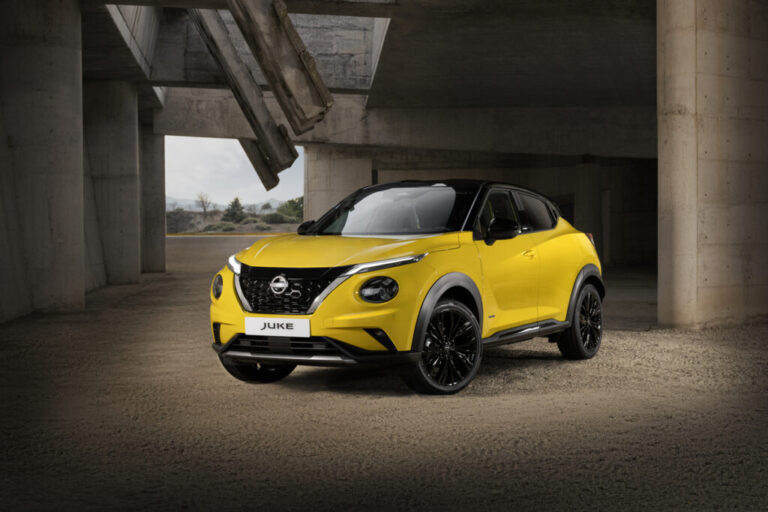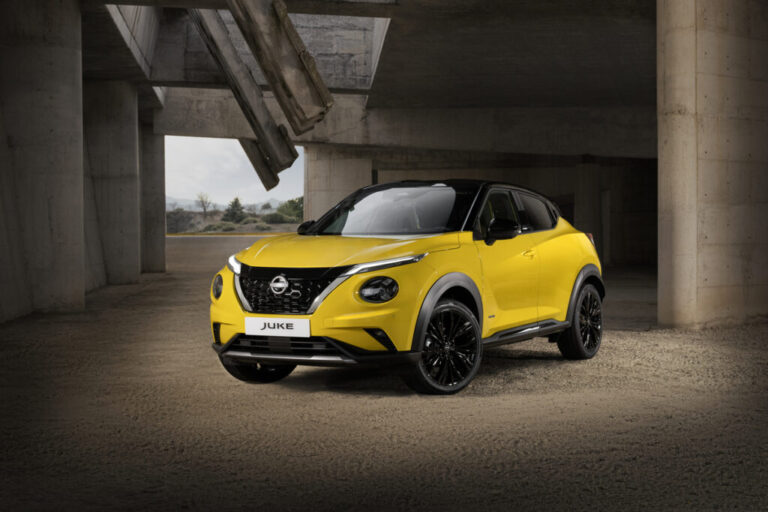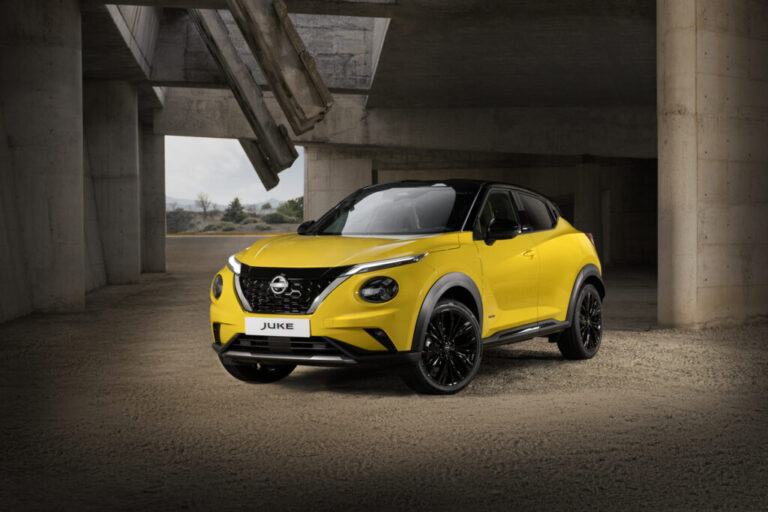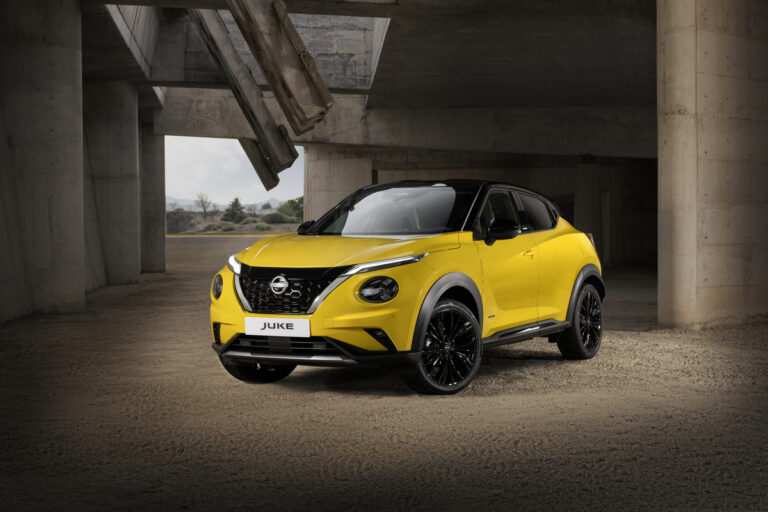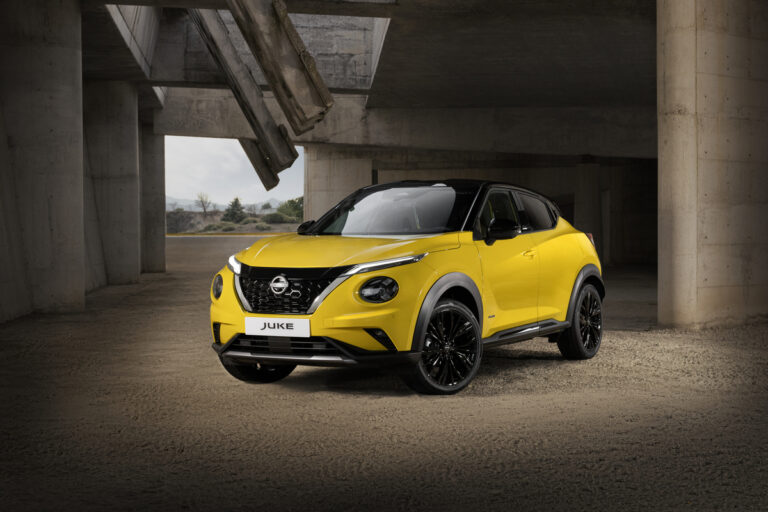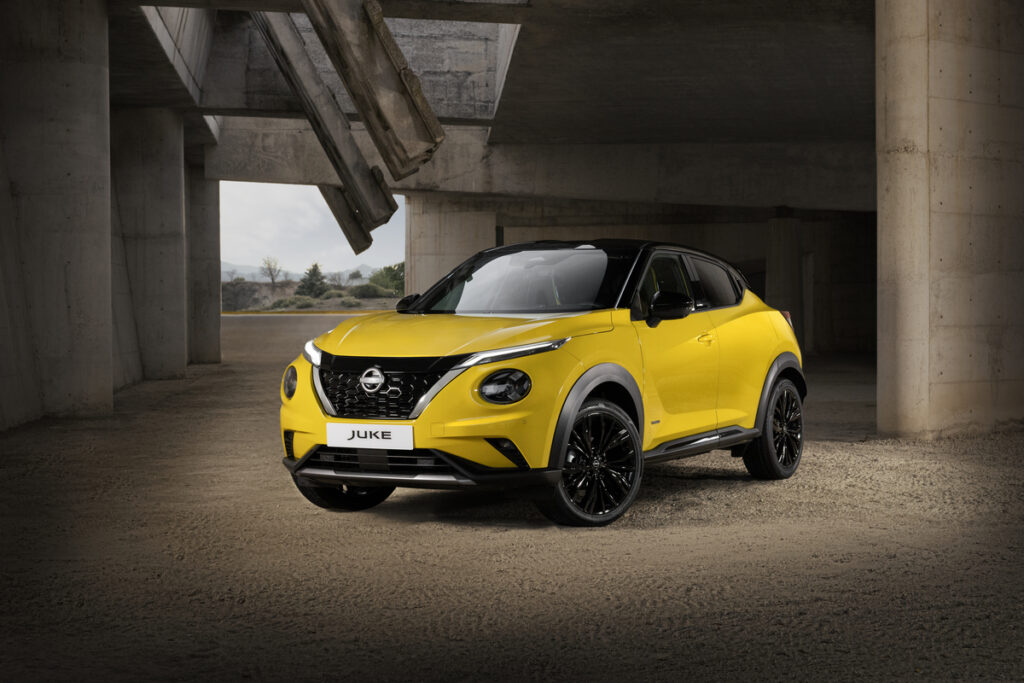
In real-world use, the Nissan Juke often consumes more than 8 litres per 100 kilometres, especially the older petrol versions with automatic transmission. Faulty sensors, turbo issues and the sensitive CVT transmission are regularly at the root of this problem. Why does your Juke use so much fuel, and what should you do about it?
Why does the Nissan Juke use more than 8 litres per 100 km?
The Nissan Juke is not known as a fuel-efficient car, certainly not in the older petrol versions. The 1.6-litre naturally aspirated petrol engine has a real-world consumption of 6.9 to 7.8 litres per 100 kilometres. With a lot of city driving, cold weather or a sporty driving style, consumption can rise to over 8 litres.
The combination of the relatively heavy crossover body and the not particularly modern engine design leads to a higher fuel demand. In the automatic versions, the CVT transmission (a continuously variable automatic transmission) plays an important role: it often lets the engine run at high revs, which pushes consumption up further. Users report winter consumption figures of 1 in 13.5, while in summer this can improve to 1 in 15 or better.
Technical problems make this effect worse. Dirty or faulty sensors, a hesitant turbo or a poorly functioning CVT transmission can cause fuel use to rise sharply. The engine then receives incorrect information about air and fuel supply, so the tuning is off and the car continuously runs too rich.
What technical causes are behind it?
A number of technical factors directly contribute to the high fuel consumption of the Nissan Juke:
- Lambda sensor or mass air flow sensor: A dirty or faulty sensor gives incorrect readings, causing the engine to inject too much fuel.
- CVT transmission: The continuously variable transmission keeps the engine at higher revs for longer, especially when accelerating or at higher speeds on the motorway.
- Turbo pressure: If the turbo is not working optimally, the engine has to work harder to deliver the same power, which increases consumption.
- Ignition system: Worn spark plugs or ignition coils lead to incomplete combustion and therefore higher fuel consumption.
- Air filter and intake system: A clogged air filter restricts airflow, making the engine less efficient.
These problems do not always appear straight away, but can develop over time through normal wear or overdue maintenance. A diagnostic check with a scan tool will show which sensor or component is not working properly.
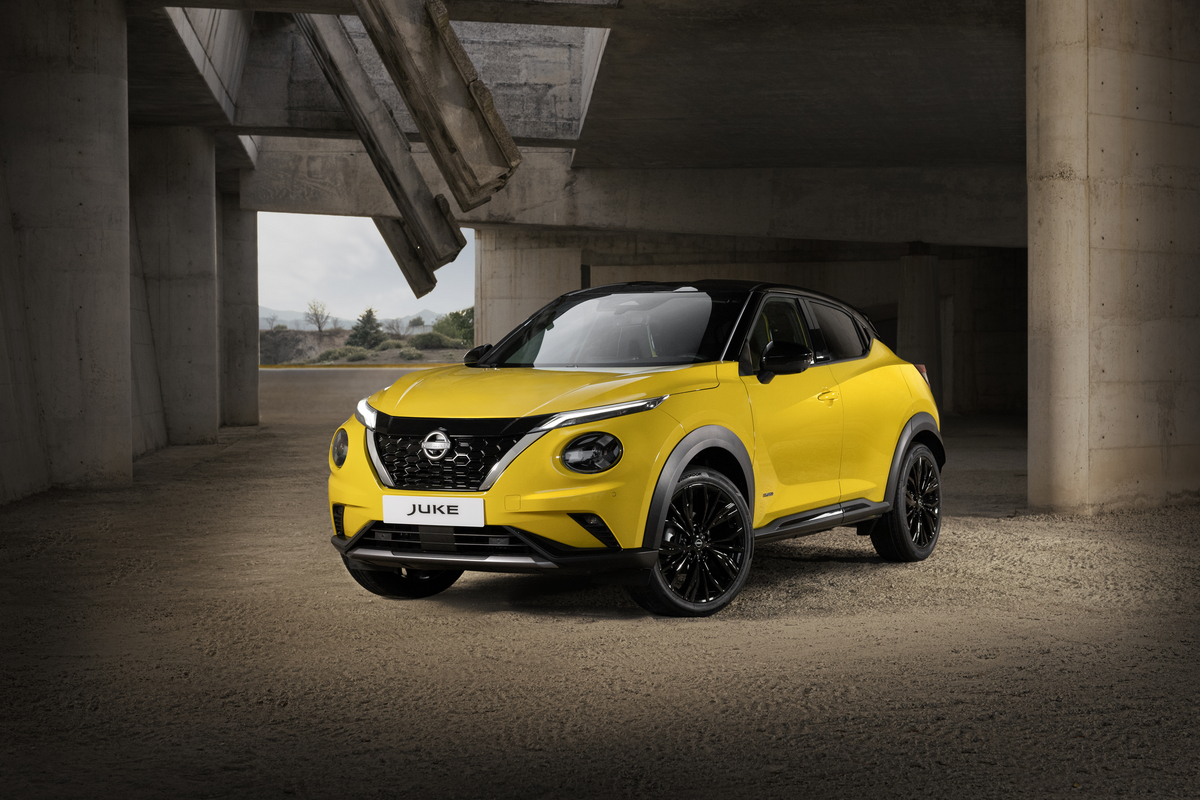
How can you reduce the Juke’s fuel consumption?
You can reduce the fuel consumption of your Nissan Juke by taking a number of practical measures. Many of these are easy to apply and give immediate results.
Check tyre pressures regularly. Tyres that are underinflated increase rolling resistance and raise fuel consumption. Pressures can drop especially in winter, so check them monthly and top up where needed. Drive calmly and anticipate traffic: maintaining a steady speed uses less fuel than frequent acceleration and braking. Avoid unnecessary bursts of acceleration and use engine braking where possible.
Plan short journeys intelligently. A cold engine uses more fuel than one at operating temperature, so several short trips in succession are better than separate journeys each starting with a cold engine. Remove unnecessary weight from the car: every kilo counts in a compact crossover. Clear unused items from the boot and only fit roof racks when you really need them.
Use ECO mode if your car has it. This setting softens throttle response and can noticeably reduce fuel consumption. Have the car serviced regularly: replace air and fuel filters on time, change the engine oil according to schedule and have sensors checked if consumption seems abnormal.
Realistic consumption of the Nissan Juke 1.6 automatic
For the Nissan Juke 1.6 with automatic transmission, real-world consumption is around 1 in 12. That works out at roughly 8.3 litres per 100 kilometres. This figure applies to mixed use, with both city and motorway driving.
With mostly city driving, consumption can rise to 1 in 11 or even 1 in 10, especially in winter or with lots of short trips. On the motorway at steady speeds of 100 to 120 kilometres per hour, 1 in 13 is achievable, but higher speeds and sporty driving will quickly bring that figure down.
The CVT transmission plays a major role in this consumption. It often keeps the engine at higher revs, which costs efficiency. When accelerating or at higher speeds this effect is even stronger. Anyone wanting a more economical Juke would be wise to avoid the 1.6 automatic and opt for a manual version or a more recent model with a hybrid powertrain.
‘ The downside is the smaller boot: it drops from 422 to 354 litres because of the battery pack. ’
More economical alternatives within the Juke range
From 2020, Nissan has equipped the Juke with a hybrid powertrain that is significantly more economical than the older petrol versions. The Juke Hybrid combines a 1.6-litre four-cylinder petrol engine with an electric motor, delivering a combined system output of 143 hp.
Nissan quotes a consumption figure of 5.0 litres per 100 kilometres for the Hybrid. Real-world tests come close to this: measurements have recorded consumption of 5.5 litres and in some cases even 4.7 litres according to the trip computer. The hybrid can drive short distances of up to about 2 kilometres fully electric at speeds of up to 55 kilometres per hour, which is particularly beneficial in town.
Nissan claims that the Hybrid saves up to 40 percent fuel in city traffic and 20 percent in mixed use, compared with the conventional petrol versions. The hybrid is not only more economical, but also more responsive in everyday driving. The downside is the smaller boot: it drops from 422 to 354 litres because of the battery pack.
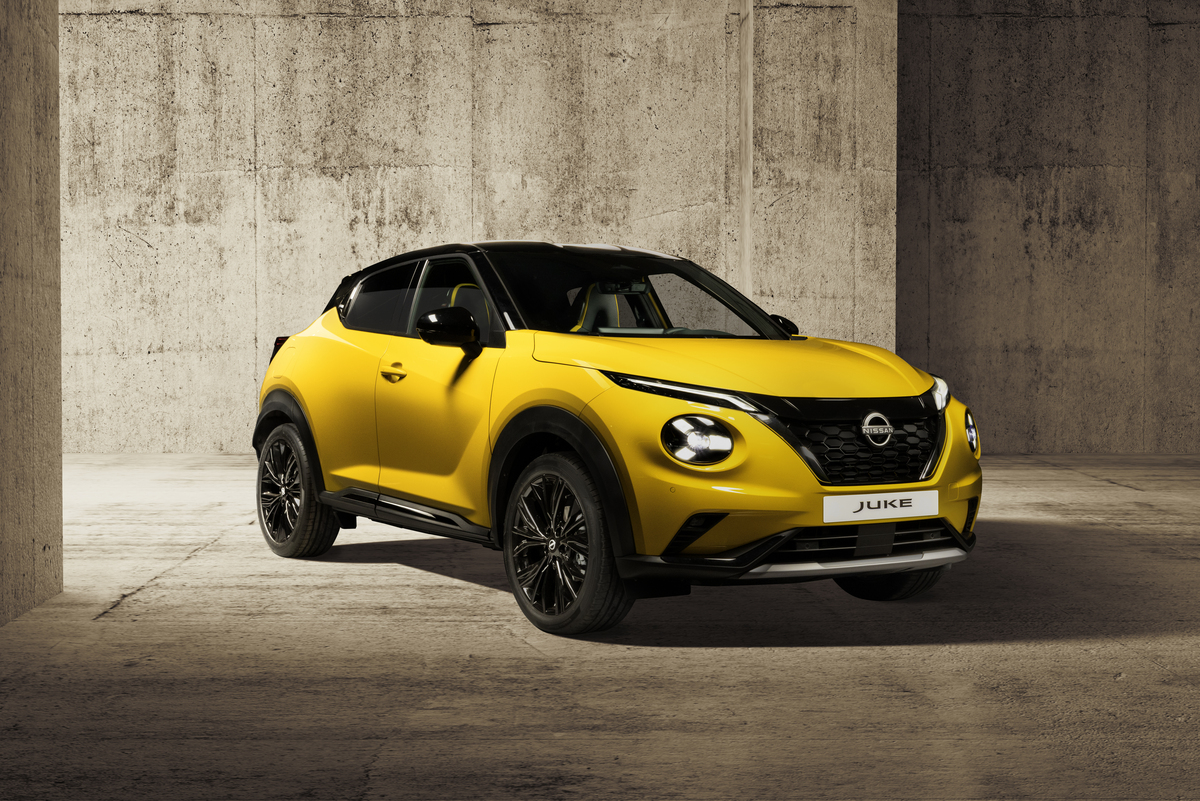
What can you do if consumption keeps rising?
If the fuel consumption of your Nissan Juke keeps increasing despite all your efforts, a thorough diagnosis is essential. Have the car checked at a garage with specialist equipment. An OBD scan (diagnosis via the car’s onboard computer) will show fault codes pointing to defective sensors, turbo problems or issues in the fuel system.
Pay particular attention to the lambda sensor and mass air flow sensor. These sensors are vulnerable and, when faulty, often cause higher fuel consumption without the engine actually running badly. Also have the CVT transmission checked: if it does not change ratios smoothly or constantly holds high revs, this may indicate wear or a software problem.
Consider a major service in which all filters, spark plugs and ignition coils are replaced. This can immediately improve consumption and helps prevent small issues from developing into major failures. Keep a logbook of your fuel use so you can spot patterns and take targeted action.
Discover more about the Nissan Juke on Carnews
Fuel consumption is only one aspect of driving a Nissan Juke. On the Carnews website you will find extensive information on common problems, maintenance tips and practical experiences from other Juke drivers. Discover which versions are the most reliable, which parts need extra attention and how to get the best from your Juke. Stay informed and make well-considered choices with the knowledge and tips that Carnews provides.
Frequently asked questions
The most common causes of high fuel consumption with the Nissan Juke are mainly short journeys and lots of city driving, where the engine never properly reaches operating temperature. In addition, a heavy right foot, frequent hard acceleration and high motorway speeds greatly increase consumption, particularly with the older 1.6 petrol engine. Incorrect or low tyre pressure and extra weight in the car also increase fuel use. Finally, the Juke uses more fuel in winter conditions than in summer.
Regularly checking your tyre pressures and topping them up where necessary reduces rolling resistance and therefore fuel consumption. Make sure maintenance (oil, filters, spark plugs) is carried out on time so the engine continues to operate efficiently. Remove unnecessary weight from the car and drive at a steady speed rather than frequently accelerating hard and braking sharply. Use ECO mode where possible and avoid idling the engine unnecessarily.
A restless driving style with lots of hard acceleration, late upshifts and high cruising speeds can significantly increase the fuel consumption of your Nissan Juke, especially with the older petrol engines. Optimise your consumption by accelerating gradually, changing up in good time and maintaining as constant a speed as possible. Also keep tyre pressures at the correct level and avoid unnecessary weight in the car. Use ECO mode where possible and combine short trips so the engine has to run cold less often.
Yes, there are clearly engine variants of the Nissan Juke that inherently use more fuel than others. In particular, the older 1.6 naturally aspirated petrol engine is described as slow and relatively thirsty, with real-world figures around 6.9–7.8 l/100 km. The later 1.0 DIG‑T and especially the Hybrid versions are noticeably more economical, with the hybrid in tests staying close to or even below 5.5 l/100 km. The engine type is therefore an important factor in the Juke’s fuel consumption.
Tyre pressures that are too low increase rolling resistance, causing the Nissan Juke to use more fuel and roll less smoothly. Pressures that are too high can reduce the contact patch, which may save a little fuel but comes at the expense of grip and comfort. The type of tyre (for example eco, all-season or winter tyres) also affects rolling resistance: eco tyres are designed for lower consumption, while tyres with a coarser tread pattern or softer compound often require more energy. By maintaining the correct pressure as prescribed by Nissan and choosing tyres with low rolling resistance, you can significantly reduce the Juke’s fuel consumption.