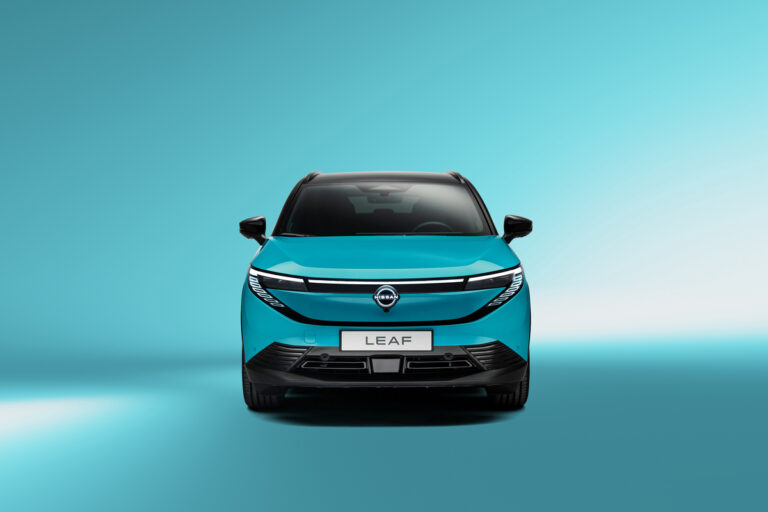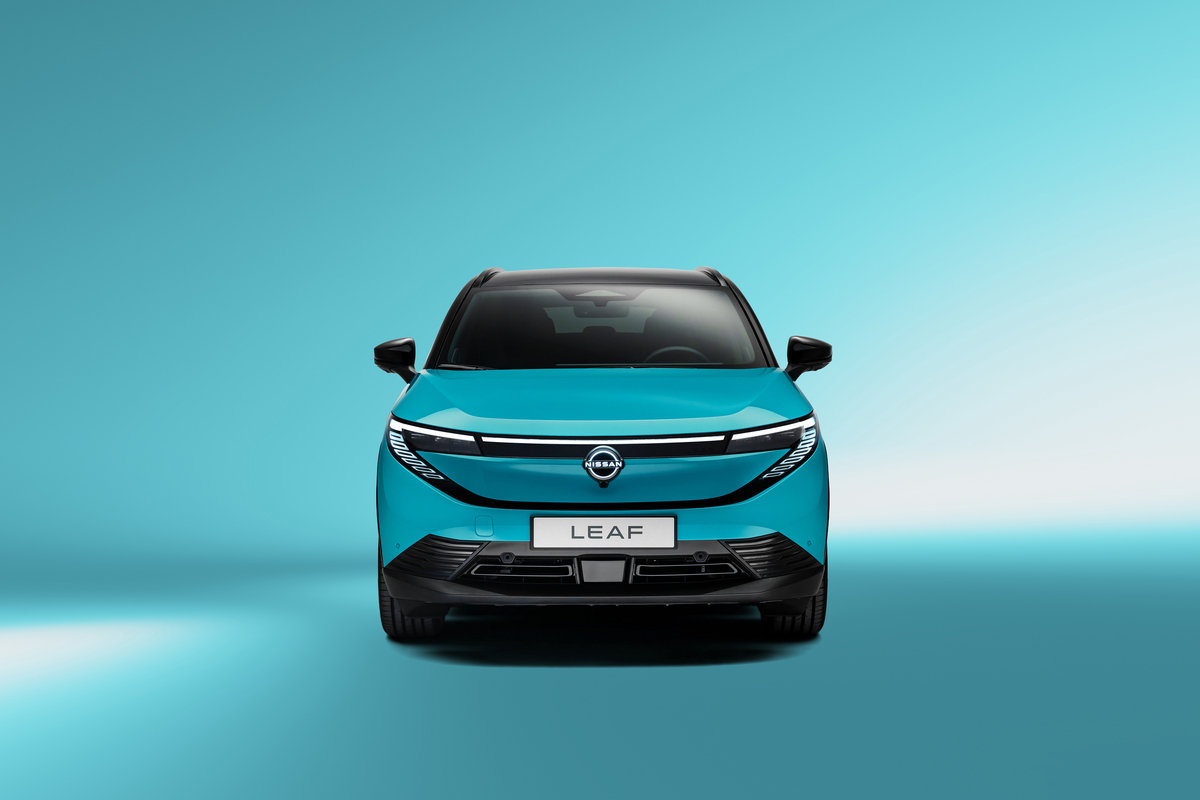
Nissan Leaf – a list of all common problems and malfunctions
The Nissan Leaf has been a popular electric car for over a decade, but it does have specific technical issues that owners and potential buyers should be aware of. Battery degradation, charging problems, and a vulnerable 12V battery are the most commonly reported malfunctions for this model. Make sure you know what to look out for, because with the right knowledge you can prevent a lot of frustration and unexpected costs.
Why understanding Nissan Leaf problems is important
Anyone considering buying a Nissan Leaf, or already owning one, would be wise to be aware of the common malfunctions. This knowledge is especially important because the Leaf has unique characteristics. In 2010, the Leaf was the first mass-produced electric car, which means older models are now known for certain teething problems. By understanding these issues, you can better estimate maintenance costs and recognise symptoms earlier. You can also take preventative measures. When buying a second-hand model, you can also better assess whether the car has been well maintained. For more context on technical problems with Nissan in general, see Nissan car problems.
‘ This means that a Leaf with an original range of 160 kilometres will only achieve 110 to 130 kilometres on a full charge. ’
Battery degradation: the biggest concern
The most well-known problem with the Nissan Leaf is the deterioration of battery capacity. This issue particularly affects models from before 2015, which lack active battery cooling. The battery heats up during use and charging, accelerating chemical processes that shorten its lifespan. The result is a noticeable decrease in range after several years of use.
Owners report a 20 to 30 percent loss of capacity after five to seven years. This means that a Leaf with an original range of 160 kilometres will only achieve 110 to 130 kilometres on a full charge. Battery degradation can be observed via the capacity indicator on the dashboard, which uses 12 bars. Each lost bar represents approximately 15 percent less capacity.
How to limit battery degradation
Although battery wear is inevitable, you can limit its rate. Avoid fast charging as much as possible, especially in warm conditions. Preferably charge the battery at home with a wallbox and avoid leaving the battery fully charged or completely empty for extended periods. Park the car in the shade or in a garage whenever possible.
In cases of severe degradation, options are available. Nissan sometimes offers a warranty of up to eight years or 160,000 kilometres, depending on the year of manufacture and country of purchase. A new battery costs between €5,000 and €8,000, depending on the model. Refurbished batteries or those from scrap vehicles are cheaper alternatives, but always check the condition of such a battery.
Charging problems and Rapidgate
In addition to battery degradation, the Leaf experiences specific charging problems. The first generation of rapid charge versions, in particular, suffer from what is known as Rapidgate. This problem refers to a specific situation during rapid charging where you rapid charge the car several times in a row, for example, during a long journey. The battery heats up significantly as a result, and the car automatically limits the charging speed to prevent damage. Charging at a rapid charger can then suddenly take much longer than expected.
The charging port itself can also cause issues. The charging port’s cover may jam or fail to close properly. The contact pins inside the port can show corrosion. This particularly occurs in cars that are often left outdoors. It leads to poor connections and charging errors. Regularly check that the port is clean and dry, and treat the contacts with contact spray as a preventative measure.
‘ A flat 12V battery means you cannot start the car, even if the main battery is fully charged. ’
The 12V battery as a weak link
Many Leaf drivers forget that, in addition to the large traction battery, the car also has a conventional 12V battery. This small battery powers the electronics and enables the car to start. Unfortunately, this battery is susceptible to discharge, especially if the car is left stationary for an extended period.
A flat 12V battery means you cannot start the car, even if the main battery is fully charged. Symptoms include warning lights on the dashboard, electronic malfunctions, or a car that does not respond at all. The 12V battery typically lasts four to five years. With irregular use, it may fail sooner.
Replace the 12V battery preventatively after four years or as soon as you notice any problems. Ensure you purchase a battery with the correct specifications, as not every 12V battery is suitable for an electric car. Some owners install a trickle charger if the car is stationary for longer periods.
Braking system and regenerative braking
The Nissan Leaf brakes largely through regeneration, which recovers energy back to the battery. This means the mechanical brakes are used much less frequently. While this sounds positive, it also has a drawback: the brake discs and pads can start to rust due to infrequent use. This leads to reduced braking power and uneven braking behaviour.
Therefore, regularly use the mechanical brakes, even if it is not strictly necessary. For instance, brake firmly occasionally instead of solely relying on regeneration. Have the brakes checked annually and replace them promptly if rust or wear is visible. In models with e-Pedal, which allows driving and braking with a single pedal, the regenerative system itself is usually reliable.
Chassis and suspension under pressure
Electric cars are heavier than comparable internal combustion engine cars due to the weight of the battery. The Leaf weighs between 1,500 and 1,600 kilograms, which places more stress on chassis components. Shock absorbers, suspension, and rubber bushes therefore wear out faster.
Common complaints include wear to the front shock absorbers and anti-roll bar links. This manifests as knocking or rattling noises when driving over uneven surfaces. The wishbone bushes and steering ball joints may also need replacing sooner than in lighter cars. Check these components at every service and replace them promptly to prevent greater damage.
‘ Software updates can resolve some issues, but not always structurally. ’
Interior and infotainment malfunctions
The Nissan Leaf’s infotainment system is a frequent subject of complaints. Especially in older models, Bluetooth connections drop, it’s not possible to pair a phone, or the navigation system freezes. Software updates can resolve some issues, but not always structurally.
The climate control can also exhibit malfunctions. The heating or air conditioning unexpectedly switches off or responds slowly. This is sometimes related to software errors, but it can also indicate problems with the compressor or heating elements. Have this checked by a specialist if it occurs regularly.
Other frequently reported interior problems include squeaky seats, rattling dashboard components, and faulty buttons. These are cosmetic issues that can nevertheless disrupt the driving experience. Some parts are easy to repair or secure, while others require replacement.
Drivetrain and electric motor problems
Compared to internal combustion engines, the Nissan Leaf’s electric motor causes few malfunctions. Nevertheless, there have been known cases of defects in the motor or transmission. Symptoms include loss of power, unusual noises during acceleration, or drivetrain error messages on the dashboard.
The reduction gear transfers power from the motor to the wheels. After high mileages, this component can show wear. This manifests as whirring noises or vibrations during acceleration. Regularly check the oil level of the reduction gear and replace the oil according to the maintenance schedule. In case of defects, replacement of the entire component is often necessary, which can be costly.
Some owners also report problems with the charge controller or the converter, which converts high voltage to low voltage. These components can fail after many charging cycles. Error codes and warning lights usually indicate these issues. Repair requires specialist knowledge and Nissan parts.
Purchase and maintenance: what to look out for
If you are considering buying a second-hand Nissan Leaf, always check the battery’s condition. Ask to see the capacity indicator and take a test drive, paying attention to the actual range. Check the service history and ask about the battery warranty. If in doubt, have a specialist read out the battery data.
Also inspect the charging port for damage, rust, or corrosion. Test all charging options: home charging and rapid charging. Check the function of the 12V battery by testing all electronics. Brake firmly during the test drive to assess the brakes and listen for noises from the chassis.
Ensure annual maintenance, even though an electric car has fewer components than a petrol or diesel car. Have the brakes, tyres, suspension, and batteries checked. Update the software regularly and keep the charging port clean. With good maintenance, the Leaf will continue to drive reliably for years.
‘ Those who know these weaknesses and perform preventative maintenance can enjoy years of trouble-free electric driving. ’
The Leaf: a pioneer with known weaknesses
As a pioneer in electric driving, the Nissan Leaf has earned its stripes but also brings specific challenges. Battery degradation is the biggest concern, especially in older models without active cooling. Furthermore, the 12V battery, charging system, and chassis require regular attention. Those who understand these weaknesses and perform preventative maintenance can enjoy years of trouble-free electric driving. Newer generations have received many improvements, meaning more recent models suffer significantly less from these teething problems.