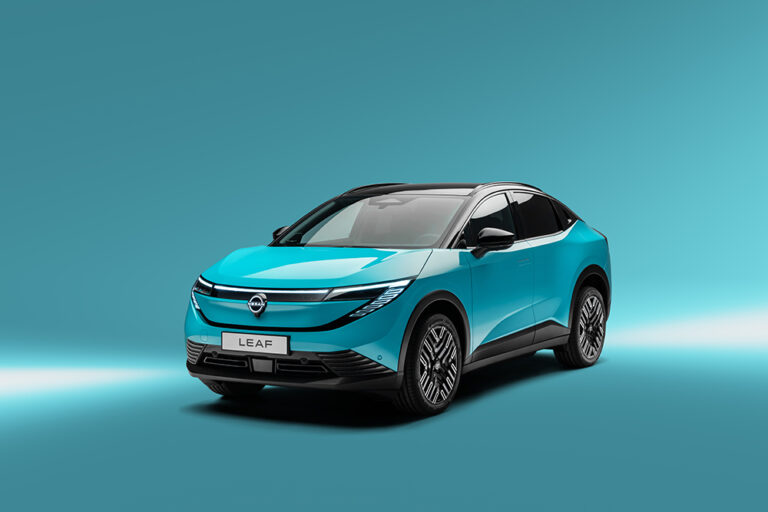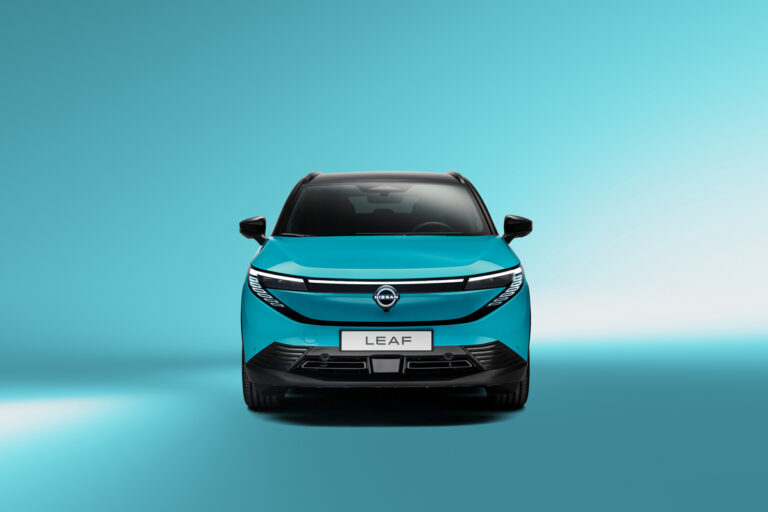
A minor service for the Nissan Leaf covers 33 checkpoints that detect problems at an early stage and prevent degradation of the battery. Costs start from €142, but regular inspections extend the lifespan of your electric car. Discover which checks really make the difference.
What does a minor service for the Nissan Leaf include?
A minor service for the Nissan Leaf differs fundamentally from maintenance on petrol or diesel cars. The focus is on fluids, electrical systems and components that are specific to electric vehicles. During a service, you check the cooling system, reduction gear fluid, brakes and the 12-volt battery. These checks keep your Leaf reliable and ensure the driving range remains optimal.
The most important checkpoints are the cooling system and the reduction gear fluid. The cooling system prevents overheating of the lithium-ion battery, while the reduction fluid lubricates the drivetrain without requiring traditional engine oil. Many Nissan Leaf owners experience less brake wear thanks to regenerative braking, but regular checks of discs, pads and sensors remain essential. If you want to know more about specific faults and failures in this model, take a look at the page on Nissan Leaf car problems.
The following components are checked during a minor service:
- Coolant for the battery and the level in the engine bay
- Reduction gear fluid to lubricate the drivetrain
- Brake fluid and condition of brake discs and pads
- 12-volt battery for accessories and on-board computer
- Tyre pressure, tread depth and wheel alignment
- Cabin filter for optimal air conditioning performance
- Windscreen washer fluid and condition of the wiper blades
- Fuses, bulbs and lights
‘ Owners report that brake pads often last more than 100,000 kilometres thanks to the use of regenerative braking in “B” mode. ’
How often does an electric Leaf need servicing?
The Nissan Leaf requires less frequent maintenance than traditional cars. You should have a minor service carried out every year or every 15,000 kilometres, whichever comes first. This maintenance schedule takes into account that electric cars do not need oil or spark plug changes. Weekly checks of tyre pressures, fluids and lights should be carried out to detect minor issues in time.
In addition to the annual minor service, you should replace brake fluid every two to three years. The cooling system should also be flushed every two years to ensure optimum temperature control of the battery. This prevents degradation, which directly affects the driving range. Owners report that brake pads often last more than 100,000 kilometres thanks to the use of regenerative braking in “B” mode.
The maintenance schedule in brief:
- Weekly: check tyre pressures, fluids and lights
- Monthly: check brakes, wiper blades and 12-volt battery
- Annually or every 15,000 km: filters, reduction fluid and full inspection
- Every two years: perform brake fluid change and cooling system flush

Which checks prevent battery problems during servicing?
The lithium-ion battery is the heart of the Nissan Leaf and requires specific attention. Check the cooling system regularly to prevent overheating. Top up coolant using Nissan-approved fluids to maintain the warranty. At temperatures below -17°C, park the Leaf with the charger connected. This preheats the battery and optimises the driving range in cold conditions.
Do not fully charge the battery for daily use. Stop between 80 and 90 per cent to extend its lifespan. Owners experience up to 20 per cent more range through preconditioning via the Nissan app. Preheat the car via the app to limit range loss due to cold weather. Keep the charging port and connector clean and check for damage after use.
Always leave battery maintenance to EV specialists. Never touch orange high-voltage cables and switch the car off before carrying out any maintenance work. Avoid contact with high-voltage components, as this can be dangerous without the correct knowledge and tools.
Do-it-yourself maintenance for the Nissan Leaf
With basic knowledge of cars, you can carry out 80 per cent of a minor service yourself. Check fluids, tyres and lights weekly to spot wear at an early stage. Use only Nissan-approved fluids and tools to avoid invalidating the warranty. For complex jobs such as shock absorbers or ABS sensors, call in an EV specialist.
Inspect the 12-volt battery by testing the voltage and cleaning the terminals. This battery powers accessories and not the traction battery, but faults can still lead to failures. Rotate tyres every 10,000 kilometres for even wear and check the alignment annually. Replace the cabin filter to keep the air conditioning performing at its best, as cheap aftermarket filters reduce efficiency according to owner experiences.
Clean parking sensors regularly for accurate detection and keep the charge port flap clean. Use regenerative braking in “B” mode to minimise brake wear. Keep a logbook with replacement dates to maintain an overview of the maintenance carried out.
‘ Not every garage has the knowledge and equipment needed for EV maintenance. ’
Costs of a minor service
The costs for a minor service start from €142, depending on the garage and the parts that need to be replaced. This is significantly lower than servicing for petrol or diesel cars, because you do not need to replace oil, spark plugs or exhaust systems. The price increases if you have to replace reduction fluid, cabin filters or brake fluid.
Compare prices at different garages that have experience with electric vehicles. Not every garage has the knowledge and equipment needed for EV maintenance. Choose approved Nissan dealers or certified EV specialists to avoid problems with warranty claims. Invest in regular maintenance to prevent expensive repairs to the battery or electrical systems.
Tips for longer range and battery life
Park the Nissan Leaf in a garage with a charging point to protect the battery from extreme temperatures. Owners recommend this to limit range loss due to cold weather. Use “B” mode for more regeneration when braking. This not only saves brake pads but also increases efficiency.
Avoid fully charging and fully discharging the battery. Keep the charge level between 20 and 80 per cent for daily use. Full charge cycles are only needed for long trips. Preconditioning via the app heats or cools the car in advance while it is still plugged in, which saves energy while driving.
Check regularly for software updates via the dealer. Nissan releases updates that improve the efficiency of the battery and systems. Keep the tyres at the correct pressure to minimise rolling resistance. Even small deviations in tyre pressure noticeably reduce the driving range.
Discover more about the Nissan Leaf on Carnews
Regular maintenance on the Nissan Leaf prevents costly problems and extends the life of the battery. With 33 checkpoints and costs starting from €142, you keep your electric car in top condition. On the Carnews website you will find much more information about electric cars, maintenance tips and common problems with different models. Discover more articles and stay up to date with the latest developments in the automotive world.
Frequently asked questions
A Nissan Leaf does not require engine oil, spark plug or exhaust checks during a minor service, because there is no combustion engine. The focus is on things like the battery cooling system, reduction gear fluid, brakes (with less wear due to regenerative braking), tyres, 12V battery and cabin filter. With a traditional combustion-engined car, engine oil, oil filter, air and fuel filters, spark plugs and exhaust gases are central. As a result, maintenance on a Leaf is generally simpler and often cheaper, with more emphasis on electrical and cooling systems.
During a minor service, particular attention is paid to the cooling system of the high-voltage battery, the reduction gear fluid and the brakes. The cooling system is checked and topped up if necessary to prevent the battery from overheating, which is crucial for the lifetime of the lithium-ion cells. The reduction gear fluid is inspected because proper lubrication of the drivetrain prevents additional load being placed on the battery. Brakes and brake fluid are checked so that regenerative braking continues to work optimally, which increases efficiency and reduces the strain on the battery.
A minor service for a Nissan Leaf costs on average around €150 to €300 at a main dealer or EV specialist. Independent garages can be slightly cheaper, at around €100 to €200, depending on labour rate and the parts used. Factors that influence the price include the region, whether you go to a dealer or an independent garage, the age and mileage of the car, and which fluids/filters are actually replaced. Additional work, such as replacing brake fluid, cabin filter or reduction gear fluid, can increase the costs further.
Yes, Leaf owners can regularly check tyre pressure and wear themselves, which has a direct impact on efficiency and safety. They can also easily check and top up the level of coolant, windscreen washer fluid and the condition of wiper blades. In addition, they can visually inspect the 12V battery and keep the terminals clean, and periodically replace the interior filter for efficient climate control. Finally, it helps to keep the charge port clean, not routinely charge the car to 100 per cent, and use preconditioning to protect the high-voltage battery.
A Nissan Leaf typically needs a minor service once a year or every ±15,000 km, whichever comes first. You should have maintenance carried out earlier if you see warnings on the dashboard, such as warning lights for brakes, battery or tyre pressure. Noticeable changes such as reduced braking performance, vibrations, poorer range or unusual noises are also signs that you should not wait until the scheduled service. In addition, check tyre pressures, fluids and lights yourself every week to detect problems in good time.