Common Problems with the Nissan Micra
Over the years, the Nissan Micra has had specific vulnerabilities that owners encounter. From transmission problems to electrical malfunctions and rust formation: those who recognise these issues and address them promptly can prevent expensive repairs and maintain the reliability of this compact city car. Would you like to read more about the general vulnerabilities of Nissan models? Then check out our overview of problems with Nissan.
Reliability of the Nissan Micra
The Nissan Micra is known as a practical city car with a reasonably good reliability rating. Older generations from the nineties and early 2000s often show fewer problems. Newer models remain more susceptible to faults.
Generations from 2010 onwards frequently experience faults with the automatic gearbox. Electrical components also present problems more often. Models between 2010 and 2018, in particular, score lower on reliability lists. Owners regularly report complaints about the gearbox and electronics. The latest generation Micra, from 2017, shows improvement but remains susceptible to specific technical issues.
‘ A repair or replacement of the CVT can cost between 3,000 and 5,000 euros. ’
CVT Transmission Failure
The automatic CVT (Continuously Variable Transmission) gearbox is the biggest weak point of the Nissan Micra. CVT stands for continuously variable transmission: an automatic system without fixed gears. This system can start to cause problems after as little as 80,000 kilometres. You may notice hesitant shifting, strange squeaking, or a whining transmission during acceleration.
The CVT transmission can completely fail due to insufficient maintenance. Contaminated or old transmission fluid accelerates wear. Some owners report defects after just 60,000 kilometres.
Have the transmission fluid replaced every 40,000 kilometres, even if this is not always stated in the service book. Regularly check that the automatic gearbox shifts smoothly and have any strange noises investigated immediately. A repair or replacement of the CVT can cost between 3,000 and 5,000 euros.

Electrical Faults in the Micra
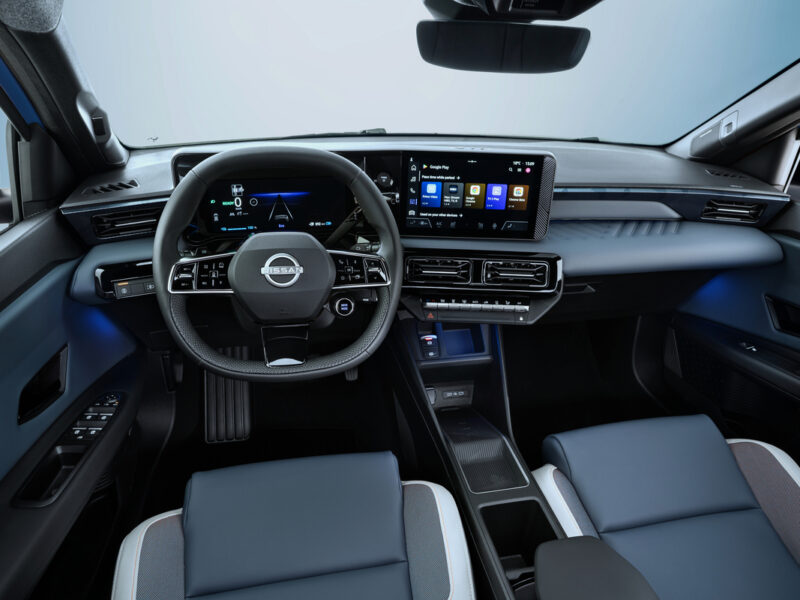
Electrical problems are common in the Nissan Micra. The window mechanism can jam or react slowly. The central locking sometimes fails, and dashboard lights randomly go out.
Common causes include:
- Worn contact points in switches
- Corrosion in plug connections
- Defective relays or fuses
- Ageing wiring
When problems arise, first check the fuses and relays in the fuse box. Clean plug connections with contact spray and replace damaged switches. For persistent problems, an electrician can check the wiring for wear or damage.
Engine and Maintenance Issues
The timing chain in older Micra models can stretch or become noisy. You’ll hear this as a rattling sound when starting or driving. A worn chain can lead to engine damage if it snaps.
Oil leaks often occur at the valve cover gasket or sump. Regularly check the oil level and look under the car for oil stains. Sensor faults, such as the lambda sensor or mass airflow sensor, trigger error codes and increased fuel consumption.
Replace the timing chain preventatively around 150,000 kilometres. Use the correct engine oil according to specifications and change it every 10,000 kilometres. Have sensors checked when warning lights appear on the dashboard and replace defective ones immediately.
‘ Door edges and the bottom of doors are vulnerable areas. ’
Rust and Bodywork Weaknesses
The Nissan Micra shows susceptibility to rust in specific areas. Wheel arches rust from the inside out, especially at the front. Sills and lower sills often show corrosion after a few years. Door edges and the bottom of doors are vulnerable areas.
When inspecting a used Micra, always check:
- Wheel arches on the inside and outside
- Sills below the doors
- Bottom of front doors
- Bonnet along the edges
- Boot lid around the sealing surface
Have rust spots treated immediately before they spread further. Preventatively spray cavities with cavity wax. Wash the car regularly, especially in winter, to remove salt.


Chassis and Steering Problems
The running gear (the load-bearing part under the car with wheels and suspension) of the Micra shows typical wear on rubbers and bearings. Wishbone bushes become porous and give a knocking sensation while driving. Shock absorbers can start leaking after 80,000 kilometres.
The steering system can develop play due to worn couplings. You’ll notice this as a loose steering feel or clicking noises when turning. Stabiliser bars sometimes make rattling noises over bumps.
Always check the condition of rubbers and bearings during the MOT. Replace shock absorbers as a set per axle for consistent driving behaviour. Have any play in the steering system rectified immediately to ensure safe driving.
Brake System and Points of Attention
The Micra’s brake system is reliable but requires regular maintenance. Brake pads wear out faster with city driving and may need replacement after 30,000 kilometres. Brake discs sometimes show grooving or vibrations.
Rear brakes can seize due to corrosion on the brake caliper guides. You can recognise this by grinding noises or uneven braking performance. The handbrake can get stuck after long periods of inactivity or in wet conditions.
Check brake pad thickness at every service. Lubricate brake caliper guides annually with heat-resistant brake grease. Test the handbrake regularly and have it adjusted if it requires too many clicks.
‘ Seek professional help immediately for transmission problems to prevent further damage. ’
What to Do if a Fault Occurs
If you recognise a problem with your Micra, follow these steps. Note all symptoms and when they occur. First, check simple causes yourself, such as fuses, fluid levels, and warning lights.
Schedule a visit to a garage when:
- Warning lights are illuminated
- Strange noises persist
- The car reacts differently than usual
- Fluid leaks are visible
Do not continue driving if you experience serious symptoms such as steering or brake problems. Seek professional help immediately for transmission problems to prevent further damage. Request multiple quotes for larger repairs.
Preventive Maintenance and Buying Tips
Regular maintenance extends the lifespan of your Micra. Follow the maintenance schedule in the handbook and adjust it for intensive use. Change oil and filters on time and check fluid levels monthly.
When buying a used Micra, pay attention to the following. Thoroughly check the service history and ask for invoices. Test the CVT automatic gearbox extensively during a test drive. Inspect the bodywork (the exterior of the car) for rust and have a specialist examine it if in doubt.
Preferably choose a model with a manual gearbox to avoid transmission problems. Models from before 2010 often show better reliability than later years. Ask about previous problems and completed repairs.
Micra Driving Enjoyment with Realistic Expectations
The Nissan Micra remains a practical city car if you are aware of its known weak points. Maintain the transmission, check electrical systems, and regularly inspect for rust. Address problems immediately to prevent greater damage.
A well-maintained Micra with a manual gearbox offers years of reliable driving pleasure. Invest in preventive maintenance and remain alert to typical problem areas. This way, you will enjoy this agile compact car for longer.