Nissan NV200: Reliable Commercial Vehicle with Areas for Attention
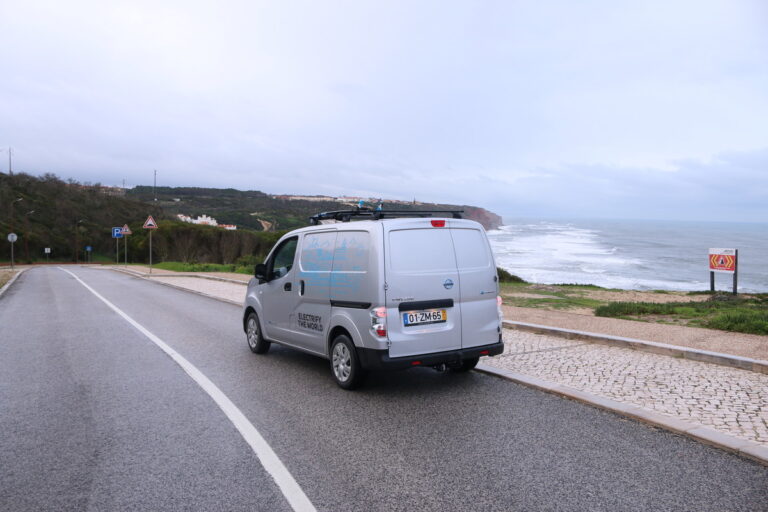
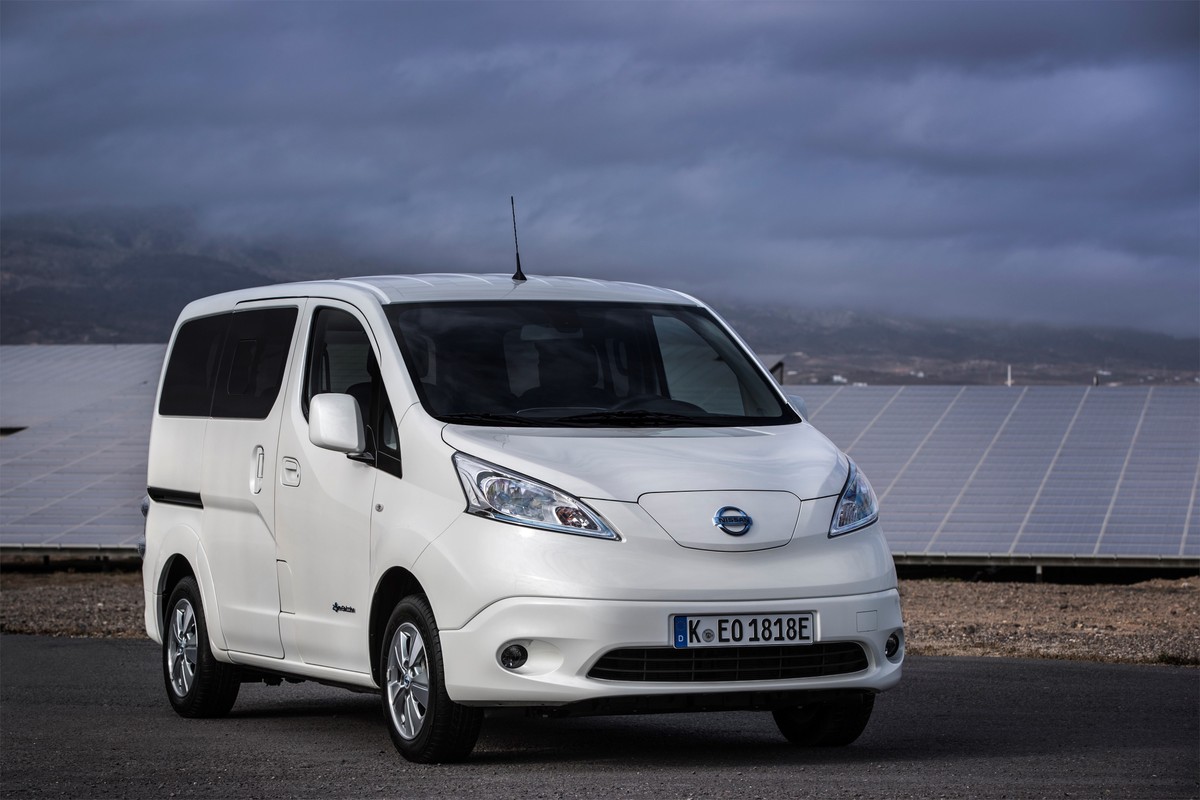
The Nissan NV200 is a compact panel van. This vehicle has built a good reputation since its introduction in 2011. At the same time, the NV200 has a number of known weak points. As an owner or buyer, you should take these into account. This practical commercial vehicle combines versatility with affordable maintenance. Specific problems with the diesel engine, electrical components, and transmission occur regularly. If you know the risks, you can avoid costly surprises.
Owners report various problems. Blockage of the diesel particulate filter is common. Electrical malfunctions and wear to the chassis are also reported. Some complaints are model-specific, while others are related to certain model years. Usage conditions also frequently lead to defects. For a complete overview of the most common faults in various Nissan models, please visit our page on Nissan problems.
The NV200 Scores Reasonably Well on Reliability
The Nissan NV200 is known as a workhorse. With proper maintenance, this vehicle will last for years. The 1.5 dCi diesel engine – dCi stands for direct common-rail injection – is considered reliable technology. Nevertheless, there are areas for attention. Vehicles used intensively in city traffic suffer from typical diesel problems. The electric e-NV200 version has no internal combustion engine, which means it requires less traditional maintenance.
Users appreciate the low maintenance costs. The robust build quality also scores well. Most mechanical components are not overly complex, which makes repairs accessible. Adhere to the prescribed maintenance intervals. For the diesel version, replace the timing belt every 100,000 kilometres. This measure prevents costly engine damage.
‘ Regular long journeys at higher speeds prevent these issues. ’
DPF Blockages and EGR Problems in Diesel Engines
The diesel particulate filter (DPF) is a common problem with the 1.5 dCi engine – dCi stands for direct common-rail injection. If the NV200 primarily makes short trips in the city, the filter can become clogged. The filter does not regenerate completely. This leads to power loss and increased fuel consumption. In case of severe blockage, the engine control light will illuminate.
The EGR valve – EGR means exhaust gas recirculation – returns exhaust gases to the engine. This valve also causes problems. Soot deposits can jam the valve. This often results in irregular engine behaviour and poor starting performance. Black smoke from the exhaust is another symptom. Regular long journeys at higher speeds prevent these issues.
- Take regular longer trips above 80 km/h to allow the DPF (diesel particulate filter) to regenerate
- Avoid continuous short city use with cold starts
- Have the EGR valve periodically cleaned or replaced during maintenance
- Use diesel additives that support the cleaning of the fuel system
Transmission and Clutch: What Goes Wrong
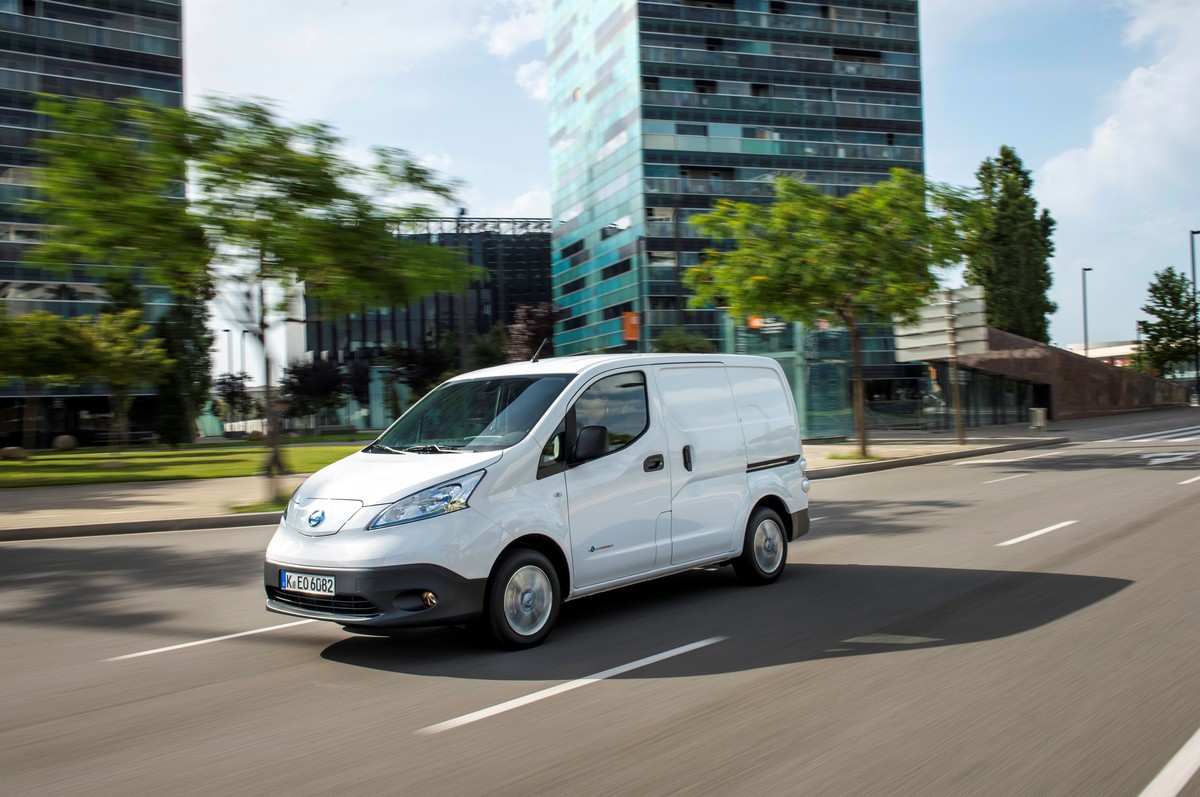
The NV200 is equipped with a manual gearbox as standard. Vehicles with high mileage often experience problems with the clutch and shifting mechanism. Owners sometimes report a heavy clutch or hesitant gear changes. Cold weather exacerbates these complaints. Wear to the clutch cable is often the cause, and the release bearing can also become worn.
The gearbox itself is fairly reliable. Use the correct gearbox oil and have it changed according to schedule. The electric e-NV200 version does not have a traditional gearbox, so these types of problems do not occur there.
A slipping clutch during acceleration is a symptom of clutch problems. Difficulty shifting also indicates a defect. Strange noises when depressing the clutch pedal are also associated with this. Have a garage investigate these signals in good time. Replacing a complete clutch kit costs several hundred euros. The exact costs depend on the garage and the type of vehicle.
Electrical Faults Occur Regularly
Sensors and electrical components are a vulnerable point in the NV200. The lambda sensor – a sensor that measures the oxygen concentration in exhaust gases – often malfunctions. This sensor ensures the correct fuel mixture regulation. A defective lambda sensor leads to increased fuel consumption and power loss. Error codes also appear in the engine management system.
The mass air flow meter (MAF sensor) also fails. This sensor measures the amount of air flowing into the engine, resulting in starting problems and an erratic idle. The accelerator pedal may then respond poorly. The battery of the electric e-NV200 has a warranty of up to 8 years or 160,000 kilometres. Older models suffer from capacity loss.
The central door locking system also presents problems. The air conditioning and windscreen wipers are also among the common electrical complaints. When purchasing, check that all electrical functions are working correctly. Keep connectors and electrical connections clean and dry. Moisture problems significantly worsen electrical faults.
‘ The shock absorbers wear out relatively early. ’
Chassis, Steering, and Brakes Require Attention
The NV200 is used commercially as a panel van. As a result, the chassis is exposed to higher loads than passenger cars. The front wishbone bushes are prone to wear. Stabiliser bars also wear out quickly. This manifests as knocking or rattling noises over uneven surfaces. Play in the steering can also occur.
The shock absorbers wear out relatively early. The vehicle is regularly heavily loaded. Pay attention to oil loss from the shock absorbers. A swaying ride stability also indicates worn dampers. The brakes are generally reliable. Brake discs and pads wear out faster with intensive city use. A lot of stop-and-go traffic accelerates this wear.
- Inspect the chassis annually for rust. Older models require extra attention.
- Have the wheel alignment checked after replacing suspension components.
- Replace brake fluid every two years. This prevents corrosion in the braking system.
- Inspect rubbers for cracks and hardening. Also check the bushings.
Interior and Bodywork Can Cause Concerns
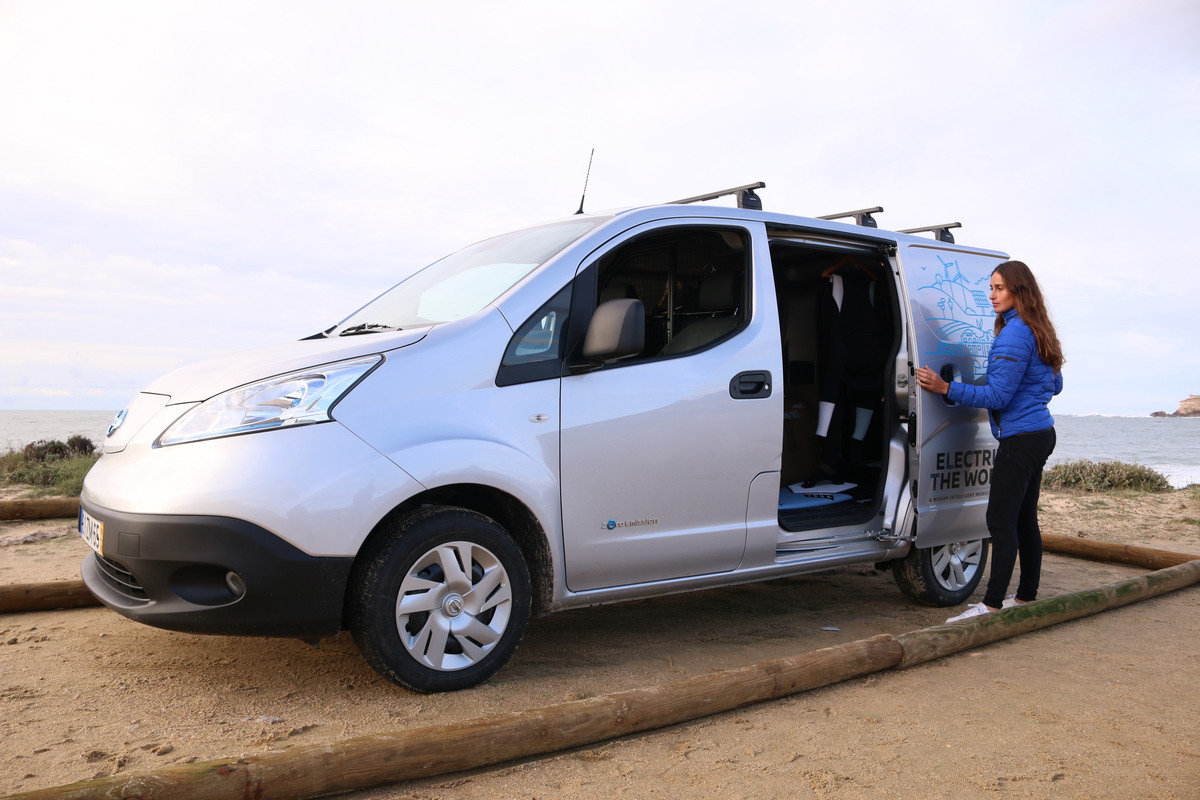
The NV200’s interior is functionally designed, not luxurious. Signs of use are quickly visible. The seat upholstery wears out the fastest, and the steering wheel also shows wear quickly. The plastic trim crumbles after a few years. Areas that are frequently touched are particularly vulnerable. This affects comfort and appearance, though there are no direct technical consequences.
Rust formation is a point of concern with older models. Thoroughly inspect the chassis. The loading doors and wheel arches also require attention. Small paint damages quickly rust through. Timely treatment prevents worse problems. The low loading platform makes the NV200 practical but also increases the risk of damage during loading and unloading.
The air conditioning becomes less effective over time. Refrigerant leakage is often the cause. Commercial vehicles used intensively often experience this. Have the air conditioning system checked and refilled annually. Rubbers around doors and windows age, leading to water leakage. Moisture problems in the cabin are the result.
Prevent Problems Through Maintenance and Conscious Driving Behaviour
Preventative maintenance prevents expensive repairs. This is the best approach. Strictly adhere to Nissan’s maintenance schedules. Change oil on time, and replace filters and fluids according to the schedule. Diesel models require extra attention. Drive the vehicle at speed regularly; this allows the DPF (diesel particulate filter) to regenerate, burning off soot deposits.
The electric e-NV200 requires specific attention. Do not let the battery run completely flat too often. For daily use, preferably charge it to 80 per cent. Store the vehicle in a cool place during long periods of inactivity. The battery lasts longer if you avoid extreme temperatures and reduce full charging cycles.
Pay attention to the load weight. Overloading accelerates wear to the chassis and brakes. Tyres also wear faster. Regularly check tyre pressure. Incorrect pressure increases fuel consumption and causes faster tyre wear. Keep the load compartment clean, as sharp objects can damage the floor.
‘ Do not attempt complex repairs yourself. ’
Diagnosis and Garage: What to Do When Problems Arise
If a problem occurs, a thorough diagnosis is the first step. Modern Nissan vehicles feature extensive OBD systems – OBD stands for On-Board Diagnostics. These systems record fault codes. A specialised garage can read these out, quickly tracing the cause of a malfunction. Do not attempt complex repairs yourself, as this can lead to greater damage.
Choose a garage with experience in commercial vehicles. Experience with the Nissan brand is also important. Always ask for a written quote before agreeing to a repair. Compare prices between different garages, and also pay attention to quality and warranty. Original Nissan parts are often more expensive but offer more certainty regarding fit and durability.
Independent garages are suitable for routine maintenance and smaller repairs, which can lead to cost savings. Ensure the garage is certified and uses high-quality replacement parts. Carefully retain all maintenance records and invoices. This increases the resale value of your NV200, potentially yielding more if you decide to sell it.
A Practical Commercial Vehicle with Known Shortcomings
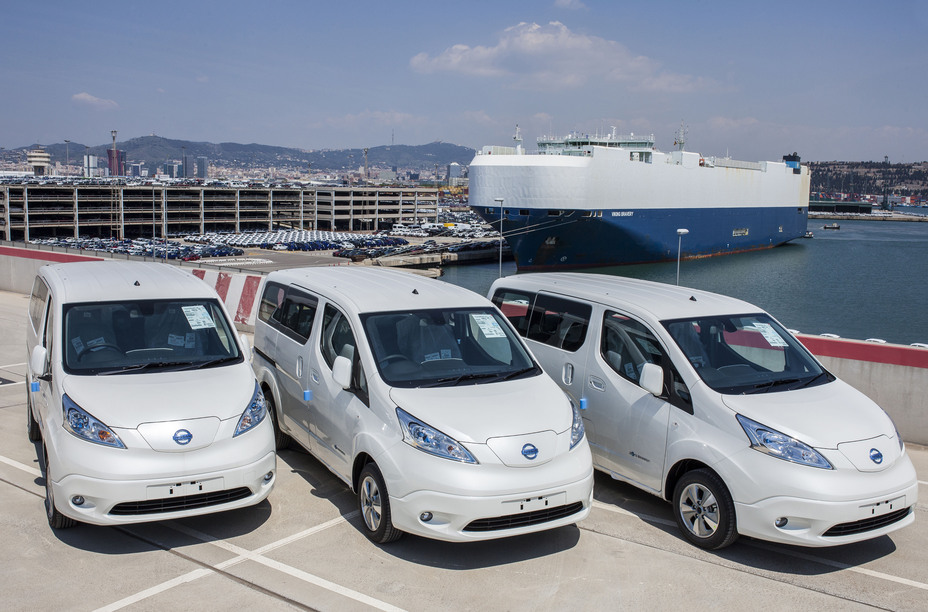
The Nissan NV200 is a reliable and versatile commercial vehicle, suitable for various applications. Its compact dimensions make it agile in the city, while its spacious loading capacity provides ample practical utility. The purchase price is affordable, and maintenance costs remain low. Small business owners find the NV200 appealing for these reasons. Individuals requiring significant space also often choose this model.
This model also has a number of known weak points; do not ignore these. Problems with the diesel particulate filter are common. Electrical sensors and chassis components also cause complaints. These issues can often be managed effectively by maintaining the vehicle correctly and driving consciously. Take longer journeys to allow the engine to reach operating temperature, and annually check all important systems.
If you are considering the NV200 as a second-hand purchase, thoroughly check its maintenance history. Request proof of all performed maintenance. Inspect the vehicle for rust and technical defects. An independent garage can identify many problems. Have the car inspected before making a purchase. With the right care, the NV200 can serve for many years without major surprises.