Nissan Qashqai: common problems and maintenance tips
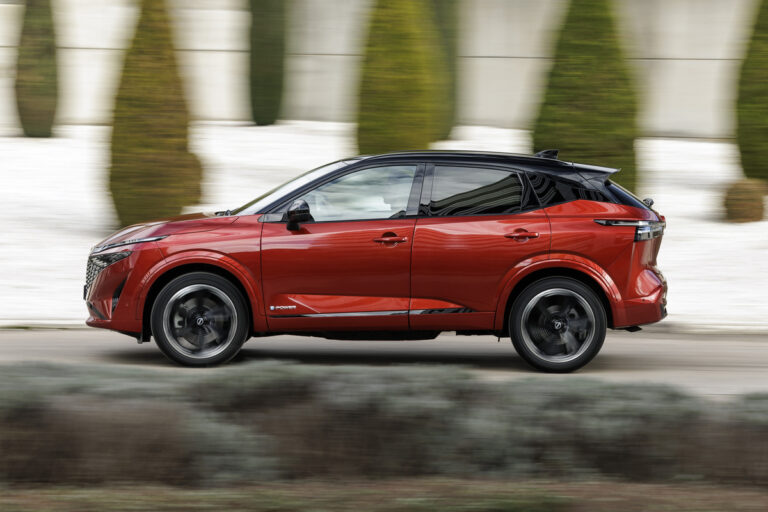
The Nissan Qashqai is one of the most popular crossovers in the Netherlands. However, this model has specific weak points that owners or buyers should be aware of. From engine issues to electronic malfunctions, knowing about these problems will help you keep your Qashqai running smoothly for years. What are the most common complaints and how can you prevent costly repairs?
Why knowledge of common problems is important
Every car model has its own peculiarities, regardless of its popularity. The Qashqai has been produced in three generations since 2006. The model features various engine variants, transmissions, and electronic configurations. Some problems frequently occur with specific model years or powertrains. Early recognition of signals can limit damage and reduce maintenance costs. For owners, it is wise to be familiar with the most common car problems with Nissan, so you know what to look out for during use and maintenance.
‘ This makes foreknowledge valuable for preventative maintenance. ’
Qashqai reliability and driving experience
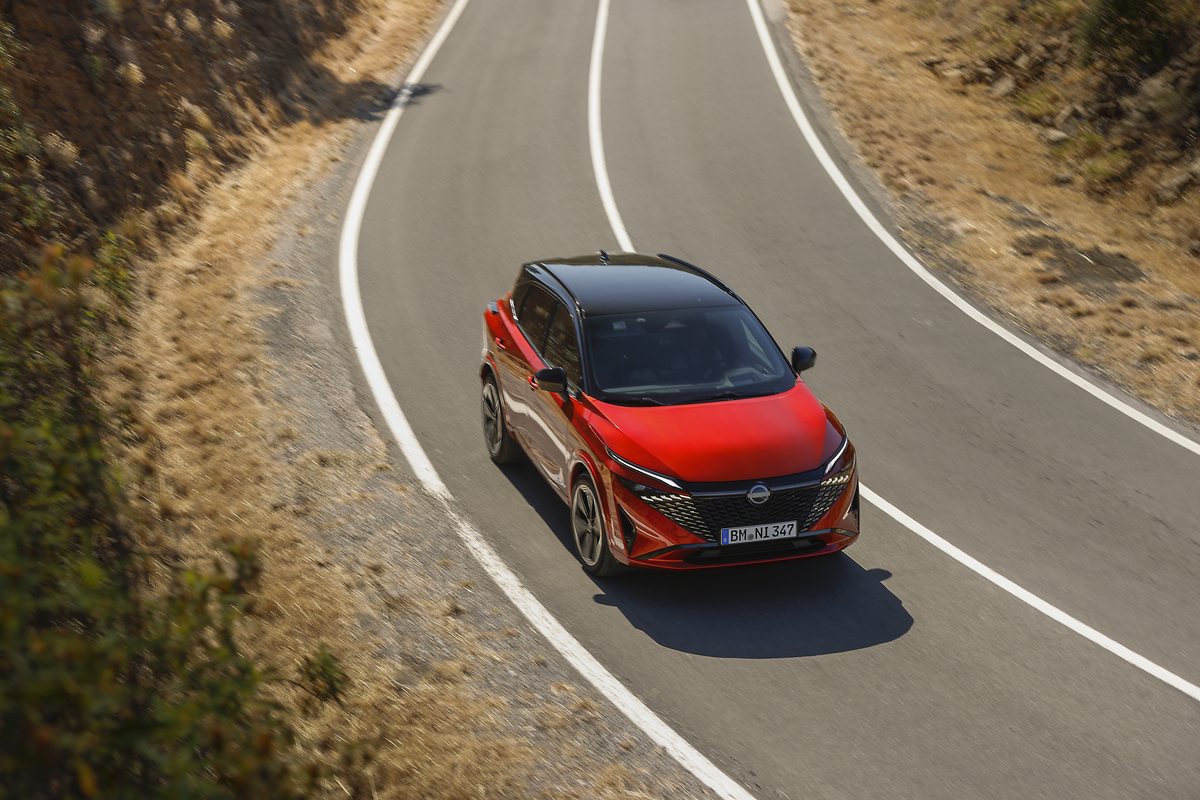
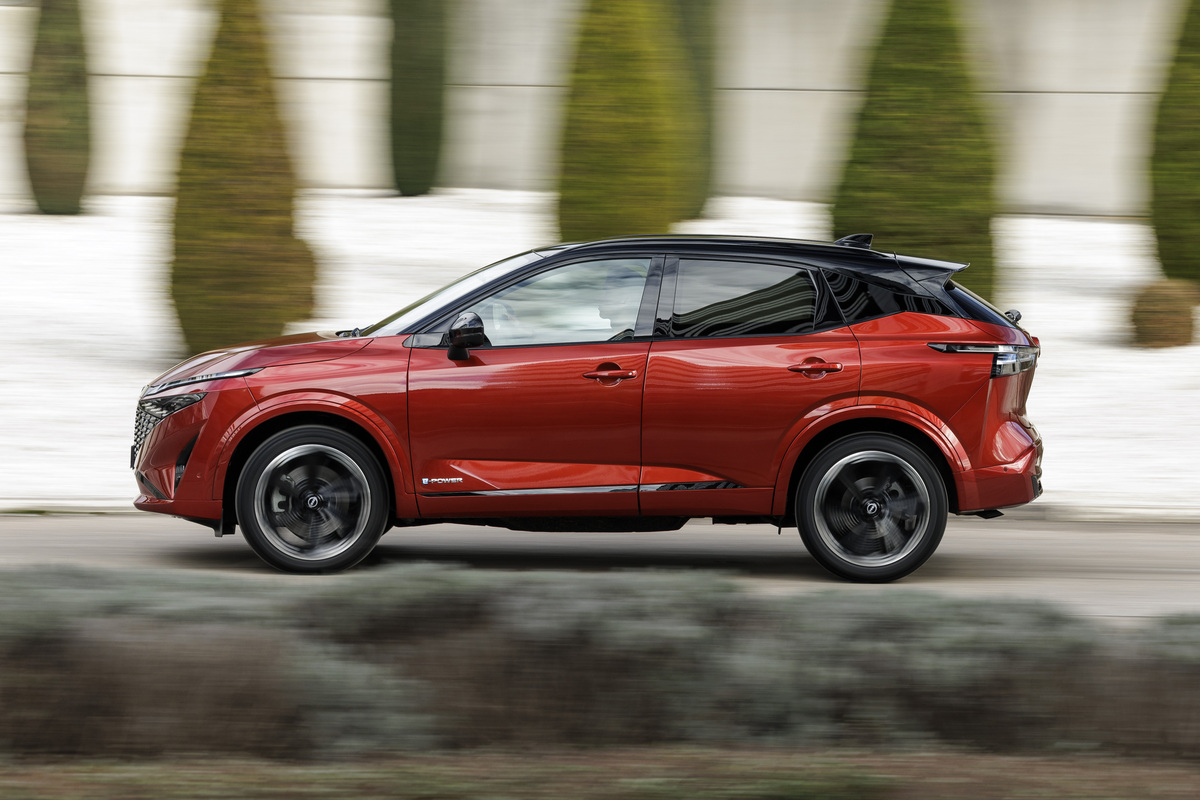
The Qashqai generally scores well on reliability. Owners appreciate its comfortable chassis, spacious cabin, and practical layout. The latest generation features modern driver assistance systems and efficient mild-hybrid or e-POWER powertrains. Many cars achieve high mileage without major issues. Nevertheless, there are specific components that wear out or fail faster in certain versions. This makes foreknowledge valuable for preventative maintenance.
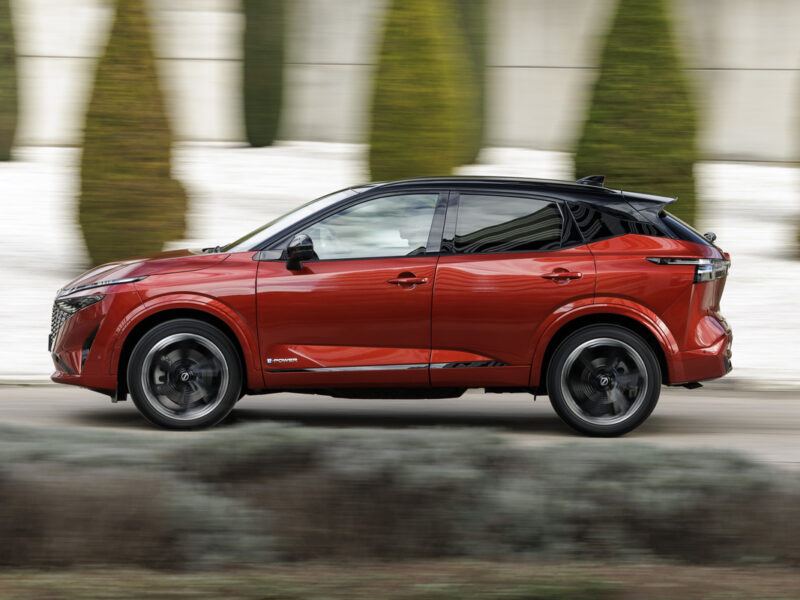
Engine problems with the Nissan Qashqai
Engines are a major point of concern. The 1.5 dCi diesel engine experiences problems with the EGR valve which can become clogged by soot deposits. This leads to power loss, hesitation, and an illuminated engine warning light. Regular cleaning or replacement may be necessary, especially with frequent short journeys.
The diesel particulate filter suffers from similar issues. With insufficient long journeys, the filter regenerates incompletely, leading to clogging. Symptoms include poor acceleration, smoke emission, and warning lights. Forced regeneration at a garage temporarily resolves this, but frequent short journeys make it a recurring problem.
The timing chain in petrol versions can stretch in older models. This causes rattling noises on starting or at low engine speeds. Replacement prevents serious engine damage. Check the service history for timely replacement, especially for cars over 150,000 kilometres.
Turbo problems occur in both petrol and diesel variants. Lack of oil or contaminated oil leads to wear of the turbine shafts. Look out for whistling noises, loss of power, or blue smoke. Regular oil changes according to factory schedules significantly reduce this risk.
Transmission problems: manual and CVT
Manual gearboxes are generally reliable. In some cases, gearbox complaints such as crunching gear changes or heavy shifting occur. This can indicate wear to the clutch or synchroniser system. Premature clutch replacement occurs with intensive urban use.
The CVT transmission requires more attention. Owners report jerking during acceleration, slipping on take-off, or strangely high engine speeds without power delivery. Causes often lie in old transmission fluid or wear to internal belt components. Nissan does not prescribe a standard CVT oil change, but practice shows that changing it every 60,000 kilometres extends its lifespan.
Some CVT transmissions (Continuously Variable Transmissions) in older models show early wear. This manifests as a vibrating clutch or rattling noises. Repair or replacement is costly. When purchasing a used car, always check how the transmission shifts during an extensive test drive, including both city and motorway mileage.
‘ Cleaning helps temporarily, but defective sensors require replacement. ’
Electronic malfunctions in the Qashqai
The infotainment system can freeze or respond slowly. Sometimes the touchscreen refuses to accept input or gets stuck in a boot loop. A software update at the dealer often resolves this, but not in all cases. First, restart the system by briefly disconnecting the battery cables (as prescribed in the manual) before going to the garage.
Parking sensors frequently give false readings. This is due to dirt, ice build-up, or moisture ingress into the sensors themselves. Cleaning helps temporarily, but defective sensors require replacement. When purchasing, test whether all sensors function correctly on different surfaces.
Warning lights for tyre pressure and airbags sometimes appear without a clear cause. This indicates sensor faults or software glitches. Have the fault codes read using diagnostic equipment to determine if there is a real problem or if resetting the system is sufficient.
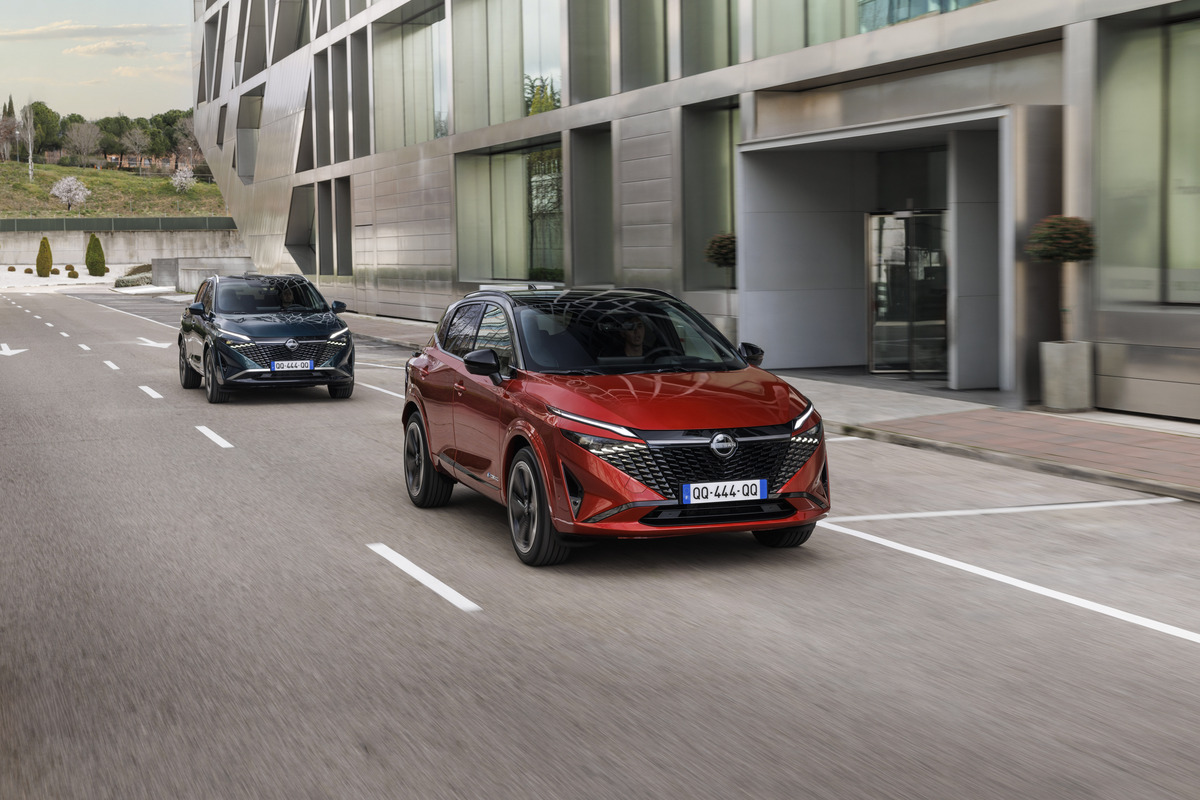
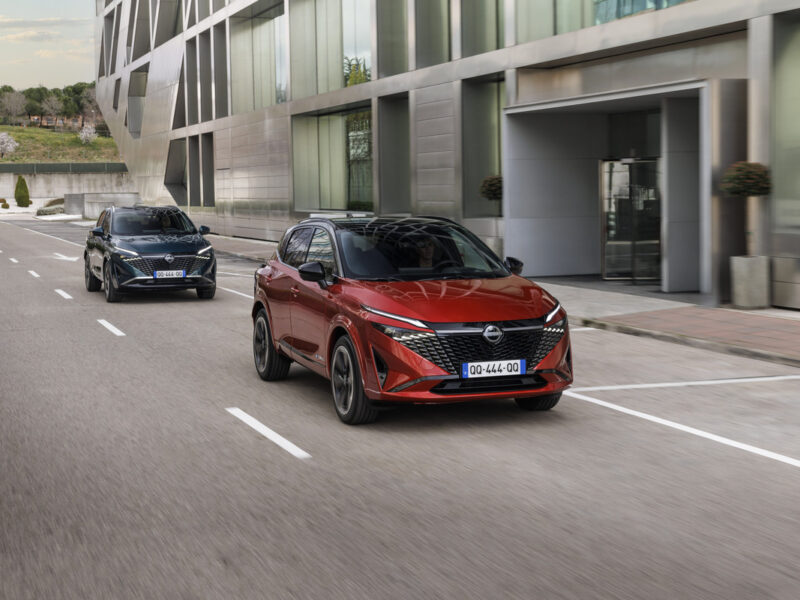
Chassis and steering system: wear and comfort
The front wishbone bushings wear out faster than average, especially with intensive use on poor road surfaces. This manifests as knocking noises over bumps and a less precise road holding. Replacement is not complex, but postponement leads to accelerated tyre wear and further damage to suspension components.
Power steering problems are less common, but owners sometimes report heavy steering at low speeds. This can indicate low power steering fluid in hydraulic systems or sensor malfunctions in electric power steering. Check the fluid level and look for leaks at the pump or lines.
Shock absorbers typically last around 80,000 to 100,000 kilometres. Signs of wear include a ‘wavy’ ride, longer braking distances, and uneven tyre wear. Replace shock absorbers per axle and have the alignment checked immediately.
Bodywork and interior: minor annoyances
Rust formation is not a major issue with newer models, but older Qashqais pre-2014 sometimes show corrosion on the wheel arches and door edges. Inspect these areas carefully when buying a used car, especially if the car has been driven in coastal areas.
Water leakage occurs with poorly maintained rubber seals around doors and the tailgate. This leads to dampness in the boot or footwell. Regularly check the gutter drainage and sunroof drains for leaves and dirt.
Interior noises such as creaking dashboards or rattling door panels are reported by owners. These are not technically problematic but can be annoying in the long term. Simple adjustments like securing contact points or adjusting trim caps often help.
‘ Early detection of leaks, torn rubber seals, and wear saves on larger repairs later. ’
Preventative maintenance: how to avoid problems
Consistently follow Nissan’s maintenance schedule. This means changing oil every 15,000 kilometres or annually, checking air filters, and replacing brake fluid every two years. For diesels, it’s especially important to make regular longer journeys for diesel particulate filter regeneration.
Have an annual visual inspection of undercarriage components. Early detection of leaks, torn rubber seals, and wear saves on larger repairs later. Regularly check tyre pressure and tread depth yourself.
Use diagnostic equipment to read fault codes as soon as a warning light appears. This provides immediate insight into the nature of the problem and prevents you from driving unnecessarily with a malfunction that could lead to more severe damage.
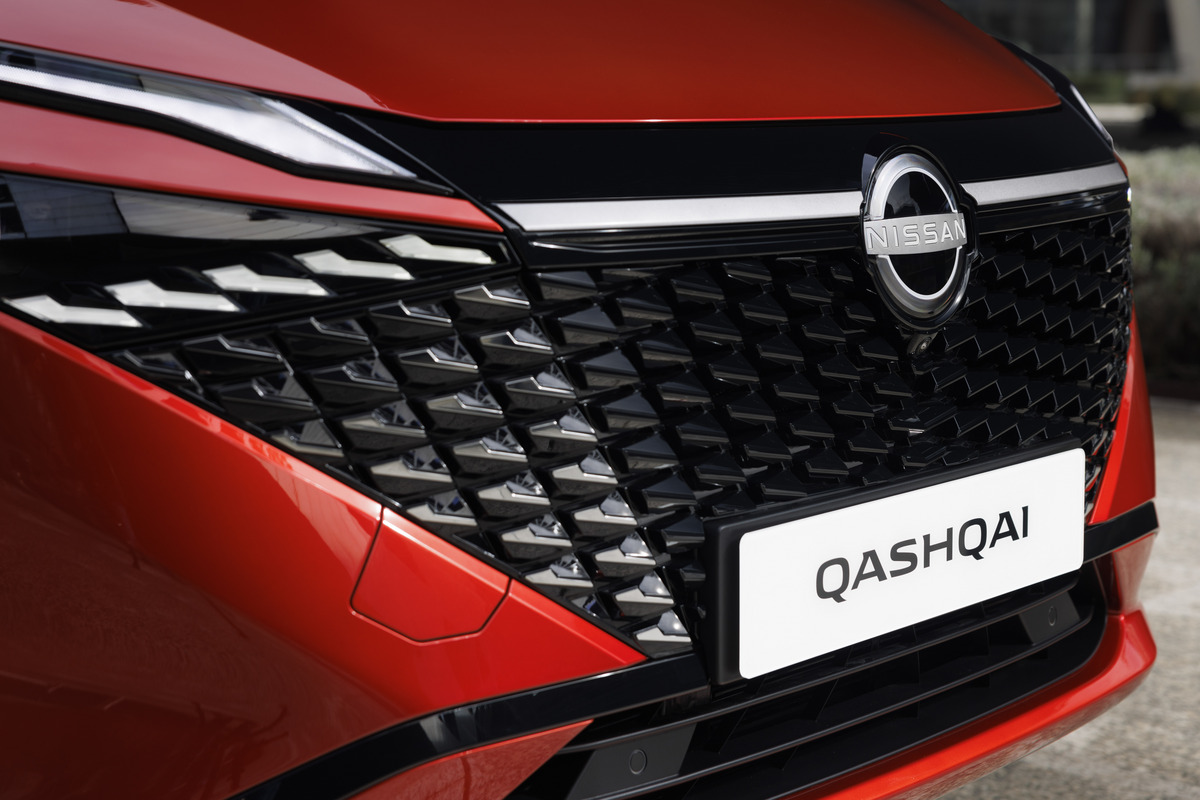
Purchase checks for a used Qashqai
Start with a test drive of at least 30 kilometres, including both city and motorway driving. Pay attention to strange noises from the engine, transmission, and chassis. Test all electronics, including sensors, infotainment, and climate control.
Thoroughly check the service history. A fully stamped service book instils confidence. Missing maintenance services related to the timing chain or major services can indicate overdue maintenance. Ask for invoices for specific repairs.
Inspect the engine bay for oil leaks around valves, turbo, and transmission. Look underneath the car for rust spots and damage to the chassis. Test the operation of the windscreen wipers, lighting, and all controls. If in doubt, always have the car inspected by an independent specialist.
Specific inspection points per component
- Engine: oil consumption, coolant level, turbo noise
- Transmission: smooth shifts, no slipping or jerking
- Chassis: symmetrical tyre wear, no play in wheel suspension
- Electronics: all warning lights off, systems functional
- Bodywork: no rust on wheel arches, smooth closing mechanisms
Keeping your Qashqai worry-free
The Nissan Qashqai offers great value for money as a practical family car. Knowledge of common problems enables you to act preventatively. Timely maintenance, correct fluid changes, and vigilance for early signs keep costs manageable. When purchasing a used model, take your time for a thorough inspection of crucial components. This way, you can enjoy long-lasting, reliable mobility with your Qashqai.