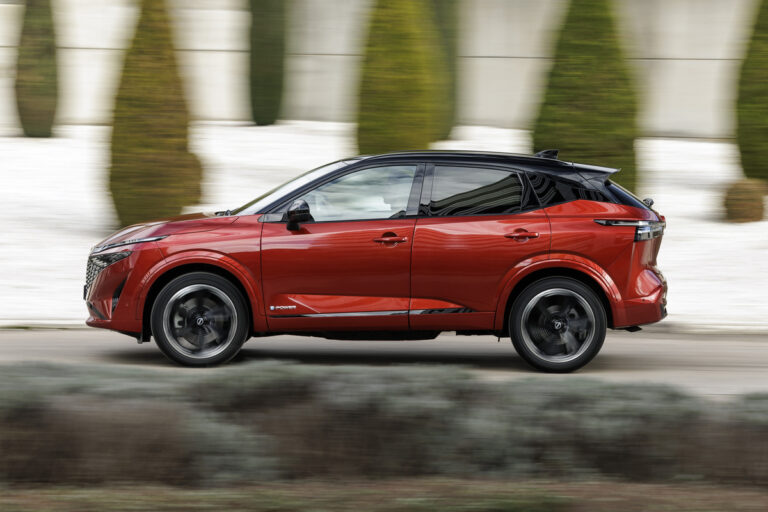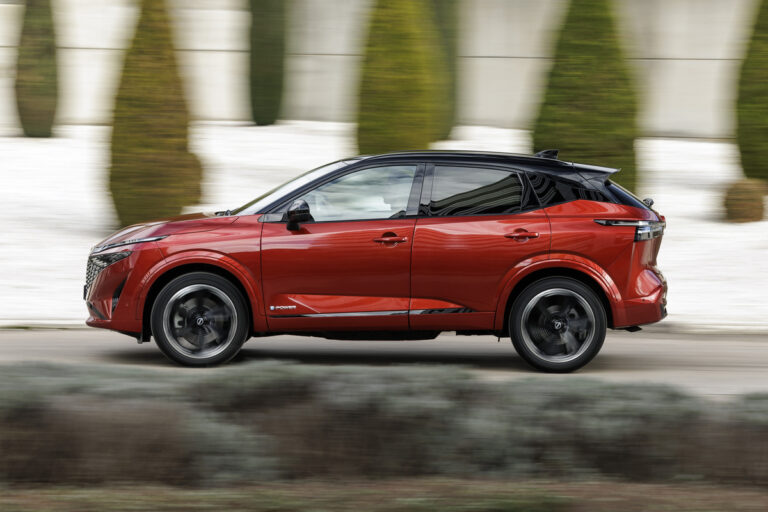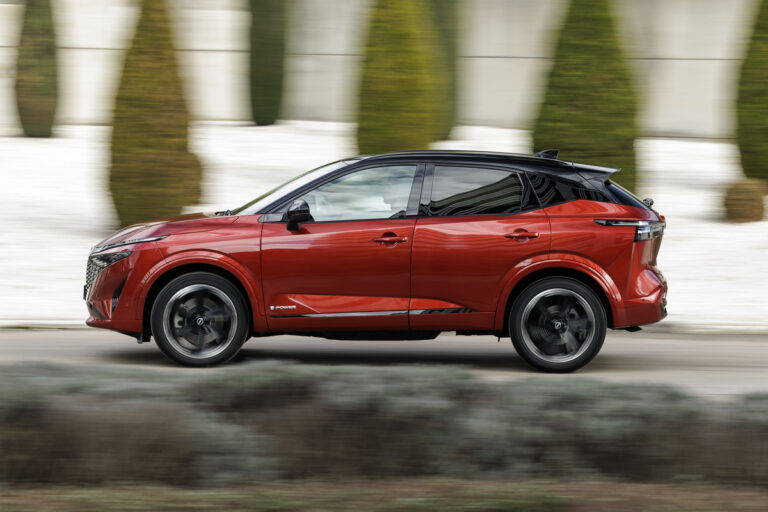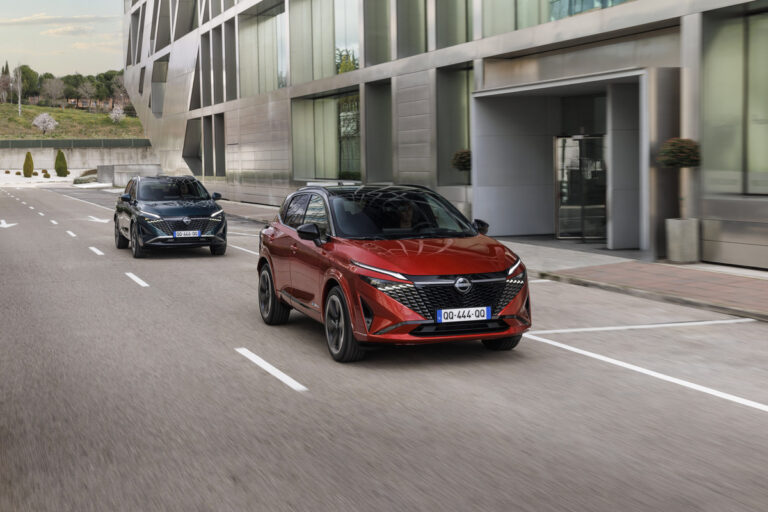
Brake problems with the Nissan Qashqai deserve attention as soon as you notice squeaking, vibration or a changed brake pedal feel. The cause is often wear, rust or maintenance, but a brake hose, parking brake or electrical fault can also play a part. Spotting the signs early helps prevent a minor issue from becoming a safety risk. Read on to find out what to look for.
Why are the brakes on my Nissan Qashqai squeaking?
Squeaking brakes are fairly common on the Nissan Qashqai, especially at low speed, under light braking or in damp weather. That noise does not always mean parts are immediately faulty. It is, however, a reason to have the brakes checked, because wear and rust can cause the same complaint. Also see the overview of Nissan Qashqai problems if you want to recognise more known weak points of this model.
When you brake, the brake pads press against the brake disc. If the pad material is worn, contains dirt or cannot move freely, a squeal can occur. A lack of suitable lubricant on the contact points between the brake pads and the calliper can also cause noise. The braking surfaces themselves should never be lubricated.
New brake pads can also make noise temporarily. The combination of the pad material, the brake disc and the way the parts are fitted all play a part. If the squeaking continues, or you hear a grinding noise, have the car checked. Grinding can point to brake pads that are badly worn.
Squeaking brakes have several causes
A garage can often quickly identify where the noise is coming from with a visual inspection. Common causes include:
- worn brake pads or pads wearing unevenly;
- rust, dirt or moisture on the brake discs;
- brake pads sticking in the guides;
- worn or missing shims and clips that dampen vibrations;
- a calliper that does not move back properly after braking.
In some Qashqai e-Power versions, owners experience squeaking at the front brakes. In these cases, the shims or other brake pad fastening parts may play a role. If the issue persists, ask the garage to check whether the correct clips, shims and brake pads are fitted.
Nissan Qashqai brake discs can sometimes wear unevenly
Nissan Qashqai brake discs are not normally known to wear out quickly, but uneven wear and corrosion are reported. The rear discs in particular can rust if the car is used mainly for short journeys or is left standing for long periods. When driving gently, the rear brakes are often used less intensively than the front brakes.
Surface rust after rain or after the car has been parked outside overnight often disappears after a few gentle braking applications. If the rust remains visible, ridges form or the disc feels rough, the braking action may become less even. A brake pad then no longer makes the same contact with the disc everywhere.
A warped disc is often mentioned as a cause of vibration, but that is not always the actual problem. Uneven deposits of brake material or rust can give a similar sensation. The garage measures disc thickness and any run-out to determine whether replacement is needed.
Recognise the signs of worn brake discs
While driving, look out for changes that happen mainly when you brake. These signs should be checked:
- a vibrating steering wheel when slowing down from higher speed;
- a pulsing brake pedal, as if the pedal is pushing back slightly;
- a grinding or scraping noise;
- the car pulling to one side when braking;
- visible deep grooves, rust edges or discolouration on a disc.
Always have brake pads and brake discs assessed as a set on each axle. Fitting new pads only to a heavily worn disc can lead to less even contact and noise returning. A mechanic will also check the calliper guide pins, as seized pins can contribute to uneven wear.
Reduced braking performance calls for immediate inspection
If the brake pedal feels softer than normal, you have to press it further in, or the car responds less directly, an inspection is advisable. Brake fluid can absorb moisture over time. As a result, the boiling point drops and pedal feel can become less consistent, especially when the brakes get hot.
Brake fluid is part of a closed hydraulic system. A low level may be due to worn brake pads, but it can also indicate a leak. Do not simply top up brake fluid without first checking it. The cause of a low level needs to be identified first.
Brake lines and brake hoses also deserve attention. On certain Qashqai J11 models there was a recall involving a rear brake hose that could come into contact with part of the wheel arch. Wear from contact can damage the hose. If you have a used car, check whether any open recalls have been carried out.
Do not keep driving with these brake warning signs
Some brake issues can wait until a garage appointment. Other signs call for immediate action. Do not keep driving if you notice any of these situations:
- The red brake warning light stays on.
- The brake pedal sinks too far or suddenly feels spongy.
- You can see brake fluid under the car or by a wheel.
- The car brakes noticeably unevenly or clearly loses braking power.
- You hear metal on metal every time you brake.
Park the car in a safe place and have it checked. Brake problems are not something to put off based on instinct. Especially in the event of a leak, a dashboard warning or loss of braking power, professional diagnosis is needed.
How do you fix brake problems on a Nissan Qashqai?
The right solution depends on the cause. A squeal can disappear after a garage cleans the brakes, checks the guides and treats the correct contact points. If the pads are thin, the discs are damaged or the calliper is sticking, replacement or repair is needed. Do not have only the part with the complaint assessed, but the complete brake assembly on that axle.
Follow these steps:
- Describe the noise or behaviour as precisely as possible, including speed and weather conditions.
- Have the brake pads, discs, callipers and guides visually inspected.
- Have the thickness and wear of the discs measured.
- Check brake fluid, lines and hoses for age, level and leaks.
- If there is a fault in the ABS or parking brake, also have the battery and fault codes checked.
A weak battery can cause warnings in modern Qashqai systems such as ABS or the electric parking brake. That does not automatically mean the mechanical brakes are worn. Reading the fault codes and carrying out a battery test helps to separate the cause from a genuine brake defect.
‘ Do not wait until the noise turns into grinding or vibration. ’
Prevent Nissan Qashqai brake problems with maintenance
Brakes always wear, but driving style and usage conditions affect how quickly this happens. Lots of short trips, little braking on the rear axle and long periods standing still increase the chance of rust forming. So every now and then, take a drive that brings the car fully up to temperature and uses the brakes normally.
Also pay attention to changes after maintenance. If a Qashqai starts squeaking immediately after the pads have been replaced, report it to the garage. A check of the installation, clips and pad fit is then sensible. Do not wait until the noise turns into grinding or vibration.
On Carnews you will find much more information about Nissan, maintenance, common car problems and practical buying advice. Discover more related topics on the Carnews website and keep your car in good condition with informed care.
Frequently asked questions
The most common brake problems on the Nissan Qashqai are squeaking or grinding brakes, brake discs wearing quickly or unevenly, and vibrations or a pulsing brake pedal. Corrosion, especially on the rear brake discs, and faults with the electric parking brake also occur. Occasionally there are ABS warnings due to electrical issues or a weak battery, as well as problems with brake hoses on certain model years.
With a sporty driving style, brake wear can be recognised by squeaking or grinding noises, a longer stopping distance and reduced braking power. Vibrations in the steering wheel or a pulsing brake pedal can also indicate brake discs that are wearing unevenly or have warped. Regularly check the thickness of the brake pads and discs and have any irregularities assessed immediately.
Choose high-quality, model-specific brake pads with a heat-resistant road compound and combine them with coated, ventilated brake discs from a reputable brand. A matched set usually offers more braking power, less fade and better corrosion resistance than standard parts. Have the exact size and suitability for your Qashqai variant checked and choose parts with ECE R90 approval.
Stop safely and do not keep driving with a spongy brake pedal. Check the brake fluid level and have the braking system checked immediately by a garage for leaks, air in the lines or aged brake fluid. Have the car towed if necessary.