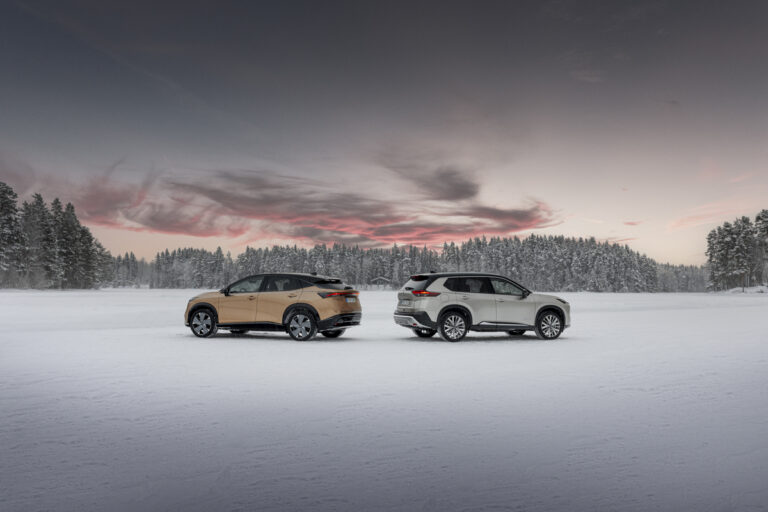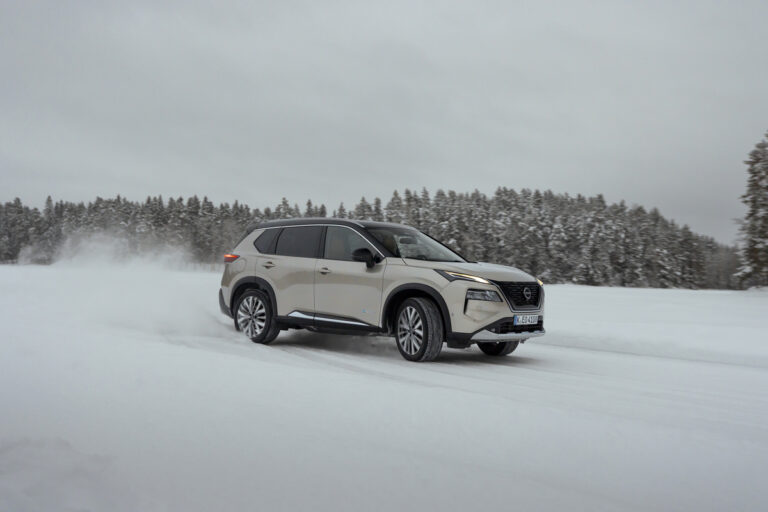
The Nissan X-Trail regularly suffers from brake problems that can range from annoying squeaking to dangerously long stopping distances. A soft brake pedal, squealing brakes due to worn pads or brake fluid issues require prompt inspection to safeguard your safety. Do you recognise these signs? Read on to find out what you can do.
These symptoms point to brake problems
Brake issues on the X-Trail often show up during everyday driving. You hear squeaking or screeching brakes mainly at low speeds. This usually indicates worn brake pads, glazed brake discs or missing anti-rattle clips. A soft or spongy brake pedal is a sign of a low brake fluid level, air in the system or worn components. This results in longer braking distances and is immediately dangerous.
Juddering under braking feels like vibrations in the steering wheel or pedal. This is often caused by warped brake discs due to overheating or heavy wear. Overheating brakes occur mainly at the rear. Owners report an overheated right rear brake despite new pads, sometimes with persistent drag after braking.
Warning lights are a direct warning sign. An illuminated brake or ABS light (ABS light: warning light of the anti-lock braking system) indicates a low fluid level or an ABS fault. Stop immediately and check the system. These symptoms occur more often at higher mileages, around 80,000 to 120,000 kilometres, and on models that are heavily used.
‘ Owners report that even after cleaning and replacing the pads, dirt build-up on pistons or inside the hoses can still be the underlying cause. ’
What causes these brake problems?
Brake problems on the X-Trail arise from a combination of normal wear, lack of maintenance and design-related issues. Worn brake pads and discs are the result of normal wear and tear. When braking, you convert kinetic energy into heat. This can cause pads to harden or discs to deform.
Brake fluid issues also play an important role. A low level or contamination triggers warning lights and reduces pedal feel. Mechanical blockages occur due to dirty or seized pistons in the calipers, tight handbrake cables or internal hardening of the rubber in brake hoses.
ABS and system faults (faults in the control unit or sensors of the braking system) can occur in the anti-lock braking system. These faults are often linked to the fluid level or to electronic sensors and control modules. Overheating from repeated heavy braking leads to dragging brakes, especially at the rear due to poor evacuation of brake fluid. Owners report that even after cleaning and replacing pads, dirt build-up on pistons or inside the hoses can still be the underlying cause.
How to check the brakes yourself
You can detect many problems early with a visual inspection. Jack up the car, allow the wheels to spin freely and check the brake pads. They should have at least 3 millimetres of thickness remaining. Check the discs for grooves or warping and check the fluid level in the reservoir. It should be between the minimum and maximum markings.
Then test whether the wheels spin freely after braking. Measure the temperature with an infrared thermometer to track down dragging brakes. A temperature difference of more than 50 degrees Celsius indicates a problem. Check the brake fluid and top up with DOT 4 specification if the level is too low. Bleed the system if there are air bubbles to restore a firm pedal.
Also check the handbrake. Make sure the cables are not too tight and adjust them for equal wheel resistance. For a thorough diagnosis you can use an OBD tool (OBD tool: diagnostic device that reads the car’s fault codes) to read ABS codes. Always replace discs and pads per axle to maintain proper brake balance.
Squeaking brakes: causes and solutions
Squeaking brakes are the most commonly reported complaint among X-Trail owners. In many cases, simply replacing the anti-rattle clips already solves the problem. If you ignore this, you risk damaging the rotors. The noises occur because worn pads rub directly against the metal of the brake disc, or because the pads have become glazed from overheating.
The solution depends on the cause. First check the thickness of the brake pads. Are they below 3 millimetres? Then replace them immediately. When doing so, make sure you use new anti-rattle clips. These small parts prevent vibrations and noises. Are the brake discs glazed or damaged? Then they need to be skimmed or replaced.
‘ No experience with this? Then have a garage do it for you. ’
Soft brake pedal: what should you do?
A soft or spongy brake pedal is an immediate safety issue. This symptom indicates air in the braking system, a low brake fluid level or an internal leak. Air in the system often occurs after maintenance where the system was not bled properly, or due to small leaks where fluid slowly evaporates.
Start by checking the fluid level in the reservoir under the bonnet. Is it below the minimum mark? Then top up with DOT 4 brake fluid. Note: if the level keeps dropping, there is probably a leak. Check the brake hoses, connections and calipers for signs of moisture.
Bleeding the braking system requires some technical knowledge. Start with the wheel furthest from the master cylinder and work your way forwards. Use a helper to press the brake pedal while you open the bleed nipple. Repeat this until only fluid without air bubbles flows out. No experience with this? Then have a garage do it for you.
Brake reliability on used cars
Thinking of buying a used X-Trail? Then pay close attention to the condition of the brakes. Ask for the service history and when the brake pads, discs and brake fluid were last replaced. On models with mileages around 100,000 kilometres, the risk of brake-related problems is higher.
During a test drive, make deliberate use of the brakes at different speeds. Pay attention to vibrations, noises and pedal feel. A soft pedal or squeaking brakes are red flags. After the drive, check whether one of the wheels feels warmer than the others. This may indicate a sticking brake caliper.
For X-Trail T32 models (the third-generation X-Trail, from 2013 onwards) brake problems occur less frequently than on older versions. Even so, a thorough inspection before purchase remains important. Negotiate on the price if there is clear wear or obvious issues, because replacing a complete brake set quickly costs several hundred euros.
Maintenance tips for safe brakes
Preventive maintenance prevents most brake problems. Replace pads and discs as a precaution every 50,000 to 70,000 kilometres, or earlier at 50 percent wear. Change the brake fluid every two years. It absorbs moisture and therefore loses its properties, which leads to a soft pedal and reduced braking performance.
Have the brakes visually inspected at every service. A mechanic can see within a few minutes whether problems are looming. This prevents expensive repairs and dangerous situations. Also keep an eye on changes in braking behaviour yourself. Notice anything unusual? Then have it checked straight away.
A few practical tips for everyday use:
- Avoid harsh braking where possible; this will extend the life of pads and discs
- Occasionally brake firmly from speed in a safe place to remove glazing from the discs
- Check the level in the brake fluid reservoir regularly
- Pay attention to warning lights and never ignore them
- Schedule annual inspections for optimum safety
‘ Do not keep driving with problems for too long, because damaged brake discs make the repair much more expensive. ’
When should you go to a garage?
You can solve some brake problems yourself, but for certain symptoms you need professional help. Go to a garage immediately if the ABS light is on, the brake pedal sinks to the floor, or you experience severe vibrations while braking. Overheating brakes that do not improve after cleaning also require specialist diagnosis.
A garage has professional equipment to test the braking system thoroughly. They can measure discs accurately for warping, read the ABS system and check the entire hydraulic system under pressure. For complex problems such as seized pistons or internal hose issues, experience is essential.
Always ask for a clear quotation in advance. A standard brake set for the front axle costs between 300 and 500 euros including labour. For all four wheels you should expect 600 to 900 euros. Bleeding and changing the fluid usually costs 50 to 100 euros. Do not keep driving with problems for too long, because damaged brake discs make the repair much more expensive.
On the Carnews website you will find much more information about common car problems, maintenance tips and experiences with different models. Discover which other points of attention there are for the Nissan X-Trail and compare your experiences with those of other owners.
Frequently asked questions
The most common brake problems with the Nissan X-Trail are squeaking or screeching brakes due to worn pads or glazed discs, and a soft or spongy brake pedal caused by low or contaminated brake fluid or air in the system. In addition, juddering under braking occurs due to warped or worn brake discs. Overheating (often rear) brakes caused by sticking calipers or hoses are also frequently reported. Furthermore, brake or ABS warning lights regularly appear, often due to a low brake fluid level or ABS faults.
You can recognise early brake problems on a Nissan X-Trail by squeaking or screeching brakes, especially at low speed, which often indicates wear to the pads or discs. A soft or spongy brake pedal, where the stopping distance becomes longer, is another important sign. Vibrations in the steering wheel or brake pedal while braking point to possibly warped brake discs. An illuminated brake or ABS warning light is also a clear sign that something is wrong with the braking system.
There are no widely documented structural design defects in the X-Trail braking system that have been explicitly acknowledged by Nissan, but there are several recurring points of attention. On certain generations, users relatively often report sticking calipers or pistons, especially at the rear, which can lead to overheating brakes. Warping of brake discs under heavy use also occurs regularly, which indicates a sensitivity to overheating. These problems seem mainly to be a combination of design sensitivity and maintenance or usage conditions, rather than a single clear design flaw.
Have your brakes checked at least once a year and replace pads and discs in good time (around 50,000–70,000 km or at about 50% wear). Change the brake fluid every 2 years using the correct DOT 4 specification and ensure the level is always between min and max. Keep calipers, pistons and handbrake cables clean and moving freely so that nothing seizes and the wheels can spin freely again after braking. Respond immediately to squeaking, juddering, a soft pedal or illuminated brake/ABS lights and have the car checked as soon as possible.
Yes, there are performance-oriented brake upgrades available for the Nissan X-Trail, such as sporty brake pads and drilled or grooved brake discs. These can improve brake response and resistance to fading, especially under heavy or mountainous use. Braided steel brake hoses and high-quality DOT 4 brake fluid can also improve pedal feel and consistency. Always have brake upgrades professionally matched to your driving style and tyres so that balance and safety are maintained.
For a Nissan X-Trail, the costs for replacing pads only are roughly between €150 and €300 per axle, depending on the brand and workshop. For replacing both brake discs and pads, you usually need to budget around €300 to €600 per axle. Fixing sticking calipers or overheating brakes (cleaning, freeing off, possibly replacing a hose) often costs around €150 to €400 extra, depending on the damage. A complete brake service including changing the brake fluid, inspection and small adjustments often comes to between €100 and €200.