
Regular filter changes, checking the cooling system, proper lubrication and timely software updates minimise problems with the CVT transmission, engine and electronics of your Nissan X-Trail. With a well thought-out maintenance schedule you can prevent costly breakdowns and keep your car in top condition for longer. Read on and discover how smart measures can help you head off many common Nissan X-Trail problems in advance.
Changing engine oil and filters on schedule
The engine in your X-Trail deserves fresh oil to keep running smoothly. When the oil change warning light on the dashboard comes on, change the engine oil within two weeks or 800 kilometres. If you ignore this warning, you risk increased wear and possibly even engine damage. After each oil change, reset the counter via the vehicle information display under ‘Settings’ and ‘Maintenance’. Always reset both menus to avoid duplicate warnings.
Combine the oil change with replacing the oil filter for optimum lubrication. Do this every 10,000 to 15,000 kilometres, depending on your driving style and load. If you often drive short distances or in a sporty way, the interval shifts towards the lower end of this range. This keeps the engine clean and operating at full power.
Checking CVT transmission cooling and lubrication
The CVT transmission in many X-Trail models is sensitive to overheating and wear. This can lead to vibrations, slipping ratios or even complete failure. Prevent expensive repairs by regularly checking the transmission’s cooling system. Check whether the coolant hoses remain supple, without leaks or damage. Also check that the coolant level is correct and that it has not discoloured.
Watch out for signals that point to transmission problems:
- Vibrations when pulling away or at a constant engine speed
- Delayed response when accelerating
- Unusual noises from the gearbox
- Warning light on the dashboard
Software updates from Nissan sometimes resolve software issues with the CVT. Ask your dealer or garage at every service whether new updates are available. Some owners report improvements in smoothness and response after an update. In addition, regularly changing the CVT fluid helps to limit wear. Ideally do this every 60,000 kilometres, even if Nissan sometimes specifies longer intervals.
Replacing suspension and running gear in good time
Many X-Trail drivers report problems with anti-roll bars and struts, especially after intensive use on poor road surfaces. Knocking noises in corners or thumps over speed bumps are common warning signs. That is why you should regularly check for play in the anti-roll bars and replace them at the first signs of wear.
Here you will find useful guidelines for replacement intervals:
- Front and rear anti-roll bars: every 50,000 to 80,000 kilometres
- Front and rear struts: every 80,000 to 100,000 kilometres
- Coil springs: at inspection or when the car sits at an uneven height
- Front control arms: around 100,000 kilometres, or earlier if the bushes show cracks
Ideally replace these parts in pairs or complete sets for good balance. Test struts for leaks and do not keep driving with knocking noises, as this accelerates tyre wear and has a negative effect on the steering behaviour. With step-by-step videos online you can do much of this work yourself. Just make sure you lift the car safely and tighten bolts to the correct torque.
Inspecting brakes and tyres for safety
Brake discs and pads wear faster with a lot of city traffic and stop-and-go driving. Inspect these components every 20,000 kilometres and replace them when the minimum thickness is reached. This prevents juddering when braking and keeps braking distances short. Wheel bearings also deserve attention: humming noises while driving indicate wear. Have them checked and replaced if necessary, often at the same time as brake servicing to save time and money.
Tyre rotation is part of standard maintenance. Record this via the car’s maintenance menu and check tyre pressure weekly for optimum grip and fuel efficiency. Well-maintained tyres contribute to safe handling and save fuel in the long run.
‘ Although the e-POWER requires less maintenance for the combustion engine, oil intervals and filter changes remain important. ’
Monitoring electronics and battery in e-POWER models
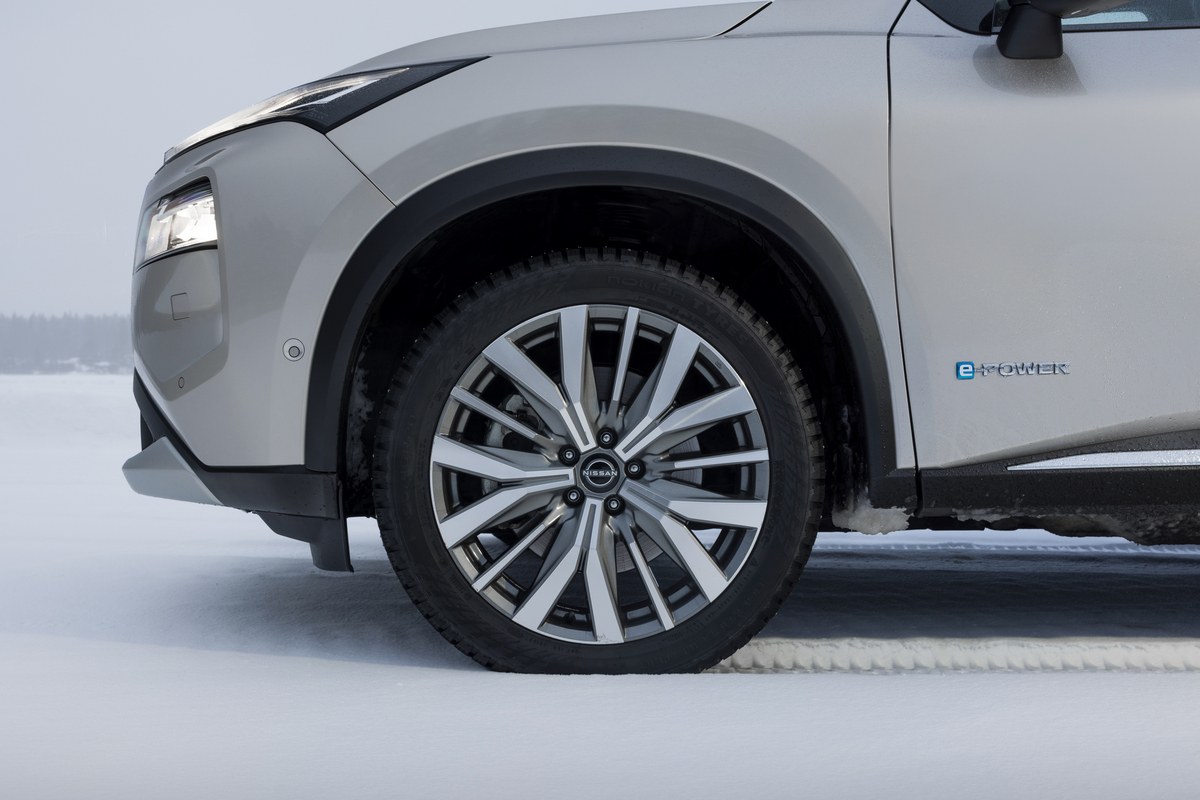
If you drive an e-POWER model, the lithium-ion battery deserves special attention. Check the charge gauge regularly and reset warnings after servicing. Although the e-POWER requires less maintenance for the combustion engine, oil intervals and filter changes remain important. Follow the same guidelines as for conventional models.
Also check the operation of the tailgate mechanisms and bonnet. In case of malfunctions, switch to manual operation to maintain access to important components. Ensure regular inspection of wiper blades, air, cabin and fuel filters as well. Replace these annually for optimum performance and comfort.

Carrying out monthly checks and keeping a logbook
In addition to major service intervals, small monthly checks help to spot problems early. Check the fuel filler flap carefully and avoid overfilling to prevent sensor issues. Regularly inspect the exhaust and brake callipers for rust, especially in areas with a lot of moisture and road salt. Regular inspection and degreasing limit corrosion.
Keep a maintenance logbook in which you record all the work carried out. This keeps you on top of replacement intervals and prevents you from skipping important services. Some owners use an app or spreadsheet to maintain an overview. Plan major services in advance and combine multiple jobs for efficiency.
Specific points of attention for each generation
Different generations of X-Trail have their own sensitivities. T30 models require extra attention to suspension and engine problems, while T32 variants sometimes have to deal with electrical issues. Consult forums and the experiences of other owners to identify generation-specific problems at an early stage. This helps you to carry out targeted checks and act preventively.
If you are unsure about symptoms or unclear noises, consult a specialist. Early diagnosis often prevents small problems from developing into expensive repairs. Reliable garages with knowledge of Nissan models recognise warning signs quickly and advise you on the best approach.
‘ This costs nothing and can save you a lot of worry. ’
Keeping track of software updates and factory modifications
Nissan regularly releases software updates that address known issues, particularly focused on CVT transmission and engine management. Ask at every service whether new updates are available. These updates often improve the smoothness, response and reliability of your X-Trail. Some problems are resolved by this alone without any physical work.
Also keep an eye out for recalls and factory modifications for your specific model year. Register your car with Nissan so that you are automatically kept informed of important messages. This costs nothing and can save you a lot of worry.
Doing it yourself or going to the garage
Simple maintenance tasks such as checking oil levels, replacing filters and inspecting tyres can often be done yourself with basic tools and online tutorials. For more complex jobs such as changing CVT fluid, replacing suspension components or diagnosing electronic faults, it is better to call in an experienced mechanic. Poorly performed maintenance can lead to more damage and higher costs.
Invest in quality parts that match Nissan’s specifications. Cheap alternatives may look attractive, but can sometimes lead to faster wear or incompatibility. Genuine or high-quality replacement parts keep your X-Trail reliable for longer.
On the Carnews website you will find much more information on maintenance, common problems and experiences with different car brands and models. Discover useful tips, comparisons and advice that help you keep your car in optimum condition. Take a look and stay up to date with everything that is happening in the automotive world.
Frequently asked questions
Strictly follow the maintenance schedule for engine oil and filters (preferably every 10,000–15,000 km) and never ignore the oil change warning light. Have the suspension and running gear (anti-roll bars, struts, control arms) checked preventively around 60,000–100,000 km to prevent wear and extra tyre wear. Inspect brakes and tyres at least every 20,000 km, keep tyre pressures correct and rotate the tyres regularly. Replace air and cabin filters annually and check the battery, belts and wiper blades so that electronics and visibility remain optimal.
The Nissan X-Trail relatively often suffers from wear on anti-roll bars, struts and control arms; therefore have the running gear regularly checked for play, leaks and uneven spring behaviour and replace parts preventively around 80,000–100,000 km. Brakes wear faster than average with a lot of city traffic: have discs and pads checked at least every 20,000 km and, if necessary, combine this with checking or replacing wheel bearings. Prevent engine damage by changing oil and oil filter in good time (around every 10,000–15,000 km) and never ignoring the oil warning light. Also check annually for rust on the exhaust and brake callipers, especially in wet or salty conditions, and treat early corrosion immediately.
Recommended DIY tasks for a Nissan X-Trail include regularly changing engine oil and oil filter yourself and carrying out tyre checks and rotation. In addition, periodically check brake pads and discs, tyre tread and tyre pressures, and listen for unwanted noises from the suspension and wheel bearings. Inspect wiper blades, air and cabin filters and replace them annually. For those who want to go a step further, carefully inspecting and, if necessary, replacing anti-roll bars, struts and control arms are interesting projects, provided you use the right tools and a safe lift or jack setup.
By changing oil and oil filter in good time (ideally every 10,000–15,000 km) and correctly resetting the maintenance light, the engine will keep running more efficiently and economically. Check tyre pressures weekly and rotate tyres according to schedule to reduce rolling resistance and improve driving comfort. Have suspension (anti-roll bars, struts, control arms) and brakes inspected regularly and replace worn parts in good time to keep handling and braking performance at their best. Replace air and fuel filters annually so that the engine can breathe freely and fuel is atomised optimally.