
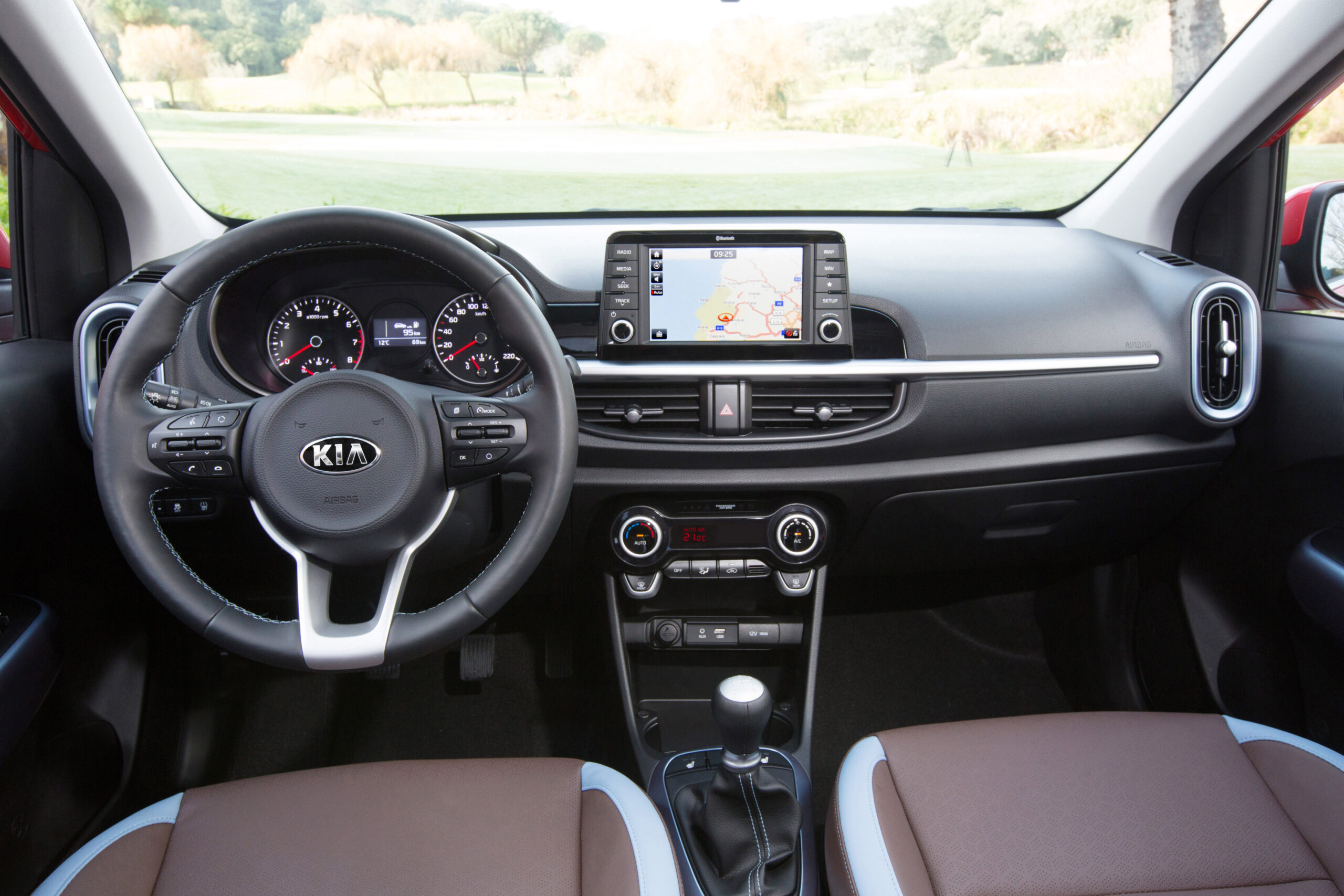
The central locking system of the Kia Picanto regularly causes problems for owners: actuators that fail, windows that move on their own and an alarm that goes off unintentionally. These faults are annoying, but fortunately often easy to explain and resolve. Read on to discover what causes these symptoms and how to tackle them.
The central locking system is a convenient feature that locks and unlocks all doors at once via your remote control, key or buttons in the car. The Kia Picanto has this system as standard on most models from 2004 onwards. It works with electric actuators in each door that are connected to each other via cables and a control module. At speeds above 15 kilometres per hour the doors lock automatically, a function you can often adjust via the dashboard or infotainment screen.
In a collision that deploys the airbags, the doors unlock automatically so emergency services can intervene quickly. The system is convenient, and it is also an important safety feature. However, this smart system can fail, with Kia Picanto owners regularly reporting that their locking system falters or behaves strangely.
Door locks centrally but will not open locally
One of the most common complaints is that one door, often the driver’s door, can no longer be opened locally while the central locking still works. You lock all the doors via the remote, but when you try to use the handle from the inside, nothing happens. This problem is usually caused by a faulty actuator.
The actuator is a small electrical component in the door that physically moves the lock. Due to wear, the actuator can seize or break, causing the mechanical connection between the door handle and the lock to be lost. In the Kia Picanto this occurs mainly on the driver’s door, because it is used the most. In addition, cables or the linkage – the mechanical connection system – can seize or become damaged.
Symptoms of a faulty actuator are:
- The door locks centrally, but the handle does not respond
- You hear a click or buzzing sound, but the lock does not move
- One door does not work, while the other doors function normally
You resolve this problem by replacing the actuator. You can do this yourself by removing the door trim, disconnecting the electrical connectors and unscrewing the three Torx bolts on the actuator. Slide the locking mechanism backwards, replace the actuator and reassemble everything in reverse order. Cheap replacement actuators are widely available from car parts dealers and online.
‘ Forums report that around seventy percent of these types of faults are solved by checking the fuses, without needing to visit a garage. ’
Windows move up or down on their own
Some owners report that the electric windows move on their own, without them operating the switches. The windows go down or up by themselves, sometimes even when the car is parked and the key is out of the ignition. This strange behaviour is often related to faults in the electrical system of the central locking.
The cause usually lies in the control relay or the PCB block, the relay board located under the dashboard. This board controls the electrical signals for the window switches and the central locking. When relays fail or a short circuit occurs, incorrect signals can be sent to the window motors. A faulty fuse can also cause intermittent operation, where the windows seem to react randomly.
In addition, a fault in the remote control or the keyless entry system can cause these issues. If the remote unintentionally sends signals, for example due to a button that sticks or electronic interference, the windows can respond as if you are operating them.
Repair starts with checking the fuses in the PCB block. Remove the block and inspect the relays for signs of burning or corrosion. Often a simple fuse replacement already solves the problem. Forums report that around seventy percent of these types of faults are solved by checking the fuses, without needing to visit a garage. For models from 2017 onwards, a software update via the infotainment system can also help.
Alarm triggers unintentionally
An alarm that goes off for no reason is not only annoying for you, but also for those around you. In the Kia Picanto this occurs especially when the alarm system is linked to the central locking. The alarm reacts to signals from door switches, motion sensors or the bonnet, and when those signals are received incorrectly, the alarm goes off.
This can have several causes. A faulty door contact switch can make the system think that a door is being opened while the car is locked. A weak battery can also sometimes cause strange alarm signals, because the voltage is too low for stable operation of the electronic system. In addition, vibrations, for example from passing vehicles or wind, can trigger the motion sensor if it is set too sensitively.
Possible causes are:
- Faulty door contact switch sending incorrect signals
- Weak or old battery with insufficient voltage
- Motion sensor set too sensitively
- Fault in the control relay or PCB block
To solve this problem, start by checking the battery. Measure the voltage and replace the battery if it is below the recommended value. Then check the door contact switches by opening and closing each door while watching the response on the dashboard. You can easily replace a faulty switch by removing the trim and unscrewing the switch.
If the alarm continues to go off, you could consider reducing the sensitivity of the motion sensor via the infotainment system or having a garage adjust the settings. In persistent cases it may be necessary to replace the control relay, following the same procedure as for the window fault mentioned earlier.
Preventive maintenance avoids many problems
Simple maintenance prevents many faults in the central locking system of the Kia Picanto. Test every month whether all doors lock and unlock properly, both centrally and locally. This way you will spot early on when an actuator starts to falter. Lubricate the linkage and mechanical parts periodically with a suitable lubricant to reduce wear.
Check the battery regularly. This is especially important if it is older than four years. A weak battery not only causes alarm issues, but can also lead to intermittent operation of the locking system. Clean the electrical contacts of the remote control and replace the battery annually to prevent incorrect signals.
For older Picantos from the period 2004 to 2011 with manual locks, consider an upgrade to a power lock kit with remote control. These kits are affordable and significantly improve the convenience and safety of your car.
‘ Replacement parts are widely available online and often cheaper than at the dealer. ’
Practical tips for DIY repairs
If you want to carry out repairs yourself, make sure you work from the bottom of the door trim to avoid damage. Carefully pull the trim upwards and disconnect all electrical connectors first before continuing. Use a Torx bit for the actuator bolts and a Phillips screwdriver for the cables.
When replacing actuators, make sure you slide the locking mechanism backwards before installing the new actuator. Reassemble everything in reverse order and test operation before refitting the trim. For models from 2012 onwards the procedure is the same. The location of the bolts sometimes differs slightly.
Owners recommend giving priority to the driver’s door during checks, because it is the one that most often fails. Extend its lifespan by lubricating the actuators preventively. Replacement parts are widely available online and often cheaper than at the dealer.
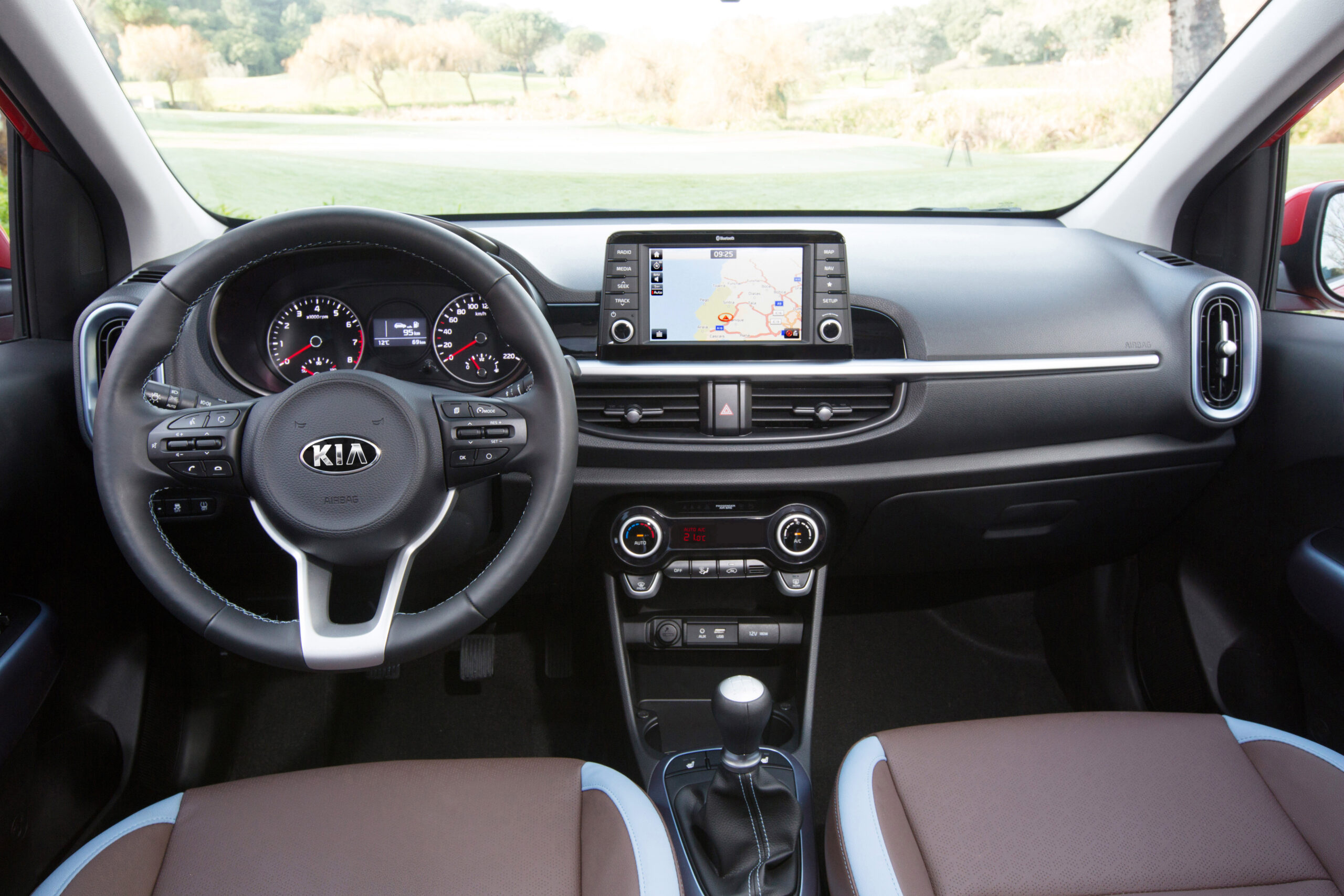
Discover more about the Kia Picanto
Faults in the central locking are annoying, but with the right knowledge and approach they are often easy to resolve. Whether you are dealing with locking that falters, windows that move on their own or an alarm that triggers unintentionally, the causes can usually be traced back to actuators, relays or electrical faults. On the Carnews website you will find much more information about common problems with the Kia Picanto and other car models. Discover more tips, experiences and practical guides to keep your car in top condition.
Frequently asked questions
Common faults include defective door locks/actuators (especially the driver’s door), electrical problems such as a blown fuse or relay in the fuse/PCB box, and mechanical problems in cables or rods that seize or break. You can start yourself by checking the fuses and listening to whether you can still hear the actuators in the doors working when locking and unlocking. If only one door does not respond while the rest work, this usually points to a faulty actuator or mechanical problem in that door. By carefully removing the door trim you can visually inspect the rods, cables and actuator for damage and play.
Yes, it is in principle possible to upgrade standard central locking on a Kia Picanto to a system with keyless entry, often using aftermarket power lock/remote kits. Older models with manual locks are regularly converted with such kits. Installation does require some technical knowledge (wiring, mounting actuators) or professional fitting. Always check whether the chosen kit is compatible with the year of manufacture and the type of Picanto.
At least once a year, clean the door locks and the mechanism inside the door (linkage and cables) and lightly lubricate them with a suitable lubricant so that nothing seizes. Regularly check the operation of all doors using the remote control and the button in the interior, so that a faltering actuator or door is quickly noticed. In the event of faults, always first check the fuses and the relay block (PCB block) under the dashboard for oxidation or blown fuses. Test monthly whether the automatic locking while driving and manual locking/unlocking still function correctly.
Retrofitting central locking to a Kia Picanto without factory-fitted central locking usually costs around €200–€400 at a general garage or installation specialist, depending on the number of doors and the chosen kit (with or without remote control). Including integration with the existing wiring and neat installation of actuators in all doors, it is a moderately complex job that can take a DIYer several hours, but which a professional usually completes within half a day. For older Picantos with fully manual locks, extra work is required to install cables and actuators, which pushes the price towards the top of this range. Have it checked in advance whether any pre-installed wiring or modules are already present, as this can significantly reduce price and time.
There are no officially documented weak points of the central locking of the Kia Picanto specified per model year, but there are recurring problems, especially with older model years (around 2004–2011). Frequently reported are failing actuators, particularly in the driver’s door, and electrical faults in fuses or the PCB/relay block that lead to failure of (all) doors. Mechanical wear of cables and rods also occurs, causing a door to no longer lock or unlock properly. Later models mainly have the same types of component issues, but no major design changes or recalls are known specifically for the central locking by model year.