
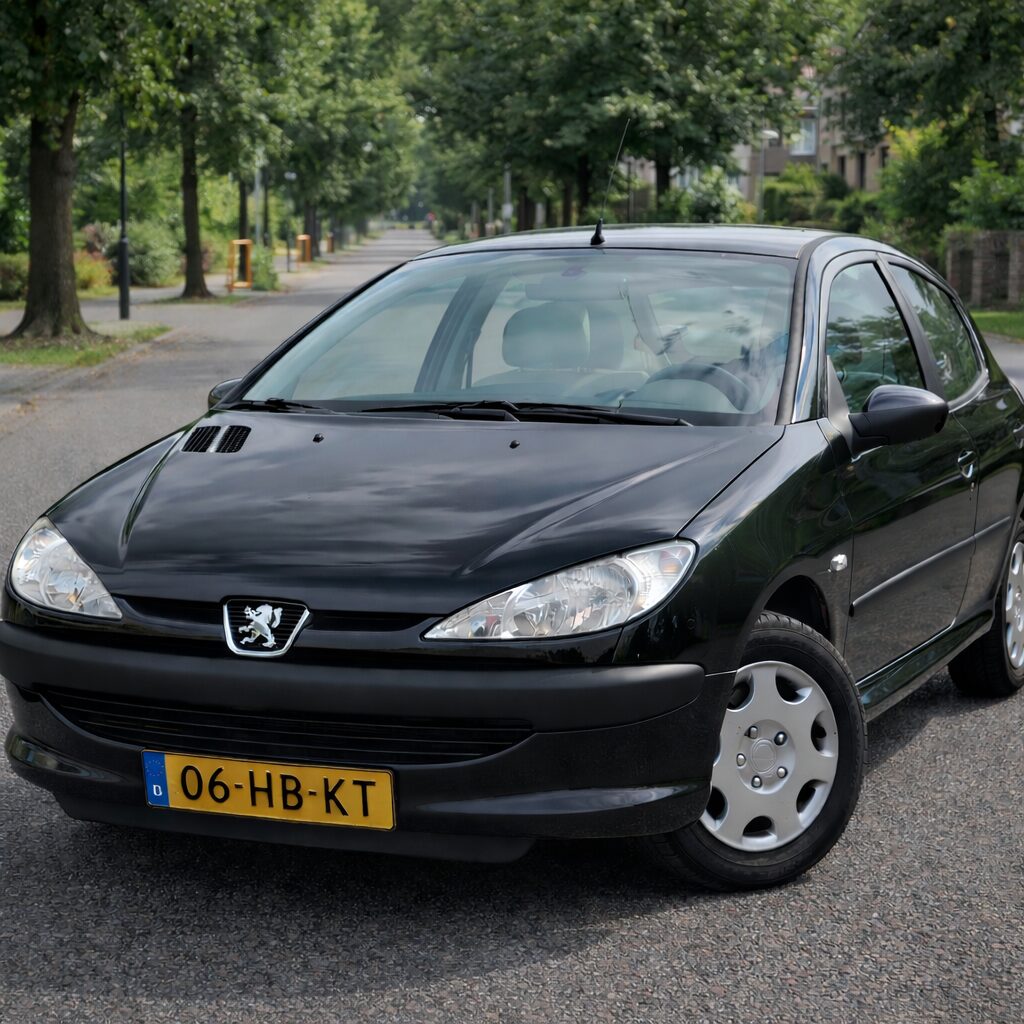
The central locking system of the Peugeot 206 regularly lets owners down due to faulty limit switches and electrical faults. Doors that pop open again immediately after locking, locks that unlock randomly, or a system that no longer responds at all: these are well-known problems with this popular model. The causes are often found in the electrical wiring, broken sensors or blown fuses. Discover which solutions work and how you can tackle these problems yourself.
Why the doors won’t stay locked
A common complaint with the Peugeot 206 is that the doors do lock with a clear click, but then unlock again almost immediately. This usually points to a problem with the limit switches in the door lock. These switches detect whether the door is closed and whether the lock is engaged. When these sensors send incorrect signals, the system thinks the door is open or not properly locked.
The door locks contain two limit switches: one for the door status and one for the lock status. These communicate with the electronic control unit of the central locking via pulse-width modulated signals – electrical signals where the length of the pulse conveys information. If the limit switches fail, the lock sends out the wrong information. The result is that the central locking immediately unlocks the doors again to correct supposed faults.
‘ The system then responds with unpredictable behaviour. ’
Locking and unlocking spontaneously while driving
Some owners report that the central locking behaves randomly while driving. The doors lock themselves for no reason or suddenly unlock. This pattern points to an electrical problem in the wiring or electronics of the system. Possible causes are damaged wiring in the door hinges, corrosion on contact points or a defective control module.
The wiring runs from the bodywork, through the door hinges, to the locks. Due to the constant opening and closing of the doors, wires can break or crack. This causes intermittent connections that send fluctuating signals. The system then responds with unpredictable behaviour.
Tracing problems with simple tests
Start by checking the fuses. A blown fuse is a common cause of a completely failed central locking system. Test this with a test lamp or voltmeter. If the fuse is intact, then check the limit switches in the door locks.
Measure the resistance between earth and each contact with a multimeter. The resistance between earth and the door-status contact should be almost zero ohms when the door is closed. The same applies to the locking contact when the lock is engaged. With a defective limit switch you will see that the resistance first drops to a low value and then rises again, causing the lock to unlock immediately.
Check the wiring in the door hinge area
Inspect the wiring that runs through the hinge from the body to the door. Look for damaged insulation, broken wires or corrosion on connectors. Slowly open and close the door while watching for interruptions in the operation of the central locking. This may indicate a broken wire in the hinge area.
Cheap temporary fix for faulty limit switches
When the limit switches are defective, there is a practical temporary repair. The motorised lock system is sealed and difficult to repair, but you can trick the system by simulating that the door is always closed. You do this by connecting two specific wires together in the door wiring connector.
For the driver’s door, connect the middle orange wire to the green and yellow wire. For the passenger door, connect the middle purple wire to the green and yellow wire. Work carefully and follow these steps:
- Carefully strip a short section of insulation from both wires
- Connect the exposed wires by twisting them together, or use a short piece of thin wire
- Carefully insulate the connection with insulation tape
- Test the operation before feeding the cable back through the bodywork
When this has been carried out correctly, the doors lock with a click and the indicators flash. This solution is suitable as a temporary measure, but a complete lock replacement remains the best permanent fix.
‘ The locks are not designed for servicing and contain no replaceable internal parts. ’
Door lock seized or mechanically faulty
In addition to electrical issues, the locks can also suffer mechanical problems. The Peugeot 206 uses motorised locks that can fail both electrically and mechanically. A seized lock no longer responds to the remote control or the central locking button. The door can then only be locked or unlocked manually with the key.
Mechanical faults arise due to wear of the internal gears and mechanisms. The locks are not designed for servicing and contain no replaceable internal parts. In the case of serious mechanical damage, complete lock replacement is necessary.
Carrying out full lock replacement
When the lock is damaged beyond repair, it has to be replaced. This is a relatively simple job that you can do yourself. First carefully remove the door panels. Disconnect all wiring attached to the lock and make a note of the positions of the different connectors.
The lock is held in place by three bolts. Remove these and lift the lock out of the door. Install the new lock in reverse order, making sure all cables are connected correctly. Thoroughly test its operation before refitting the door panels.
Preventive measures and maintenance
Prevent future problems by regularly checking the contact points in the door hinges. Spray the mechanical parts of the lock once a year with a suitable lubricant. Check that all connectors are firmly seated and free from corrosion.
Watch out for early warning signs. If the central locking is sometimes slow to respond or occasionally misses a door, investigate the cause straight away. Acting early prevents small faults from developing into a situation where the entire locking system no longer works.
When to go to the garage
Not all owners feel comfortable carrying out electrical repairs. Only work on the electrical system if you have the right knowledge and tools. Always use insulated tools and test your work thoroughly before reassembling everything. If you are unsure about the diagnosis or repair, consult a qualified technician.
Most central locking problems with the Peugeot 206 can be diagnosed well if you work in a systematic way. Start with the simplest causes such as fuses and wiring before considering more complex repairs. With the right approach and precautions, you can solve many problems yourself.
On the Carnews website you will find many more practical articles about common car problems and maintenance advice. Discover more tips and solutions that help you keep your car in top condition.
Frequently asked questions
Start by checking the relevant fuses and see whether the central locking then works again; use a test lamp or multimeter for this. Then test whether the door and lock limit switches are working correctly by measuring the resistance to earth: with a closed/locked door, it should be almost zero ohms. Check the wiring in the door jamb for breaks or poor contacts and repair/solder damaged wires. If a door keeps unlocking again straight away, the door lock mechanism or the switch is probably faulty and the lock will need to be repaired or replaced.
The most common technical causes are faulty limit switches in the door lock mechanism, damaged or corroded wiring in the door jamb and a blown fuse in the central locking circuit. Start by checking and, if necessary, replacing the relevant fuse and inspect the cables in the door for breaks or poor connections. If you suspect a faulty switch, you can unplug the connector in the door and (following the wiring diagram/colour codes) bridge the correct wires to make the system think the door is always closed. If that does not work, or the lock is mechanically worn, then complete lock replacement (removing the door panel, unplugging connectors, undoing three bolts, fitting a new lock) is the recommended DIY repair.
On average, the costs for fixing central locking or door lock problems on a Peugeot 206 are usually between about €150 and €400, depending on whether only a switch/fuse or a complete lock mechanism has to be replaced. DIY solutions (such as checking fuses or tracing wiring) can reduce costs significantly, but do require basic knowledge of automotive electrics. Professional help is really necessary if the lock unit itself is faulty, the door can no longer be opened or closed mechanically, or if unexplained electrical faults (for example random locking/unlocking) continue to occur. If you have no experience with car electrics or cannot find a clear cause after checking fuses and visible wiring, a visit to a specialist is advisable.
Yes, on the Peugeot 206 the limit switches in the door locks and the wiring (at the door opening) are particular weak points, which can cause doors not to stay locked or to lock and unlock spontaneously. Regularly check and maintain the wiring and plugs in the door pillar, and replace damaged or corroded parts in good time. In the event of persistent faults, have the limit switches or complete lock units checked preventively and replaced if necessary. Also make sure that fuses and earth connections are clean and properly tightened to prevent voltage problems.