
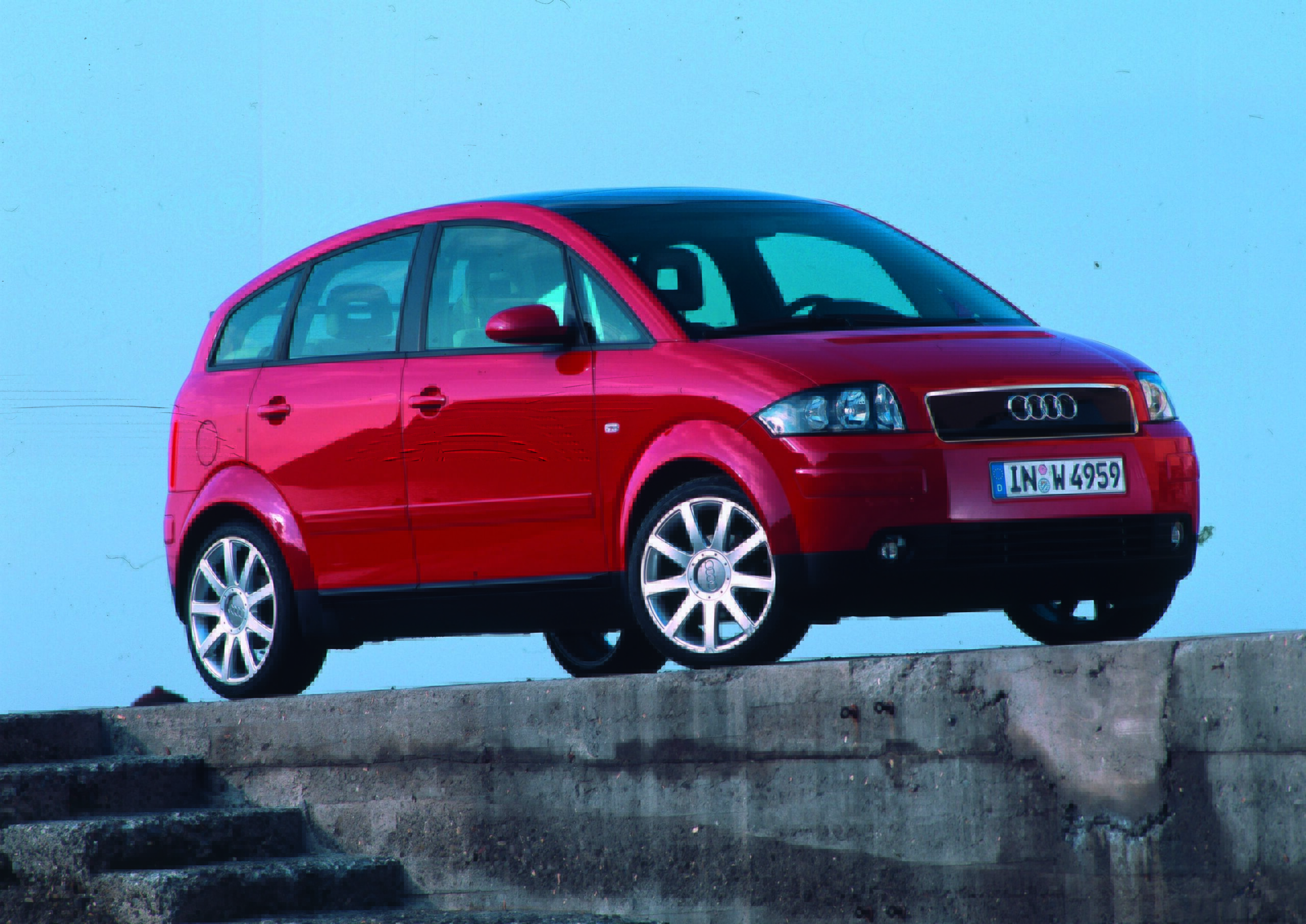
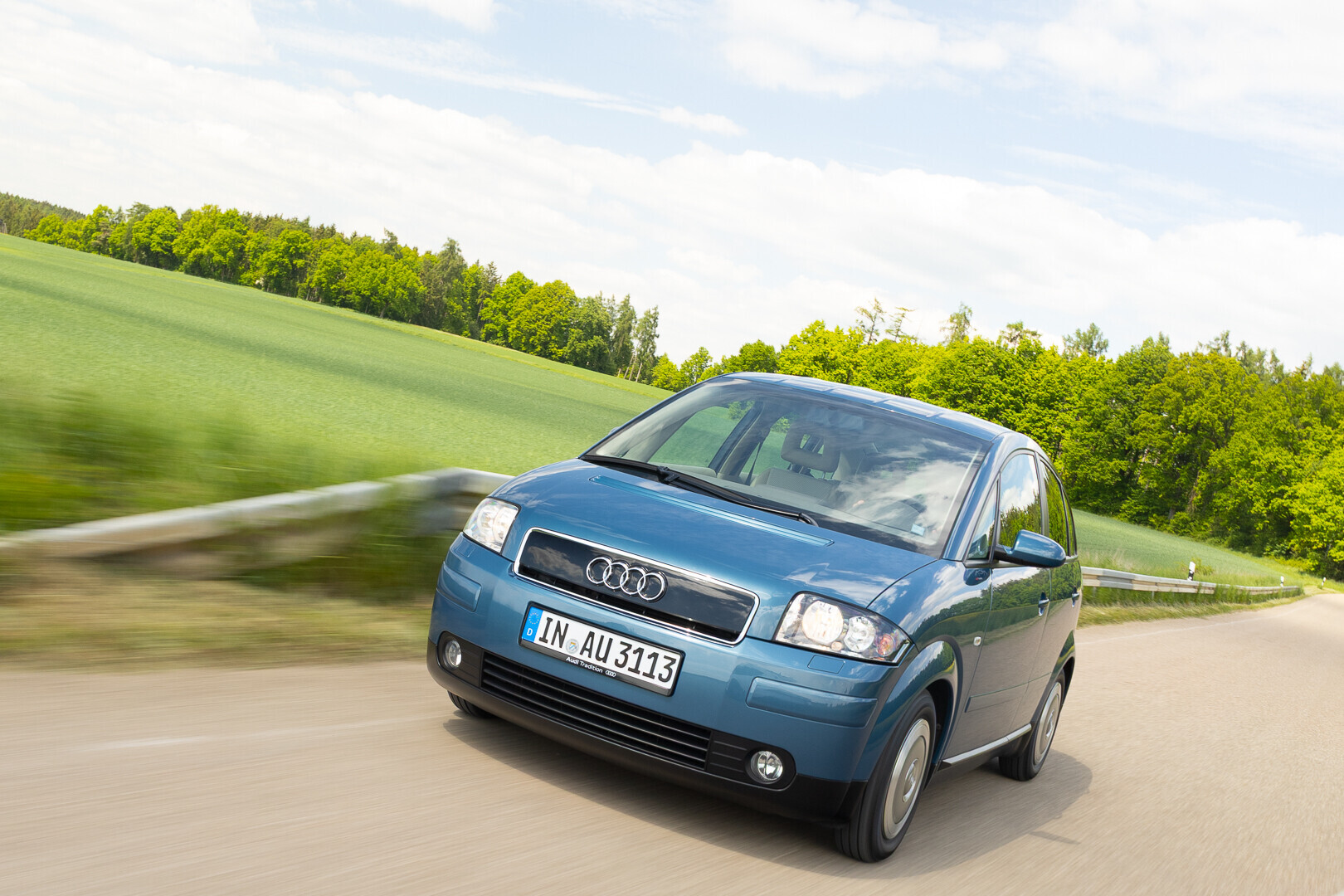
Central locking that doesn’t respond or doors that suddenly open while you’re driving: it’s a common problem with the Audi A2. Microswitches in the door unit wear out and cause repeated malfunctions. This directly affects your convenience and safety. Audi A2 car problems owners regularly report locking issues that escalate into completely dead systems. This article explains what goes wrong, how to trace the cause and which steps you can take to solve it.
Why has the central locking stopped responding
The door lock itself is often to blame. The locking mechanism in a door fails, disrupting the signals to the rest of the system. The central locking works via a network of sensors and switches that communicate with each other. One broken lock can therefore make other doors, the tailgate and even the fuel filler flap inaccessible.
Another problem lies in the connectors in the door pillars. These two-pin and multi-pin plugs carry power and signals to the door modules. There is no voltage on the two-pin connector. That points to an interrupted power supply, which may be caused by a blown fuse, a faulty relay or corroded wiring.
The comfort module also plays a role. This central module processes the signals from all the door locks. If the module does not receive any signals, the whole system remains silent. The A2 has separate circuits for the front and rear doors, which is why faults sometimes appear in specific zones.
‘ That creates a direct safety risk, especially on motorways or in bends. ’
Can my door open while I’m driving
Yes, that risk exists. Faulty microswitches can make the system think the door should open. In some cases, the comfort module registers an incorrect signal. The door then unlocks spontaneously, even while driving. That creates a direct safety risk, especially on motorways or in bends.
Owners of Audi A2 models from the 2001–2003 model years report this problem more often. Wear, moisture and vibrations come together, accelerating failure of the switches. The problem often starts small, with a door that occasionally doesn’t respond, but can quickly deteriorate into completely unreliable locking.
How do you trace the cause of the problem
Start with a visual inspection of the door pillars. Open the rubber protective cover and check the connectors for moisture, rust or loose contacts. The plugs may look dry, but there can still be corrosion inside. Spray contact cleaner into the two-pin and multi-pin connectors and then test whether the system responds.
Next, measure the voltage at the two-pin connector. Use a multimeter and set it to DC voltage. If you measure no voltage, there is a break somewhere in the line. Trace the circuit back via the fuse box and check the relays and fuses that supply the door modules.
Isolate the faulty lock by testing each door individually. Unplug one door and see whether the rest of the system now works. If it does, you’ve found the problem lock. Start with the front passenger door or the rear doors, as that’s where most faults begin.
An OBD scanner can read fault codes related to the central locking. Apps such as Carly or a standard OBD tool display codes that point to communication problems between modules and locks. Pay attention to codes that specifically mention the comfort module or door modules.
What are the main symptoms
Recognisable complaints with failing central locking include:
- Rear doors, tailgate and fuel filler flap do not respond to the remote control
- The front passenger door does not operate together with the system
- Electric front windows stop working, often linked to a door module
- The remote control no longer responds and the interior light fails
- Complete failure of the locking system, usually starting with one faulty lock
These symptoms often appear gradually. At first, a single door occasionally fails to respond. Over time this develops into a completely unworkable system. Moisture and wear speed up the process, and it happens even faster on cars that are parked outside.
‘ In many cases this resolves the entire chain reaction and the system operates normally again. ’
How do you solve locking problems
As a first step, replace the faulty door lock. Remove the lock from the door and fit a new or refurbished unit. In many cases this resolves the entire chain reaction and the system operates normally again. Make sure you buy a lock that matches the exact model year and specification of your car.
Restore the power supply if there is no voltage at the connectors. Replace the relevant fuse or relay, then check whether the rear circuit is receiving power again. The A2 has separate circuits for the rear and front doors, so trace which circuit is affected.
Reset the comfort module. To do this, disconnect the battery, leave the car without power for five minutes and then reconnect the battery. Test the remote control and check whether all doors now respond. This reset can help if the module software has frozen.
Keep the door pillars dry and lubricate the locks regularly with silicone spray to prevent new problems. Check the rubber seals around the pillars for cracks and replace them if necessary. This reduces moisture ingress and extends the service life of connectors and switches.
Is this problem a genuine safety risk
Yes, unreliable central locking is a direct safety risk. A door that unlocks spontaneously while driving can swing open in a sharp bend or sudden evasive manoeuvre. That endangers not only you, but also other road users.
A non-functioning locking system provides less protection against theft. Your car does not lock properly, allowing thieves easy access to the contents – or even the entire car. Keep spare keys to hand and, as an emergency measure, park with the front of the car facing a wall. Do this until you have solved the problem.
What do owners say about their experiences
Audi A2 owners report that problems often escalate. First a rear door stops responding. Then the fuel flap can no longer be opened. Eventually, the electric windows stop working. After cleaning the connectors and replacing the faulty lock, the system usually operates reliably again.
Some owners traced the problem to a specific relay that supplies power to the door modules. After replacing that relay, everything worked again immediately. Others warn of mysterious total failures where the entire system suddenly dies. Regular maintenance is estimated to prevent around 80 percent of these faults.
An important tip from experienced owners: don’t focus only on the driver’s door. Always check the rear first, as that’s where most problems begin. Trace the fault systematically, door by door, and look for patterns in which doors do or do not respond.
‘ On the Carnews website you’ll find much more detailed information about common faults, maintenance tips and practical solutions for your model. ’
Want to know more about your Audi A2
Locking problems are just one of the challenges. The Audi A2 can show additional issues. On the Carnews website you’ll find much more detailed information about common faults, maintenance tips and practical solutions for your model. Discover what other owners experience and learn how to recognise and tackle problems at an early stage.
Frequently asked questions
The most common causes are wear or internal failure of the door locks themselves and faults in the electrical supply or wiring (fuses, relays, broken cables). Oxidation or poor contact in plugs and connectors in the door pillars also frequently leads to failures. In addition, comfort or door modules can fail, meaning that signals from the remote control or central locking are not processed correctly. Moisture ingress and a lack of regular lubrication of the lock mechanisms accelerate these problems.
Start by checking the basics: do the other electrical functions in the door (window, mirror, interior lighting) still work and does the remote control still lock/unlock the car? Then check the fuses and relevant relays according to the diagram, and use a multimeter to measure whether there is 12V at the two-pin supply for the door lock/door module. If the power supply is in order, check and clean the plugs in the door pillar with contact cleaner and look for corrosion or moisture. If one particular door or flap remains “dead”, the door lock itself or the corresponding door module is usually defective. You can confirm this by reading fault codes with an OBD diagnostic tool.
First check whether the relevant fuses are intact and replace them if necessary. Spray some contact cleaner into the plugs in the door pillars and click all the connectors on and off a few times. Reset the system by disconnecting the battery for a few minutes (have any radio and key codes ready). Lightly lubricate all locks and latching mechanisms with silicone spray to free up any sticking components.
It is sensible to consult a specialist immediately when several doors, the tailgate or the fuel flap suddenly no longer respond to the central locking. Professional diagnosis is also required if a door is completely “dead” (can no longer be operated from inside or outside) or if this is combined with failure of the electric windows or interior lighting. Likewise, contact a specialist if there is no voltage at the connectors despite checking the fuses, or if earlier cleaning or reset attempts have had no effect. In the case of increasing or escalating faults (more and more doors or functions stop working), prompt action is important to prevent more serious damage.
Yes, regularly lubricating the door locks and latching mechanisms with a suitable (silicone) spray helps to prevent wear and sticking. Keep the door pillars and connectors dry and clean, and treat electrical plugs with contact cleaner if necessary to prevent corrosion. Check the fuses and relays of the central locking system periodically and have fault codes read if you notice unusual problems. In case of faults, you can sometimes briefly disconnect the battery to reset the comfort module, but only after you have checked the basic items.