
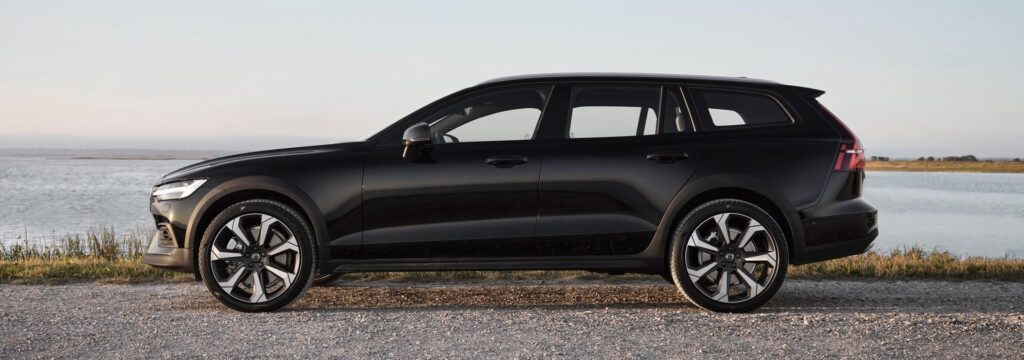
Charging problems with the Volvo V60 Hybrid are often caused by a faulty charging cable, a dirty or damaged charging port or software faults in the charging unit. A reduced electric driving range is the direct result. It is not always an expensive battery problem, but often practical causes that can be resolved with checks and maintenance.
Volvo V60 Hybrid not charging: check these components
Your Volvo V60 plug-in hybrid no longer accepts any charge. This is usually traceable to three main components. The charging cable may suffer from wear or damage. This leads to internal conduction faults. The charging port comes into contact with dirt, moisture or freezing. This causes blockage or damage. The charging unit in the car may have software issues or a defect. Communication with the charge point then fails.
For many V60 owners, charging does not start at all. The charging port is then contaminated with leaves, dust or salt crystals in winter. Inspect the port regularly by cleaning the contacts with a dry cloth. Do not apply any moisture or cleaning agent to the electrical contact points.
Test the charging process with a different charging cable and a different charge point. This rules out the possibility that the problem lies with the infrastructure. A faulty charging cable often does not trigger a warning on the dashboard, but quietly interrupts the power supply to the battery.
‘ Many charging problems are caused by a non-original charging cable. ’
Recognising a faulty charging cable on the V60 PHEV
A faulty charging cable can be recognised by several signs. The charging process does not start. Or it stops unexpectedly after a few minutes. The charging cable feels warm to the touch while charging, even at low charging power. Physical damage is also an indication. Think of cracks, kinks or deformation of the cable insulation. These signs point to internal broken wires.
Check both ends of the cable for wear. The plug on the car side can be damaged by repeatedly plugging in and unplugging with too much force. The contact pins must be intact and straight, without rust or burn marks.
If in doubt, have the cable tested at a Volvo dealer. You can also use a multimeter to check the continuity of the conductors. Many charging problems are caused by a non-original charging cable. This is not fully compatible with the V60 charging systems.
Charging port problems on the V60 PHEV
The charging port of the Volvo V60 plug-in hybrid is located on the left-hand side of the car. The port is exposed to the weather and debris from the road. Dirt can block the contacts in the port. Moisture can cause a short circuit.
Check the following points on the charging port:
- Are there any visible contaminants between the contact points?
- Is the cover cap intact? Does it close properly?
- Are there any visible damages to the plastic housing?
- Do the locking mechanisms close correctly?
The locking mechanism can become clogged or damaged. The charging cable then does not fully lock into the car. The safety communication between car and charge point is interrupted. Charging therefore does not start. The system then does not detect a correct connection.
In winter, the port may freeze shut or the contacts may become stuck. Never force a charging cable into a frozen port. Allow the car to warm up first or use lukewarm air from a hairdryer to melt the ice.
Software and system problems in the charging unit
Software faults can cause charging problems with the V60 plug-in hybrid. Volvo confirms this. The system then gets stuck in an error loop, even though the physical connection is correct.
Restarting the central computer resolves many charging problems. Switch the car off completely. Wait ten minutes. Start the car again. This procedure resets the charging schedule. The communication protocols are also reinitialised.
Charging schedules and timers in the infotainment system can cause issues. They sometimes conflict with settings in the charge point. Does charging not work when using a scheduled timer, but does it work immediately? Then switch off all schedules. Next, try charging straight away without any schedule. This way you can see whether the software settings are causing the problem.
Some V60 PHEV owners report communication problems with public charge points. Removing charge cards and adding them again in the system resolves this. This restores the authorisation sequence between car and charging infrastructure.
Battery module recall V60 2020–2022
For the Volvo V60 plug-in hybrid from model years 2020 up to and including 2022 a recall has been carried out due to a manufacturing defect in battery modules. This fault can lead to a short circuit. Overheating also occurs, particularly with a fully charged battery.
Volvo has proactively contacted affected owners to inspect and replace the relevant modules. You own a V60 PHEV from this period. You have not been contacted previously. In that case, get in touch with a Volvo dealer. Check whether your car is covered by the recall.
The advice during the recall period was to avoid charging temporarily. This applied until the car had been checked. After replacement of defective modules, charging is safe again. Never ignore battery alerts relating to the high-voltage battery. Arrange a dealer inspection immediately.
Practical checklist for V60 Hybrid charging problems
Go through these steps before you contact the dealer:
- Check whether the charging cable is fully connected to both car and charge point
- Inspect the charging port for dirt, moisture or damage
- Test with a different charging cable and a different charge point if available
- Switch off all charging schedules and timers
- Restart the car’s central computer
- Check whether there are any warnings on the dashboard
- Verify whether your car is included in the battery module recall
Most charging problems can be solved in a practical way. They do not require expensive repairs. If charging still does not work after these checks, then professional diagnostics using dealer equipment are required.
When to take your V60 PHEV to the garage
Some situations require immediate professional help. Contact a Volvo specialist if the car displays warnings about the high-voltage battery or the charging system. Smoke development or a burning smell while charging is an emergency situation that requires you to stop the charging process immediately.
You have carried out all practical checks. The charging problems persist. In that case there may be a defect in the onboard charger or the battery management system. These components require diagnostics with specialised test equipment. This equipment is only available at an authorised workshop.
Volvo regularly releases software updates for the charging system. You are experiencing persistent charging problems. A software update via the dealer may resolve the issue. This is a straightforward procedure that usually takes less than an hour.
Preventing charging problems
Regular maintenance prevents many charging problems. Clean the charging port every month. Use a dry, soft cloth. Check the charging cable for damage before each use. Store the cable in a dry place, out of direct sunlight. This reduces wear of the insulation.
Preferably use the original Volvo charging cable. A certified replacement is also fine. It must meet the specifications for the V60 PHEV. Cheap alternatives can cause communication problems. They may also leave the battery only partially charged.
Do not always charge the battery to 100 per cent. This is often unnecessary for your daily use. A charge level between 20 and 80 per cent extends the battery’s service life. It also reduces the risk of overheating.
On the Carnews website you will find much more information about common car problems. You will also find maintenance tips. In addition, we share experiences with different models. Discover how to maintain your car in the best possible way. Avoid costly repairs. Visit our knowledge pages regularly.
Frequently asked questions
Signals of a charging problem with a Volvo V60 Hybrid include, among others, that charging does not start (no charging icon on the dashboard and no light signal at the charging port) or that charging stops prematurely while the battery is not yet full. You will often recognise this from error or warning messages on the display concerning the high-voltage battery or the charging system, or an error message on the charge point itself. If charging only fails when using a set charging timer, but does work when started immediately, this indicates an issue with the charging schedule/settings. In the case of a battery-related recall, Volvo may explicitly advise you not to charge and to have the car checked by a dealer.
The most common technical causes of charging problems with the Volvo V60 Hybrid are incorrectly set charging timers or charging schedules, and software or system malfunctions in the car that can sometimes be resolved with a restart. In addition, problems with the charge point or charging cable (communication or compatibility issues) often play a role. Certain V60 Hybrid models (particularly model years 2020–2022) may also be affected by a recall due to defective battery modules, where charging is temporarily blocked or discouraged.
A car enthusiast can first check the basics: is the plug properly inserted, is the charge point supplying power and are there any error messages on the car or the charge point. They can then test with another charge point or cable and switch off all charging timers or scheduled charging sessions to see whether immediate charging does work. They can also switch the car system (infotainment/central computer) completely off and on again to rule out a software fault. Finally, they can check whether their model is subject to a known recall for the high-voltage battery, which may point to a more fundamental battery issue.
Ideally, charge the battery between roughly 20% and 80% and avoid leaving it fully charged or completely empty for long periods, especially at high temperatures. Where possible, use slower AC charging instead of repeated rapid charging and make sure the charging cable and charge point are working correctly and remain clean and dry. Regularly check for software updates and have the car inspected by the dealer if there are warnings or known recalls for the high-voltage battery. Drive as efficiently as possible (gentle acceleration, making use of regenerative braking) to reduce the thermal and electrical load on the battery.
With persistent charging problems, average repair costs vary widely: simple software or setting issues can often be resolved free of charge during an update or short dealer check, whereas replacement or repair of battery modules (in the event of a defect or recall) can run to thousands of euros. For the driving experience, this means you have little or no electric driving, need to refuel more often and therefore incur higher fuel costs. The system may also limit electric assistance, making the car feel slower and less smooth. In serious cases, the car may display charging and safety warnings, which can lead to uncertainty and stress while using the vehicle.