
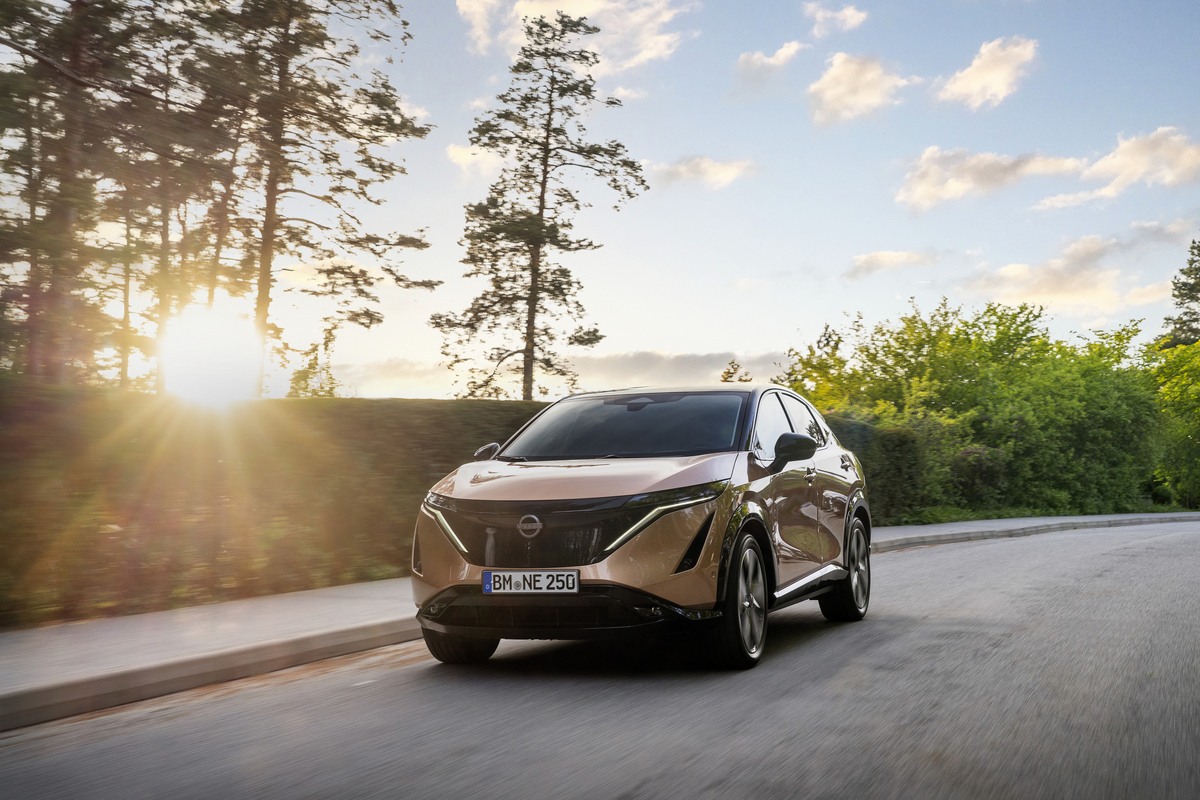
Buying a used electric car requires a thorough inspection of specific components that are essential for performance and safety. With the Nissan Ariya, in addition to the usual bodywork checks, you should pay particular attention to the battery condition, charging systems and electric driver assistance systems. Good preparation prevents costly surprises and ensures you know exactly where you stand.
What you should check on the outside
Start the inspection with a thorough check of the bodywork. Look for dents, scratches or irregularities around the doors, wheel arches and bumpers. These may indicate previous damage or poor maintenance. Pay extra attention to the charging port for signs of corrosion or damage, as this part is used regularly and can be vulnerable to wear.
Compare the official dimensions with what you see. The Ariya has a length of 4,595 mm, a width of 1,850 mm and a height of 1,660 mm. Measure the wheelbase of 2,775 mm to check it is symmetrical. Deviations may indicate damage or repairs to the chassis. Also inspect the suspension thoroughly for signs of rust or wear.
Assess the tyres for even wear. The Ariya comes with 235/55R19 or 255/45R20 tyres, depending on the version. Uneven wear can indicate alignment issues. During a test drive, check the turning circle: it should be 11.8 metres to the left and 11.6 metres to the right. Test all the lights, including the brake lights. The dashboard shows activation during regenerative braking, which is an important safety feature.
‘ Nissan generally offers up to 8 years’ warranty on the battery and electric components. ’
How to check the battery condition
The battery is the heart of the Ariya and requires special attention. The car is available with a 63 kWh or 87 kWh battery. Verify which version you are looking at and check the battery health via the infotainment system. This system often shows the remaining capacity as a percentage compared with the original state.
Carefully check the charging port and cables for damage. The Ariya can charge on AC up to 22 kW or 7.4 kW, depending on the on-board charger. Ask the seller about the charging history. Frequent rapid charging can affect the battery life, although modern batteries can generally cope well with this. Check whether the original charging equipment is present.
Ask for the warranty documentation. Nissan generally offers up to 8 years’ warranty on the battery and electric components. Missing documentation can cause problems for future claims. The official range is 403 kilometres according to WLTP, but in practice you can count on about 337 kilometres, depending on driving style and conditions.
Which driver assistance systems you should test
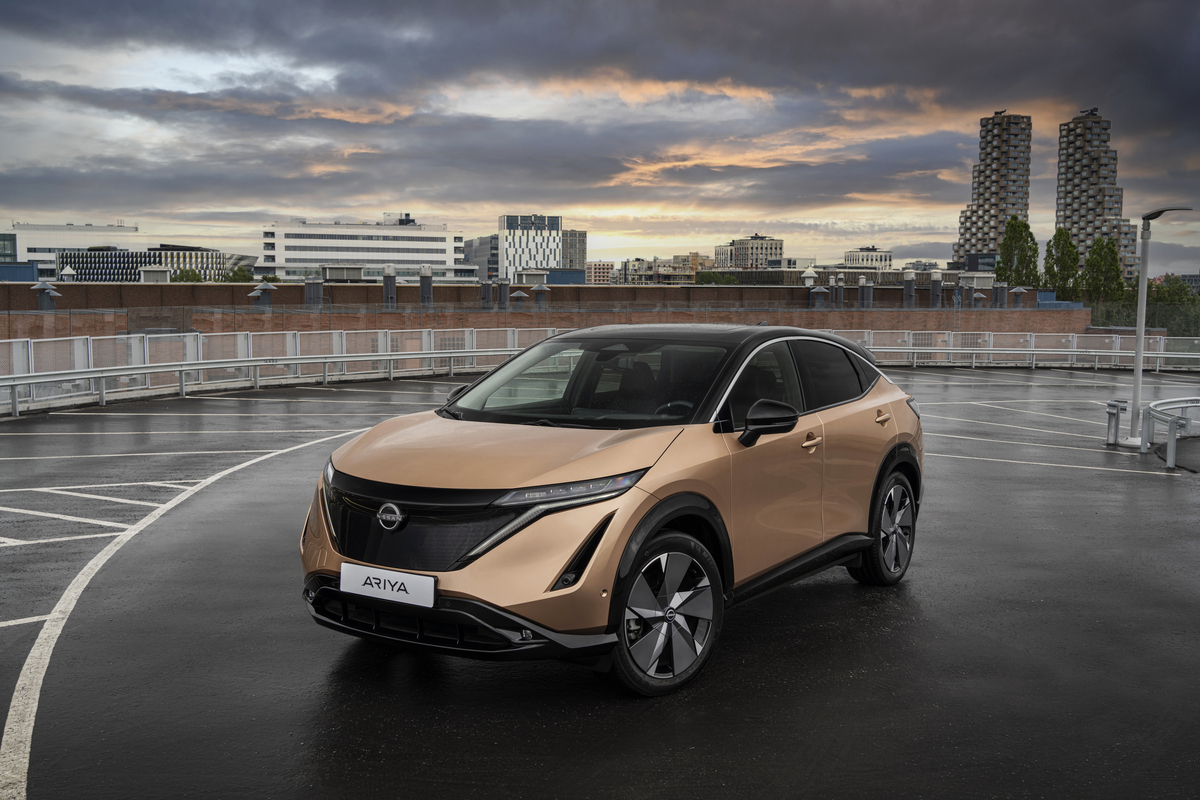
The Ariya features extensive safety systems under the Nissan Intelligent Mobility umbrella. Test these systems thoroughly during a test drive. Standard equipment includes Intelligent Driver Alertness, Blind Spot Warning, Rear Cross Traffic Alert, High Beam Assist and Traffic Sign Recognition. Check that all functions work correctly.
Activate Lane Departure Warning and Lane Departure Prevention to see whether the system warns and corrects in time. Test Intelligent Cruise Control at different speeds. Higher trims feature ProPILOT Assist with Navi-Link, a semi-autonomous system that anticipates corners. This system should operate smoothly and predictably.
Check the dashboard for warning lights. Pay particular attention to lights for airbags, seatbelt pre-tensioners, the electronic parking brake and Rear Automatic Braking. Test the 360-degree Around View Monitor if fitted. This function is valuable when parking and should give a clear image without blind spots. The braking distance from 100 kilometres per hour should be around 37 metres.
What you should check inside the car
Measure the boot space. As standard, the Ariya offers 450 litres of volume, and 890 litres with the seats folded down. Test the accessibility and flexibility of the loading system. Check for damage or signs of moisture in the boot. Note: front-wheel-drive models do not have a frunk, so do not expect extra storage space at the front.
Thoroughly test the seating comfort. The seat height is 805 mm. Maximum legroom in the front is suitable for people up to 1.92 metres tall, and in the rear up to 1.86 metres. The width in the front is 1,470 mm, and 1,415 mm in the rear. Three child seats will not fit across the back, which may be important for families.
Check whether the Intelligent Key functions correctly. Test the electrically operated tailgate and the heated windscreen. The interior mirror should be automatically dimming or fitted with Intelligent Rear View Mirror. Owners often report that ride comfort and the generous equipment are major plus points.
‘ The top speed is limited to 160 kilometres per hour. ’
Checking performance and energy consumption
Take an extensive test drive to verify the performance. The Ariya delivers 217 to 218 hp and 300 Nm of torque. Acceleration from 0 to 100 kilometres per hour should take around 7.5 seconds. Also test the overtaking acceleration from 60 to 100 kilometres per hour, which should be 4.3 seconds. The top speed is limited to 160 kilometres per hour.
Pay attention to noise levels while driving. At 130 kilometres per hour, interior noise should be around 67 dB. Unusual sounds can indicate problems with the suspension or other mechanical components. Average consumption should be around 17.6 kWh per 100 kilometres under normal use.
Test regenerative braking in different modes. This system should work smoothly and noticeably recover energy when accelerating and braking. Check that the brakes feel good and do not squeal or vibrate. An odd pedal response can indicate problems with the braking system.
Important warning signs when buying
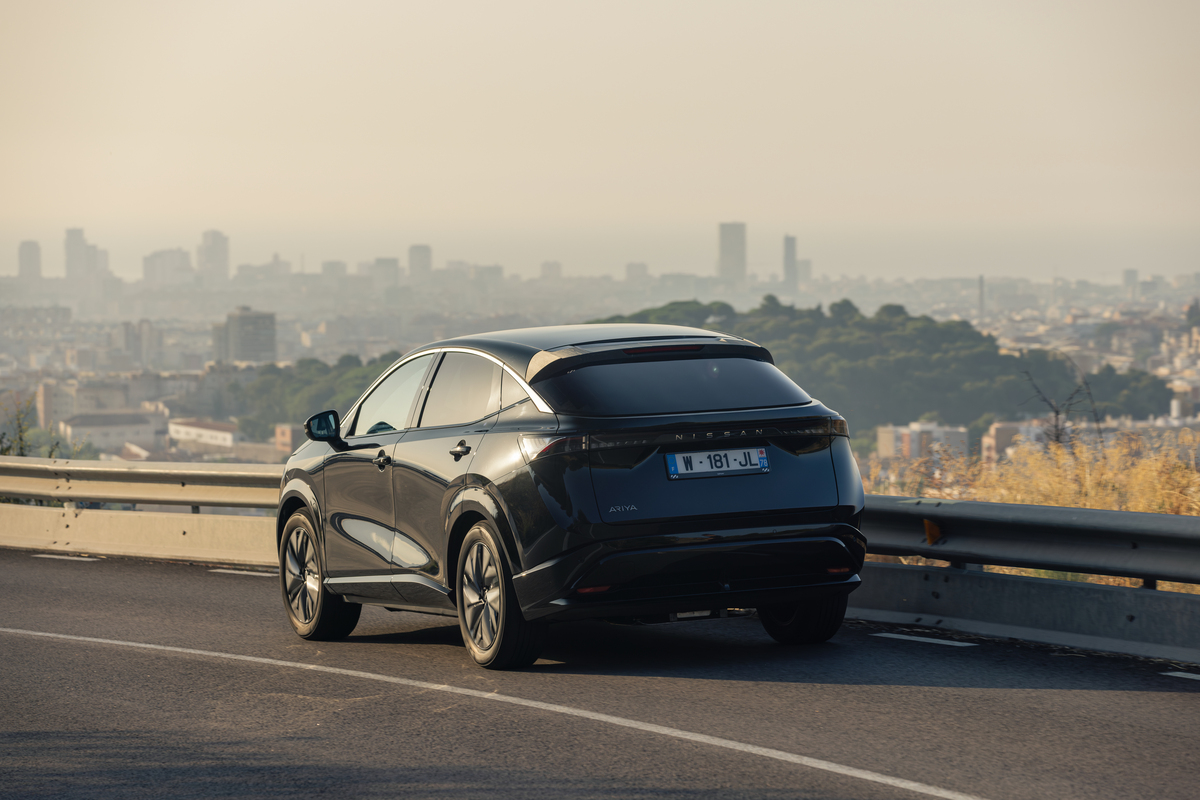
Be cautious if the seller cannot show a complete service history. Missing inspection reports make it difficult to assess the condition of the car. Always ask for all available documentation, including charging history and any software updates that have been carried out.
Vague information about the warranty is a reason to ask more questions. Check whether the battery warranty is still valid and exactly what it covers. Original accessories generally retain 12 months’ cover, but this must be clearly recorded. Problems with rapid charging can indicate battery degradation or defective charging components.
Watch out for incorrect or missing specifications. Verify the power output, battery capacity and the presence of optional systems such as ProPILOT or the 360-degree camera. If the seller does not allow a test drive or is in a rush to sell, be extra alert. A thorough inspection is your right as a potential buyer.
Documentation you should request
Ask for full access to the manual and service documentation. This helps you understand warning lights and service intervals. Check that all keys and charging cables are present. Missing items may indicate carelessness or later prove expensive to replace.
Check the presence of a towbar if fitted. The maximum trailer weight is 750 kilograms, both braked and unbraked. Verify that the installation has been carried out correctly and that all necessary paperwork is present. An aftermarket towbar can have consequences for the warranty.
Check whether any door sill trims or other accessories are original. This can affect the value and warranty cover. Ask about previous repairs and check whether these were carried out by authorised dealers. This gives you insight into how the car has been treated and what you can expect.
‘ Discover what is possible and prepare thoroughly for your next purchase. ’
Find out more about the Nissan Ariya and electric driving
A thorough inspection prevents disappointment and gives you confidence in your investment. This checklist helps you identify potential issues before you go ahead with the purchase. On the Carnews website you will find much more information about electric cars, maintenance advice and experiences from other owners. Discover what is possible and prepare thoroughly for your next purchase.
Frequently asked questions
Inspect drivetrain and suspension: engine (bay), gearbox, differential, drive shafts, engine mounts, control arms, bushes and bearings for leaks, play and cracks. Check the braking system: discs, pads, lines, callipers, handbrake mechanism and brake fluid condition, especially if the car has often been driven hard. Look at steering and alignment: steering rack, ball joints, track rods, track rod end gaiters and tyre wear pattern. Finally, inspect cooling system and exhaust: radiator, hoses, head gasket leaks, sump, exhaust mounts and heat shields, because overheating and vibrations on performance cars can quickly cause very expensive damage.
Always request the full service history from a brand dealer or authorised garage and check whether invoices, stamps and dates logically match the stated mileage. Compare the mileage with MOT reports, RDW/Tellerstand check (or similar official databases) and previous sales adverts or valuation reports. Look for illogical wear (e.g. heavily worn steering wheel, pedals or seat at low mileage) and discrepancies between digital service records, on-board computer and paper documentation. If in doubt, have an independent pre-purchase inspection carried out using diagnostic equipment to check odometer and fault code history.
Look for colour differences between body panels, crooked or uneven gaps (panels that do not line up cleanly) and overspray or orange peel in the paint, as this can indicate repaired damage. Check for dents, ripples in the bodywork when viewed in glancing light, rust patches around wheel arches, sills and mounting points, and cracks or ‘blooming’ in the paint. Under the car: look for bent or dented sills and chassis sections, fresh or unusual underseal/undercoating, and asymmetric wear on suspension or exhaust mounts. Also look for odd bolts and welds (new or with a different texture) around suspension, subframe and towbar mounting as a sign of previous repairs.
During the test drive, pay attention to jerky gear changes, a whining or droning sound under acceleration and at constant speeds, and knocks or clicks when setting off or when shifting between drive and reverse (possible transmission or driveline issue). Feel whether the car tracks straight without pulling at the steering wheel and watch for vibrations in the steering wheel or seat around 80–120 km/h (this can indicate imbalance, worn suspension or alignment issues). Drive gently over speed bumps and uneven surfaces and listen for bangs, creaks or squeaks from the wheel arches or under the car (suspension, dampers, bushes). Test corners at medium speed: the car should not “float”, lean excessively or feel unstable.