

Buying a used Audi A2 calls for a sharp eye for specific weak spots: rust on control arms, electrical faults and oil consumption are known recurring issues. If you check these points thoroughly before purchase, you avoid expensive surprises. Find out exactly what you need to check.
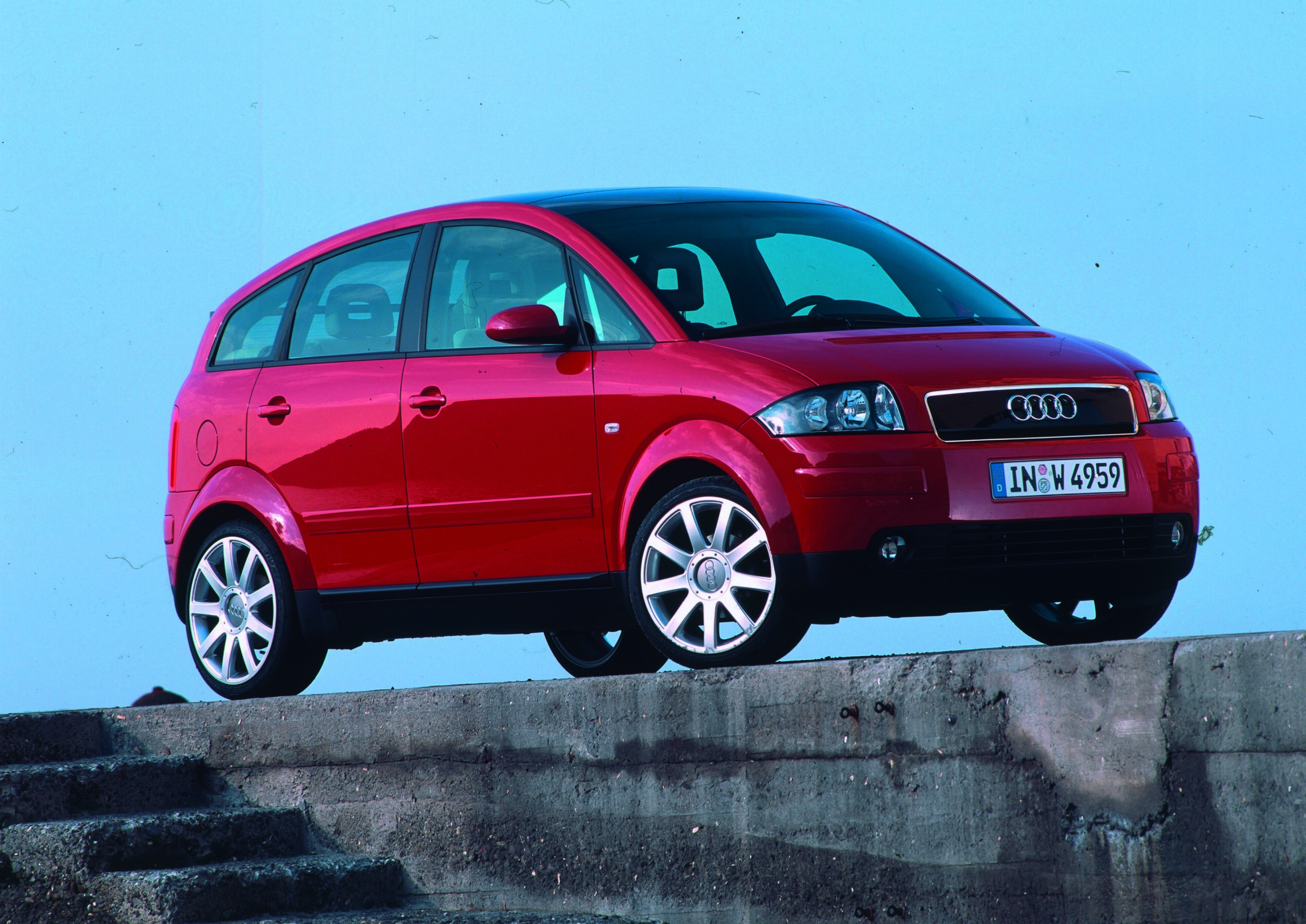
The Audi A2, produced between 1999 and 2005, is a compact car with an aluminium Space Frame construction. This unique design makes the car light and economical, but also brings specific points of attention. Knowing the common faults and weak spots of the Audi A2 helps you make a well-considered choice during the buying process.
What should you check on the outside?
Start your inspection with the bodywork. The aluminium panels are prone to dents and cracks, especially around the seams. Use a magnet to detect body filler: if the magnet does not stick, work has probably been done on the body. Pay attention to the paint finish around doors and wheel arches, where rust often starts.
Check the alignment of doors, bonnet and tailgate. Uneven gaps indicate previous accident damage. Inspect all windows for cracks and test the windscreen wipers. Check the tyres for even wear on both sides, as uneven wear points to alignment problems.
‘ Rust on these components can lead to structural weakness and is expensive to repair. ’
How do you recognise rusting control arms?
Rust on the control arms is a known issue with the A2, especially on models after 2002. Jack up the car or look under the wheel arches with a torch. Look for brown or orange discolouration on the metal arms that connect the wheels to the body. Rust on these parts can lead to structural weakness and is expensive to repair.
Also test for play in the suspension by shaking the wheels while the car is on the ground. Movement or rattling noises point to worn control arms, ball bearings or shock absorbers. Check the condition of rubbers and bushes underneath, as these age and crack over time.

Which electrical systems often fail?
Electrical faults occur regularly with the A2. Test all windows several times for smooth operation. Lazy windows that move slowly or stutter indicate worn motors or switches. The central locking also fails regularly: check whether all doors lock and unlock simultaneously.
Look carefully at the instrument cluster. Start the engine and watch for warning lights that stay on. The airbag warning (SRS light) should go out after starting. Test the climate control, audio system and all buttons on the dashboard. Scan the car with an OBD-II scanner for stored fault codes, even if no lights are on.
What gives away high oil consumption?
The 1.4 and 1.6 petrol engines are known for increased oil consumption, especially on older examples. Check the oil level before you start the engine: if the level is low while the seller says the car was recently driven, this may indicate consumption or leakage. Look under the engine for oil spots on undertrays and the floor.
Start the engine cold and listen for ticking or rattling noises at start-up. This may indicate wear on the timing chain or other internal problems. Watch the exhaust when starting: blue smoke indicates oil burning, white smoke indicates coolant leakage.
Check these engine components
- Oil level and condition: metal particles or foam are red flags
- Coolant: level and colour should be clear
- Drive belts: cracks or fraying mean replacement is needed
- Hoses: swelling or leaks at connections
- Battery and cables: corrosion reduces reliability
‘ Repairing a faulty sunroof is costly, so a working system saves you future expenses. ’
Why is a working sunroof important?
The electric sunroof is a weak point on the A2. Test full opening and closing: the sunroof should move smoothly without stuttering or strange noises. Check the rubbers around it for cracks and the drain channels for blockages. Blocked drains can cause water leaks in the interior.
Look at the headliner around the sunroof for water stains or discolouration. This indicates previous leaks. Repairing a faulty sunroof is costly, so a working system saves you future expenses.

How do you assess the condition of the interior?
Inspect the seats for wear, tears in the upholstery and the operation of adjustable elements. Test the seat heating if fitted. Check all seatbelts by pulling them out and letting them retract: they should retract smoothly. Look at the dashboard for cracks, especially on older models that have spent a lot of time in the sun.
Smell the interior carefully. Musty or damp odours indicate water ingress or moisture problems. Check the carpeting under the mats for dampness. Test all comfort features such as parking sensors and climate control during a longer test drive.
Which documents should you ask for?
Always ask for the complete service book and service history. The timing belt must have been replaced according to the maintenance schedule, usually around 90,000 kilometres or after six years. Check whether major services were carried out at authorised garages or specialist workshops.
Look through all invoices and reports for consistency in mileage readings. Large gaps in the maintenance history of more than eighteen months are a warning sign. Check whether the VIN on the paperwork matches the numbers on the car: on the dashboard, the door pillar and the engine block.
What should you test during the test drive?
Drive for at least fifteen to twenty minutes in different conditions. Test the acceleration: the engine should pull smoothly without hesitation or vibrations. Brake firmly from higher speeds: the pedal should feel firm without juddering. Pay attention to whether the car tracks straight ahead or pulls to one side.
Test the gearbox thoroughly. On manual models, all gears should engage smoothly without grinding. On automatics, shifts should be smooth without hesitation or delayed responses. Listen for unusual noises from the suspension over bumps and in corners.
Specific points to test while driving
- Steering behaviour: no play or strange pulling
- Brakes: even braking force without judder
- Engine: consistent performance without hesitation
- Gearbox: smooth transitions between gears
- Noises: no rattling or squeaking sounds
When is an independent inspection sensible?
If you are unsure about the technical condition, an inspection by an independent specialist is recommended. This applies especially to cars without full service history, examples with high mileage or when you do not have enough technical knowledge. The cost of an inspection does not outweigh potential repair costs.
A specialist checks all systems with professional equipment and knows the specific weak spots of the A2. The inspection gives you an objective assessment of the technical condition and helps when negotiating the price. Some sellers are willing to share the inspection costs or deduct them from the asking price.
Which red flags should you absolutely avoid?
Certain signs are reason to walk away from a purchase. Incomplete or unreliable service history makes the technical condition unpredictable. Severe rust on structural parts such as the frame or control arms is often too expensive to repair. Multiple electrical defects at the same time point to broader wiring problems.
Be cautious with sellers who are in a hurry or do not give you time for a thorough inspection. A trustworthy seller understands your diligence and gives you space for checks and a test drive. Non-matching VIN numbers or doubts about the origin of the car are absolute dealbreakers.
A well-prepared purchase of a used Audi A2 saves you a lot of stress and expense. By systematically checking all the points mentioned, you make a well-considered choice. On the Carnews website you will find more information about specific models, common problems and maintenance tips for your favourite car. Discover more and become a better-informed car buyer.
Frequently asked questions
Check the aluminium panels for dents, cracks, corrosion spots and poor alignment of seams/panel gaps, which can indicate previous damage or poor repairs. Around doors, sills, wheel edges and the underside, look for early oxidation, paint bubbles and rust at steel mounting points (bolt holes, hinges). Underneath the chassis you should look for rust on suspension parts, subframes, exhaust and mounting points of the Space Frame, plus leaks from the engine, gearbox and dampers. If you are unsure about structural damage to the aluminium Space Frame, always have a specialist with experience of the Audi A2 or aluminium bodies carry out a thorough inspection.
The 1.4 petrol engine (BBY/BCA) and the 1.4 TDI diesels are generally regarded in practice as the most reliable variants, provided there is evidence of good maintenance. For the engine, specifically check for oil leaks (rocker cover, crankshaft seal), timing belt/replacement interval, traces of coolant, rough running on cold start and fault codes via OBD. On a TDI it is wise to additionally check turbo wear, smoke behaviour and injectors. Inspect the gearbox for smooth gear changes without crunching, no thumps when engaging the clutch, no vibration under acceleration and check the transmission and driveshaft boots for leaks or cracks.
Common electronic faults on the Audi A2 include sticking or lazy electric windows, failing central locking and faults in the instrument cluster or warning lights. In the interior, watch out for defective switches (windows, mirrors, climate control) and poorly functioning heating or ventilation. Also check all lighting functions, including interior lighting, and test the radio/audio system for dropouts or interference. Ideally, scan the system for fault codes to detect hidden electronic problems.
Crucial are the original service book and garage invoices, showing whether major services (such as timing belt, brakes, fluids) were carried out on time and preferably by a specialist; this says a lot about mechanical reliability and expected costs. Also check MOT reports and any damage or valuation reports to gain insight into previous accidents, rust problems and repairs to the aluminium Space Frame. A complete mileage and service history (no large gaps of >18 months) usually indicates that the car has been maintained consistently and has been less neglected. In addition, documents about software updates, replaced electronic components and present accessories (keys, tyre kit) are useful to assess the overall condition and completeness of the Audi A2.
During a test drive in a used Audi A2 you should listen for ticking or rattling noises from the engine on cold start and when pulling away, which may indicate wear or oil pressure problems. Knocking, thumping or rattling from the suspension over speed bumps and in corners often points to worn control arms, rubbers or shock absorbers. A whistling or humming noise that increases with speed may indicate worn wheel bearings or tyres. Pulling when driving straight ahead, vibration in the steering wheel or a pulsing brake pedal are signs of alignment or braking problems.