
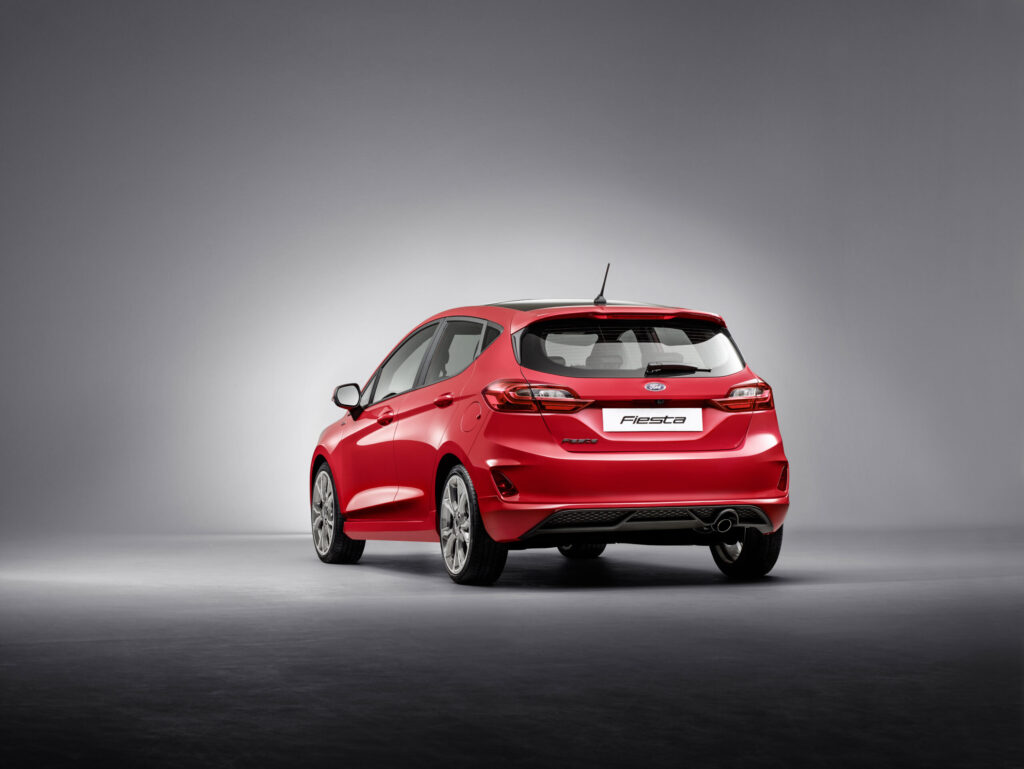
Recalls are a normal part of vehicle safety, but many owners only discover outstanding recalls when they sell the car or go for an inspection. Especially with popular models such as the Ford Fiesta, there have been various recalls over the years for transmission, engine and safety issues. Checking for outstanding recalls can save you money and prevents you from taking an unsafe car onto the road. Read on to find out how to check whether your car is affected and what you can do.
What is a recall and why is it important
A recall is an official action by the car manufacturer to repair a defect, risk or design fault. This can range from a simple software update to replacement of parts that pose a direct safety risk. With cars it often concerns problems that only become visible later, when several vehicles of the same type show the same defect.
Recalls are not just an administrative formality. They are directly related to road safety, fire risk, loss of braking performance, airbag problems or failure of electrical systems. An outstanding recall means your car may have a known problem that has not yet been fixed. As a result, you drive with increased risk and the value of your car drops.
For buyers of a used car, it is important to check in advance whether all factory campaigns have been carried out. A car with a history of recalls is not necessarily bad, as long as the work has demonstrably and fully been done. A well-maintained and fully repaired car is often more attractive than one with an unknown history.
Common issues in recalls
With compact models the same categories of problems regularly occur in practice. The seriousness differs per recall, but every outstanding recall deserves attention. These are the most common types of problems:
- Airbag problems that lead to unintended deployment or failure to deploy
- Seat belt or lock issues that mean safety in a crash is not guaranteed
- Fuel lines or leaks that create a fire hazard
- Brake components that fail under certain conditions
- Steering systems with play or that can seize
- Electrical wiring or fuses that cause short circuits
- Software in engine or safety systems that behaves unexpectedly
- Problems with the handbrake or automatic gear selector that can cause the car to move off unintentionally
Not every recall is equally urgent. With safety-critical problems such as brakes, steering or fire risk, quick action is needed. With less urgent matters such as software updates or minor adjustments you can usually wait a little longer. Postponement does, however, increase the risk of defects.
How to check whether your car has a recall
The best way to check whether your car is affected by a recall is by using the registration number or VIN. The VIN is the vehicle identification number (chassis number) of your car. You usually find it on the registration document, near the windscreen or in the door opening. With this number you can check with the manufacturer or official bodies whether there are any outstanding recalls.
Follow these steps for a thorough check:
- Find your car’s registration number or VIN
- Check via the manufacturer’s or dealer’s website whether there are any outstanding recalls
- Look in the service booklet or on workshop invoices to see whether the repair has already been carried out
- If in doubt, ask the workshop for digital confirmation or an invoice
Some recalls only become known after a model has been on sale for years. That is why it is sensible to recheck older cars regularly as well. Manufacturers often send a letter to registered owners. With imported cars or when people move house, this letter can get lost.
Tips for buyers of a used car
When buying a used car, extra checks are sensible. Do not rely on what the seller tells you verbally. Always check the chassis number yourself before you buy and ask for written proof of the repairs carried out.
If in doubt, have the car inspected by an authorised dealer or brand specialist. They have access to the full recall history. They can immediately see whether all recalls have been carried out. Check imported cars especially carefully. Recalls are sometimes recorded less accurately in Dutch systems for these vehicles.
What to do if there is an outstanding recall
If you discover that your car is affected by an outstanding recall, contact an authorised dealer or brand workshop as soon as possible. In most cases recalls are free of charge. The manufacturer is responsible for solving the problem. You only pay if you have other maintenance carried out at the same time.
With safety‑critical defects such as brake, steering or fuel problems, it is wise not to drive the car until the repair has been carried out. Ask in advance whether a replacement vehicle is available. The repair can sometimes take several days. After the work, always ask for written confirmation of which tasks were carried out and keep this confirmation with the service booklet.
How to tell whether a recall has already been carried out
If you want to check whether a previous owner has already had the recall work done, look at the service booklet or ask for workshop invoices. A professional workshop will always note which recall has been carried out. That record contains the date and a brief description of the work.
With digital systems, dealers can see the completed recalls directly via the chassis number. This is more reliable than paper documents alone, because those can get lost or be forged. That is why you should always ask the dealer for a digital check. If you are unsure whether the service history is complete, this check will give you a definite answer.
Practical checklist for owners
Use this checklist to make sure you are well prepared for any recalls:
- Write down your VIN or chassis number and keep it in a safe place
- Check at least once a year for new recalls for your model
- Keep all proof of repairs with the service booklet
- Respond immediately to any letter, email or notification from the manufacturer
- If in doubt, always have safety systems checked by a specialist
- Check again after buying a used car. The car has already been in use for years, but new recalls are announced regularly.

What a recall means for your car’s value
A recall is not automatically a reason to avoid a car or to write it off as worthless. The problem is solved professionally and demonstrably. That is what matters most. A car with a complete service and recall history is actually valuable, because the buyer knows that all known problems have been fixed.
Multiple outstanding recalls do point to broader quality issues. In that case, check whether they concern structural hardware problems. Also see whether they are one‑off software fixes. Hardware problems occur more often and tend to lead to higher maintenance costs.
Experiences from the car community
Car owners often share the same experiences in discussions. Many people only discover recalls when they sell the car, go for an inspection or have maintenance done. Some recalls take little time to carry out. However, waiting times for an appointment at the dealer can be long because of how busy they are or limited availability of parts.
Owners appreciate it when manufacturers communicate clearly which models and model years are affected. Users find it helpful to recheck older vehicles regularly. New recalls are announced later on. For popular models, notifications spread quickly on forums and in online communities, but you should always verify these with official vehicle data.
‘ It is better for a manufacturer to act proactively than for defects to remain hidden. ’
Why recalls are no reason to panic
Recalls are a sign of responsibility. Manufacturers take responsibility for problems that have been discovered. It is better for a manufacturer to act proactively than for defects to remain hidden. Most recalls are handled without any issues and improve the safety and reliability of your car.
Assess a recall based on the nature of the problem. A software fix that corrects unexpected engine behaviour is less worrying. A hardware problem that involves a fire risk needs more attention. Also look at how the manufacturer communicates. Check whether there is sufficient support for owners.
On the Carnews website you will find much more information about specific car brands, common problems and practical maintenance and buying tips. Discover what other car enthusiasts are sharing and stay up to date with the latest developments in the automotive sector.
Frequently asked questions
You can check whether your car is affected by a recall by searching with the registration number or VIN/chassis number in the manufacturer’s official systems or at an authorised brand dealer. You can find reliable information from the RDW, the importer/manufacturer, and authorised brand dealers or brand workshops. Always ask for written proof (invoice, job sheet or digital confirmation) that a recall has been carried out. Make sure you check this in particular when buying a used car or imported vehicle.
If you ignore a recall, you run the risk of serious safety problems, such as reduced braking performance, defective airbags or fire risk. Your car may also suddenly break down or suffer other technical faults that can lead to accidents. In addition, you may later be held liable if it turns out that you knew about the recall but did nothing. Finally, the value and saleability of your car can fall if outstanding recalls are not rectified.
Contact an authorised dealer straight away, book an appointment as soon as possible and give them the registration number or VIN so they can look up the relevant recall. Follow the manufacturer’s instructions on whether or not you should keep driving until the repair has been carried out. You can expect the necessary repair or replacement of parts to be done free of charge. The dealer will often also give a clear explanation of the problem, how long the repair will take and whether a replacement vehicle is available.
A completed recall usually does not negatively affect the residual value; it can even be positive that the known problem has demonstrably been fixed. In principle, the manufacturer’s warranty simply remains in force and is not shortened because of a recall. Normally nothing changes for your insurance either, as long as you have the car repaired in line with the manufacturer’s instructions. Always keep the documentation of the completed recall for any questions from buyers, the dealer or your insurer.
The duration of a recall repair depends on the type of problem, but many recalls can be completed within a few hours to a day; for major or complex work it may take longer. Recalls themselves are in principle free of charge for the owner. Whether you are entitled to a replacement vehicle depends on the brand/dealer and the expected repair time; it is not always a legal requirement but is often customary for longer downtime. Ask the brand dealer in advance about the estimated duration and their policy on replacement vehicles.