
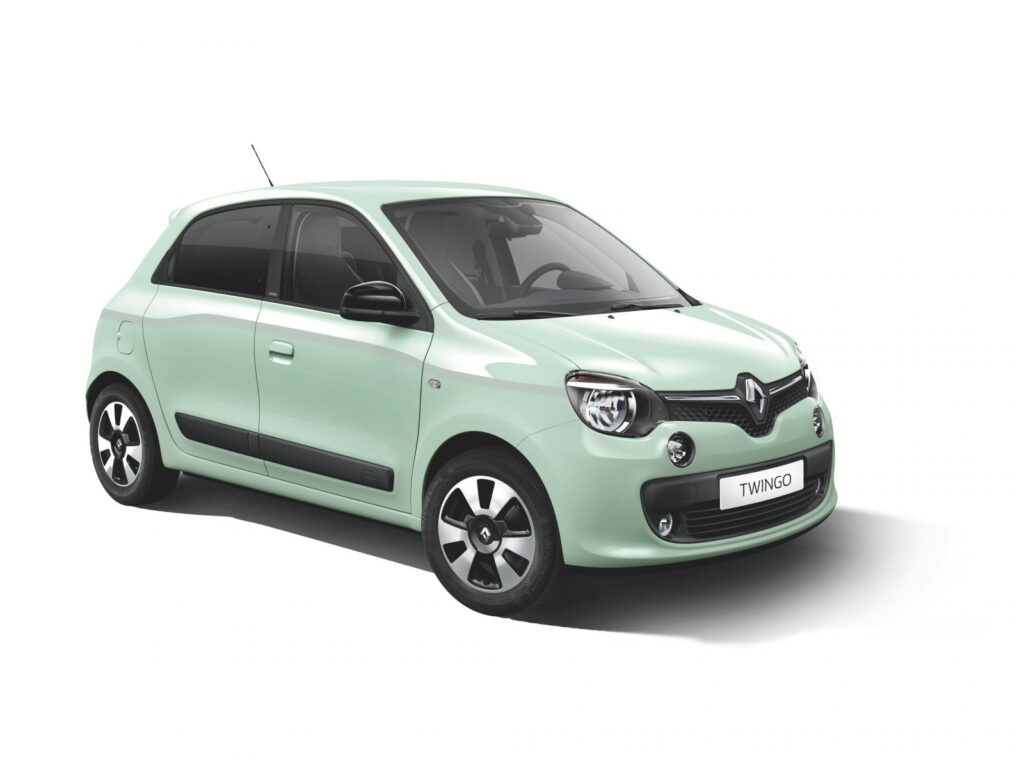
The Renault Twingo is affected by multiple recalls due to manufacturing faults in the bonnet and rear spoiler. In thousands of third-generation cars, poor adhesive work can cause the outer skin of the bonnet to come loose while driving, especially at higher speeds above 90 kilometres per hour. The rear spoiler can also detach, creating risks in traffic and in automatic car washes. These defects pose a direct safety risk and can be fixed free of charge at authorised dealers – but only if you know whether your car is part of a recall. Read on to find out which model years are vulnerable and how to check whether the repairs have been carried out.
Which recalls apply to the Renault Twingo
Since 2014 Renault has carried out various recalls for the Twingo, particularly for the third generation produced between 2014 and 2021. In the Netherlands alone this concerns thousands of vehicles in which parts have not been correctly secured. The main recalls relate to two recurring problems: the outer skin of the bonnet, which can come loose due to poor adhesive, and the rear spoiler or tailgate, whose pins or skin can come loose in use.
For cars built between 2014 and 2015 there is a recall due to poor adhesive bonds in the bonnet skin. This problem occurs mainly at speeds above 90 kilometres per hour, in hot weather or when the bonnet does not close properly. In Ireland alone 123 vehicles were recalled for this problem; in the rest of Europe it concerns thousands of cars. A second major recall concerns Twingos built between 2014 and 2016, where the rear spoiler skin or tailgate pins can come loose. In the Netherlands more than 13,000 vehicles are involved in this recall.
There have also been recalls for other safety issues. Cars from 2014–2015 have a weak rear-seat mounting that can break in a frontal collision, meaning passengers are not securely restrained. Models from 2014 can suffer from unintended acceleration or starting when the key is inserted, and in 2017 examples the front left steering knuckle wears too quickly, with a risk of steering failure. More recent model years 2019–2021 are not exempt either: the bonnet skin can also come loose while driving on those cars.
‘ Owners report that there are no warning signs before the parts come loose, so the problem occurs without warning. ’
Rear spoiler coming loose on a Renault Twingo – what are the dangers
A rear spoiler that comes loose poses an immediate danger to you and other road users. When the skin or mounting pins of the spoiler detach while driving, the part can end up on the road. This creates obstacles for following traffic and increases the risk of collisions or damage to other vehicles. Owners report that there are no warning signs before the parts come loose, so the problem occurs without warning.
Automatic car washes can also cause problems. The forces from the brushes and high-pressure cleaners can be enough to pull off a poorly secured spoiler. This not only leads to damage to your own Renault Twingo, but possibly also to the car wash installation. It is therefore sensible, if you have doubts about the spoiler mounting, to avoid car washes until you are sure the recall work has been carried out.
Visually check the rear spoiler by looking to see whether there is any play between the spoiler and the bodywork. Rattling noises while driving or visible movement of the part are warning signs. If you notice these signs, contact a Renault dealer immediately. The repair is free of charge and prevents dangerous situations.
How to recognise the bonnet problem on the Renault Twingo
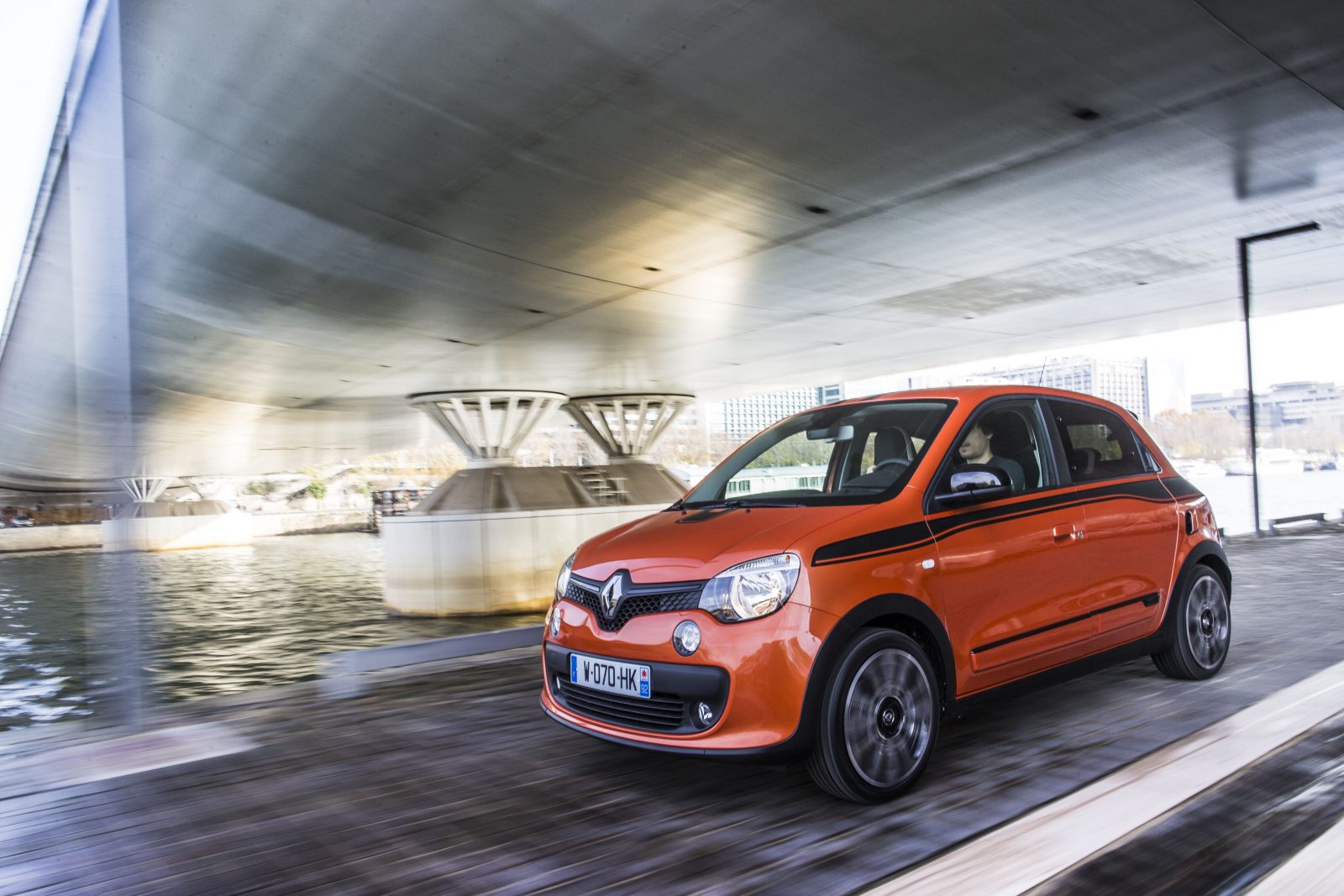
The adhesive problem on the bonnet is difficult to spot before something goes wrong. The outer skin of the bonnet is bonded with adhesive to the underlying structure. When this adhesive bond is weak or degrades due to heat and use, the skin can come loose while driving. This happens mainly at higher speeds from around 90 kilometres per hour, because the airflow then exerts more force on the bonnet.
A few signs that may point to an emerging problem are a bonnet that does not close properly or that has started to bulge slightly. A scraping or creaking sound when opening or closing the bonnet can also indicate weakened fixings. Unfortunately, many cars give no clear warning before the skin actually comes loose, which is why checking via the VIN number is the most reliable method.
Heat accelerates the breakdown of the adhesive. Cars that are regularly used in hot conditions or left standing in the sun for long periods are at increased risk. If in doubt, it is wise to limit your speed to below 90 kilometres per hour and make an appointment with the dealer as soon as possible. Since 2019 there has also been a recall for more recent model years, so newer Twingos can suffer from this problem as well.
Check whether recall work has been carried out
Before buying a used Renault Twingo, it is important to check whether all recalls have been carried out. You can do this by entering the 17-digit vehicle identification number into Renault’s official recall tool. Note that this tool only shows active recalls, not routine service campaigns. You can also consult the RDW recall register for a complete overview of outstanding recalls.
In the Netherlands Renault has recalled more than 195,000 vehicles, of which 97 percent have been dealt with. For the Twingo specifically, estimates range from 12,000 to 17,000 cars for the bonnet and spoiler problems. Even with a completion rate of 97 percent, this still means there are cars on the road with outstanding recalls. These vehicles carry an increased safety risk and may have a lower resale value.
If it turns out that a recall has not yet been carried out, contact an authorised Renault dealer immediately. You will often receive a letter from Renault when your car is involved in a recall, but this can be delayed or get lost when ownership changes. The repair is always free of charge and is usually completed quickly. Dealers are obliged to carry out the recall work as soon as you make an appointment.
‘ owners who have their car repaired under the recall generally report smooth handling and feeling safe afterwards. ’
What to do if there is an active recall
As soon as you know that your Twingo is part of a recall, make an appointment with an authorised Renault dealer straight away. The repairs are free of charge and are usually carried out within a few hours to a day, depending on parts availability and how busy the dealer is. For the bonnet and spoiler problems, the affected parts are re-secured or replaced with improved components.
While you are waiting for your appointment, you can take a few precautions. Before every trip, visually check that the bonnet and rear spoiler are firmly attached and show no play. Avoid high speeds above 90 kilometres per hour when the bonnet is concerned, and consider avoiding automatic car washes if you have any doubts about the rear spoiler. These measures reduce the risk of accidents or damage until the repair has been carried out.
For urgent situations or questions you can call the Renault helpline. They can immediately inform you about the status of recalls for your vehicle and help you make an appointment. They can also advise you on safe driving while you are waiting for an available repair slot. Take these matters seriously: owners who have their car repaired under the recall generally report smooth handling and a renewed sense of safety afterwards.
Tips for buyers of a used Renault Twingo
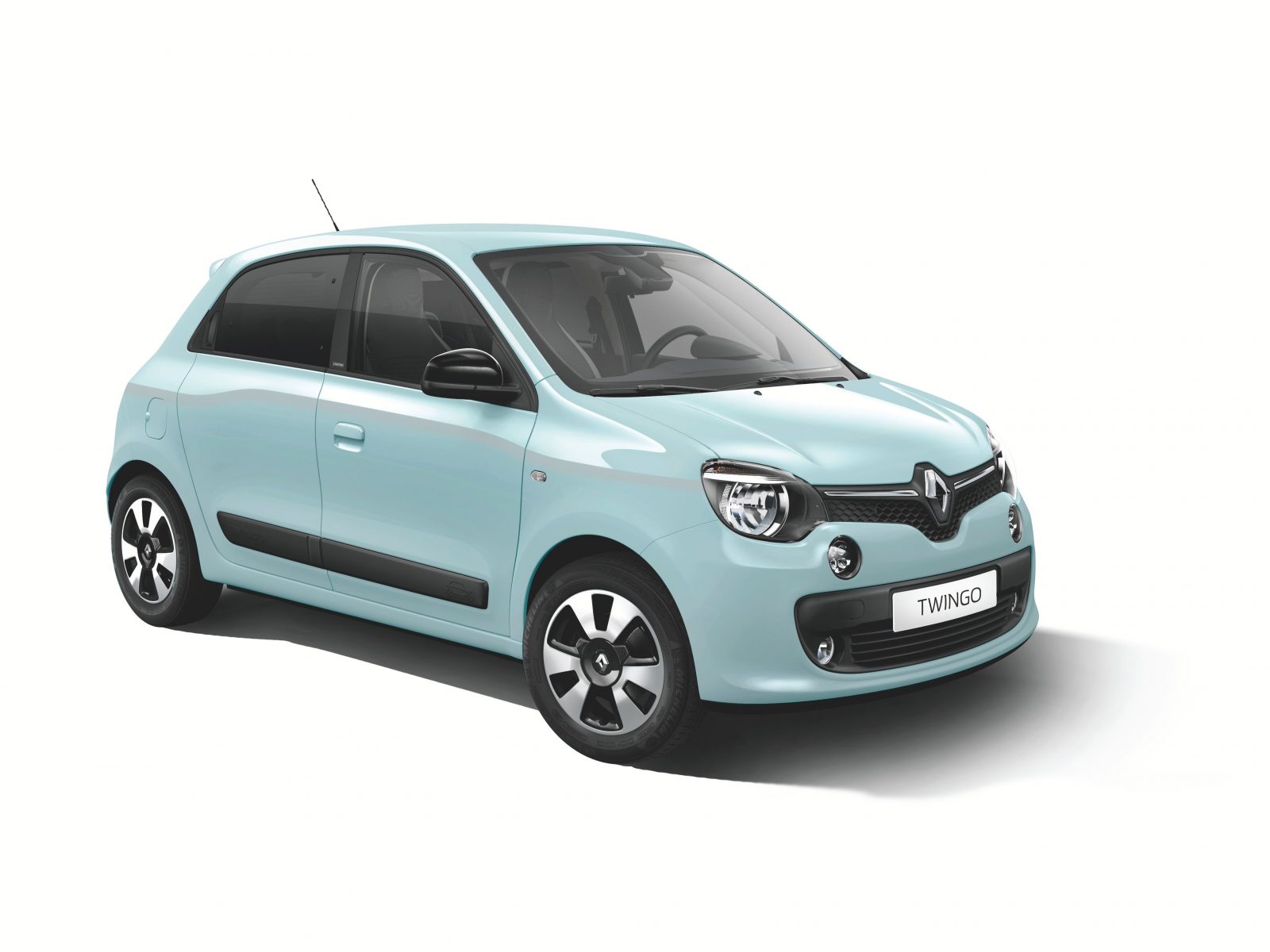
When buying a used car, always ask for an RDW recall register check. This overview shows whether there are any outstanding recalls for that specific vehicle. Cars from model years 2014 to 2017 are most vulnerable to the problems described, so pay extra attention to this period. A check takes little time but prevents nasty surprises after purchase.
During the test drive, check the steering response and listen for unusual noises or vibrations. Also check the rear-seat mounting by pulling the seat firmly, especially on 2014–2015 models. A visual inspection of the bonnet and rear spoiler can reveal weak points: look for parts that are bulging, show play or do not sit flush with the bodywork. These simple checks give an initial impression of the vehicle’s condition.
Outstanding recalls can give you room to negotiate on the price, but remember that the repair itself is free. It may, however, take time to arrange an appointment and have the recall work done. If you are unsure about which repairs have been carried out, you can ask the seller’s dealer for confirmation that all recalls have been completed. This gives you peace of mind and reduces the risks when buying.
Preventive maintenance and regular checks
Regular maintenance helps slow down the deterioration of adhesive bonds and other fixings. During servicing, have the mechanic visually inspect the bonnet and body panels. Heat and long-term exposure to sunshine accelerate adhesive degradation. Whenever possible, park your car in the shade or use covered parking.
Even after a recall has been carried out, it remains sensible to check regularly that all parts are firmly secured. The improved parts are more reliable, but wear and external factors can still have an effect over time. A quick visual check before long journeys or before using a car wash takes little effort and significantly increases safety.
Some owners report that they discovered problems themselves through rattling noises or movement of parts while driving. Take such signs seriously by making an appointment with the dealer straight away. Prevention and alertness are the best ways to keep driving your Twingo safely, especially with older examples from the most vulnerable 2014–2016 production period.
On the Carnews website you will find much more information about problems with Renault models, maintenance advice and tips for buying a used car. Explore more articles and increase your knowledge of automotive technology and safety.
Frequently asked questions
You can use the 17-digit VIN (chassis number) of your Twingo on the official Renault website to check whether there is an outstanding recall. In addition, you can use the RDW recall check to see whether a safety action has been registered for your registration number. If in doubt, contact an authorised Renault dealer; they can see in the factory system whether there are any outstanding recalls and immediately schedule a free repair. Be sure to check this for older Twingos or when buying a used car.
The recalls for the Renault Twingo are mainly related to design and mounting faults, such as poorly bonded bonnets and detaching rear spoilers or tailgate pins. In some model years the rear-seat mounting is not strong enough, which can fail in a frontal collision. There are also reports of accelerated wear of the front left steering knuckle, potentially leading to loss of steering. Older generations also have defects in the brake servo, driver’s seat mounting and seat belts, which can compromise braking performance and occupant protection.
The identified problems involve serious safety risks, such as loss of control of the vehicle due to bonnets or spoilers coming loose, steering failure and unsafe mounting of seats or seat belts. These defects can lead to dangerous situations on the road, including an increased risk of accidents at higher speeds or during emergency braking. Because some parts can fail unexpectedly while driving, the risk is acute. Action is therefore highly urgent, and the vehicle should be presented for inspection and repair as soon as possible.
Owners of an affected Renault Twingo can use the chassis number (VIN) to check whether their car is subject to a recall and then make an appointment with an authorised Renault dealer. The necessary repairs under an official recall are carried out free of charge by Renault.
Recalls for the Renault Twingo have a mixed effect on residual value: if all recalls have demonstrably been carried out, this can actually inspire confidence and limit depreciation, but with outstanding or poorly documented recalls the residual value can fall. In the short term reliability is negatively affected by the underlying defects (such as bonnet and steering issues), but in the longer term it is improved once the car has been restored to factory specifications. Buyers and valuers attach great importance to a complete recall and service history, which directly influences trade-in and sale prices. A Twingo with documented completed recalls is generally seen as safer and more reliable than an example with outstanding recall work.
The frequency of recalls on the third-generation Twingo is clearly higher than for earlier Twingo generations, which only had a few more widely spaced recalls. Compared with some other volume brands, Renault sits in the middle of the field: not among the most problematic, but also not among the brands with relatively few recalls. For the Twingo III several recalls also clustered around the same production years (2014–2016), which reinforces the impression of a higher fault rate.