
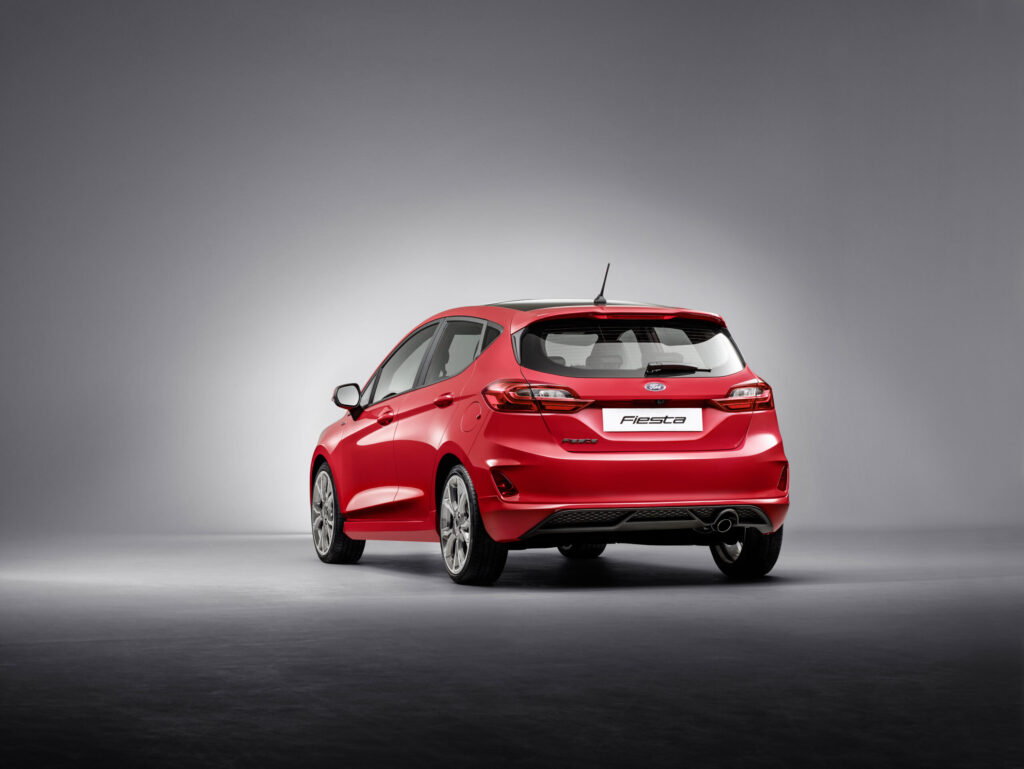
Buying a used Ford Fiesta without a thorough check can lead to expensive surprises such as transmission issues, cooling system defects and hidden rust damage. This checklist for a used Ford Fiesta helps you systematically go through the key points during both the static inspection and the test drive. This approach helps you spot common problems early and avoid costly repair bills.
Check documents and history thoroughly
Start with the paperwork. Ask for the service book and all available invoices. Check whether the timing belt or chain has been replaced on time, as these are costly items. Call the garage that carried out the servicing to confirm the history.
Check the mileage for consistency. Compare the reading with wear on the pedals, steering wheel and driver’s seat. Fiestas with more than 150,000 kilometres can show increased oil consumption. Also compare the chassis number on the papers with the one on the car and see how many owners the car has had. Recalls can be verified through official channels.
Test both keys with the central locking and check that all locks operate smoothly. This prevents hassle later with expensive key replacement.
‘ Uneven gaps or misalignment point to previous damage. ’
Inspect bodywork and exterior for rust and damage
Check the paintwork systematically for small dents, dings, scratches and colour differences. Overspray can indicate accident repairs. Lift mats and rubber seals to detect rust or damp patches. On the Fiesta the wheel arches, the bottom of the doors and the area around the exhaust are prone to rust, especially on pre‑2017 models that have driven in areas where salt is used on the roads.
Look at the panel gaps of body panels, doors, bonnet and tailgate. Uneven gaps or misalignment point to previous damage. Check all windows for cracks, stone chips or scratches, especially in the driver’s field of vision on the windscreen. Hardened or cracked rubber seals can cause damp issues and are simple to replace.
Check the tyres for sufficient tread depth (at least 3 mm), an even wear pattern and the age of the tyre. Small dryness cracks indicate ageing. Many Fiestas have a space‑saving spare wheel; check that the jack and wheel brace are present.
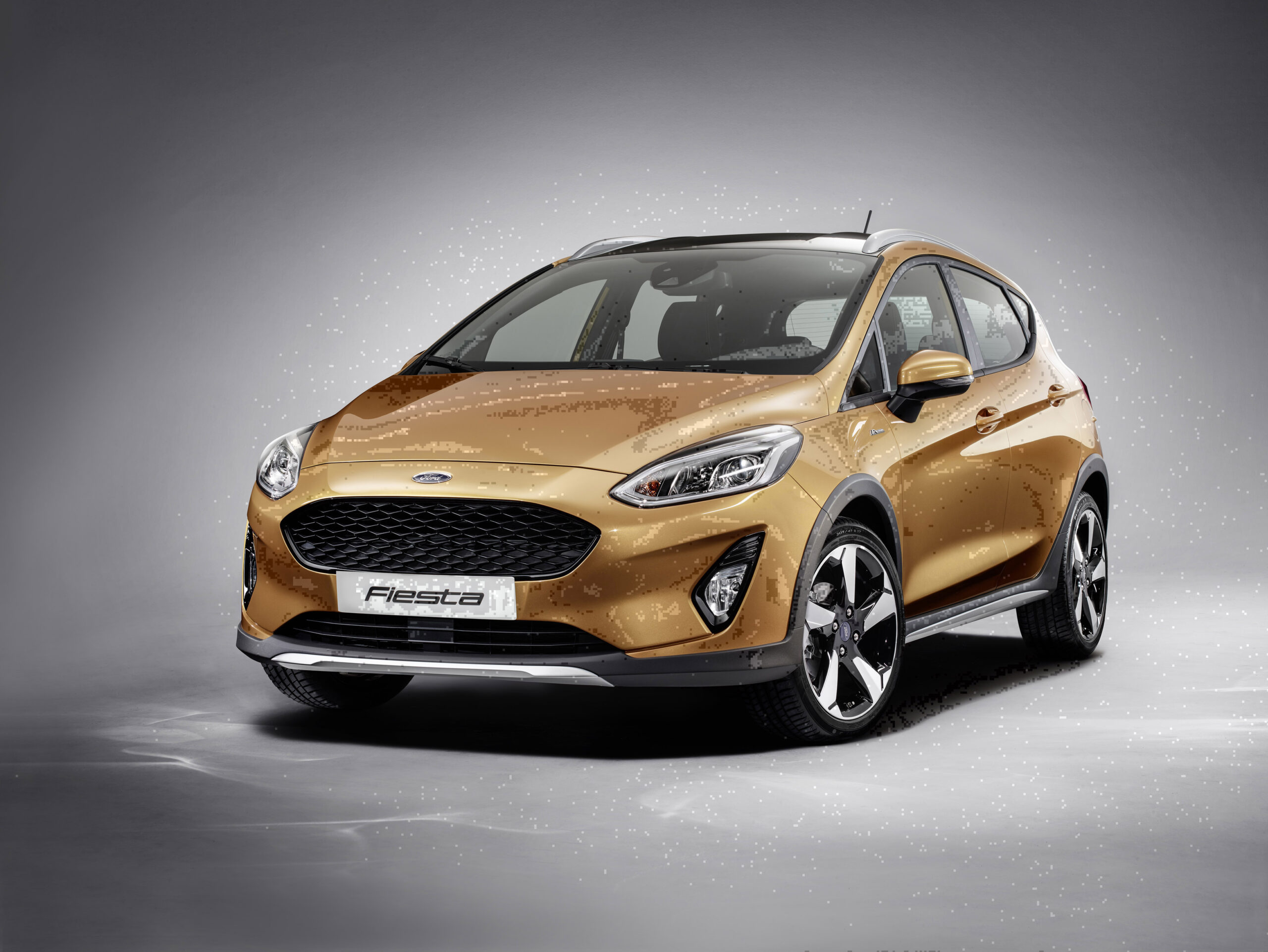
Which suspension and running gear checks should I carry out?
Press down on all four corners of the car. The car should react evenly and bounce back in one smooth movement. Listen for noises or feel for uneven damping. The Fiesta’s suspension wears faster with intensive city use involving many short trips and speed bumps.
Check whether the car sits level. Inspect the chassis for holes, signs of cleaning or fresh paint damage on the underside, which can indicate accident repairs. Check brake lines for rust and cracks and move the suspension components to detect play.
Thoroughly test engine and mechanics
Open the bonnet and check the oil level. The oil should be clear, not milky. Milky oil indicates coolant in the engine. Also check the level of brake fluid and coolant. The radiator should be full and the fluid should not be brown or cloudy. Fiesta engines such as the 1.0 EcoBoost are prone to cooling system problems.
Start the engine from cold. There should be no smoke and the engine should idle without vibration. All warning lights such as oil pressure and airbag should go out after starting. Check for leaks at fuel lines or the power steering system.
Inspect the engine block for rust and check all hoses for cracks or wear. Listen for rattling or ticking noises, as older Fiestas can show timing chain issues. The 1.25 and 1.6 petrol engines are generally reliable, but on EcoBoost turbo engines pay extra attention to the cooling system and turbo bearings.
‘ Rust in the boot is a red flag for previous damp issues. ’
Check interior and electrical systems
Check upholstery, dashboard, headlining and door panels for tears, stains or fraying. Make sure the seat belts are intact and that the pedals still have rubber covers. Wear here can indicate intensive use.
Systematically test all electrical functions: windows, mirrors, wipers, all lights, indicators, radio, air conditioning and heater. A musty smell can indicate damp in the boot or under the mats. The Fiesta’s climate control sometimes fails, so check that the air conditioning cools quickly.
Look for damp patches under the mats and in the luggage compartment. Rust in the boot is a red flag for previous damp issues.
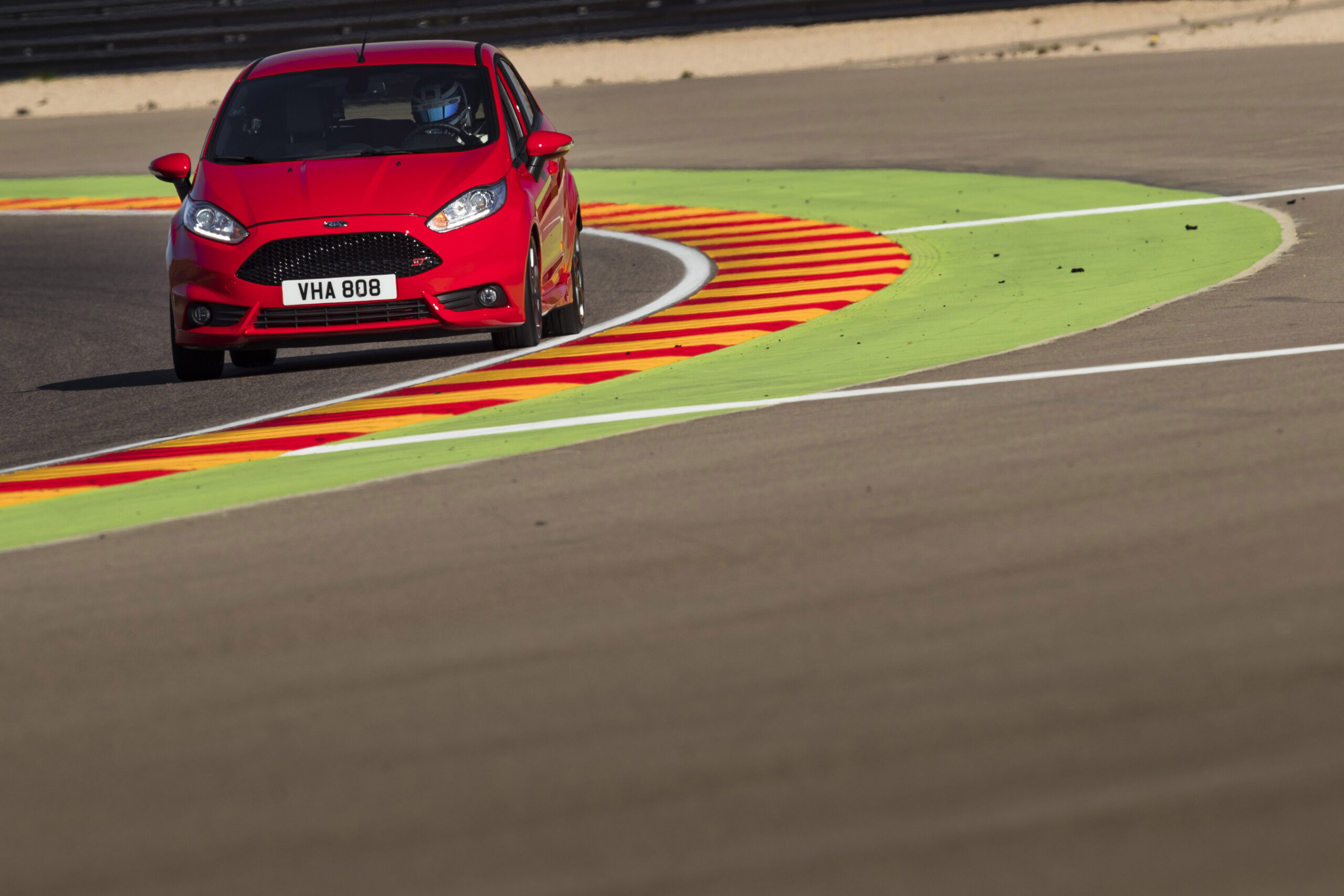
What should I check during the test drive?
Ideally drive the car from cold. Test the brakes straight away; there should be no juddering or pulling. Shift through all gears in a manual car. This should be smooth without grinding or hesitation. With a Powershift automatic you need to be extra alert to slipping, as these transmissions are known for problems.
During acceleration, check for smooth power delivery. There should be no unusual smoke or burning smell. Test the suspension on bumpy roads. Strange noises or a hard, uncomfortable ride can indicate worn shock absorbers.
Check the steering for play and listen for odd noises while turning. Also test all electrical functions while driving. No warning lights should remain on. The air conditioning should cool quickly, even in warm weather.
Red flags when buying a Ford Fiesta
Be wary of mileage that is too low for the year of manufacture. Forums report that odometer fraud occurs regularly. An OBD scan can reveal hidden fault codes, for example relating to the catalytic converter or sensors. Always have this done if in doubt.
Watch out for rust in the wheel arches and on the underside, especially on cars over six years old. Powershift automatics that slip or jerk are expensive to repair. Oil consumption at high mileage is acceptable, but excessive consumption points to engine problems.
Check whether the timing belt has been replaced between 100,000 and 150,000 kilometres. This is an expensive maintenance item that must not be postponed. Brakes and tyres wear faster on the Fiesta due to its low weight and often intensive city use.
‘ Investing in an inspection gives peace of mind and can provide a strong bargaining position if issues are found. ’
How much does a professional inspection cost?
A professional MOT-style inspection or pre‑purchase inspection at a garage costs between €75 and €150. For this amount you get a thorough technical check including an inspection on a lift and often an OBD scan. This way you avoid unexpected repairs later. These can run into hundreds or even thousands of euros.
If in doubt, always ask for a second opinion. Investing in an inspection gives peace of mind and can provide a strong bargaining position if issues are found.
Handy overview of the key checkpoints
- Check service book and maintenance history
- Inspect wheel arches, doors and exhaust for rust
- Test transmission for smooth shifting or slipping
- Check oil level and colour of coolant
- Listen for engine noises on a cold start
- Test all electrical systems including air conditioning
- Test drive on different types of road
- Ask for an OBD scan if you suspect fault codes
Print this checklist and take it with you during the inspection. Tick off each item to get a complete picture. The Fiesta is a reliable compact car, but systematic checks will prevent expensive surprises. On the Carnews website you will find much more information about common car problems, maintenance advice and tips for buying used cars. Find out more and make your next purchase with confidence.
Frequently asked questions
For car enthusiasts, the sporty versions are particularly interesting, such as the Fiesta ST (with turbo petrol engine), the 1.6 petrol variants and the more powerful EcoBoost engines. With these engines pay extra attention to oil consumption, history of cooling problems (especially the 1.0 EcoBoost), rattling timing mechanisms and whether maintenance (timing belt/chain and turbo) has demonstrably and timely been carried out. On Powershift automatics, slipping or jerking is an important point of attention; manual gearboxes should shift lightly and precisely without any crunching. Finally, check the body thoroughly for rust (especially wheel arches and underside), and use a test drive and OBD scan to check for fault codes and warning lights.
On sportier or heavily used Fiestas, suspension and running gear wear more quickly: look out for knocking noises, nervous suspension behaviour and uneven tyre wear. Check the engine (especially EcoBoost) for oil consumption, coolant level, leaks and rattling chain or timing noises on a cold start. Test the gearbox carefully for smooth shifting and no slipping clutch or jerky engagement (be extra vigilant with Powershift automatics). Finally, pay extra attention to rust on wheel arches, underside and exhaust, as hard driving and many winter kilometres often make this worse.
Common modifications on a Ford Fiesta include lowering springs or coilover kits, different wheels/tyres, remapping or chiptuning (especially on EcoBoost engines), sports exhausts and upgrades to audio/lighting. Always check whether invoices and inspection reports (for example from an accredited tuner or installation specialist) are available, and whether changes such as lowering or different wheels comply with MOT requirements and the registration document. Technically, look for tidy routing of cables and hoses, solid mounting points (no cable‑tie improvisations), no leaks and no warning messages on the dashboard. If you are unsure, have the car inspected again or have a pre‑purchase inspection carried out at a main dealer or independent specialist.
Signs of an intensive past or track use include unevenly or heavily worn sports tyres, discoloured or grooved brake discs and pads, aftermarket sports parts (coilovers, thick anti‑roll bars, brake upgrades), and a hard or ‘tired’ suspension with play or additional noises. Also look out for a lot of stone‑chipping at the front, extra cooling openings or removed interior trim, and check whether body seams, panels and paintwork (overspray/colour difference) point to accident repairs. You can find out the ‘real history’ by checking the service book and invoices, comparing mileage with wear (pedals, steering wheel, driver’s seat) and, via RDW/Car‑Pass/Carfax or a brand dealer, checking the mileage history, owners and any damage/recalls. Finally, have a pre‑purchase inspection carried out (preferably with an OBD scan and inspection on a lift) to detect hidden defects and signs of heavy use.