
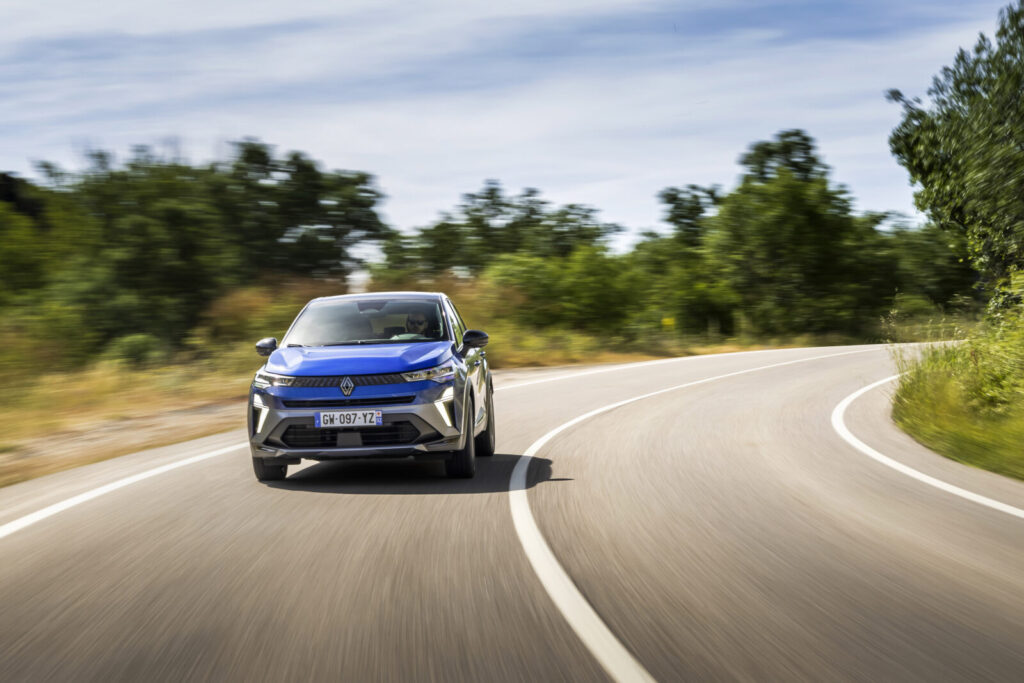
Software updates can make the difference between a problem-free Captur and a car with hidden defects. Early models, in particular, suffer from known faults that can only be resolved with the correct updates. By performing targeted checks in advance, you can prevent costly repairs and unpleasant surprises. Discover the important points you shouldn’t miss during your viewing.
Paperwork and preparation before purchase
Start with a thorough vehicle registration check. This will give you insight into the number of previous owners, the mileage history, any damages, and the MOT history (MOT: annual vehicle safety and emissions test). Check that all documents are present: the registration certificate, certificate of conformity, and V5C logbook. Compare the chassis number on the documents with the number on the car itself.
The service book with invoices provides valuable information about the car’s condition. Prioritise examples with a complete service history, including timing belt replacement. For the Renault Captur, this interval is often around 120,000 to 160,000 kilometres, depending on the engine type. Have the seller confirm the mileage is correct and check they are the rightful owner via identification.
‘ Colour differences between panels often indicate repair after damage. ’
Thoroughly inspect the exterior and bodywork
Inspect the car in daylight for dents, scratches, and rust. Pay particular attention to the wheel arches, sills, and the underside of the bodywork. Colour differences between panels often indicate repair after damage. Check that the seams between the doors, bonnet, boot lid, and wings are straight and evenly wide.
A magnet test on the wings, doors, and sills helps detect filler. If the magnet sticks, there is no filler present. Examine all windows for cracks, chips, or scratches. Repaired chips are not a problem, but unrepaired damage can lead to an MOT failure.
Check rubber seals around doors and windows for cracks or hardness. This prevents future moisture problems. Also, look under the car: holes or suspicious cleaning marks on the chassis could indicate accident repair.
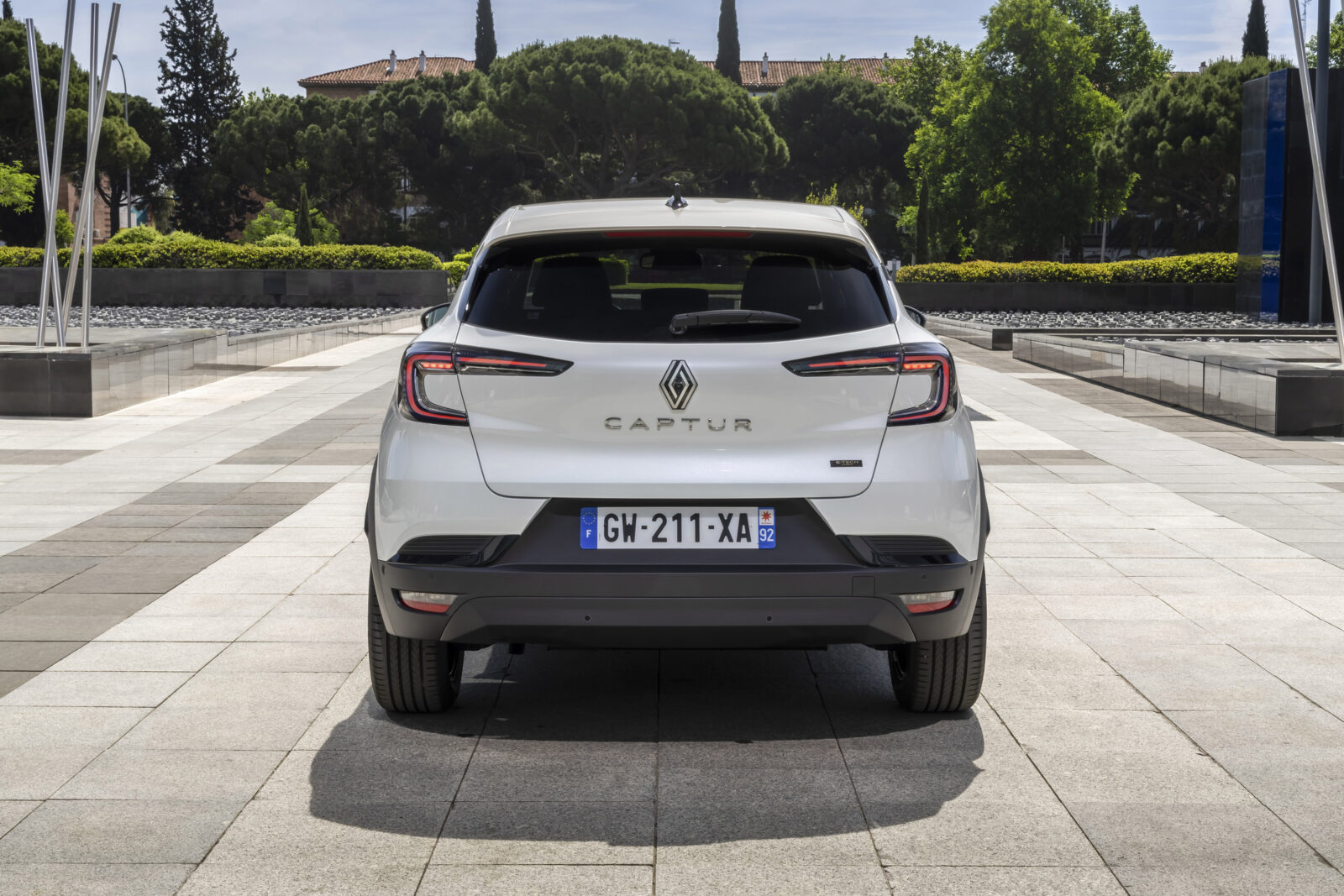
Check tyres, wheels, and suspension
All four tyres must be of the same make and type, with sufficient tread. Don’t forget to check the spare tyre, jack, wrench, and tyre pressure. Press down on all four corners of the car. The car should react equally and bounce back once, then remain stable.
During the test drive, pay attention to suspension noises and check for any play in the steering. This could indicate worn suspension components that will need replacing in due course.
What to check in the interior
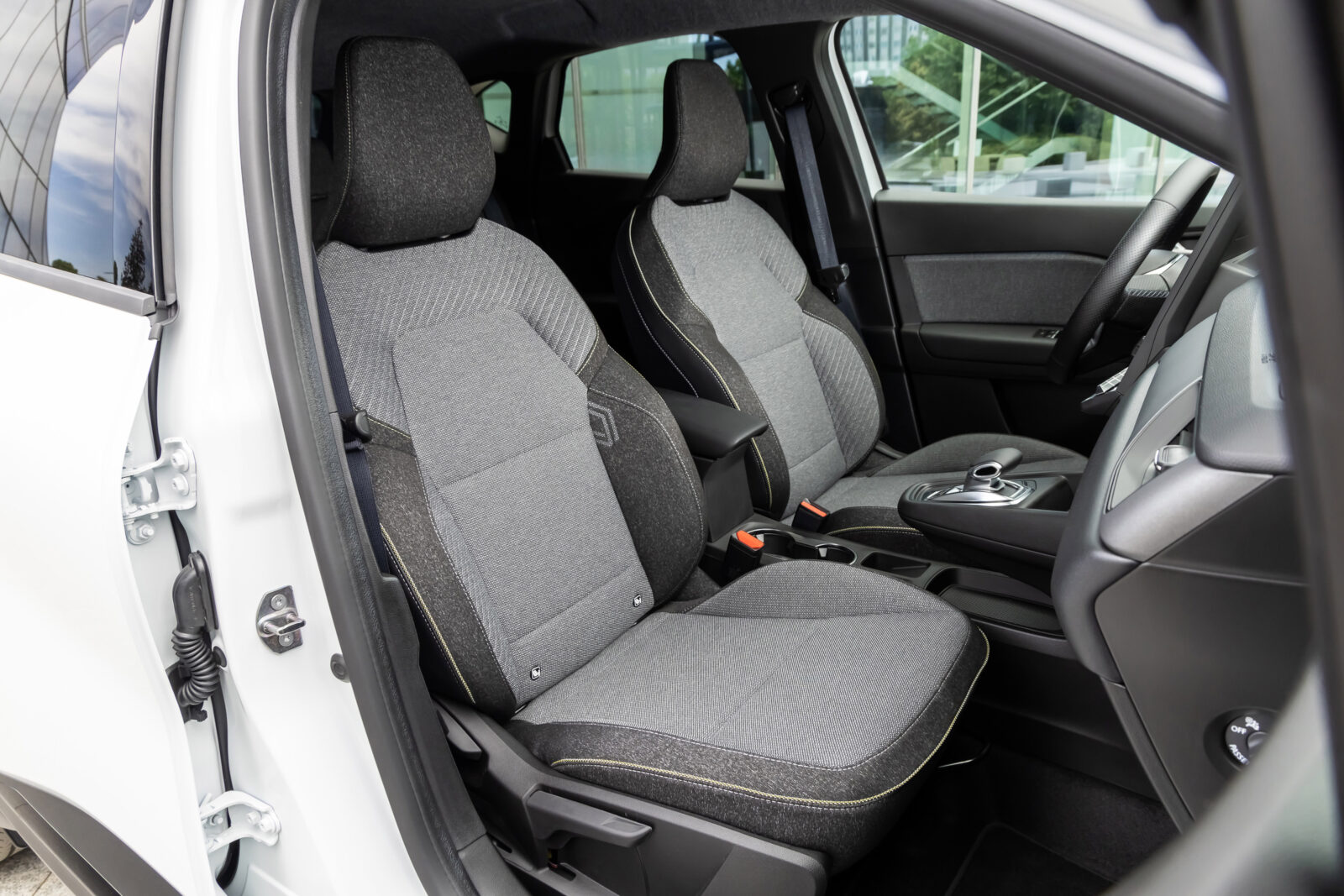
Upholstery, dashboard, and headlining should not show any tears, stains, or burn marks. Thoroughly test all electrical functions: windows, mirrors, seats, radio, navigation, air conditioning, and heating. The Captur often has problems with electronics, so take your time here.
Consciously smell for any musty odours. This could indicate a leak. Lift the mats and boot carpet to check for damp patches. Also, check that seats, pedals, and gearstick are normally adjustable and that the seatbelts show no extreme wear.
Engine, transmission, and test drive
Preferably start the engine cold. There should be no rattles, smoke, or strange noises. Check the oil level and whether the correct type of oil has been used. This is important for both petrol and diesel Captur engines.
In older models from before 2019, there is a risk of rubber residue in the oil circuit due to worn timing belts. Therefore, ask about the replacement interval. The test drive provides a lot of information about the car’s condition:
- Brakes must operate without vibrations
- Clutch must engage smoothly
- Transmission must shift smoothly, especially with automatic EDC (Efficient Dual Clutch) transmissions
- Air conditioning and all lights must function correctly
Look out for dashboard warning lights and any infotainment system crashes. The EDC automatic gearbox is a weak point in the Captur and often exhibits shifting problems after 100,000 kilometres. For turbo engines, such as the 1.3 TCe, check for increased oil consumption.
Known problems per Captur generation
The first-generation Captur, built between 2013 and 2019, frequently suffers from a weak battery, defective tailgate latch, and oil leaks with the 0.9 TCe engine. Rust formation under door handles also occurs in these older models.
The second generation from 2019 onwards has better build quality. For these models, mainly check the condition of the hybrid battery, if present, and whether all infotainment updates have been performed. Many owners report reliability up to 200,000 kilometres with correct maintenance, but avoid ex-lease cars with potentially manipulated mileages.
What questions to ask the dealer
Explicitly ask if all software updates have been installed. This is essential because known software problems in early models can only be resolved with updates. Also, inquire about the timing belt replacement interval and if there have been any major maintenance costs recently.
For diesel models, ask about the condition of the AdBlue system (urea fluid emission reduction system). This system can malfunction and lead to costly repairs. Check if there have been any complaints about the transmission, especially with automatics. Ask about any recalls and if they have been carried out.
‘ This prevents you from buying a problem instead of a reliable car. ’
If in doubt, have an inspection carried out
If you have doubts about the car’s condition, have a professional inspection done by a garage. An inspection costs money but can detect hidden defects such as rust, transmission problems, or engine damage. This prevents you from buying a problem instead of a reliable car.
Print this checklist and take it with you during the viewing. This way, you can systematically go through all the points and won’t forget anything. Prioritise cars with low mileage, a complete service history, and a recent MOT.
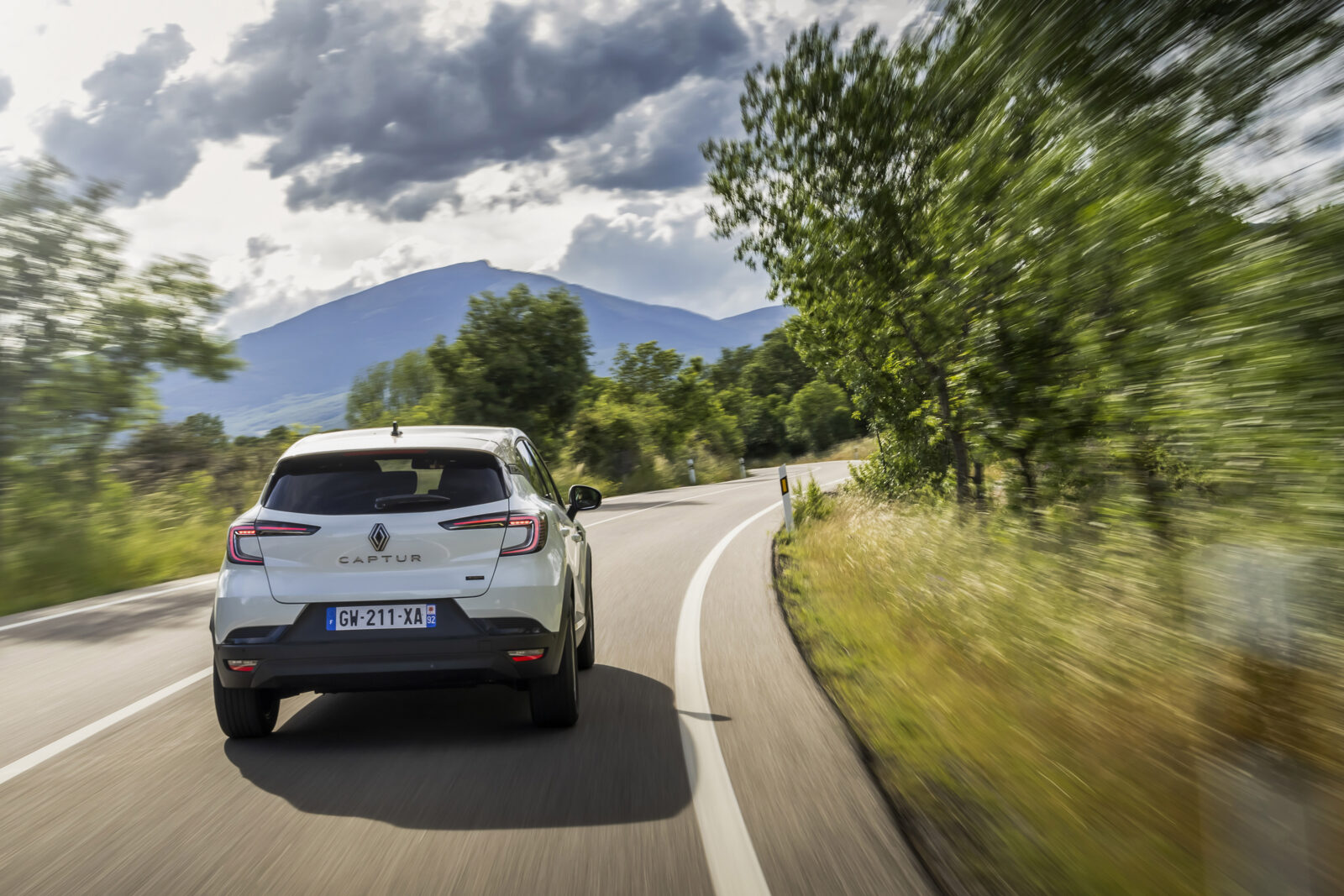
Discover more about your car
On the Carnews website, you’ll find extensive information about common car problems, maintenance advice, and tips for various makes and models. Whether you want to specifically identify problems or expand your general car knowledge, there’s much more to discover. Delve into the world of cars and make more informed choices for your next purchase.
Frequently Asked Questions
Essential documents and reports include the service book with stamped entries, separate maintenance and repair invoices (including proof of timing belt replacement), MOT reports, and any independent pre-purchase inspections. In addition, check the chassis number on all documents and in the car, the consistency of mileage and dates, and whether stamps and invoices originate from (main dealer) garages. Critical maintenance intervals for lifespan include timely oil changes according to factory specifications, timing belt replacement around 120,000–160,000 km (depending on the engine), and adherence to the prescribed schedule for brakes, fluids, and filters. Discrepancies, large gaps in the history, or missing timing belt replacement are clear risk factors for a shorter lifespan of the Renault Captur.
Perform a cold start and listen for rattles or knocking, check the oil level and colour, look around the engine for oil traces/leaks, and check turbo engines (e.g., 0.9 TCe and 1.3 TCe) for visible oil consumption or blue smoke when accelerating. Read fault codes via OBD (engine and transmission faults) and check if the timing belt has been replaced according to schedule, as worn belts in older Capturs can cause rubber residue in the oil circuit. For manual gearboxes: test if all gears engage and disengage smoothly without grinding, pay attention to a slipping or vibrating clutch, and abnormal noises when disengaging. For EDC/automatic: check for jerks, delays, or jerky shifting (especially when pulling away and accelerating gently) and during a test drive and visual inspection, look under the car for leaks or a burnt oil smell around the transmission.
During the visual inspection of the chassis, look for wear or play in wishbones, rubbers/bushes, anti-roll bars, and shock absorbers (leaks, rust, unevenly sagging springs), and check the wheel arches and underbody for rust or (poorly repaired) damage. For the steering system, look for play in the steering rack and ball joints, leaks in the power steering, and abnormal tyre wear that could indicate alignment problems. During the test drive, the steering wheel should run straight without vibrating or knocking, and there should be no ticking or clunking noises from the front suspension when going over speed bumps or around corners. For the braking system, visually check discs and pads for deep grooves, rust, or cracks, and during the test drive, look for a straight braking line without vibrations in the pedal or steering wheel, and for the absence of warning lights (ABS/ESC).
Rust and damage in the Captur primarily occur on the wheel arches, sills, the underside of the bodywork, and (in the first generation) under the door handles, so these areas must be examined very carefully. Also pay attention to uniform seams and colour differences between the bonnet, doors, wings, and boot lid, as these may indicate previous damage and poor repair. On the electronic side, the infotainment system (R-Link / multimedia unit), general electronics (dashboard warning lights, infotainment crashes), and a weak battery are known points of concern. Therefore, thoroughly check all functions of the multimedia system, navigation, connectivity, and any freezes or restarts during the test drive.
Check that all lighting (dipped, main beam, daytime running, fog lights, indicators, and brake lights) illuminates correctly, responds instantly, and shows no fault messages. Test the air conditioning and ventilation in all settings and temperatures, listen for strange noises, and see if the windows demist quickly. Operate the front and rear windscreen wipers and washers at all speeds and check the spray pattern. Operate all switches and buttons (windows, mirrors, central locking, steering wheel controls, radio/navigation, seat heating, parking sensors, cruise control) multiple times to see if they respond instantly and reliably.