
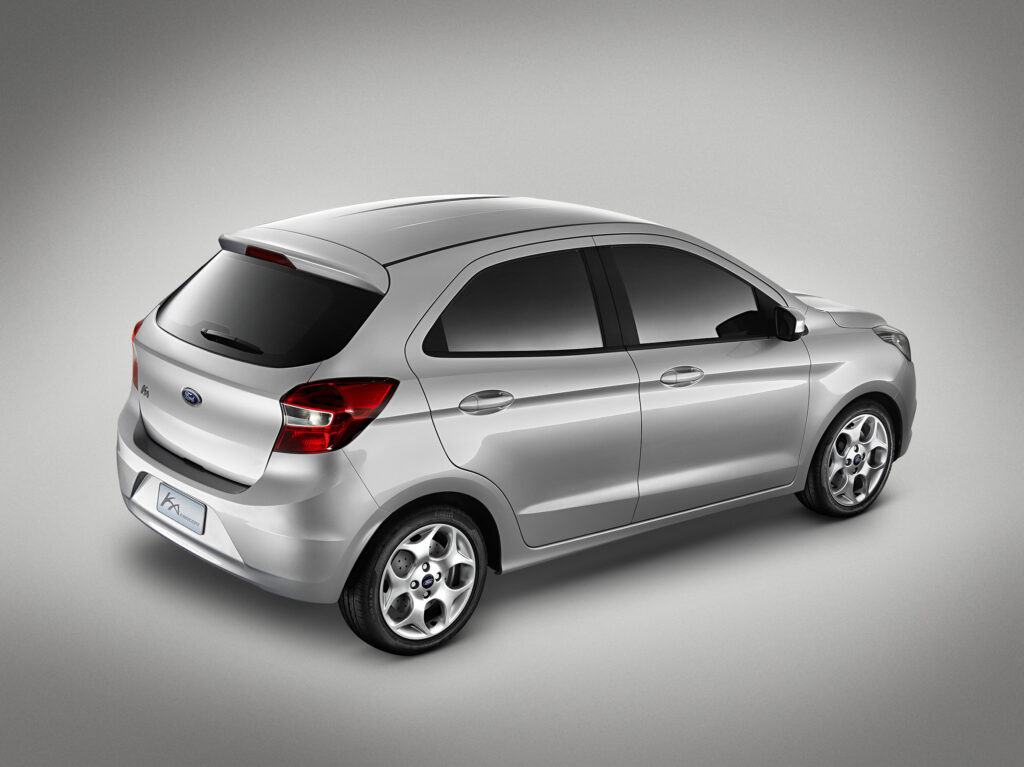
A second-hand Ford Ka can be a smart choice for a compact city car. Rust, maintenance history, and electrical faults require a keen eye before you buy. The second generation (2008-2016) is affordable and practical. Choose a model with verifiable care and no rusted-through parts. Want to know exactly what to look out for?
Rust is the main area of concern
In older Ford Ka models, rust is the biggest risk. Owners consistently mention this issue. The sills, fuel filler flap, wheel arches, and floor panels are vulnerable spots where corrosion often starts.
Check the following components thoroughly for rust:
- Sills and A- and B-pillars
- Rear wheel arches and wheel wells
- Floor panels and boot floor
- Fuel filler flap and fuel cap
- Visible weld seams in the engine bay
Watch out for bubbles in the paint and uneven seams. Also, look for signs of over-painting, as this could indicate previous damage. Rusted-through areas are sometimes camouflaged. Use daylight for this inspection, as rust is difficult to spot in the shade.
‘ Play in the wheel suspension is a reason to reconsider the purchase. ’
Chassis and suspension require careful inspection
The chassis of the Ford Ka often shows rust and play in older examples. Wishbones, rear axle, and wheel suspension are susceptible to wear and corrosion. This especially happens with cars that have driven a lot on salted roads in winter.
During the inspection, check for uneven tyre wear. Uneven wear indicates alignment problems and also points to worn suspension parts. Ask the seller when the wheels were last aligned and if any suspension parts have been replaced.
If in doubt, take the car to a mechanic and put it on a lift. Play in the wheel suspension is a reason to reconsider the purchase. Rust on structural parts is a reason to negotiate firmly.
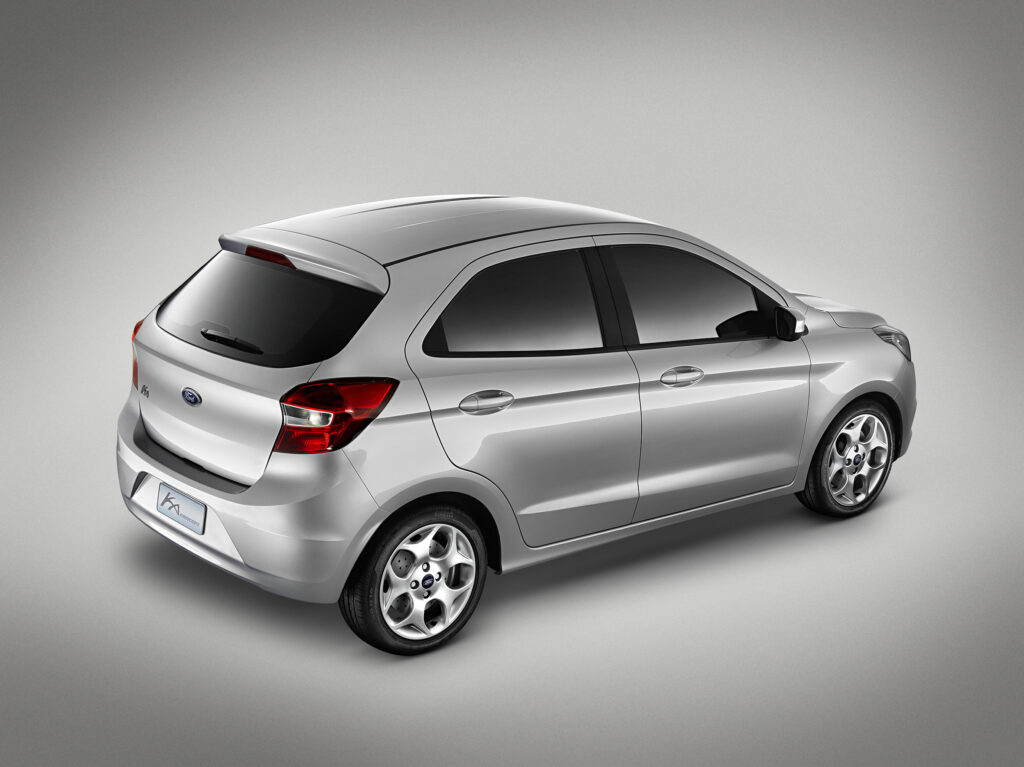
What to check regarding the engine and drivetrain
The test drive is the moment to assess the engine and gearbox. Start the engine from cold and listen immediately. Look out for ticking sounds and vibrations. A healthy engine starts smoothly and runs quietly.
During driving, pay attention to the gear changes. The gearbox should shift without hesitation in all gears. Rough transitions indicate wear and poor maintenance. Jerking when accelerating or difficulty changing gears are signs of similar issues.
User reviews often advise choosing a model with a Duratec engine if possible. This engine is considered smoother and more reliable than older variants.
Test electrical systems completely
Electrical faults occur regularly in the Ford Ka. Test all electrical functions before you proceed to purchase. Check the lighting, wipers, ventilation, air conditioning, central locking, windows, and seat adjustment.
Try the lights, windows, and central locking multiple times. Test other systems too. A function might work now, but contacts or cables can be oxidised, meaning the function could fail a week later. Owners report cable issues and corrosion around the alternator as a recurring point of concern.
Also check the battery charge. A weak battery is a warning sign. A battery that doesn’t charge properly is also a concern, suggesting a faulty alternator or an electrical leak in the system.
‘ A car with multiple owners in a short time deserves extra attention. ’
Check bodywork and accident history
Check if body panels align neatly. Also, look for colour differences between body parts, as this can indicate repair work after a collision. Small colour deviations are sometimes difficult to see, so inspect the car in good daylight.
Request the accident and ownership history. You can also consult a paid report. A car that has had multiple owners in a short period deserves extra attention. Also, gaps in maintenance require further investigation, as they can point to persistent problems or neglect.
Test drive with a focus on handling and steering
Drive on different surfaces during the test drive. Note if the car pulls to one side, feel for vibrations, and see if it drifts. A car that does not drive straight may have an alignment issue or worn suspension parts.
Perform the following checks during the test drive:
- Start the engine cold and listen for abnormal sounds
- Drive over bumps and listen for creaking sounds from the suspension
- Brake firmly and in a controlled manner to detect vibrations or a soft brake pedal
- Test all gears, including at higher speeds and when downshifting
- Check if the steering wheel stays centred while driving straight
A brake pedal that feels soft or spongy points to air in the brake line. It could also indicate worn brake pads. Vibrations when braking often indicate warped brake discs.
Interior and signs of wear should match
Wear on the steering wheel and pedals should match the mileage. Check the driver’s seat and gear stick. A noticeably worn interior with low mileage is suspicious; this could point to a rolled-back odometer, although intensive use is also a possibility.
Also, check the seats for tears, stains, and sagging. Small signs of use are normal, but severe wear at a relatively low mileage is suspicious.
Documents you must see before purchase
A complete maintenance record is important. Invoices help to assess the condition of the car. Without documentation, you cannot trace the history, and regular maintenance remains invisible.
Ask for the following documents:
- Maintenance booklet or service invoices
- Mileage history
- Vehicle data reports (RDW)
- Damage and ownership history report
- MOT (APK) inspection reports
Choose a model with verifiable maintenance. Avoid cars without a history, even if they look good visually. Maintenance is the most important indicator of future reliability.
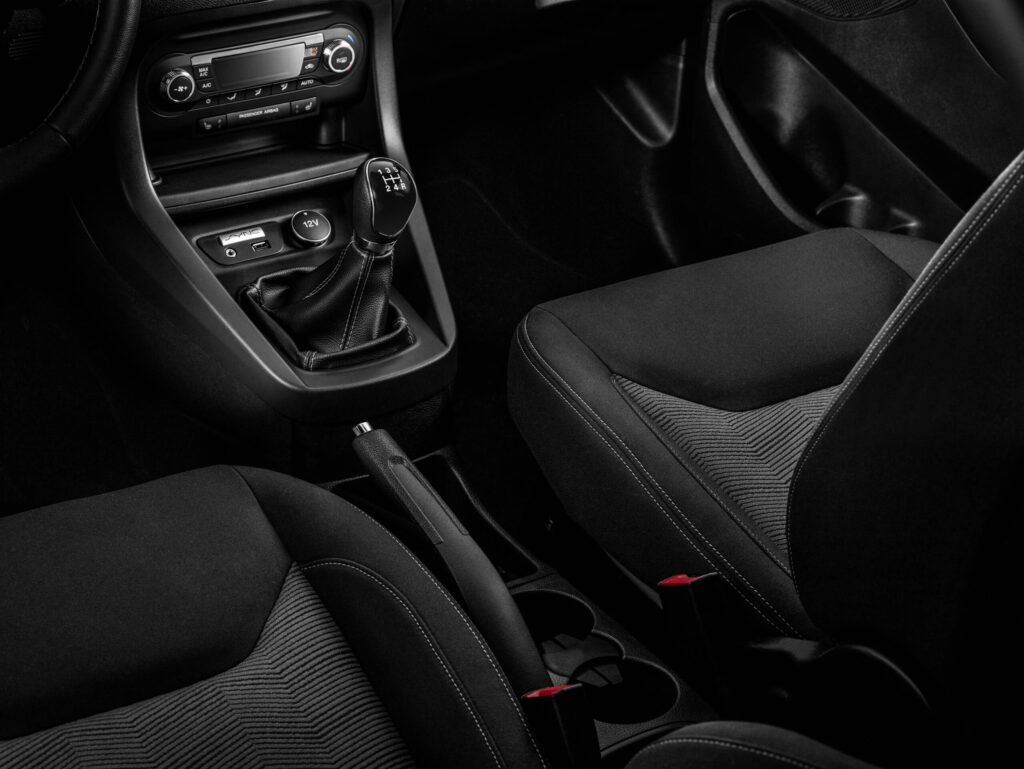
Useful buying tips for negotiation and budget
Use visible damage and minor defects as room for negotiation. Maintenance needs are also arguments to ask for a lower price. Scratches, dents, or neglected details are concrete points of contention.
Don’t just count on the purchase price. Set aside money for insurance and maintenance. Taxes are also part of your budget. Include unexpected repairs in the first year; for older second-hand cars, unforeseen costs can quickly mount up.
Take the car to a trusted mechanic and have a pre-purchase inspection performed. This costs a few dozen euros and prevents expensive surprises.
Reliability of the Ford Ka 2008-2016 in practice
The Ford Ka is an economical city car. It remains reliable if it has been well-maintained and is rust-free. Users cite rust as the biggest problem in older models, especially around the underside and at body seams.
The trim levels vary greatly by year and model. Always check the specific car for equipment; do not judge by appearance alone.
The best second-hand models have a clear maintenance history, show little rust, and have a trouble-free test drive. Avoid cars without a history and models showing signs of structural neglect.
‘ Carnews offers purchasing advice for various makes and models. ’
More information about used cars on Carnews
On the Carnews website, you will find information about used cars, maintenance tips, and common automotive problems. Carnews offers purchase advice for various makes and models.
Frequently Asked Questions
The first-generation Ford Ka (until around 2008) is known for its highly agile, playful handling, but also for significant rust problems in the body and chassis. For this generation, models with the Duratec petrol engine are often seen as smoother and more pleasant to drive. Later generations are more modern and comfortable, but individual maintenance history and rust condition are more important for reliability than the trim level itself. Preferably, choose a well-maintained, low-rust Ka with complete maintenance documentation.
In a used Ford Ka, rust issues are one of the biggest weak points, especially on the sills, wheel arches, fuel filler flap, floor panels, and rear axle/suspension. Additionally, check thoroughly for accident repairs (uneven seams, colour differences) and rust on wishbones and the chassis. During the test drive, listen for ticking or rattling engine noises, vibrations, poor shifting, and uneven tyre wear. Finally, test all electrical functions (lights, wipers, ventilation/AC, central locking, windows) and check the battery and wiring for faults or corrosion.
During the test drive, turn off the windows and radio, and listen during a cold start and acceleration for ticking, rattling, whistling, or knocking sounds from the engine bay, gearbox, and chassis. Drive over speed bumps and uneven surfaces to check for rattling or knocking noises from the suspension and ensure the car remains stable. On a straight road, let go of the steering wheel briefly to see if the Ka drives straight, and look for vibrations in the steering wheel or seats at different speeds. Brake firmly a few times: the car should remain straight while braking, without vibrations in the pedal or scraping sounds from the brakes.
Check for a complete maintenance booklet and/or loose invoices proving regular maintenance according to the factory schedule (oil and filter changes, brakes, suspension, tyres). Verify the mileage history via official vehicle records, MOT reports, and maintenance receipts to rule out odometer fraud or gaps in history. Check an accident and ownership history report for previous (major) collision damage and the number of owners. Ensure that recent MOT (APK) reports are available, including any repair advice and proof of rectifications.
The Ford Ka is known for relatively low maintenance costs; for well-kept models, annual costs are often limited to regular maintenance, although rust repairs and suspension components can add costs to older models. In practice, fuel consumption is usually around 5.8–6.6 L/100km (approx. 43-48 mpg) for small petrol engines, depending on driving style and usage (city/highway). The more modern Duratec petrol engines are experienced by users as smoother and more efficient, often resulting in slightly better consumption figures and predictable maintenance costs. However, for neglected cars or those with significant rust, maintenance costs can be much higher, regardless of the engine variant.