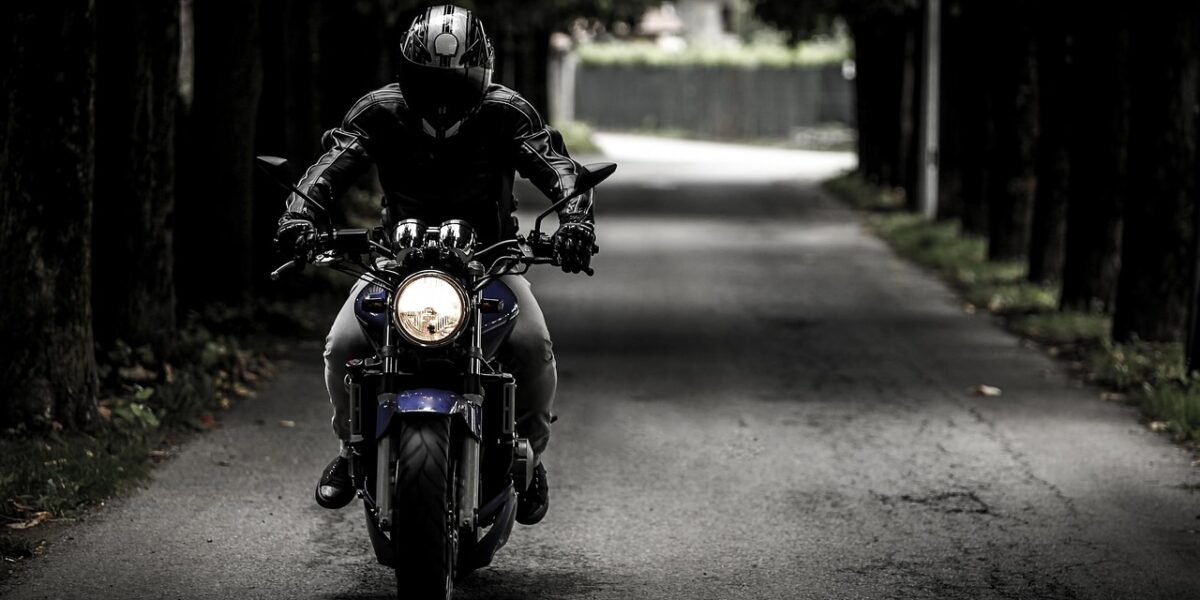
Choosing a motorcycle jacket: leather or textile for your riding style?
You want a motorcycle jacket that looks good, but above all one that feels comfortable while you’re riding. In the shop a lot of things quickly feel “fine”, but it’s only on the bike that you notice whether a jacket starts flapping, pinching or getting too warm. So start with the rides you actually do: do you ride long stretches, do you have lots of stops, and do you also go out when the weather changes? If you use that as your starting point, you’ll choose leather or textile based on what you really notice on the road, instead of just how the material feels on the hanger.
Start with your rides, not with the material
Focus on three things you feel directly while riding: how often you stop, how long you ride in one go, and whether you also ride in changeable weather. Lots of stops usually means warmth builds up faster. Long stretches call for a jacket that stays calm in the wind and sits well when you’re in a riding position.
That’s why at MKC Moto it’s smarter not to just pick “leather or textile”, but to compare based on things you feel straight away: ventilation zips you actually open, adjustment points you can still use with gloves on, room for an extra layer, and protectors that stay in place when you stretch and bend your arms. This helps you avoid buying a jacket that only “fits okay when you’re standing upright”, but disappoints as soon as you’re in your riding position.
Leather: when you want stability and a close fit
Leather often works well if you want a jacket that fits snugly and stays stable at speed. You mainly notice this through less flapping in the wind and a steady fit in riding position. Handy if you ride lots of bends or like to ride a bit more briskly, because your jacket won’t keep demanding your attention.
If you mainly ride a lot in town with frequent stops, then pay extra attention to ventilation and ease of use. Think of ventilation openings where you’ll genuinely use them (such as on the chest or under the arms) and fastenings you can open and close quickly. Also bear in mind that leather can be a bit stiff at first. So choose a model or size that gives enough room around your shoulders in riding position, so it feels comfortable straight away when you bring your arms forward.
Leather is often chosen if you mostly ride in dry weather and are mainly looking for a close, body-hugging fit. If you do lots of short rides with many stops, textile will feel easier and airier for many people.
Textile: when you switch between weather, rides and layers
Textile often works well if your rides vary: commuting, touring, chilly in the morning and warmer later on. The benefit is mainly in how easily you can adapt. Then look at practical things: room for an extra layer, ventilation that you can open or close, and adjustment straps that let you quickly tighten the fit.
Because textile can move a bit more in the wind, it’s smart to double-check how the jacket falls in riding position. If it fits neatly around chest and stomach, it usually stays calmer at speed as well. Also pay attention to how it feels in places you notice for a long time: at your wrists, neck and the inside of your arms. If that feels smooth, you’ll usually be comfortable on the road too. If you want extra comfort, go for models with better ventilation or a lining that feels nicer on your skin.
Textile is often chosen if you keep riding in changeable weather or if you want a jacket you can adjust more easily while on the road.
Quick fit check: this gives instant clarity
Always do a short fit check in riding position. See whether the sleeves stay in place at your wrists, whether your shoulders can move freely, and whether the shoulder and elbow protectors stay in the same spot when you stretch and bend your arms. Also test the collar and cuffs: if something already closes comfortably in the shop, it will usually stay that way while riding.
Want to compare in a focused way without choice overload? Have a relaxed look around on mkcmoto.com and keep it simple with three requirements: when you ride (weather), how long you ride (ride length) and how you want to get rid of heat (ventilation). That usually makes choosing a lot more manageable.