
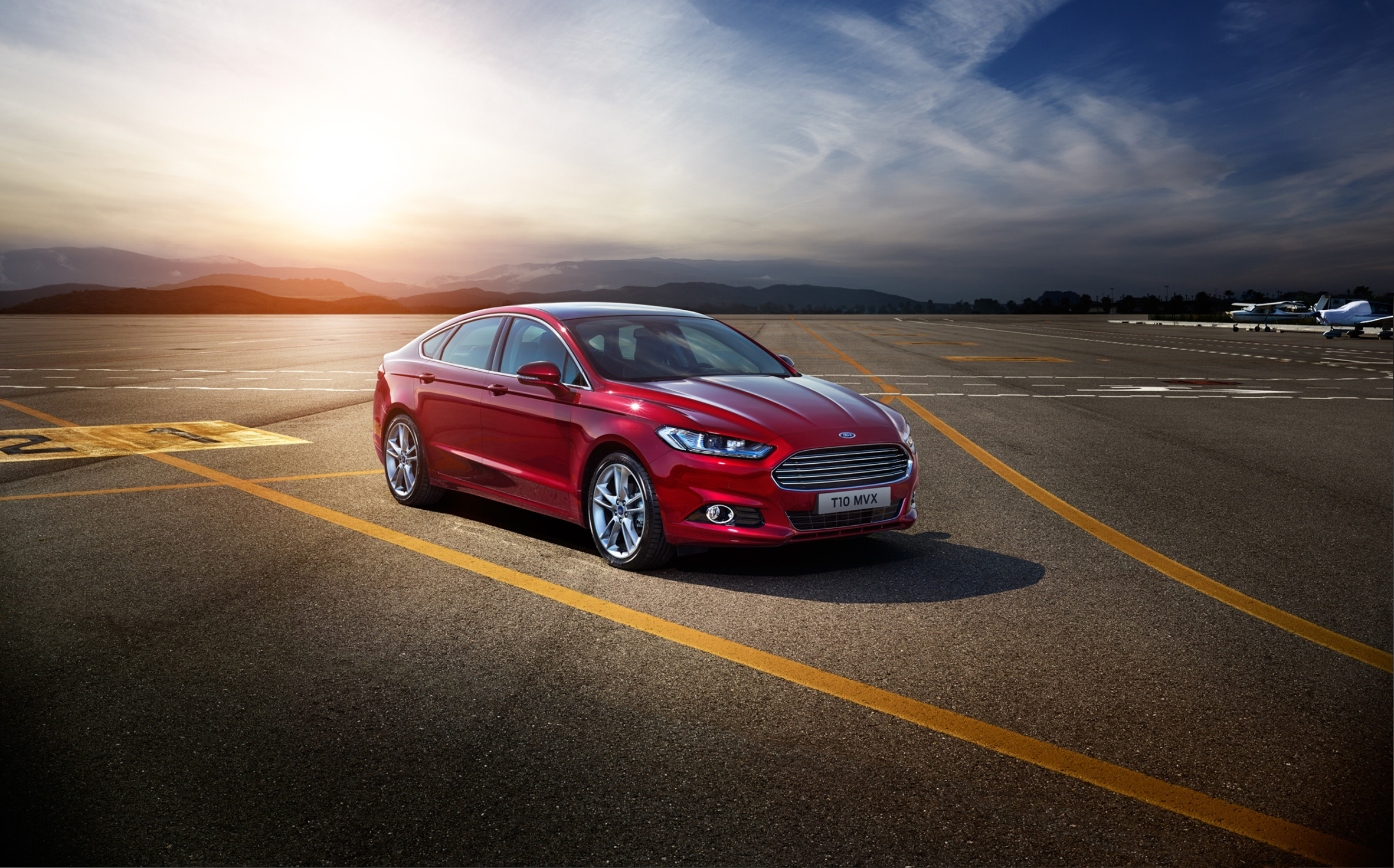
The development of the Ford Mondeo shows clear differences in reliability and performance between generations. While the MK3 is known as practical and forgotten, the MK4 suffers from specific engine issues and the MK5 offers modern technology with a few points to watch. Which generation best matches your needs?
Mondeo III: the forgotten generation
The third-generation Mondeo, produced between 2000 and 2007, was built on the EUCD platform that Ford shared with Volvo. This foundation delivered a solid construction and front-wheel drive that guaranteed optimum interior space. This generation was offered as a five-door hatchback and estate, with a design that looked modern at the time but now appears dated.
For fans of affordable classics, the MK3 offers interesting possibilities. The 2.0 TDdi diesel with 115 hp delivers enough power for daily use, while the petrol engines combine direct steering with sharp handling. The driving behaviour feels light and responsive, characteristics that modern cars often lack because of extra weight and electronic systems.
If you are looking for a used car from this generation, focus on models from the 2003 facelift onwards. These versions received an improved grille, higher-quality dashboard materials and the Durashift automatic with steering-wheel controls. Do watch out for rust around the wheel arches, a common problem on older examples. Inspect these areas thoroughly before you buy.
‘ Options such as Blind Spot Monitoring, Active Cruise Control and NX navigation brought the Mondeo up to the same level as more expensive brands. ’
Mondeo IV: space with technical challenges
Between 2007 and 2014 the Mondeo grew significantly in size and comfort. The fourth generation switched to electro-hydraulic steering to save fuel and introduced a futuristic dashboard with the Human Machine Interface for voice control. This generation clearly targeted families who valued space and technology.
The boot capacity of 528 to 554 litres made the MK4 particularly suitable for holidays and big shopping trips. Options such as Blind Spot Monitoring, Active Cruise Control and NX navigation brought the Mondeo up to the same level as more expensive brands. Owners praise the level of insulation and the direct response of the accelerator, although engine noise remains audible above 100 kilometres per hour.
The engine range included both the 2.0 FFV petrol engine with 145 hp and various diesels. Ride comfort is high compared with the low used prices this generation now commands. The dashboard does, however, deserve attention: some users find the clarity mediocre because of the sheer number of buttons and screens.
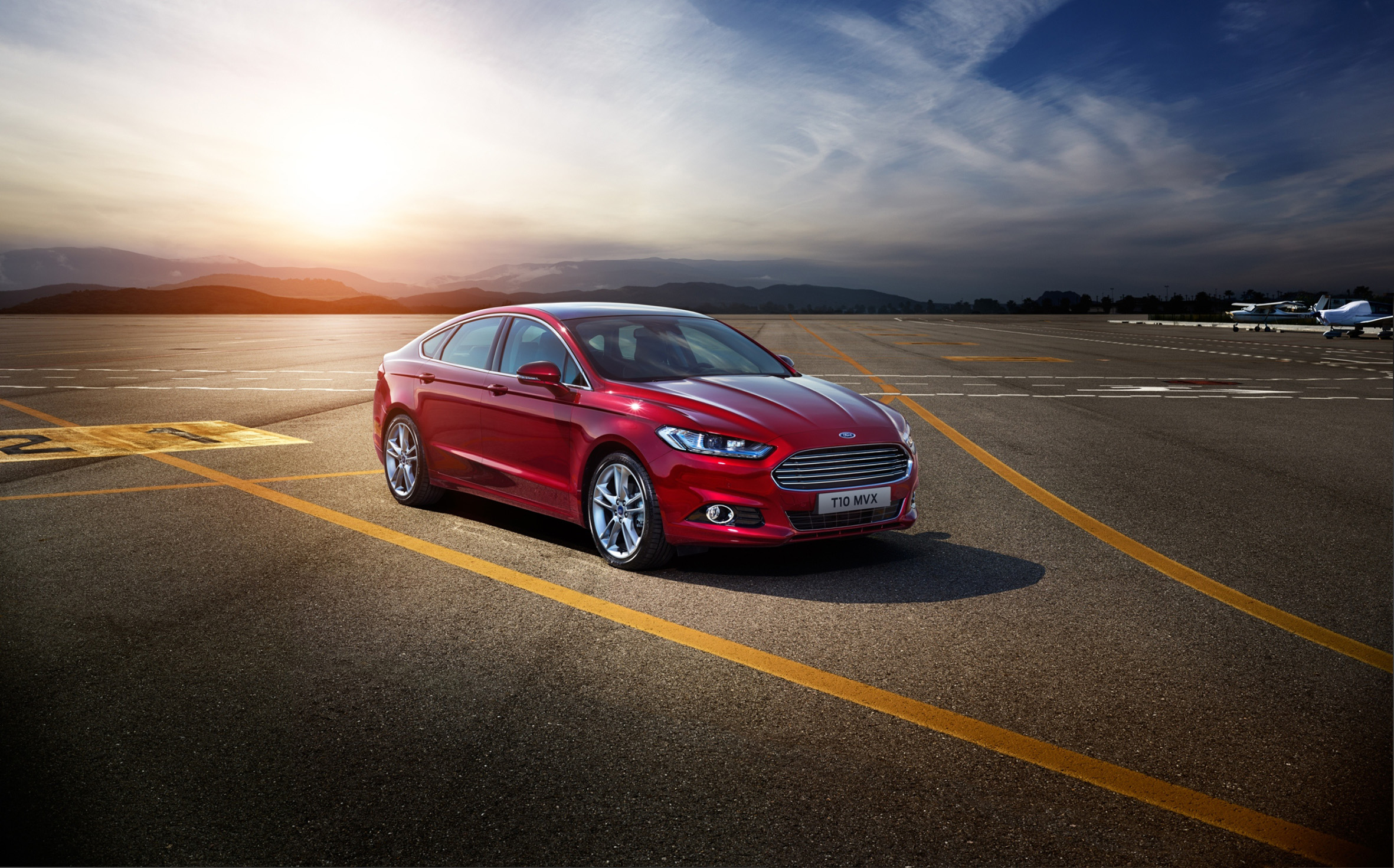
Which engine to choose on the MK4
For the fourth generation, engine choice requires careful consideration. The 2.0- and 2.3-litre EcoBoost petrol engines regularly show problems with the turbo and cooling systems. These engine issues can lead to costly repairs that quickly wipe out the advantage of the low purchase price.
Diesel engines from this period generally perform more reliably, provided the servicing schedule has been followed strictly. When buying used, always check the service history and ask specifically about work done on the timing belt and water pump. These parts can fail if neglected.
Mondeo V: hybrid ambitions with teething troubles
The fifth and final European Mondeo, produced from 2014 to 2022, opted for hybrid technology and three body styles: saloon, hatchback and Wagon. Ford combined the 1.0, 1.5 and 2.0 EcoBoost petrol engines with five diesels and a 2.0 IVCT hybrid powertrain with 187 hp.
The hybrid version achieves consumption of 4.5 litres per 100 kilometres and emits 133 grams of CO2 per kilometre. The sprint to 100 kilometres per hour takes 9.2 seconds and the top speed is 187 kilometres per hour. The towing capacity is limited to 750 kilograms unbraked, which will disappoint families with heavy caravans.
ST-Line X models offer extensive equipment with panoramic roof and adaptive cruise control. New prices at the time were under 40,000 euros, while used examples such as the 2020 Wagon hybrid now cost around 18,500 to 20,000 euros. These cars often show high mileages but deliver reliable performance when the hybrid battery is in good condition.
‘ These shortcomings occur mainly in examples that are used mostly for short trips without allowing the engine to reach full operating temperature. ’
Points to watch on the MK5
The 1.5 EcoBoost engine, despite improvements over earlier generations, sometimes shows problems with coolant leaks and blockage of the oil circulation system. These shortcomings occur mainly in examples that are used mostly for short trips without allowing the engine to reach full operating temperature.
When buying used, check the condition of the hybrid battery by taking a test drive and paying attention to smooth transitions between electric and petrol driving. Jerky changes or warning lights indicate potential issues. Ask the seller about warranty on the hybrid system.
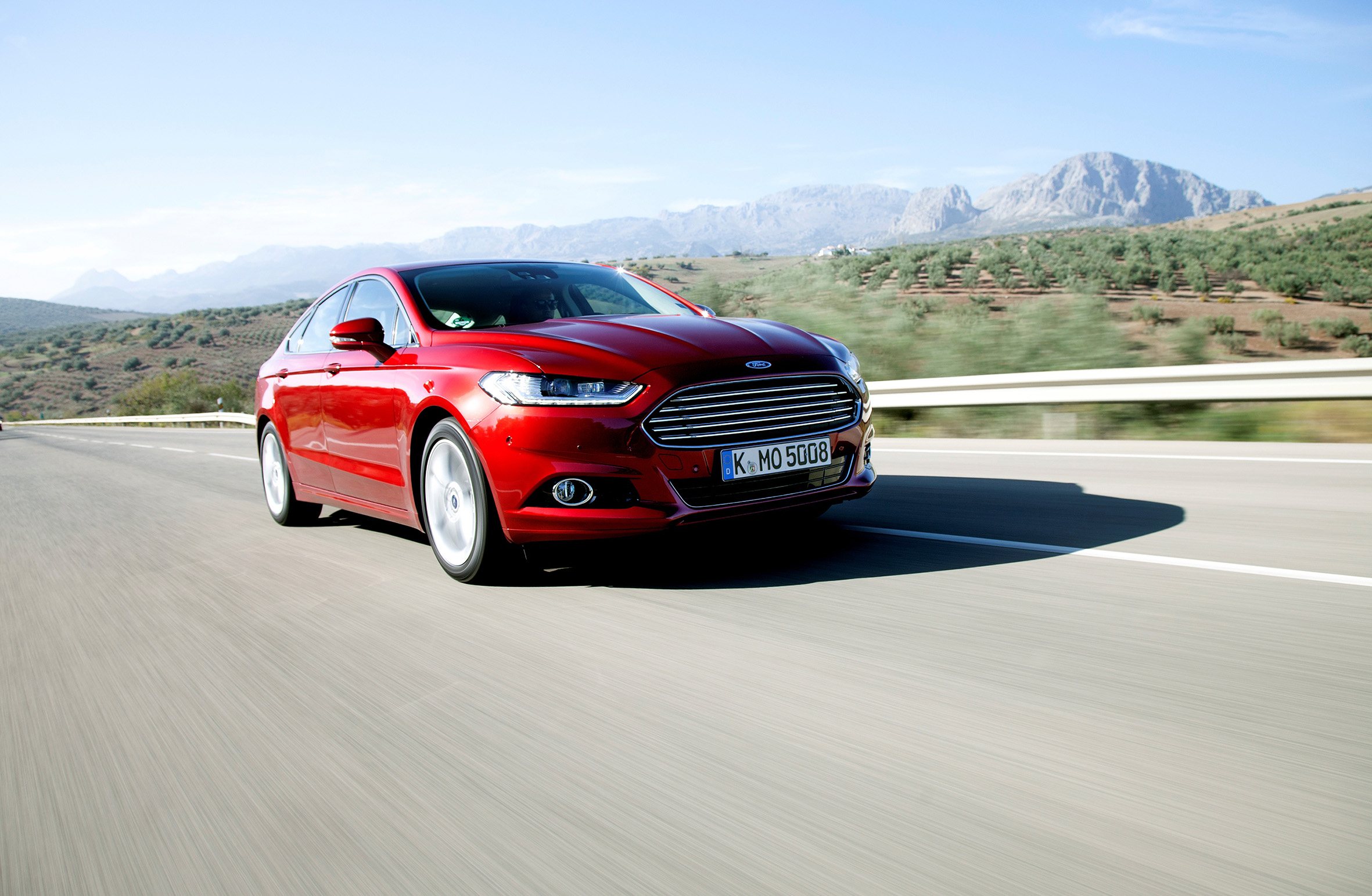
Which generation deserves preference
The choice depends on your priorities and budget. If you want an affordable, dynamic driving experience with simple technology, the MK3 from the 2003 facelift onwards offers good value. The direct steering and light road holding make daily driving enjoyable, provided you rule out rust.
For families looking for space and technology at a sharp price, the MK4 is a good fit. Avoid examples with the 2.0 or 2.3 EcoBoost and opt for diesel variants with a complete service history. The luggage space and comfort compensate for the somewhat busy dashboard layout.
If you want modern efficiency and hybrid technology, the MK5 is worth considering. The hybrid Wagon combines space with low running costs, ideal for high annual mileage. Check the battery thoroughly and preferably choose examples with a winter pack for everyday use in all seasons.
Practical comparison in broad outline
The three generations differ significantly in approach and target group. The MK3 remains a down-to-earth choice for those who value simplicity and low costs. The MK4 brings more comfort and space, but requires a careful engine choice and checks on the electronic systems.
The MK5 represents the modern direction with efficient hybrid drive and extensive safety features. The purchase price is higher than for the older generations, but the fuel consumption offsets this if you drive many kilometres. However, the limited towing capacity remains a drawback for owners with caravans or trailers.
Many factors play a role in the final choice:
- Budget for purchase and maintenance
- Number of kilometres you plan to drive each year
- Need for luggage space and towing capacity
- Preference for diesel, petrol or hybrid
- Desired level of technology and safety equipment
‘ The MK5 combines modern technology with the teething troubles that come with it. ’
Reliability over the years
Reliability clearly differs by generation and engine type. The MK3 enjoys a reputation for solidity, especially with conventional diesel engines that are serviced regularly. Electronic problems remain limited thanks to the simple technical set-up.
On the MK4, engine choice largely determines reliability. EcoBoost petrol engines need extra attention to cooling systems and turbo pressure, while diesels can last a long time if maintained correctly. The Human Machine Interface sometimes shows software issues that have to be resolved by a dealer.
The MK5 combines modern technology with the teething troubles that come with it. The 1.5 EcoBoost needs longer trips for optimal operation, while the hybrid battery weakens after years of intensive use. Owners generally report positive experiences when they follow the recommended maintenance schedule and have the car inspected regularly.
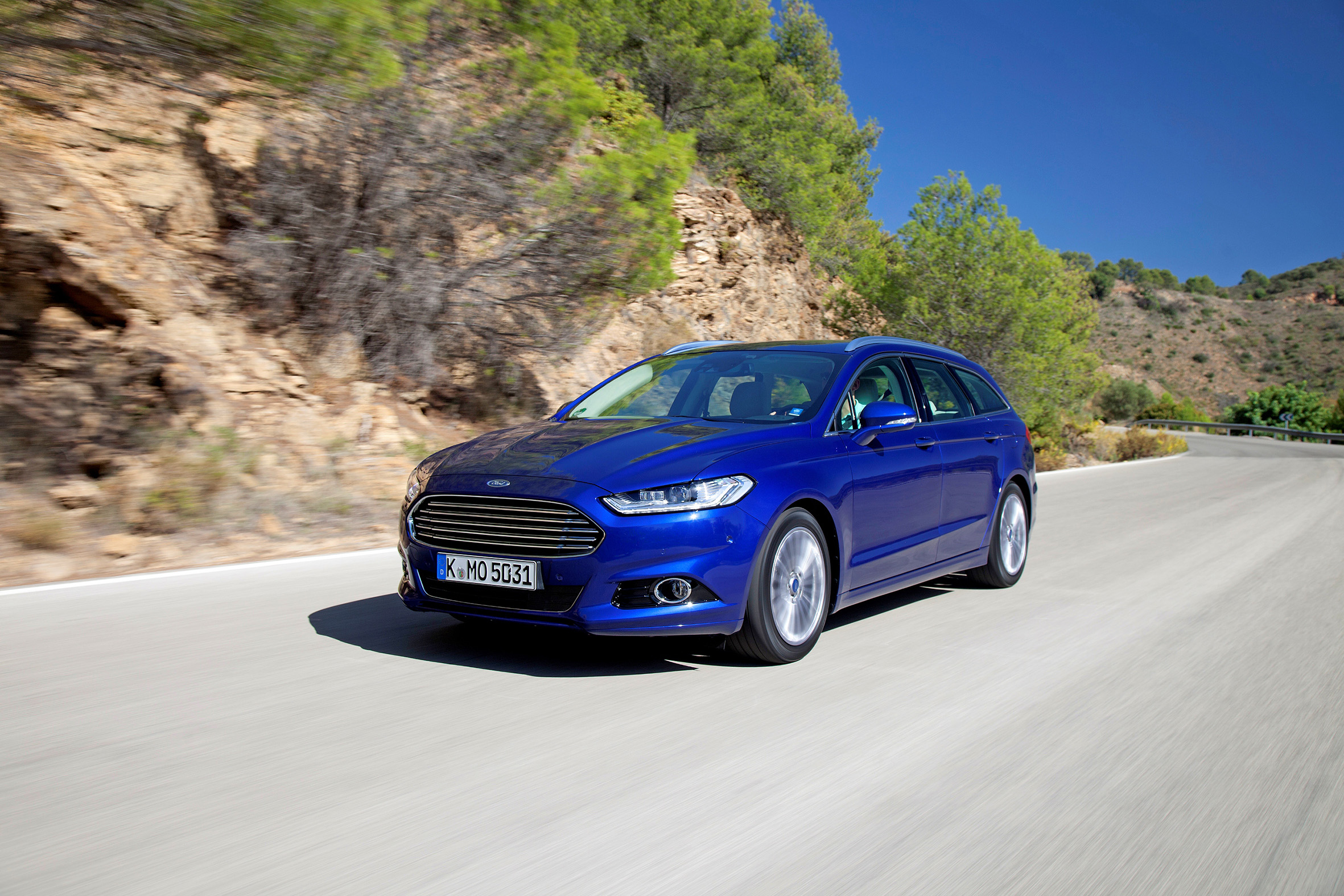
Which years should you avoid
For the MK3, examples from before 2003 are less recommendable because of the poorer material quality of the dashboard and the absence of the improvements from the facelift. Early automatic gearboxes also perform less smoothly than later Durashift versions.
For the MK4, the first production years 2007 and 2008 are considered less reliable because of initial problems with the new platform. The electronic systems show more faults in this period. Prefer models from 2010 onwards, when the teething troubles had been resolved.
The MK5 has no specific problem years, but early hybrid examples from 2014 and 2015 carry a higher risk of battery problems because of the age of the cells. Used cars from 2017 onwards offer better assurance of hybrid system lifespan.
On the Carnews website you will find extensive information on many more Ford models and their specific characteristics. Discover which car best suits your situation and read up on maintenance advice for different makes and types.
Frequently asked questions
The Mondeo III mainly offered naturally aspirated petrol engines and early diesels (such as the 2.0 TDdi), with reasonable performance but clearly less efficient than later generations. The Mondeo IV came with more modern petrol and diesel engines (for example the 2.0 FFV with 145 hp) that are both more powerful and more economical than in the III, giving it a better balance between performance and fuel use. The Mondeo V introduced downsized turbo petrol engines (1.0, 1.5, 2.0 EcoBoost) and especially the 2.0 Hybrid (around 187 hp), which in terms of acceleration is comparable with the stronger petrol engines of the IV but drives significantly more efficiently. Overall, the range shifts from III→IV→V from simple, less economical engines to more powerful, quieter and above all much more economical (hybrid) powertrains.
Between generations III and V, the Mondeo has shifted from noticeably more direct, light-footed handling to a more refined, comfort-oriented set-up. Generation III is known for its sharp, direct steering behaviour and a relatively firm suspension feel. In generation V the focus is more on calmness, sound insulation and supple ride comfort, with a slightly less playful steering feel. As a result, the V feels more mature and comfortable, but less dynamic than the III.
In later Mondeo generations, advanced infotainment and control systems were added, such as the Human Machine Interface (HMI) with voice control, comprehensive navigation (NX) and later modern connectivity options. There were also luxury features such as adaptive cruise control, panoramic roof and various driver assistance systems. In terms of safety, systems such as Blind Spot Monitoring, Active Cruise Control and other assistance systems were introduced or refined. In addition, steering and braking systems (such as electro-hydraulic steering) were further developed for more control and stability.
For the Mondeo III there are points to watch around rust (particularly wheel arches and sills) and wear to suspension and steering components, which can increase maintenance costs over time. On the Mondeo IV, electronic systems (HMI, sensors, cruise, infotainment) and turbo/diesel engines are especially mentioned as areas to check carefully, because repairs can be expensive. In practice the Mondeo V is known as quite reliable, but with EcoBoost engines and the hybrid version extra attention to timely maintenance, the cooling system and (for the hybrid) the condition of the battery pack is important for predictable costs. Across all generations, well-documented maintenance (especially oil, timing components, turbo and brakes) is crucial to limit unexpected expenses.
For a car enthusiast looking for value in a used Mondeo, generation IV usually forms the best compromise between depreciation and equipment. This generation has now fallen sharply in price, but already offers modern options such as adaptive cruise control, Blind Spot Monitoring and a very spacious boot. Generation III is cheaper but clearly older in terms of safety and equipment, while generation V is often still more expensive to buy. That is why a well-equipped Mondeo IV (preferably with options such as HMI and safety assistants) generally offers the most “bang for your buck”.