Citroën Berlingo: the most common problems and what you need to know
The Citroën Berlingo is a practical MPV that is popular with families and business drivers thanks to its generous load space and flexible seating configuration. However, no model is completely without issues, and the Berlingo is no exception. From engine problems to electrical faults, certain defects crop up regularly and call for vigilance, especially when buying used. If you know the typical weak points of the different generations, you can avoid unpleasant surprises and expensive repairs.
Why insight into typical defects is valuable
If you are considering buying a Citroën Berlingo or already own one, knowing the most common problems helps you in several ways. When buying, you can specifically check for known weak spots and thereby create a stronger bargaining position. For current owners, this knowledge makes it possible to recognise warning signs early and act preventively. Smaller faults can often be avoided with proper maintenance, while with more serious defects you know what to watch out for. That saves not only money, but also a lot of frustration and downtime.
It is important to emphasise that not every Berlingo suffers from the same problems. The severity and frequency depend on factors such as year of manufacture, engine type, maintenance history and driving style. Yet certain patterns are clearly recognisable. For a complete overview of all known car problems in Citroën models, you can visit specialised pages.
‘ These newer models suffer less from mechanical problems, but the electronic systems need more attention. ’
Generations and their specific characteristics
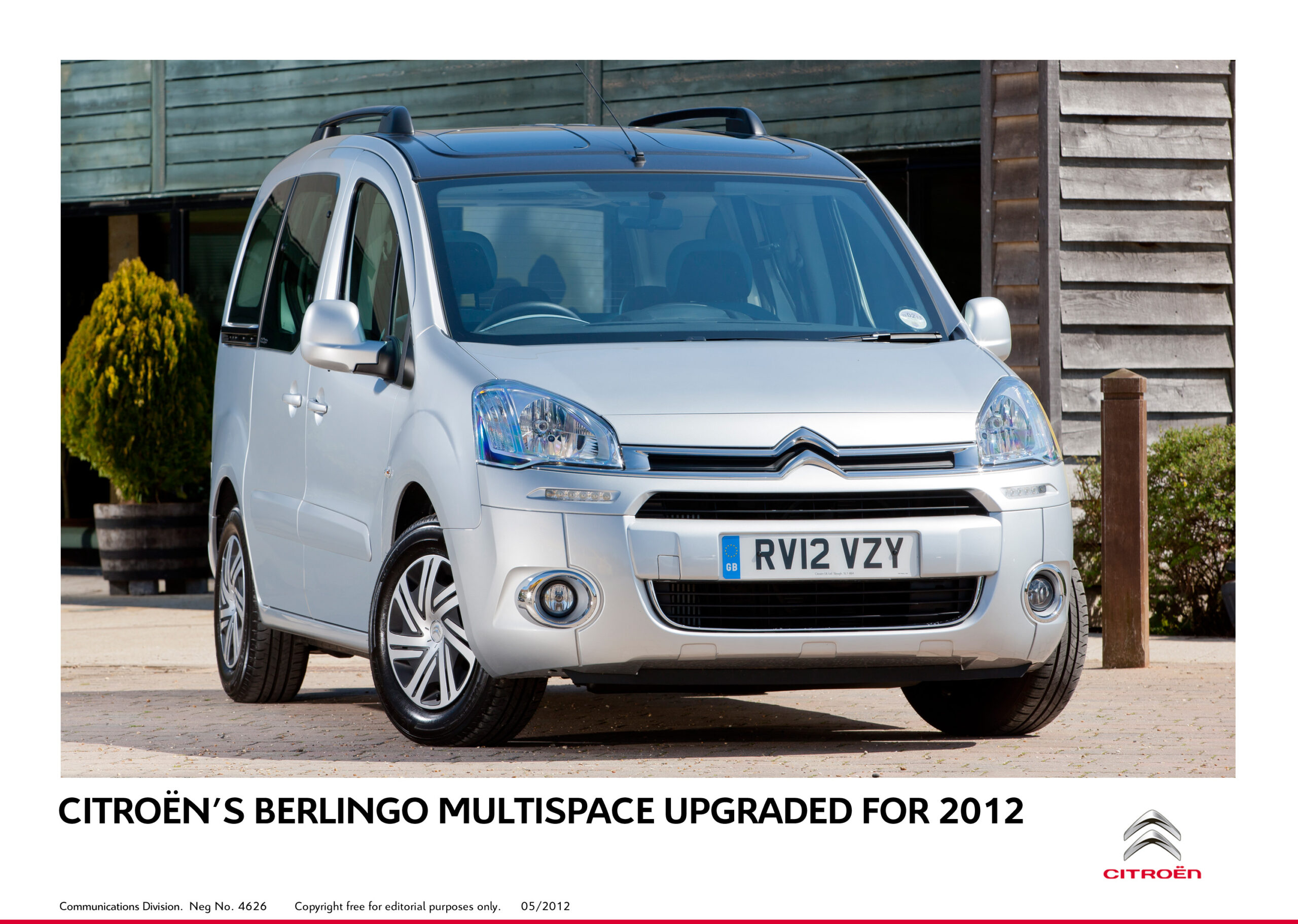
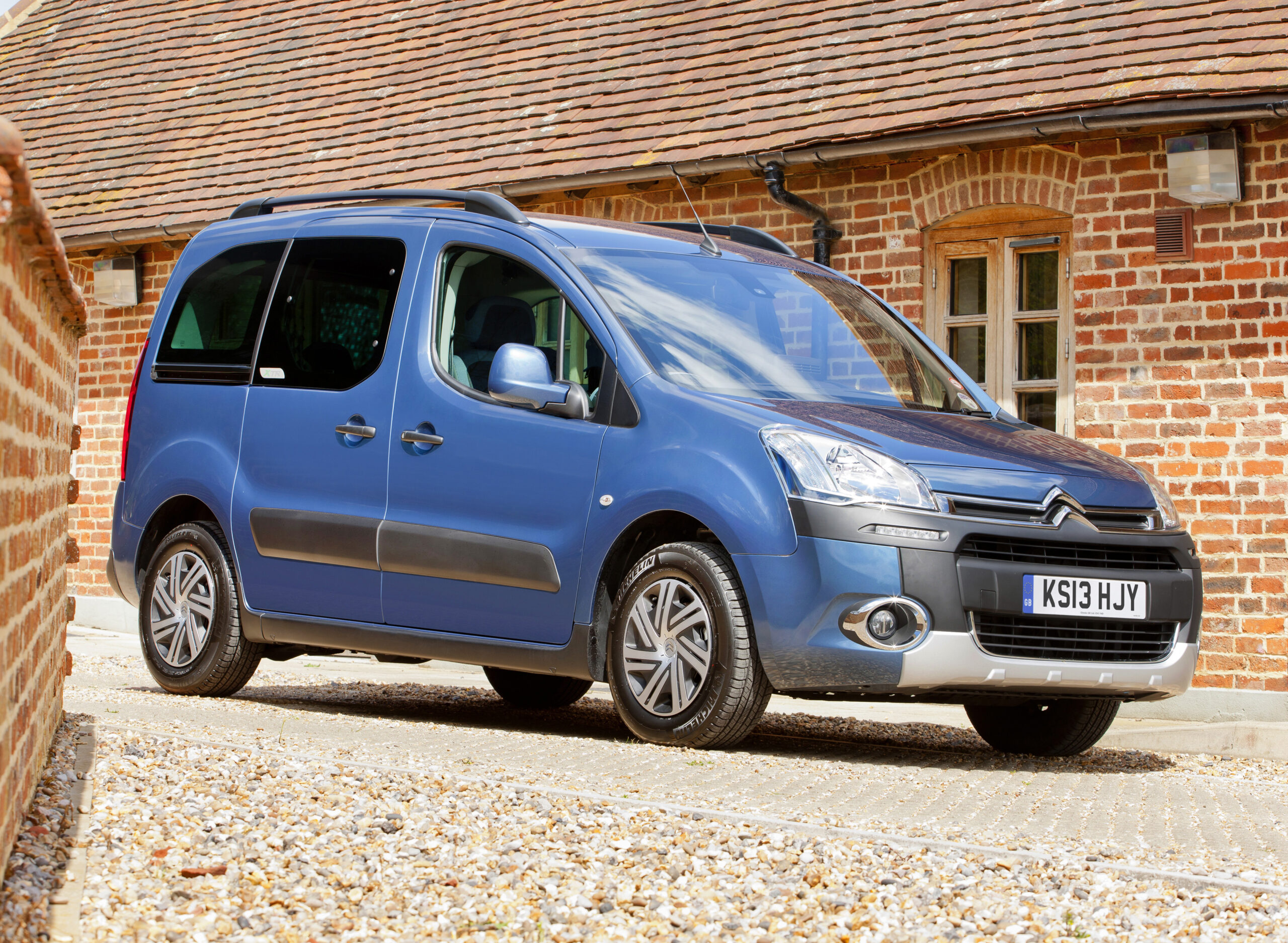
Since its introduction in 1996, the Berlingo has gone through several generations, and each model brings its own points of attention. The first generation (1996–2008) was simple and robust, but mainly suffered from rust problems and electrical issues. The second generation (2008–2018) introduced more modern engines such as the 1.6 HDi and THP, but with them also new technical challenges.
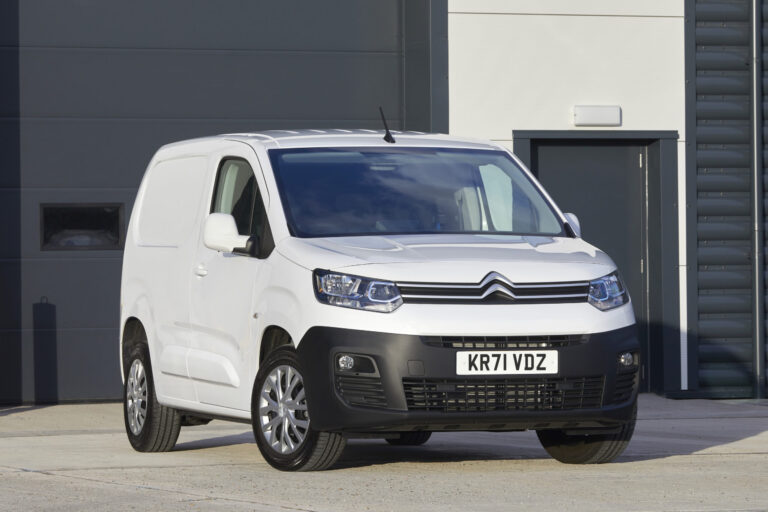
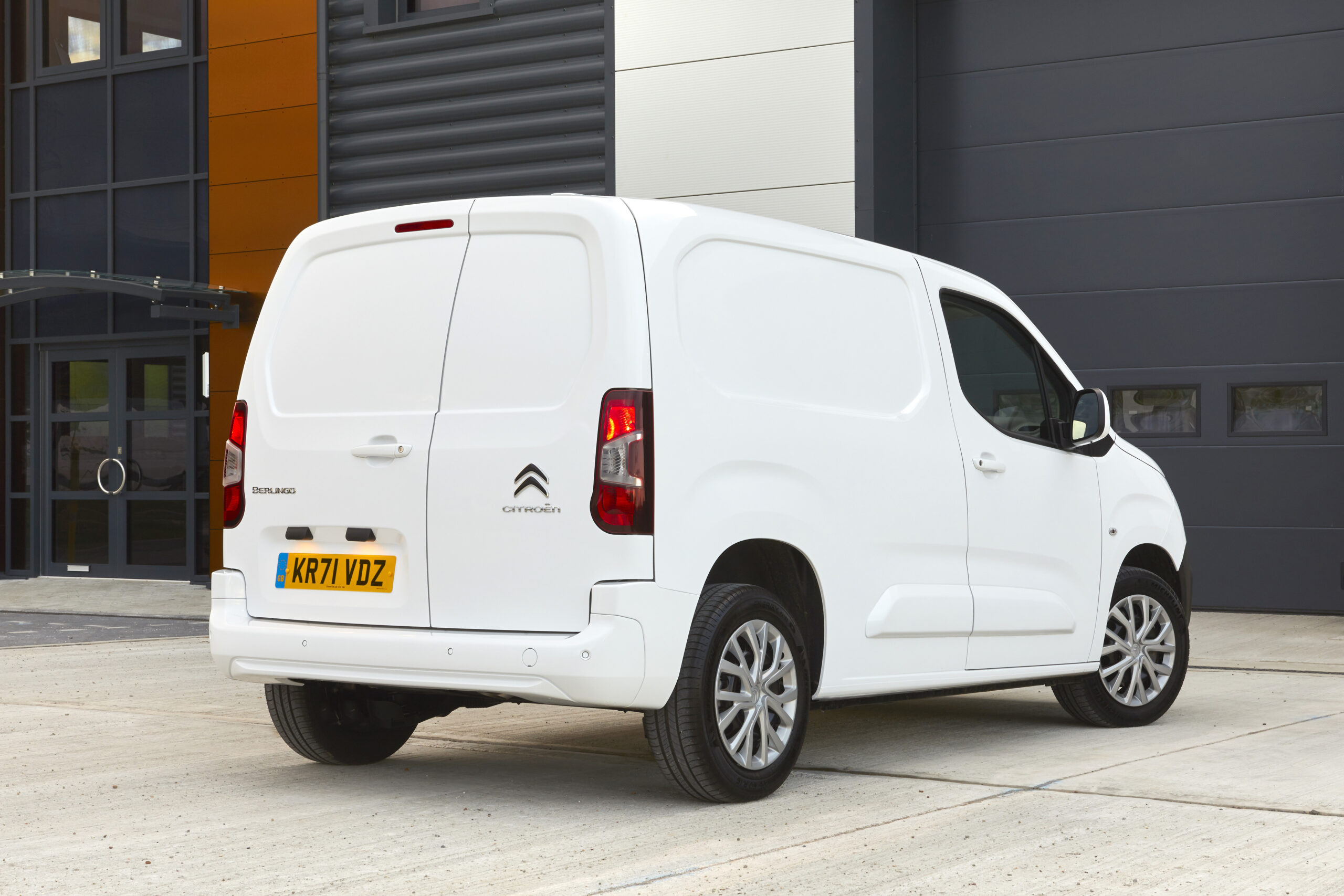
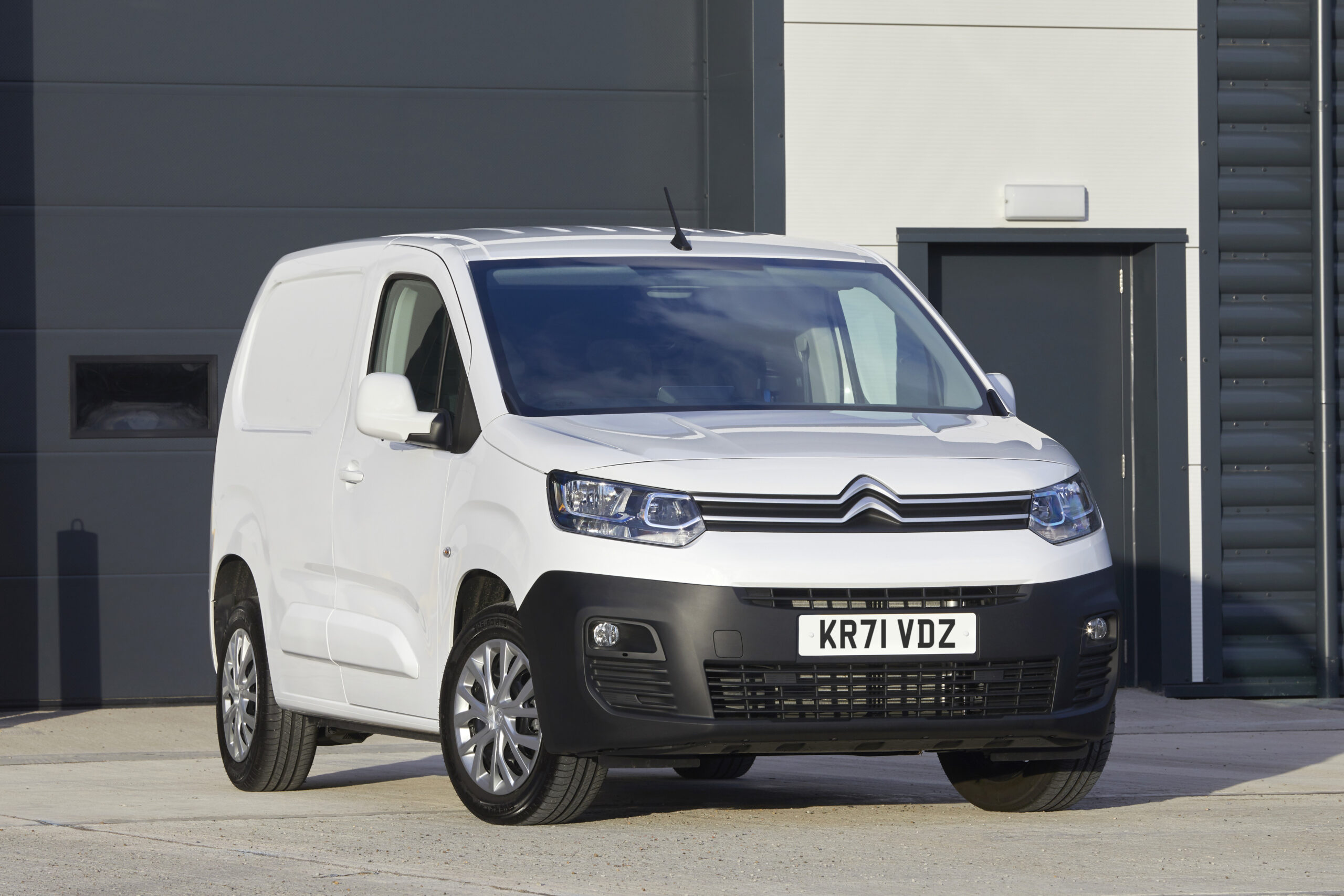
The third generation, introduced in 2018, offers contemporary technology with improved safety features and an electric variant. These newer models have fewer mechanical problems, but the electronic systems require more attention. Different lengths are available: the M model (4403 mm) and the XL model (4753 mm), with 3300 and 3900 litres maximum load space respectively.
Engines: where problems can arise
The 1.6 HDi diesel engine, fitted in many second-generation Berlingos, is known for specific weaknesses. The particulate filter often becomes clogged with frequent short urban trips, leading to loss of power and a warning light on the dashboard. Regeneration of the filter requires longer journeys at higher speeds, which does not always match how the car is used in practice.
In addition, turbocharger problems occur, especially in examples with more than 150,000 kilometres on the clock. Typical symptoms are whistling noises, blue-grey smoke from the exhaust and loss of power. A failed turbocharger needs to be replaced, which is an expensive repair.
The 1.2 PureTech petrol engine, used in newer models, in turn suffers from issues with the timing belt. This wet belt can wear prematurely if the oil level is low or the oil is contaminated, with the risk of serious internal engine damage. Therefore check the oil quality frequently and follow the prescribed service intervals strictly.
A few points to watch out for with engines:
- Particulate filter problems with short journeys
- Turbocharger wear at higher mileages
- Timing belt in PureTech engines
- Oil leaks in older diesel engines
Transmission and clutch: smooth shifting or complications
Manual gearboxes in the Berlingo are generally reliable, but with intensive use or high mileage problems sometimes arise. Owners occasionally report that gears are difficult to engage, especially second and third. This can indicate wear to the clutch or the synchroniser rings.
The clutch itself deserves extra attention in models with the more powerful diesel engines. With careless gear changes or frequent towing of heavy loads, the clutch wears more quickly. Symptoms include slipping when accelerating, a high biting point and juddering when changing gear. Replacing the clutch is labour-intensive and therefore costly.
Automatic gearboxes, such as the eight-speed EAT8 in the more powerful 1.5 BlueHDi 130 engine, usually perform well. That said, there are reports of jerky behaviour at low speeds or when pulling away from a standstill. Software updates resolve this in many cases, but sometimes sensor components need to be replaced.
‘ Modern Berlingos contain more and more electronics, which also brings additional vulnerabilities. ’
Electronic systems: invisible faults with visible consequences
Modern Berlingos contain more and more electronics, which also brings additional vulnerabilities. The BSI unit, the central control unit for electrical functions, can fail. This results in all kinds of strange phenomena: flashing dashboard lights, non-functioning wipers, starting problems or a completely dead car.
Problems with sensors also occur. The parking sensors regularly give false signals due to dirt or moisture ingress. The air conditioning sensor sometimes fails, which means the climate control does not function properly. The lambda sensor can also fail in older diesel engines, leading to higher fuel consumption and worse emissions.
The infotainment system in some examples shows software issues: the screen freezes, Bluetooth connections drop out or the system responds slowly. Dealer software updates solve many complaints, but hardware replacement is sometimes still necessary.
Chassis and brakes: putting safety and comfort to the test
The Berlingo’s chassis is solidly built, but certain components are prone to wear. The front control arms, especially the rubber bushes, wear when the car is used intensively or driven on poor road surfaces. This leads to rattling noises over bumps and reduced road holding. Replacement is necessary as soon as play becomes noticeable.
Wheel bearings can fail over time, especially at the rear. Recognisable symptoms are droning noises that increase with speed and vibrations in the steering wheel. Do not ignore this, as a failed wheel bearing has a direct impact on safety.
The braking system is generally reliable, but brake discs and pads wear faster with frequent short journeys and urban use. Check the brake components regularly, especially in older examples. In some Berlingos with an electronic parking brake, faults occur in the actuator, which can lead to a locked or non-functioning parking brake.
Bodywork and interior: small irritations and practical concerns
The Berlingo is known for its space and practicality, but the interior material quality is not always high-grade. Some plastics feel cheap and creak or rattle over uneven road surfaces. The centre console and dashboard panels can come loose, especially in older examples.
Water leaks are a recurring issue, particularly around the rear doors and roof rails. When buying, check for damp patches in the carpets, especially in the load area. Moisture leads to rust and mould, which is bad for both health and residual value.
The sliding doors, a practical feature of the Berlingo, can show mechanical wear after heavy use. Problems closing, creaking noises or a door that does not latch properly point to wear of the guide rails or locking mechanisms. Lubricating them regularly extends their service life.
Overview of interior problems:
- Rattling dashboard components
- Water leaks at doors and roof rails
- Wear in sliding door mechanisms
- Cheap plastics that scratch easily
‘ Overheating causes serious engine damage. ’
Prevention and maintenance: keeping your Berlingo trouble-free
Many problems with the Citroën Berlingo can be prevented or reduced with correct and timely maintenance. Follow the prescribed service schedule strictly, especially for diesel engines with a particulate filter. Longer motorway journeys help to keep the filter clean and prevent problems.
Check the oil level and engine oil quality regularly, especially with PureTech petrol engines. Replace the oil on time to minimise timing belt wear. Also keep an eye on the coolant level and the condition of the cooling hoses; overheating causes serious engine damage.
Inspect the chassis at least once a year for wear to control arms, wheel bearings and brake components. Replace rubber bushes as soon as play is noticeable. Lubricate the sliding doors regularly and check the bodywork for water leaks or rust, especially after winter.
Make use of software updates at the dealer to prevent electronic faults. If you see strange dashboard warnings or experience starting problems, have the BSI unit and battery checked. A weak battery puts unnecessary strain on electrical systems.
Checklist for the prospective used buyer
If you are thinking of buying a used Citroën Berlingo, pay attention to the following points during the inspection and test drive:
- Check the complete service history, especially for diesel engines with a particulate filter
- Ask about the condition of the timing belt on PureTech engines
- Test all electronic functions: windows, lights, infotainment, air conditioning
- Inspect the load area and carpets for damp patches and rust
- Listen for unusual noises when accelerating and changing gear
- Check the operation of the sliding doors and tailgates
- Take a test drive on the motorway and in town to assess engine behaviour
- Watch out for dashboard warnings and ask for a diagnostic scan at a garage
- Inspect chassis components for rust, oil leaks and wear
If you are unsure about the technical condition, call in an independent garage for a thorough inspection. This costs a few dozen euros, but can save you potentially thousands of euros in unpleasant surprises later on.
The Berlingo as a considered choice
The Citroën Berlingo is a popular choice for anyone looking for space, practicality and sharp pricing. The MPV offers up to 3900 litres of load capacity in the XL model, flexible seating configurations and several engine options, from frugal diesels to electric powertrains. That said, certain problems do occur regularly, particularly with the 1.6 HDi diesel engine and the 1.2 PureTech petrol engine.
Electronic faults, BSI issues and wear in chassis components also demand attention. Water leaks and interior rattles are less critical, but they do affect driving comfort and long-term value. With targeted checks at purchase and consistent maintenance, you can prevent many problems or tackle them at an early stage.
Making a considered choice for the Berlingo means weighing up the practical advantages against the known points of attention. Owners who carry out regular maintenance and stay alert to early warning signs can enjoy a reliable and versatile car for many years.