Citroën C2: compact Frenchman with character and teething troubles
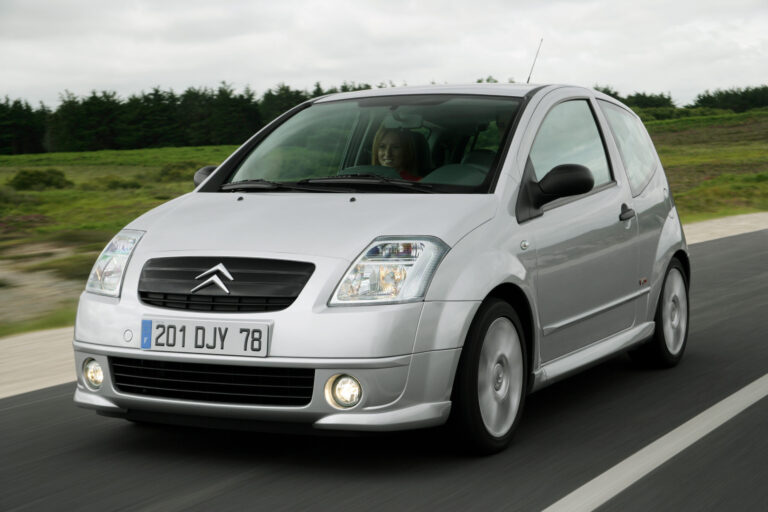
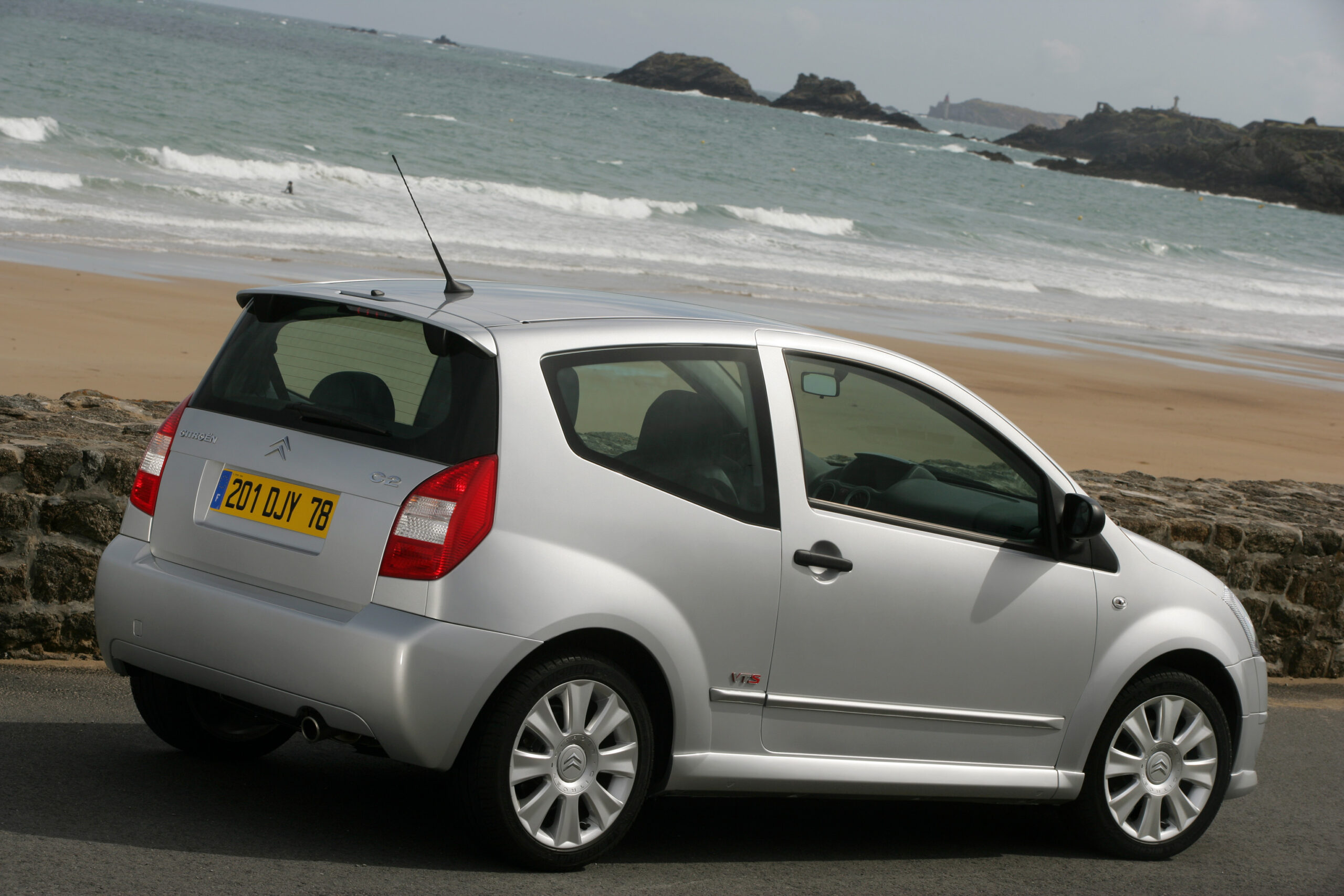
The Citroën C2 is a compact three-door city car that bridged the gap between the popular Saxo and the more modern C series between 2003 and 2009. Its dimensions make it very manoeuvrable: just 3.66 metres in length. The sporty VTS version (the performance model with extra power) attracted both city dwellers and enthusiastic drivers at the time. But the C2 also has another side: owners regularly report problems with the electronics, the quirky SensoDrive transmission and various engine-related issues. Are you considering buying a used C2, or are you already struggling with faults? Then it’s wise to know exactly where the weak spots lie.
Why the C2 still turns heads
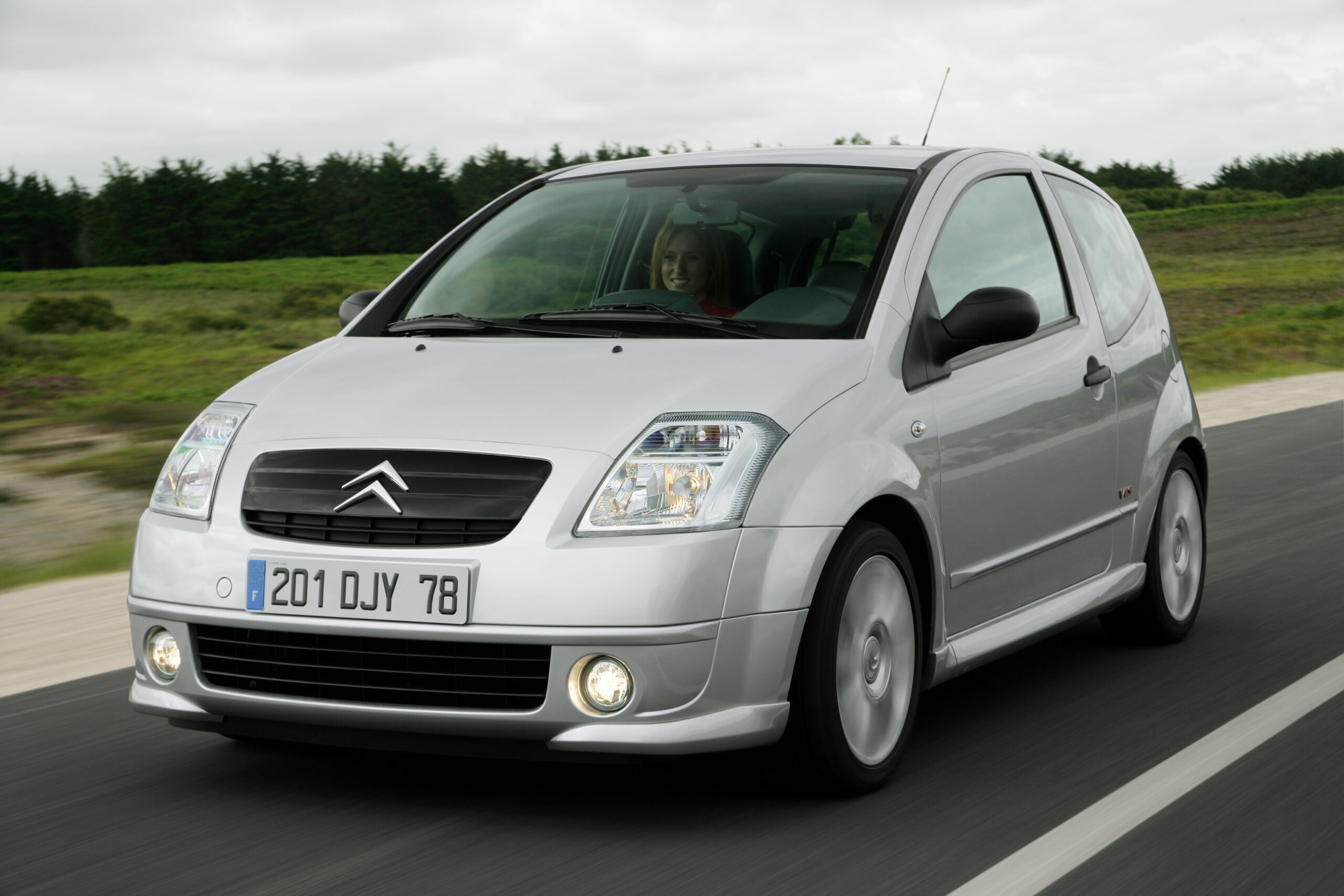
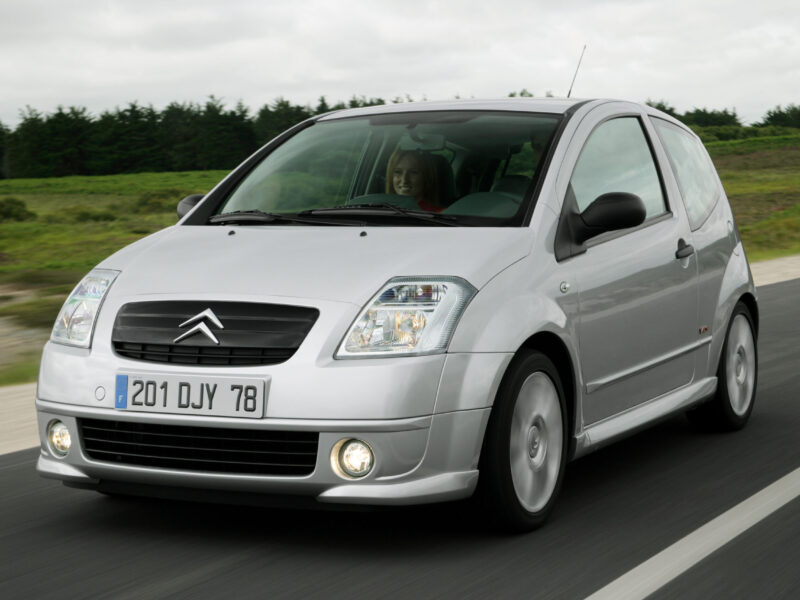
The compact dimensions of the C2 make it an ideal city car. It fits into almost any parking space: 3,666 millimetres long, 1,659 millimetres wide and 1,474 millimetres high. The low weight of 1,040 to 1,100 kilograms gives it a brisk driving character that’s better than you’d expect from a city car.
The engine range offers options for different needs. The 1.1-litre petrol engine delivers 60 bhp, the 1.4-litre version produces 76 bhp, and the 1.4 HDi diesel (High Pressure Diesel Injection, Citroën/PSA’s diesel engine type) offers 68 bhp with consumption of just 4.2 litres per 100 kilometres. For sportier drivers, Citroën introduced the VTR (the sporty version with 110 bhp) and the top-of-the-range VTS with 123 to 125 bhp. The latter gets its power from an optimised 1.6-litre sixteen-valve engine. It sprints from 0 to 100 kilometres per hour in 8 seconds and has a close-ratio five-speed manual gearbox.
Even so, the C2 was deliberately kept less extreme than the earlier Saxo VTS. Citroën opted for a more insurance-friendly profile, which improved everyday usability but appealed less to hardcore hot-hatch fans.
‘ Car problems with Citroën are common in models from this era, and the C2 is no exception. ’
The well-known challenges of the Citroën C2
A used C2 can be an affordable and nimble car, but virtually every component has its own vulnerabilities. Car problems with Citroën are common in models from this era, and the C2 is no exception. Electronics, transmission, engine and chassis all have their own specific points to watch.
It’s not the case that every C2 suffers from all these issues. However, it is important to be extra alert, both when buying and maintaining the car, to the parts known as weak links. Many faults can be prevented or detected early with the right checks.
Engine troubles under the bonnet
The C2’s petrol engines suffer from a range of common faults. Ignition coil failures are a recurring problem, especially on the 1.4-litre and 1.6-litre engines. A defective coil causes vibrations, loss of power and an irregular idle. It’s best to replace all coils at the same time to prevent repeat failures.
Over time, the EGR valve becomes clogged with soot. This leads to poor starting, higher fuel consumption and a hesitant engine at low revs. Cleaning can help temporarily, but in cases of severe contamination replacement is necessary. The mass airflow sensor and lambda sensor are also prone to faults. Symptoms include irregular engine behaviour, increased consumption and warning lights on the dashboard.
On the 1.4 HDi diesel engine, problems with the turbo and injection systems are known. Owners regularly report clogged diesel particulate filters (DPF, which traps soot particles in the exhaust), especially when the car is used mainly for short city trips. Have the DPF regenerated or replaced in good time to prevent expensive engine damage.
The infamous SensoDrive: transmission problems explained
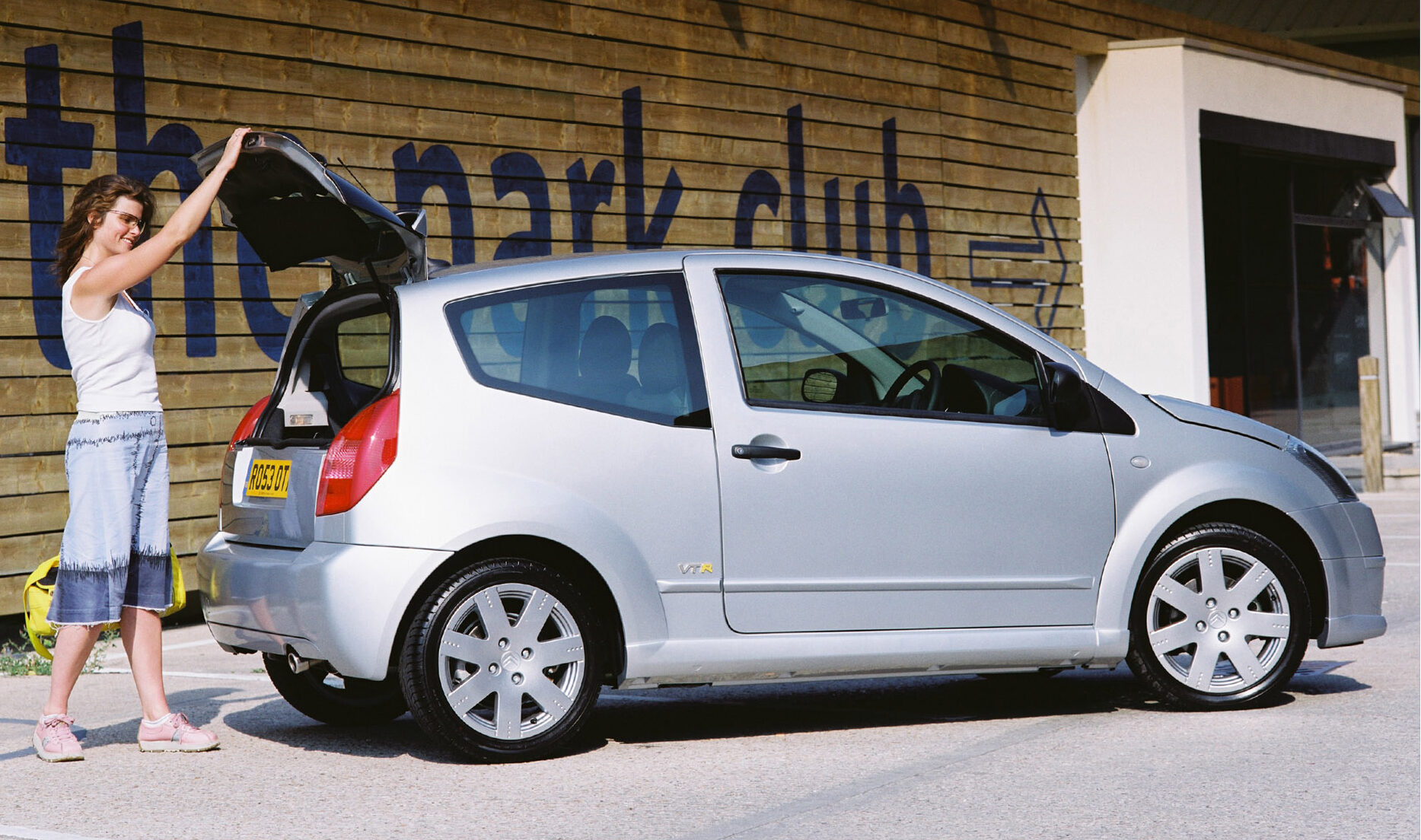
The semi-automatic SensoDrive transmission (Citroën’s clutchless gearbox) is one of the most talked-about components on the C2 VTR. This five-speed gearbox shifts via electric actuators and an automated clutch. In theory it’s convenient, in practice it is regularly a source of irritation.
The actuators that operate the gearchanges and the clutch fail over time. This manifests itself in jerky gear changes, refusal to engage certain gears or complete failure of the transmission. Replacement is expensive, often between 800 and 1,500 euros including labour.
The clutch sensor and position sensor also sometimes fail. Symptoms include error messages on the dashboard, jerky pull-away and the gearbox being stuck in a single gear. The transmission fluid should be changed according to the schedule, but this is often forgotten. Dirty or insufficient fluid accelerates wear on internal components.
Many owners report slow shifting behaviour and jerky movements in urban driving. This is partly inherent to the system, but can worsen as components wear. Are you considering a C2 with SensoDrive? Then test it thoroughly at different speeds and pay close attention to strange noises and jolts during gear changes.
Problems with the manual gearbox
The five-speed manual gearbox is generally more reliable than the SensoDrive, but it too has its issues. Worn clutch cables cause a heavy or spongy clutch pedal. The clutch itself can also show wear after 100,000 to 150,000 kilometres, depending on driving style and maintenance.
Gear cables sometimes seize up or snap over time. Gears then become difficult or impossible to engage. The fourth and fifth gears in particular are prone to wear of the synchroniser rings, which causes grinding noises when shifting.
‘ This unit is sensitive to moisture and corrosion. ’
Electronics and comfort: faults in the interior
The BSI unit (Boîtier de Servitude Intelligent, the central electronic control unit) is the electronic heart of the C2 and controls almost all electrical functions. This unit is sensitive to moisture and corrosion. That leads to all sorts of strange faults: flickering dashboard lights, failing central locking, electric windows that stop working, or even a car that will no longer start.
Water damage caused by leaking windows or a blocked drain near the wipers makes these problems worse. Have the BSI unit checked if in doubt and replace it if necessary. Refurbished units are a cheaper alternative to a new one, but do need to be reprogrammed by a specialist.
Electric windows often get stuck or work slowly. This is usually due to worn guides or a faulty window motor. The central locking also sometimes plays up: doors that no longer open remotely, or locks that spontaneously lock themselves while driving.
Dashboard lighting partly fails due to defective LEDs or loose connections. The lighting of buttons and switches can also be intermittent. This is more of an annoyance than a safety problem, but is still awkward and costly to repair.
Chassis and steering: discomfort on the road
The C2’s chassis is set up for a sporty feel, especially on the VTS version, but there are several wear-prone parts. Ball joints wear out after 80,000 to 120,000 kilometres. You can hear this as knocking or rattling noises over bumps and when turning the steering wheel.
Control arms and bushes also wear. Worn bushes give vague steering feel and increased tyre wear. Have the control arms and ball joints replaced as soon as there is play or noise. This prevents further damage to the suspension and improves road holding.
Anti-roll bar links and their bushes start making rattling or clicking noises over bumps as time goes by. This is most noticeable at low speed and in tight bends. Replacing the bushes and, if necessary, the links is relatively simple and affordable.
The electric power steering occasionally develops faults. Symptoms include a heavy or, conversely, extremely light steering feel, or a warning light on the dashboard. This is often caused by a defective power steering motor, the torque sensor or electrical contacts. Diagnosis with a diagnostic computer is necessary to identify the exact cause.
Brakes and safety: points to watch
The C2’s brakes are generally robust, but do experience normal wear. Brake discs and pads usually need replacing every 40,000 to 60,000 kilometres, depending on driving style and conditions. Watch out for vibrations when braking, which may indicate warped discs.
ABS sensors (anti-lock braking system) and ESP sensors (electronic stability programme) often fail due to dirt, corrosion or mechanical damage. This leads to warning lights on the dashboard and deactivated driver assistance systems. Clean the sensors regularly and replace them if error messages persist.
Rear wheel cylinders sometimes seize, especially on cars that are rarely used or frequently driven in salty conditions. This causes uneven braking and wear. Check the brakes annually and have the brake fluid changed every two years.
‘ The interior finish is functional but not particularly high in quality. ’
Bodywork and interior: minor annoyances
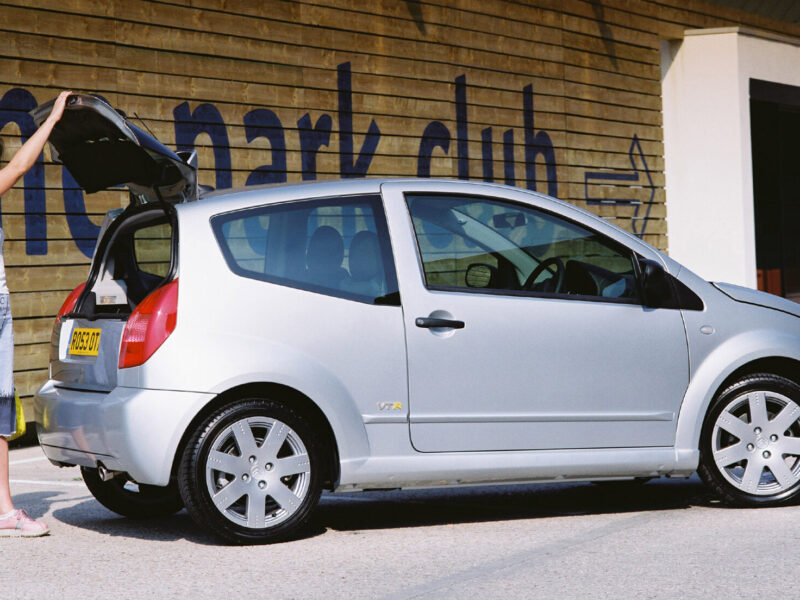
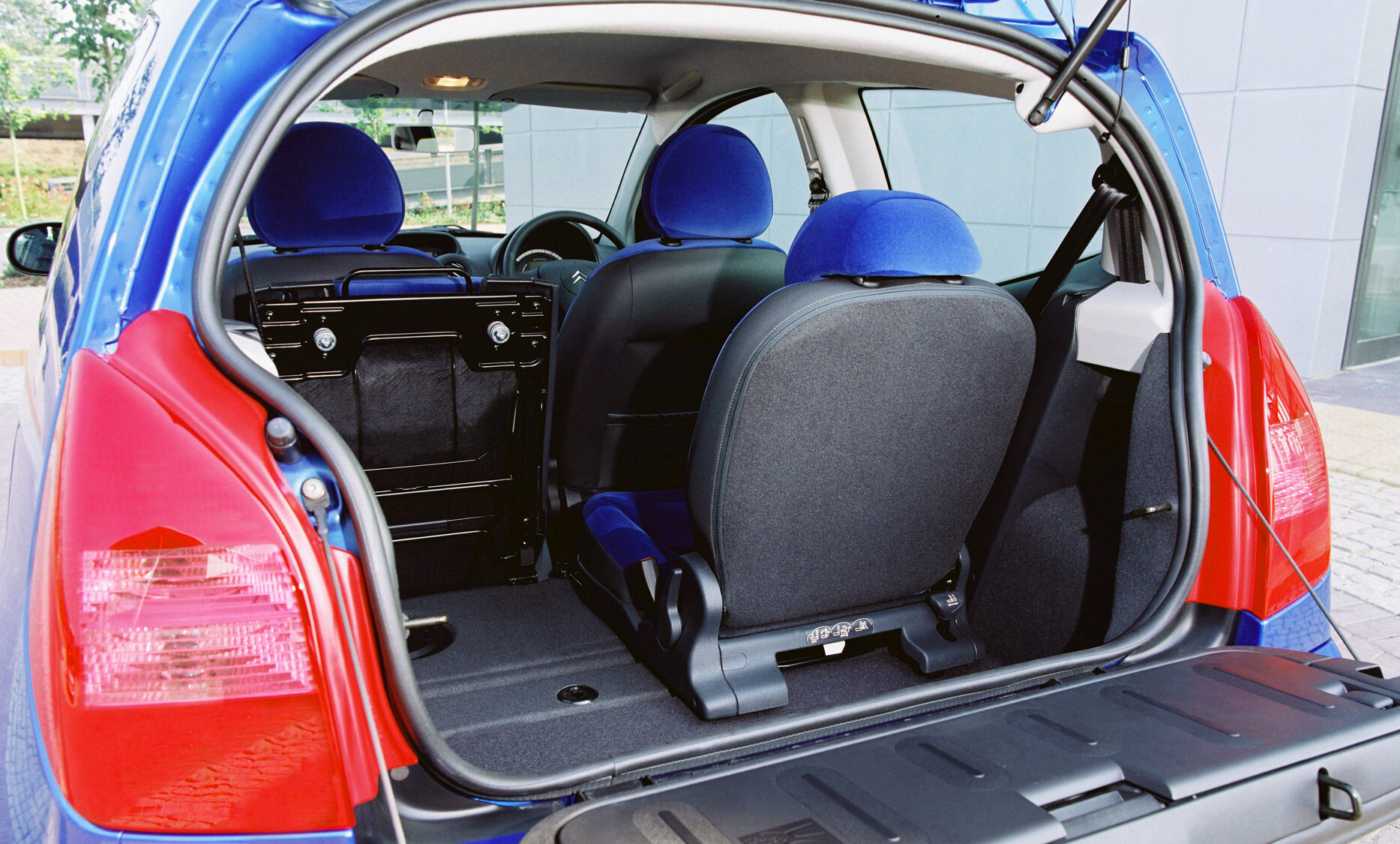
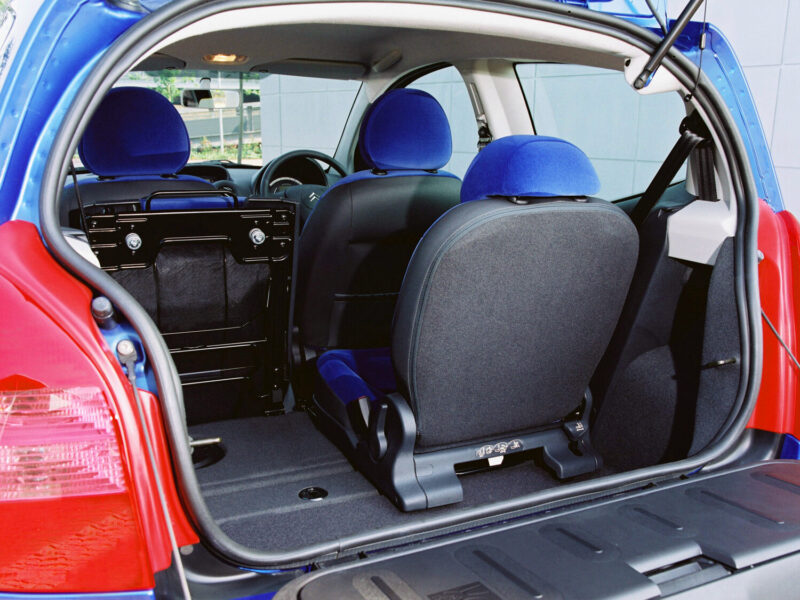
The split tailgate of the C2 is a distinctive design feature, but the mechanism sometimes causes problems over time. Hinges start to rust, gas struts lose their strength and the locking mechanism seizes. This results in a tailgate that doesn’t close properly or is difficult to open.
Water leaks occur around the windscreen and tailgate. Water enters via aged seals and blocked drain holes. This causes damp problems in the interior and condensation on the windows. In the worst case, electrical faults occur via the BSI unit.
The interior finish is functional but not particularly high in quality. Plastic parts start creaking and coming loose after years of use. Seat upholstery wears on the sides and on the driver’s seat. The trim on the steering wheel and gear lever also shows wear marks on older examples.
Rust is generally limited, but still check the wheel arches, sills and the bottom of the doors. The split tailgate can also show rust spots around the hinges and along the lower edge.
Maintenance and prevention: how to keep your C2 in top condition
Regular maintenance keeps a C2 reliable. Follow Citroën’s maintenance schedule and have servicing carried out at a garage familiar with French cars. Replace oil and filters according to the schedule, preferably a little more often if the car is used intensively in town.
Pay extra attention to the following points during services:
- Check the ignition coils and replace them at the first signs of misfires
- Clean or replace the EGR valve in good time
- Test the operation of the SensoDrive actuators and sensors
- Inspect the BSI unit for signs of moisture and check the electronics
- Check ball joints, control arms and anti-roll bar links for play
- Change the brake fluid every two years
- Check drain holes and seals for leaks
Regularly drive the diesel version over a longer distance on the motorway to regenerate the DPF. This prevents clogging and costly repairs. The SensoDrive also benefits from a regular reset procedure via the diagnostic computer.
Buying advice: checking a used C2
Thinking of buying a used C2? Take your time for a thorough inspection. Start with a test drive in which you try all gears, including when starting from cold. On a SensoDrive version, pay extra attention to jolts, slow shifting and error messages.
Check the following points before purchase:
- Request the complete maintenance record and check that the service history is complete
- Test all electrical functions: windows, central locking, lighting and dashboard instruments
- Listen for unusual engine noises, vibrations and irregular idling
- Check that the boot lid closes properly and inspect for rust
- Inspect the wheel arches, sills and bottom of the doors for rust
- Test the power steering for normal feel and absence of warning lights
- Drive over bumps and listen for knocking or rattling from the suspension
- Check the braking performance for vibrations or uneven behaviour
Unsure about the condition of the car? Then have an independent garage carry out an inspection. That helps to avoid hidden defects and expensive surprises after purchase. Be particularly wary of cars with low mileage but incomplete maintenance. This can indicate overdue servicing and emerging problems.
Prefer a C2 with a manual gearbox if you want to avoid SensoDrive issues. The VTS with manual gearbox is generally more reliable than the VTR with SensoDrive. For fuel economy and lower maintenance costs, the 1.4 HDi diesel is a good choice, provided you regularly drive longer distances.
‘ At the same time, the C2 requires targeted attention to its weak points. ’
The Citroën C2 demands attention but offers value for money
The C2 remains a compact, agile city car with sporty potential in the VTS version. The small dimensions, low weight and choice of economical and more powerful engines make it versatile in everyday use. Handling is direct and the compact size is ideal for busy cities and tight parking spaces.
At the same time, the C2 requires targeted attention to its weak points. The SensoDrive transmission, BSI unit, ignition coil failures and chassis components are well-known problem areas that demand regular maintenance and sometimes costly repairs. With the right knowledge and proactive maintenance, however, a C2 remains an affordable and practical car.
If you buy a used C2, do thorough research beforehand and insist on a complete maintenance history. Be prepared to give regular attention to the electronics and transmission, and budget for preventive maintenance. Then you can enjoy this characterful French city car for many years to come.