
Citroën C3: common problems you need to know about
The Citroën C3 is a popular compact city car with a practical design and modern equipment. However, many owners and potential buyers have questions about the reliability and common technical problems of this model. This article provides a clear overview of the main points to watch out for, from engine issues to electronic faults. It shows where the C3 is vulnerable when it comes to maintenance or purchase.
The Citroën C3 has had a mixed reputation in terms of reliability across different generations. Anyone considering buying a used C3 would be wise to know the typical weak points of this model. Owners who experience complaints often recognise their problems in well-known patterns. The right knowledge allows early detection of issues. This prevents costly repairs.
Reliability varies by generation
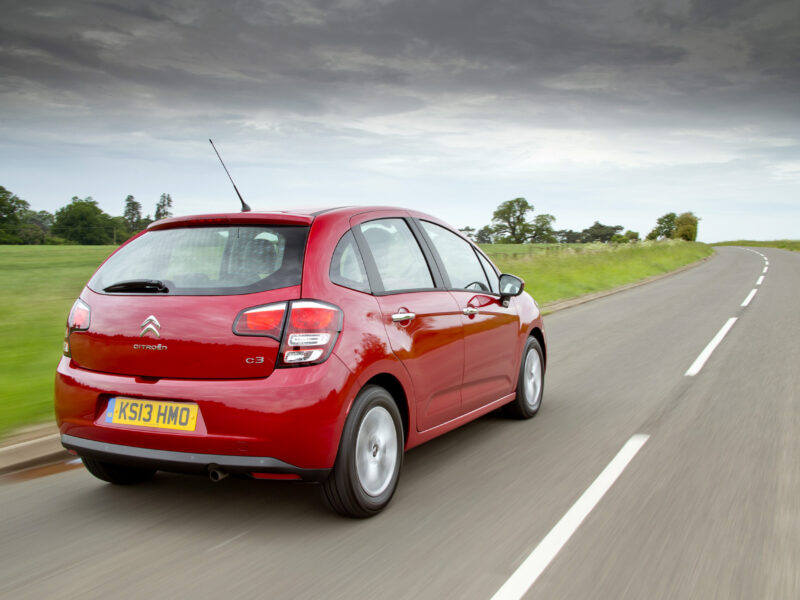
The C3 has been on the market in several generations since 2002. The first generation (2002–2010) generally has a reasonable reputation. Older examples are now starting to suffer from age-related issues such as rust and worn suspension. The second generation (2010–2016) is rated inconsistently by owners. These models suffer from several technical problems. The weak points are mainly in the areas of electrics and transmission.
From 2016 onwards, the third generation C3 appeared with a modern design and advanced technology. This version is offered with the controversial PureTech engine. Worldwide, this engine is at the centre of much debate because of serious engine problems. The newer models also suffer from electronics-related complaints. This puts pressure on their reliability score. In recent years, Citroën has introduced the C3 with mild hybrid and fully electric powertrains. The long-term reliability of these versions has yet to be proven.
‘ The 1.2 PureTech engine, available in several power outputs, is the most talked-about problem of the modern Citroën C3. ’
PureTech engine: timing belt and oil consumption cause headaches
The 1.2 PureTech engine, available in several power outputs, is the most talked-about problem of the modern Citroën C3. This three-cylinder petrol unit is known for severe engine damage. This damage is caused by a defective wet timing belt. This belt runs in the engine oil. If maintenance is lacking or the belt wears, it starts to disintegrate. The consequences are disastrous: fragments of the belt clog the oil supply. This leads to oil consumption, valve damage and complete engine failure.
C3 models built between 2014 and 2020 are particularly at risk of this problem. In some cases, Citroën has carried out recalls and adjusted maintenance intervals. Many owners complain, however, that the issues keep returning. Symptoms of a failing timing belt include:
- Increasing oil consumption without visible leaks
- Rattling noises when starting or at low revs
- Metal particles in the engine oil on inspection
- Oil pressure warning light on the dashboard
Besides the timing belt, the PureTech engine also suffers from consistently high oil consumption. Owners top up several litres of oil between services. This consumption is caused by worn piston rings or problems with the turbo. Check the oil level regularly. Do you drive a C3 with this engine? Have the condition of the timing belt checked at every service. Replace the belt preventively at around 80,000 kilometres.
Transmission problems: hesitant and jerky gear changes
Both the manual and automatic gearboxes of the C3 have their own sets of issues. The manual versions, especially the five-speed gearboxes in older models, are known for stiff shifting. Gears can be difficult to engage, particularly second and third. The problem is caused by worn clutch components. A failing clutch cylinder is often to blame.
The automatic gearbox, available as EAT6 in newer models or ETG in older versions, also frequently gives cause for complaints. The ETG is essentially a robotised manual gearbox. It tends to change gears rather jerkily. This is especially noticeable at low speeds and in city traffic. Some owners experience delayed response when pulling away. Unexpected downshifts also occur.
The EAT6, a more conventional six-speed automatic, performs better. Over time, however, this gearbox can suffer from software problems. Symptoms of this include:
- Hesitation when shifting or shifting too early
- Warning messages about transmission problems on the display
- Skipping gears or getting stuck in one gear
A software update at the dealer helps to resolve these issues. Many electronics-related complaints can be fixed this way. Always have transmission complaints checked immediately. Delaying repair leads to greater damage to the gearbox. When buying a used C3 with an automatic, it is wise to carry out extensive testing. Test the gearbox in the city. Also test it on the motorway.
Electronic faults and sensors that misbehave
The Citroën C3 is equipped with modern electronics. Modern technology also brings vulnerability. Owners regularly report problems with the infotainment system. The touchscreen freezes, responds slowly or restarts on its own. Connectivity with Apple CarPlay and Android Auto is sometimes problematic too. Loss of signal and unstable connections are common. This is the result of software bugs. Software updates usually resolve these bugs.
Various sensors and electrical components generate faults. This happens quite often. The most common complaints involve:
- Parking sensors that give false alarms or do not work
- Reversing camera showing a black screen or freezing
- Air-conditioning faults, where it no longer cools or makes strange noises
- Problems with the start button and keyless entry, meaning the car will not start
- Lighting that fails, such as LED rear lights or fog lights
These problems are often caused by loose connectors. Oxidation in electrical connections is another common cause. When you experience issues, first check that all plugs are firmly connected. Also check that they are free from moisture. Software updates resolve many electronics-related problems. Contact the dealer if electronic faults keep coming back.
‘ Continuing to drive with broken components causes further damage to other parts. ’
Chassis and suspension: noises and wear
The C3’s suspension is designed for comfort. In practice, this means components wear relatively quickly. Owners regularly report creaking or knocking noises from the front end. This mainly happens when driving over bumps or when steering. It often points to worn anti-roll bar links, bushes or control arm bushes. These components are subject to normal wear and tear. Over time they need to be replaced.
The shock absorbers also tend to show signs of wear after around 80,000 to 100,000 kilometres. Symptoms include a sagging body, poor road holding and increased body roll in corners. Replace shock absorbers in good time. This safeguards driving comfort. It also protects safety.
Some owners complain about strange noises from the rear axle. This points to worn wheel bearings. This problem is more common on cars that have done a lot of short journeys or city driving. If you notice noises, always have the suspension checked. Continuing to drive with broken components causes further damage to other parts.
Other points to watch: brakes, air con and interior
Besides the major technical problems, there are a few smaller but common complaints that are worth mentioning. The brakes of the C3 sometimes wear prematurely. This is especially true of models that are used mainly in the city. Regularly check the thickness of the brake pads and discs. This helps avoid costly repairs.
The air conditioning often gives complaints about poor cooling performance. Possible causes are a leak in the system, a blocked condenser or a failing compressor. Have the system checked and refilled annually. Ask at the next service whether this is needed. Bad smells from the vents are also common. This is often due to a dirty pollen filter. Mould build-up in the air con system is another frequent cause.
The quality of the C3’s interior varies by generation. Older models suffer from peeling trim, rattles in the dashboard and worn buttons. These problems are mostly cosmetic. They do, however, reduce driving pleasure.
Recognising warning signs in good time
Many problems with the Citroën C3 give subtle signals in advance. These signals can be recognised. This prevents major repair work. Pay attention to unusual noises while driving, whether it is rattling from the engine, grinding when changing gear or knocking from the suspension. Regularly check the dashboard for warning lights. Never ignore warning lights.
Keep a close eye on the oil level, especially with PureTech engines. Check the oil level at least once a month. Make sure it stays within the recommended range. In some cars, oil consumption rises significantly. Have this checked immediately. Changes in the gearbox’s shifting behaviour also require attention. Sometimes the gearbox responds more slowly. Sometimes it changes gear unexpectedly. Have this checked. Otherwise the problem will get worse.
Electronics problems often appear as intermittent faults. These faults come and go. Keep a log of when problems occur. This allows the mechanic to carry out targeted diagnostics. It saves time. It also saves money when tracking down the cause.
‘ Preferably avoid C3 models with PureTech engines from the period 2014–2020. ’
Preventive maintenance and buying advice
Owners of a Citroën C3 are best off investing in preventive maintenance. Anyone considering buying a C3 should give critical components extra attention as well. Follow the manufacturer’s service schedules closely. Replace critical components such as the timing belt earlier than recommended. With PureTech engines, the belt deserves a check at around 80,000 kilometres. Replace the belt if necessary. This applies even if the manufacturer specifies a longer interval.
When buying a used C3, pay particular attention to the following points:
- Check the full service history and make sure it is complete and up to date
- Ask specifically about timing belt replacement on PureTech models — the timing belt is the key component that prevents engine damage
- Test the gearbox extensively in the city. Also test it on the motorway
- Check all electronic functions. Start with the infotainment system. Then check all the sensors
- Listen carefully for noises from the engine during a test drive. Also check the transmission. Pay attention as well to noises from the suspension
- Look underneath the car for signs of leaks. Also check the car for rust
Preferably avoid C3 models with PureTech engines from the period 2014–2020. This only applies if there is no evidence of belt replacement. Newer models with mild hybrid powertrains or the fully electric ë-C3 are alternatives. The long-term reliability of these versions still has to be proven.
A realistic view of the C3
The Citroën C3 offers a spacious interior, modern equipment and a practical design. This city car gives you a lot for your money. Owners and buyers should nevertheless be realistic about the technical vulnerabilities of this model. The issues with the PureTech engine are serious. This engine requires extra attention and maintenance. The transmission and electronics also regularly cause frustration.
The C3 is not necessarily a bad choice. Proper information is essential, though. Regular maintenance calls for an active commitment. Buyers of a used C3 should carry out a thorough inspection. Only consider examples with a full service history. With the right precautions and timely attention to problems, the C3 can still deliver many trouble-free miles.