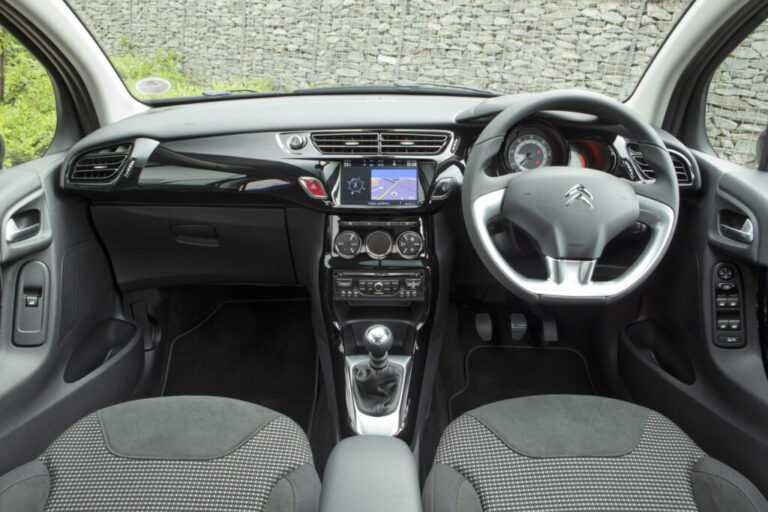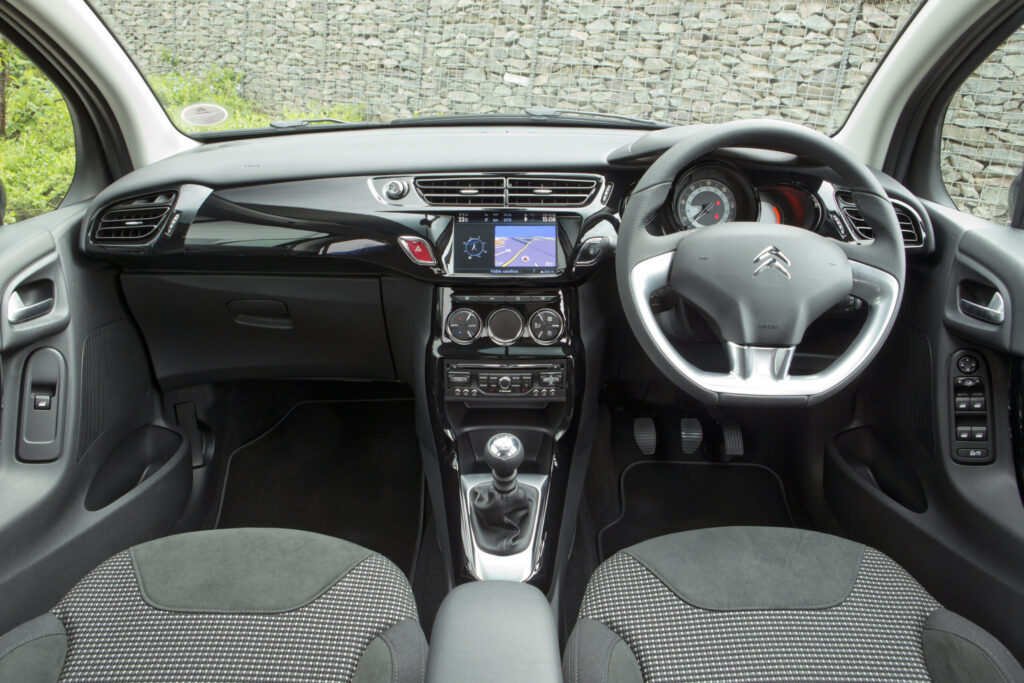
The 1.2 PureTech engine in the Citroën C3 Aircross has a well-known weak spot: the wet timing belt. This belt runs in the engine oil and can wear out prematurely, with serious consequences for the engine if you do not catch it in time. On the page about known problems with the Citroën C3 Aircross, this is also listed as one of the points to watch. What are the symptoms, how often should the belt be replaced, and how much does it cost? You can read that below.
What is a wet timing belt and why is it a problem?
In most engines, the timing belt runs dry, outside the engine. The 1.2 PureTech uses a different principle: the belt sits in the engine’s oil circuit and is constantly lubricated by engine oil. That sounds clever, but it does carry a risk.
Ageing, overly long oil change intervals or the wrong oil specification can cause the belt to wear faster. In more serious cases, the belt can even delaminate. That means small rubber particles come loose. These particles end up in the engine oil and can block the oil pickup: the part that draws oil into the engine. If that becomes blocked, the engine runs dry and serious engine damage occurs.
In addition, the rubber particles can block the VVT solenoids. These are small electrical valves that control variable valve timing. The vacuum pump, which provides brake assistance, can also be affected by this. In severe cases, this can result in a hard brake pedal.
Symptoms of a faulty timing belt in the C3 Aircross
A worn or damaged timing belt often announces itself with recognisable signs. Look out for the following symptoms:
- A rattling, ticking or scraping noise on a cold start
- The oil pressure warning light or other engine warnings on the dashboard
- Loss of power or an uneven idle
- Misfires: irregular ignition in the cylinders
- A hard brake pedal or noticeably reduced brake assistance
In particular, the rattling noise immediately after starting is a sign that should be taken seriously. That noise often disappears after a few seconds, but it points to insufficient oil pressure in the belt area. Have a garage check this as soon as possible.
How often should the timing belt be replaced on the C3 Aircross PureTech?
Citroën generally sets the replacement interval for the timing belt at 60,000 kilometres or 5 years. Whichever comes first applies. In practice, several independent mechanics advise not to leave it that long, especially for cars that do a lot of short journeys.
Short trips are extra demanding for the wet timing belt, meaning the belt that runs in engine oil. The engine then does not fully warm up, so condensation in the oil does not evaporate. That directly affects oil quality: it deteriorates faster and accelerates belt wear. With this type of use, a shorter inspection interval is sensible.
When buying a used C3 Aircross, always check the service booklet. Have the oil changes been carried out regularly and with the correct oil specification? Has the timing belt already been replaced or inspected? A car without a verifiable service history carries a higher risk.
How much does timing belt wear repair cost in the C3 Aircross?
The cost of replacing the timing belt depends heavily on when you act. A preventive replacement at an independent garage costs on average between €700 and €1,200, depending on the region and whether extra parts are included.
If you wait too long and contamination has already spread through the rest of the lubrication system, the costs rise sharply. Damage to camshafts, bearings or other engine components can significantly increase the repair bill. In severe cases, the total comes to €3,000 or more. Preventive replacement is therefore the cheapest option in the long run.
Is the car still under warranty? If so, ask about Stellantis’ goodwill scheme, the parent company of Citroën. Does the car have a complete service history at a Citroën dealer? Then it is also worth mentioning that. In a number of cases, support has been offered for timing belt-related damage, provided the maintenance has been recorded correctly.
What can you do yourself to prevent problems?
There are a few concrete steps you can take to limit damage or spot problems in time:
- Change the engine oil on time and always use the oil specification prescribed by Citroën.
- Have the timing belt inspected at every major service, even if the replacement interval has not yet been reached.
- When starting from cold, listen for unusual noises, such as ticking or rattling that disappears after a few seconds.
- After a cold start, do not drive off hard straight away. Give the engine time to warm up and build oil pressure.
- When buying a used C3 Aircross, always check the service history and ask specifically about the timing belt.
Acting early prevents a lot of expense and trouble. A timely belt inspection costs little; repairing engine damage costs a lot.
Want to know more about the Citroën C3 Aircross?
On the Carnews website you will find much more information about common problems, maintenance tips and buying advice for the Citroën C3 Aircross and other models. Also see the other technical points of attention for this model for a complete picture.
Frequently asked questions
Typical symptoms are a rattling, ticking or scraping noise at startup, especially when cold, and the oil pressure warning light or other engine warning lights coming on. In addition, there may be a loss of power, irregular idling or hesitations/misfires. In more serious cases, you may notice a hard brake pedal or clearly reduced brake assistance due to problems with the vacuum pump. Visually, a mechanic may find a swollen, cracked or frayed timing belt.
In the 1.2 PureTech, a wet timing belt runs in engine oil, and it can wear faster because of old or incorrect oil, overly long oil change intervals and lots of short trips, which cause oil quality to deteriorate more quickly. This wear can cause the belt to swell, fray and delaminate, with rubber particles contaminating the lubrication system (including the oil pump intake and VVT) and eventually causing engine damage. Effective prevention is to change the oil strictly on time, ideally more often, using exactly the specified grade, avoid universal or overly thick oil, and have the belt checked carefully for swelling and damage at every service. At higher mileages or if you are unsure about its history, an early preventive replacement of the belt is advisable.
Replacing the timing belt on this model at an independent garage usually costs around €800 to €1,000, provided there is no consequential damage yet. The car will usually be in the workshop for one day. If wear on the belt has already caused contamination and engine damage, costs can rise to around €3,000 to €6,000. The manufacturer and importer in some cases apply an extended goodwill or warranty scheme for timing belt-related damage, provided the service history is complete and recorded according to the guidelines.
Bear in mind that the 1.2 PureTech has a wet timing belt that can wear faster and cause contamination in the oil system, with a risk of expensive engine damage. When buying, ask for a fully verifiable service history with timely oil changes to the correct specification and proof of (visual) belt inspection or replacement. On a cold test start, listen for unusual rattling or ticking noises, warning lights and irregular idle running. Keep in mind that a car without a clear timing belt and oil history is really only worth considering if you factor preventive belt inspection/replacement into the purchase price.
For the 1.2 PureTech with a wet timing belt, many brands/garages now use an earlier maintenance schedule: often replacement around 100,000–120,000 km or about 6–10 years, with visual/technical inspection at every major service. Urgent warning signs include a rattling, ticking or scraping noise at startup, especially when cold, the oil pressure or engine management warning light coming on, and/or loss of power or irregular idle running. A suddenly hard brake pedal or reduced brake assistance can also point to serious contamination caused by belt particles. If in doubt or if the service history is unknown, an immediate inspection of the belt and oil system is recommended.