
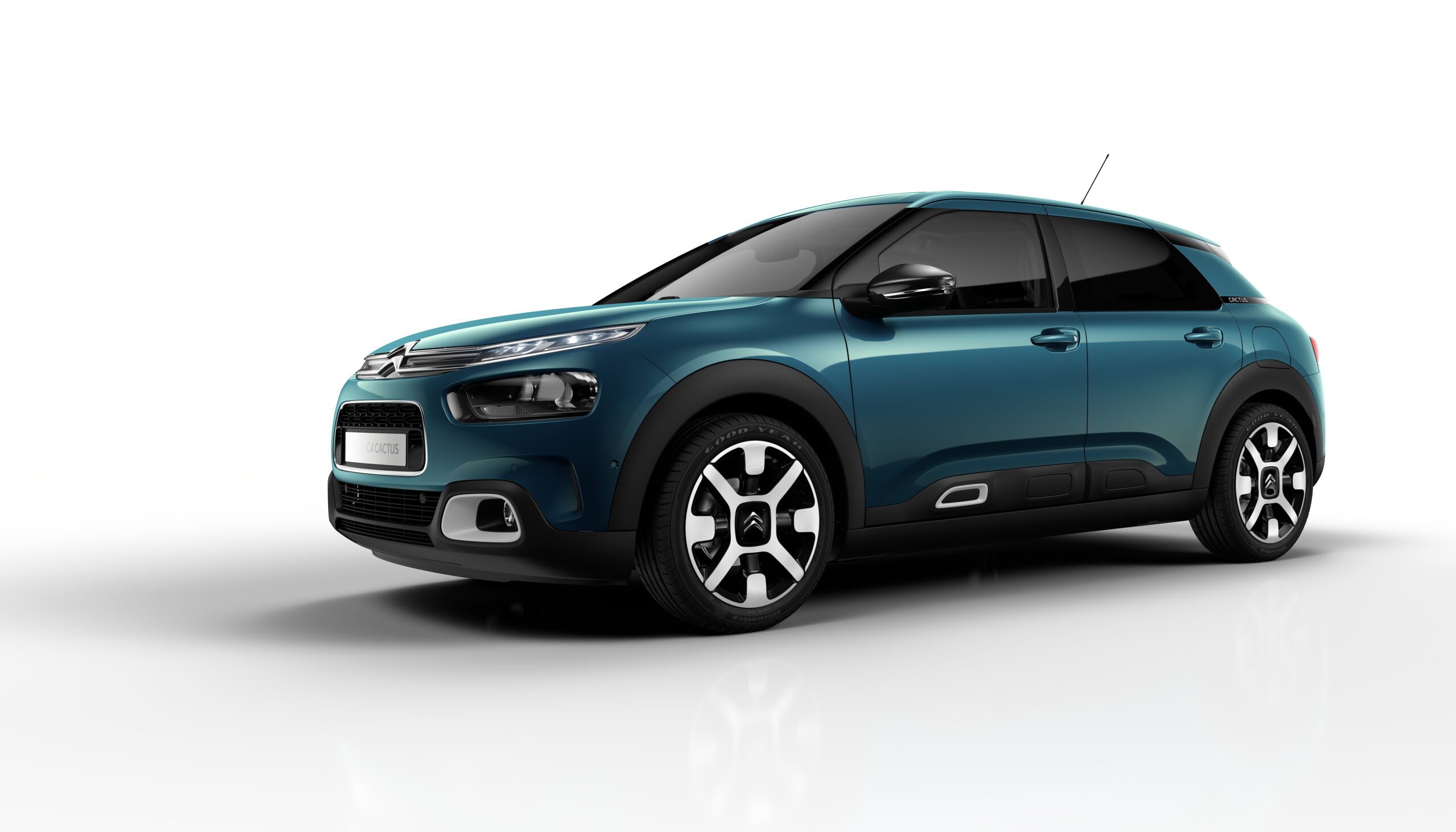
Citroën C4: an honest overview of the most common problems
The Citroën C4 is a popular choice in the compact segment, with an attractive price and modern looks. However, this French model also has its technical points of attention, ranging from engine issues to electrical faults. Most complaints concern the diesel engines, the automatic transmission and the electrical systems. Read on to find out exactly what you need to look out for when buying or maintaining a Citroën C4.
Known engine problems with petrol and diesel versions
Over the years, the C4 has been fitted with various petrol and diesel engines, each with its own vulnerabilities. With the petrol engines, complaints about the timing chain occur regularly. Over time this can stretch, especially with lots of short trips where the engine does not fully warm up. Symptoms include a rattling sound when starting or while driving. Have the chain replaced in time, because if it snaps it will cause serious engine damage.
Diesel engines more often suffer from problems with the EGR valve. This applies in particular to the 1.6 HDi and 2.0 HDi. HDi stands for High Pressure Diesel Injection. This valve recirculates exhaust gases to reduce emissions (harmful exhaust fumes), but it gets clogged by soot deposits. The consequences are loss of power, jerky running and a lit engine warning light. The diesel particulate filter also needs attention: if the car does too few motorway kilometres, the filter does not regenerate sufficiently and becomes clogged. Regeneration means the filter burns itself clean at higher temperatures. Regularly driving a longer distance at higher speed helps to prevent this.
In addition, owners of older models sometimes report oil consumption with the 1.6 THP petrol engine. THP stands for Turbo High Pressure, a turbocharged engine with direct injection. This is caused by wear of piston rings or valves. Check the oil level regularly and top it up when necessary.
‘ Replacing the clutch kit is necessary and can be quite expensive. ’
Transmission complaints and clutch wear
The Citroën C4 was offered with both manual and automatic gearboxes. With the manual versions, we frequently hear about premature clutch wear, especially with lots of city driving or heavy loads. Symptoms include clutch slip when pulling away, difficulty changing gear or a high bite point of the clutch pedal. Replacing the clutch kit is necessary and can be quite costly.
The automatic transmissions, particularly the EGS (Electronic Gearbox System) and the later e-DSC6 dual-clutch automatic, also show their own problems. A dual-clutch automatic uses two clutches that shift alternately for smoother gear changes. The EGS gearbox is actually a robotised manual gearbox and is known for jerky gearchanges and faults in the actuator. The actuator is the mechanism that physically changes the gears. With the dual-clutch automatic there are complaints about vibrations when pulling away and hesitant gearshifts. Software updates can sometimes provide relief, but in serious cases an overhaul or replacement is needed.
When buying a used C4, pay close attention to the shifting behaviour during a test drive. Does the gearbox shift smoothly or do you feel jolts and vibrations? Also test starting on a slope and pulling away from standstill.
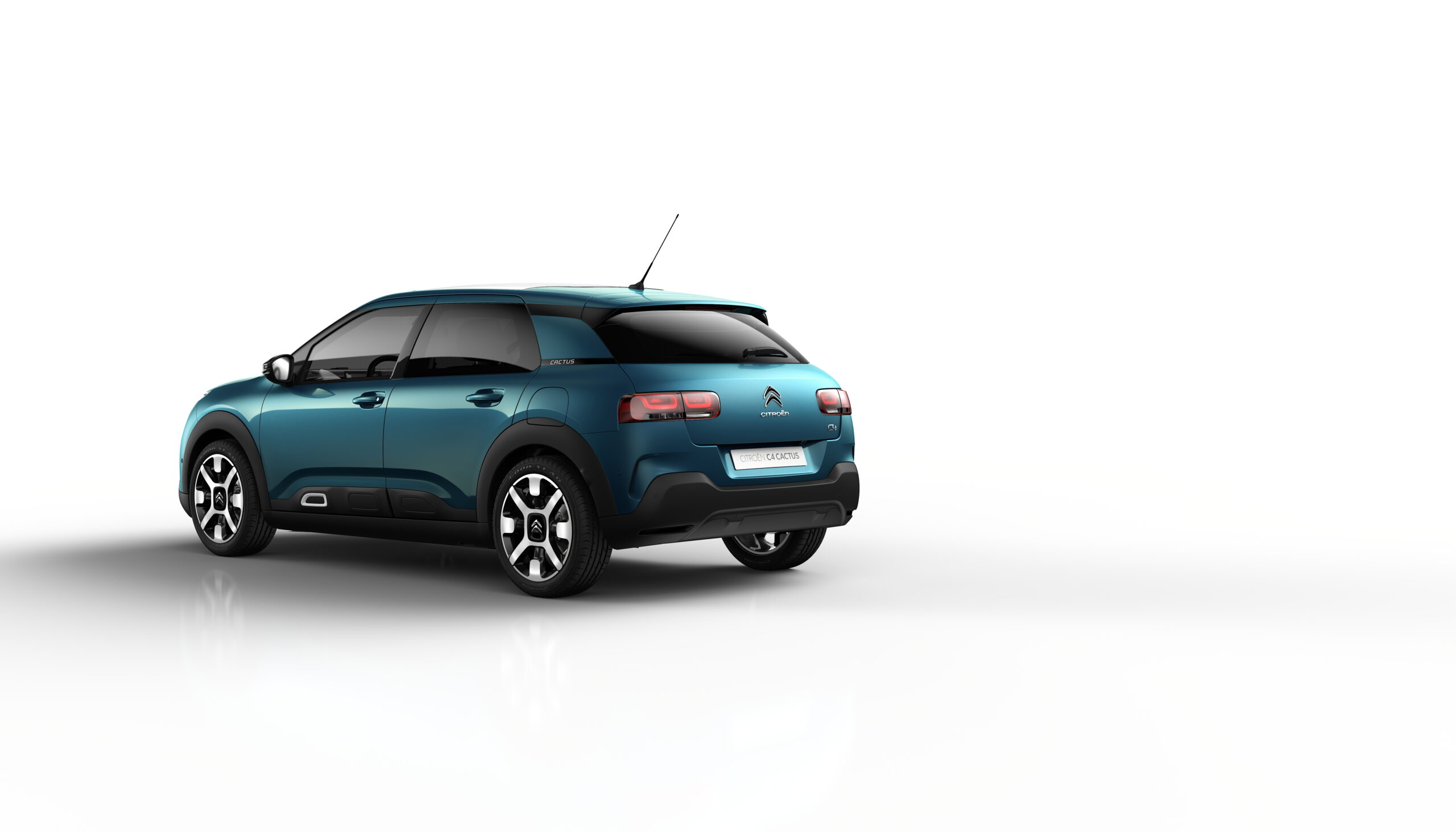
Electrical faults in the infotainment and sensors
Modern Citroëns are not always known for flawless electronics, and the C4 is no exception. The infotainment system, with a 7 or 10-inch touchscreen, regularly suffers from software issues. The screen can freeze, respond slowly or restart randomly. The Bluetooth connection is not always smooth either. Software updates via the dealer solve some of these complaints, but some owners are left with quirky behaviour.
Sensors are another point of attention. Parking sensors can pick up dirt or moisture and give false warnings. Clean the sensors regularly and check them after washing the car. The rain sensor and light sensor also sometimes malfunction, causing the wipers and lights to switch on or off unexpectedly. This is often caused by a defective sensor or a loose connection.
Owners also report problems with the automatic air conditioning. This system controls the temperature in the car without manual adjustment. The system does not always work according to the set temperature or switches unexpectedly to other modes. Have the air conditioning system checked and refilled annually to prevent major defects.
Wear to suspension and steering
The C4’s suspension is generally reliable, but certain components wear faster than average. Shock absorbers often show the first signs of leakage after around 80,000 kilometres. Symptoms include a wobbly rear end, the car continuing to bounce after bumps and uncomfortable damping over irregularities. Replace shock absorbers in good time, as worn units affect ride comfort and road holding.
The rubber components of the wheel suspension also need attention. Car problems with Citroën often focus on the bushes of control arms and anti-roll bars. These can tear or come loose, leading to knocking noises over uneven surfaces and less precise steering. During the MOT (or an annual safety inspection), or a major service, have the suspension thoroughly checked.
On most C4 models, the power steering is electric. This system helps you steer by making the steering wheel lighter. Sometimes faults occur in the power-assist motor or the sensor, causing the steering to become heavy or feel too light. A fault code in the system often points towards the cause. A fault code is a readable error that the garage can retrieve. In many cases, resetting the system via the diagnostic computer helps, but sometimes the power steering motor has to be replaced.
‘ Wheel speed sensors are sensitive to dirt, moisture and corrosion. ’
Brakes and safety systems under the magnifying glass
The C4’s braking system is generally solid, but there are still some points of attention. Rear brake pads wear faster than expected on some models, especially cars that mainly drive in town. This is due to the design of the brake callipers and the way brake dust builds up. Check the thickness of the brake pads at every service and replace them in good time.
The ABS and ESP systems usually work without problems, but sensors can fail. ABS stands for Anti-lock Braking System and prevents the wheels from locking during hard braking. ESP stands for Electronic Stability Programme and helps keep the car stable in bends. Wheel speed sensors are sensitive to dirt, moisture and corrosion. These sensors measure how fast each wheel turns and are essential for the operation of ABS and ESP. A defective sensor will trigger a warning light on the dashboard and reduce the effectiveness of ABS or ESP. Clean the sensors or replace them if necessary.
The handbrake also sometimes shows faults, particularly on models with an electronic parking brake. This can seize or fail to release completely. This is often caused by corrosion in the brake callipers or a software issue. Regular use and maintenance help to prevent this.
Common problems with the braking system
- Rapid wear of rear brake pads
- Defective wheel speed sensors
- Corrosion in brake callipers
- Faults in the electronic parking brake
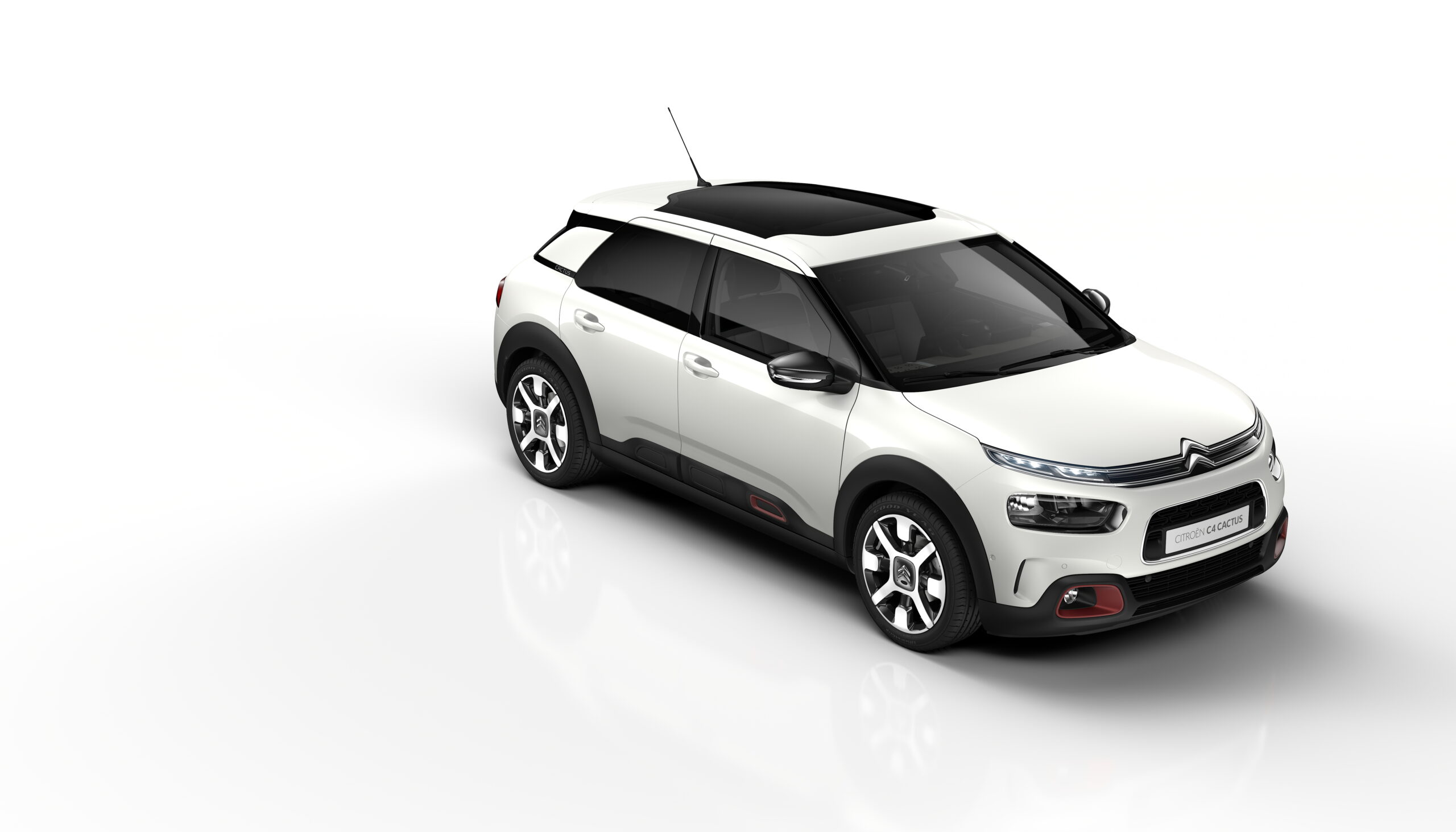

Bodywork and interior: small irritations with big impact
Although bodywork problems on the C4 are less critical than engine problems, they can still be annoying. Rust can appear around the wheel arches, the bottom of the doors and around the tailgate. This mainly affects older models and cars used in areas where a lot of road salt is spread. Check these areas if you are considering buying one and have any rust spots treated in good time.
The C4’s interior sometimes shows premature wear. Seat upholstery can fray, especially at the sides where getting in and out causes a lot of friction. The steering wheel can also become shiny or worn. These are mainly cosmetic issues, but they do affect the car’s appearance and resale value.
Rattles and creaks in the interior are frequently reported. These often come from the dashboard, centre console or door panels. The cause is usually loose clips or plastic parts that do not fit properly. A visit to the dealer can help trace and fix the source.
The paintwork on some models is prone to peeling, especially on the bonnet and roof. This issue mainly affects certain production years and colour variants. Check the paint carefully before purchase and ask about any warranty schemes.
Official recall actions and how to check them
Over the years, Citroën has carried out several recall actions for the C4. These relate, among other things, to problems with the airbags, fuel line and lighting. Check whether your car is part of such an action.
You can do this by entering the registration number or chassis number on the RDW website (or the relevant vehicle authority in your country) or asking a Citroën dealer directly. Recall work is carried out free of charge, even if the car is no longer under warranty. Take these actions seriously, as they often concern safety or important technical aspects.
Even outside official recalls, it can be useful to ask the dealer about technical bulletins or known issues for your specific model year and engine type. Dealers have access to this information and can advise you on preventive maintenance.
‘ For current owners, preventive maintenance is the key to a reliable C4. ’
Practical tips for purchase and maintenance
Are you considering buying a used Citroën C4? Then take your time for a thorough inspection. Plan a test drive in which you test extensively on different types of roads. Pay attention to gearshift issues, unusual noises from the suspension and the functioning of all electronic systems.
Always ask for the service history. A complete service book with stamps from an authorised service centre shows that the car has probably been well maintained. Check whether critical components such as the timing chain, clutch and shock absorbers have been replaced on time. If this information is missing, ask for a warranty or have a pre-purchase inspection carried out at an independent garage.
For current owners, preventive maintenance is the key to a reliable C4. Follow the manufacturer’s service intervals and have additional checks carried out if in doubt. With diesel engines, it is wise to regularly drive a longer motorway journey to regenerate the particulate filter. Keep an eye on the oil level, especially with the 1.6 THP engine.
Checklist when buying a used C4
- Complete service history available
- Test gearshift behaviour during test drive
- Check suspension for leaks and wear
- Test all electronic functions
- Inspect bodywork for rust and paint damage
- Ask about any recall actions
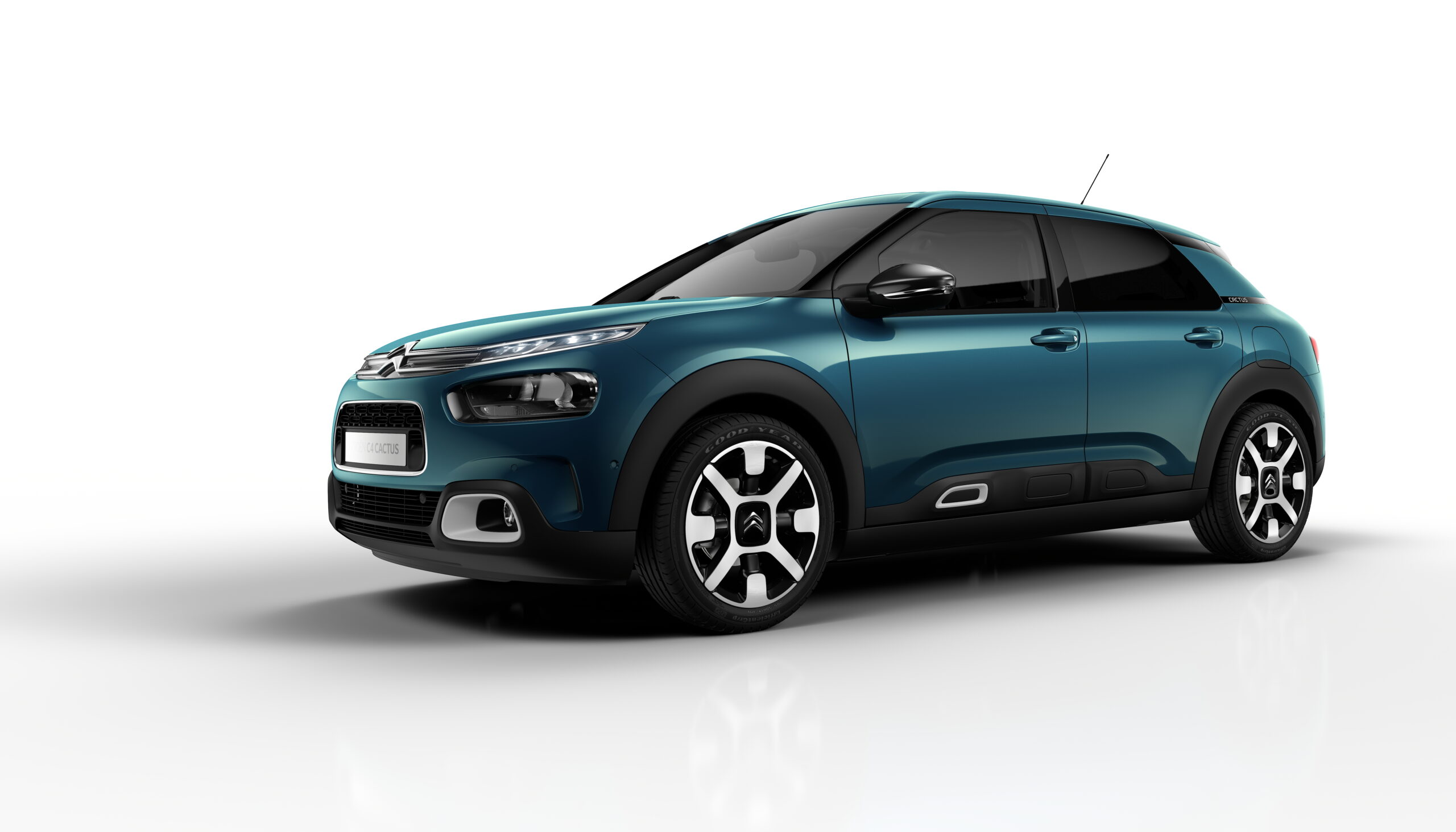
A realistic look at the Citroën C4
The Citroën C4 offers a lot of car for your money, with generous equipment and comfortable driving characteristics. At the same time, this model does require attention to specific technical weak spots. Engine issues, transmission complaints and electrical faults occur regularly, but can be kept under control with the right approach.
For potential buyers it applies that you should preferably choose a well-maintained example with a complete history. Diesel versions need more attention than petrol models, particularly regarding the EGR valve and particulate filter. The newer mild-hybrid versions suffer from fewer early teething problems but are also more expensive to buy.
Current owners are wise to act preventively. Regular servicing, timely replacement of wear parts and staying alert to warning lights help to prevent major repairs. If treated with care, the C4 can provide many years of reliable mobility.