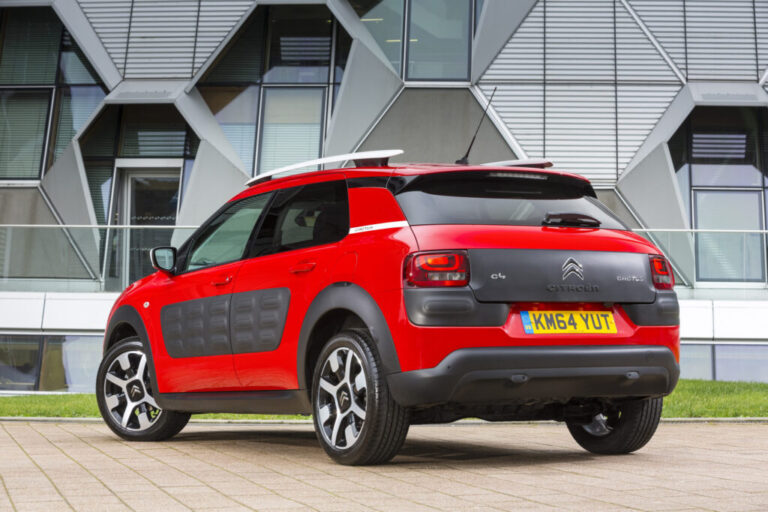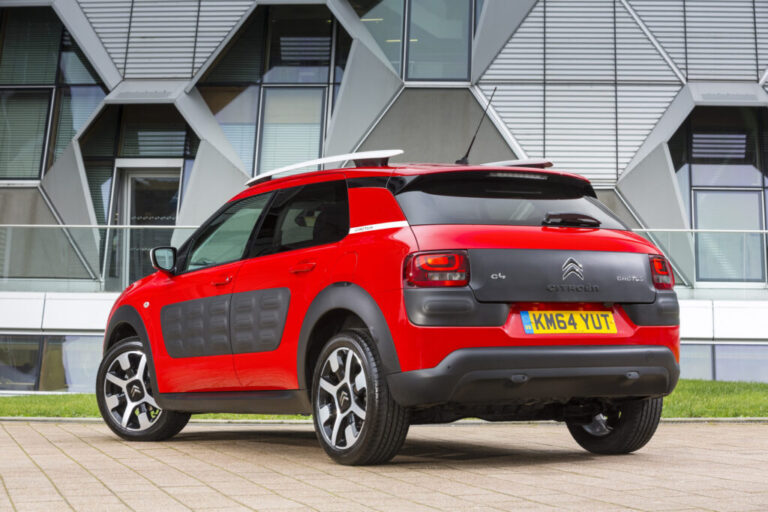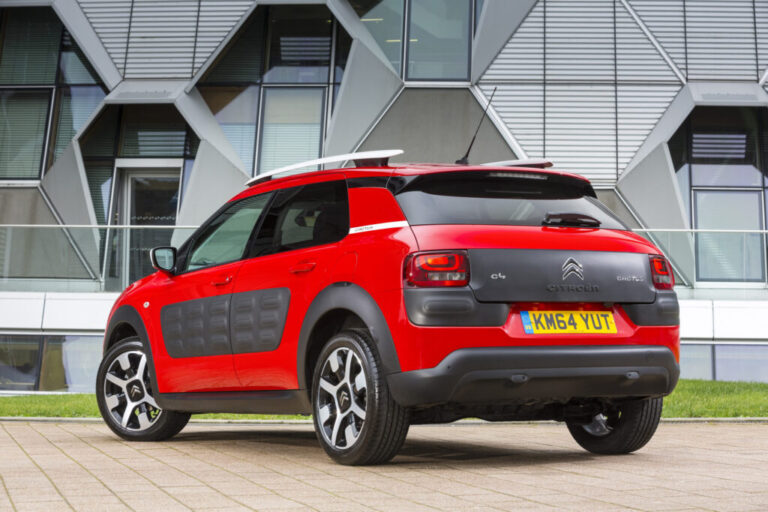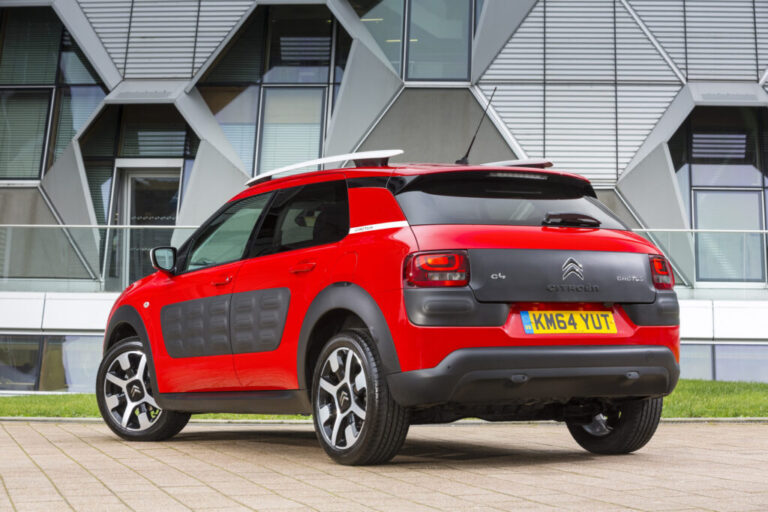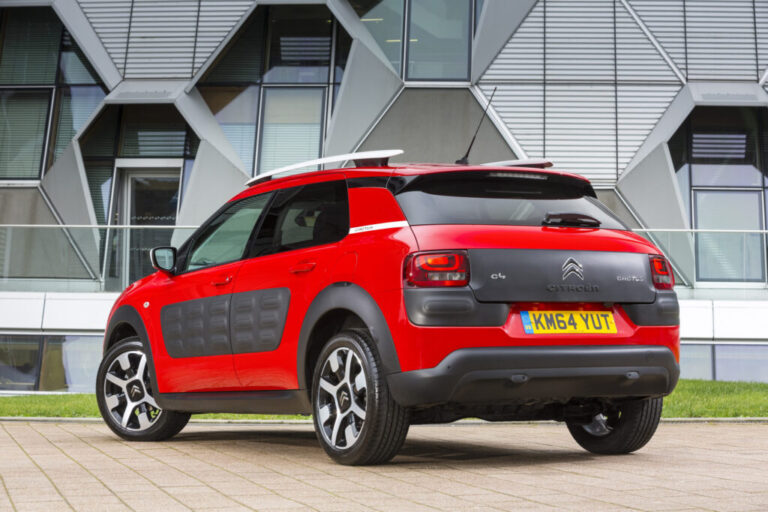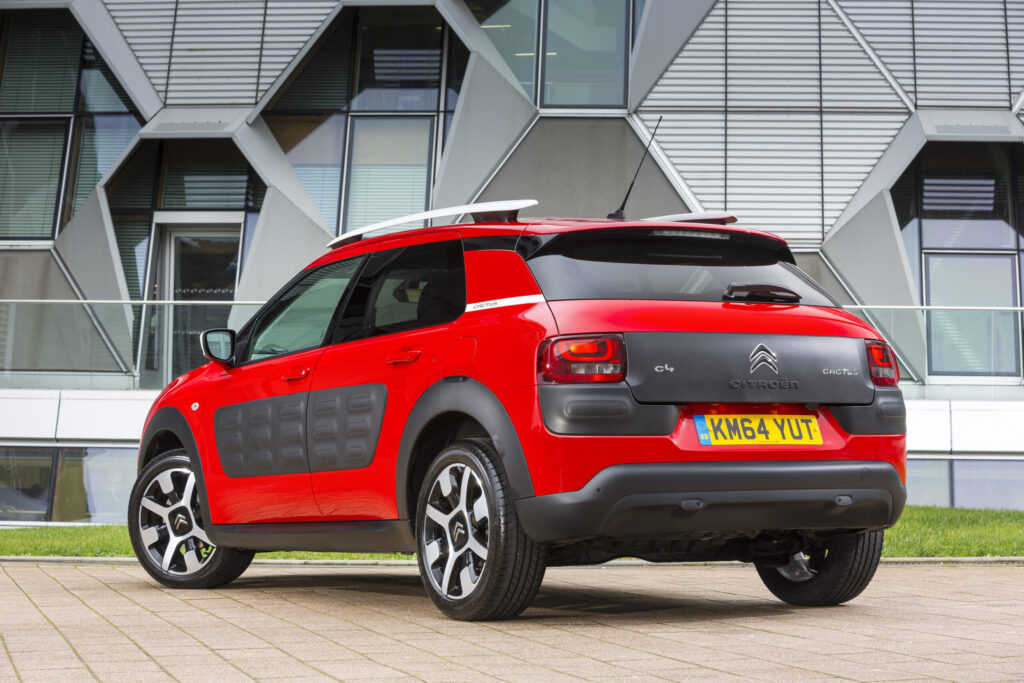
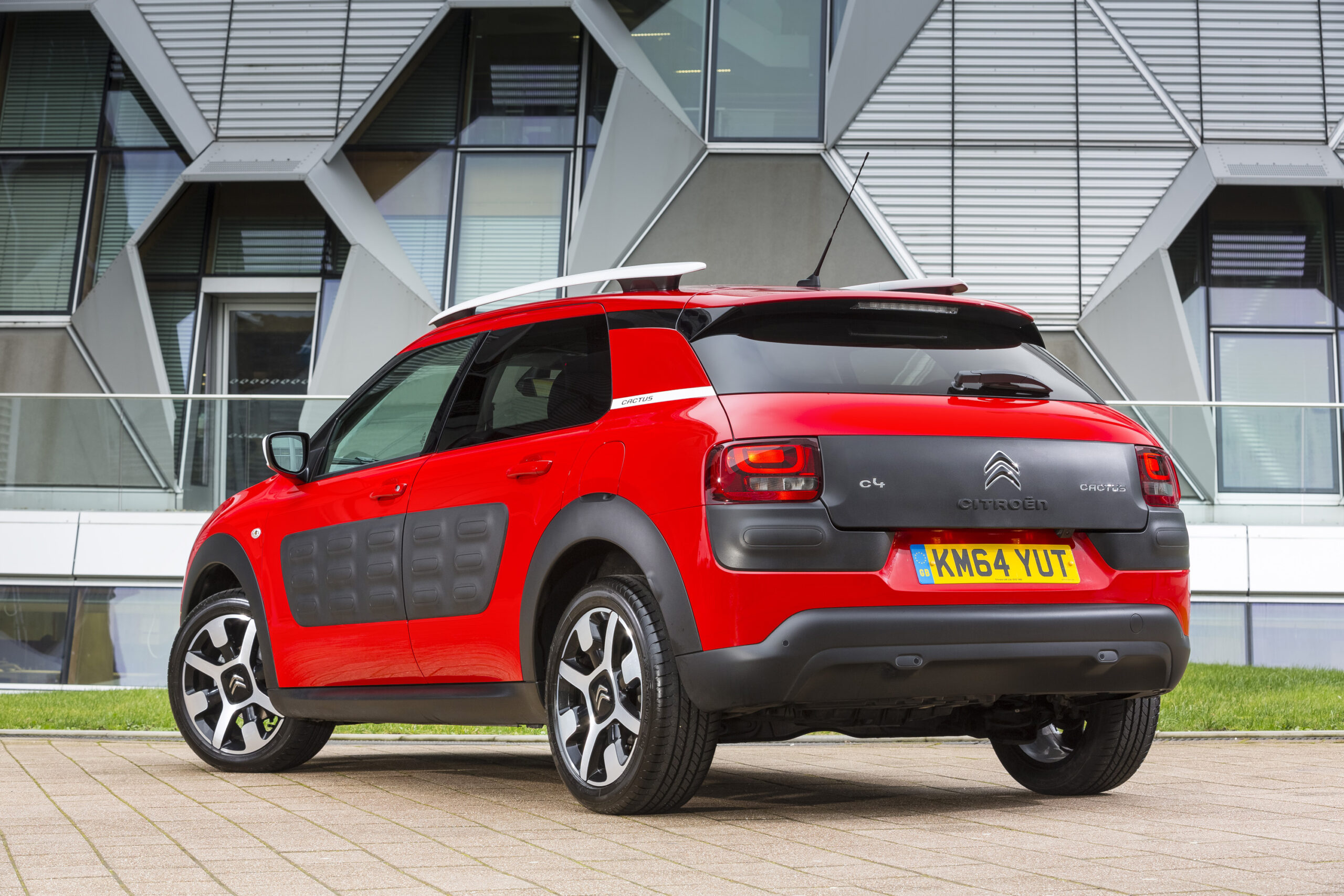
A slow or failing stop-start system on the Citroën C4 Cactus does not always point to a faulty starter motor. Quite often, the system intervenes as a precaution because of a low battery charge, a condition that is not being met, or a faulty signal from a sensor. If the engine starts slowly after stopping, only after a noticeable delay, or intermittently after vibrations, targeted checks are needed. First, look at the known weak points of the Citroën C4 Cactus and find out which check can explain your complaint most quickly.
Why is the Citroën C4 Cactus stop-start system slow?
The C4 Cactus Stop & Start system only switches the engine off when the car meets sufficient conditions. On a manual version, the clutch, brake operation and neutral position all play a role. On a version with an ETG automated gearbox, brake pressure and gearbox status are also important. The system then restarts the engine once the driver depresses the clutch, releases the brake or presses the accelerator, depending on the version.
According to Citroën’s owner’s manual, Stop & Start may be temporarily unavailable when the battery is insufficiently charged, the engine is still cold, or the climate control is demanding a lot of power. Windscreen demisting, low or high outside temperatures, a hill and parking manoeuvres can also block the function. That is normal behaviour and not a fault.
A slow restart is something else. If the engine cuts out first and then clearly takes longer to run again, the 12V supply needs to be checked. The engine may still start perfectly well in a normal cold start, while the battery has insufficient reserve for the many short starts of Stop & Start.
The battery is often the first suspect
C4 Cactus versions with Stop & Start typically use an EFB or AGM battery. An EFB battery is a reinforced lead-acid battery that is better able to withstand frequent starts. An AGM battery retains the battery electrolyte in a special material and is suitable for heavier use. Both types can handle more charge and discharge cycles than a standard starter battery.
A battery that is no longer performing well can also cause fluctuating symptoms. In warm weather or after a longer journey, the system sometimes works. After city driving, in frost, or with the heating and rear window heater switched on, the engine stays running instead. In those cases, the battery management is rightly choosing a reliable start over an automatic engine stop.
These signs often point to a battery issue:
- The message “Stop & Start not available” appears regularly.
- The engine only switches off after a longer drive.
- After stopping, the engine restarts slowly or hesitantly.
- The system no longer works after several short journeys.
- The engine starts less quickly than normal when cold.
- The function changes when many electrical consumers are switched on.
Measuring the battery voltage alone is not enough. A battery may still look normal at rest, yet its voltage can drop sharply during starting. So ask for a battery test under load. This checks how much starting power the battery still has, how well it is charged and whether it is still in good internal condition.
Known causes of a failing stop-start system on the C4 Cactus
A weak or incorrect battery is the most common explanation, but not the only one. Especially if the restart varies after vibrations, a speed bump or engine movement, connections and sensors deserve extra attention. Vibrations do not automatically cause a fault, but they can temporarily make an existing poor connection noticeable.
On a C4 Cactus that does stop but does not restart smoothly, a workshop should check these components in a targeted way:
- The battery terminals and earth cables between the battery, body and engine.
- The special battery sensor on the negative terminal.
- The alternator charging voltage, even when electrical consumers are switched on.
- The starter motor and the cable supplying power to it.
- The brake pedal switch or the clutch pedal sensor.
- The bonnet switch and the switches in the doors.
- The signals for temperature, gearbox and communication between control units.
A loose battery clamp, corroded earth connection or damaged cable can cause voltage loss during a restart. The starter motor then receives less current than it needs. If the problem changes when the car vibrates, checking cables, connectors and mounting points makes more sense than replacing parts straight away.
An incorrect signal from the brake, clutch or bonnet switch can also block the function. The car must be certain that automatic stopping and starting is safe. If the engine management sees, for example, an open bonnet or an unconfirmed clutch, Stop & Start remains deactivated.
Software and fault codes are worth checking
If the complaint persists, a diagnostic read-out is essential. Citroën uses multiple control units for the engine, body and battery monitoring. A universal OBD scanner sometimes reads only generic engine codes and misses brand-specific data on battery charge, sensor status or communication. Diagnostic equipment that fully supports Citroën systems gives a better picture.
Do not let the workshop simply clear fault codes. Ask for the stored codes, the current data from the battery sensor and the conditions under which Stop & Start cannot be used. If all electrical values are correct but the function still stays off unnecessarily, an available software update for the relevant control unit may be relevant. Whether an update exists depends on the engine variant, model year, specification and vehicle identification number.
The C4 Cactus was supplied with various petrol and diesel engines, manual gearboxes and ETG transmissions. As a result, the battery specification and the conditions for restart vary by version. When ordering parts or software, never rely on the model year alone. The VIN and the battery specification fitted to the car give greater certainty.
Switching off stop-start on the C4 Cactus: is it safe?
Temporarily switching off Stop & Start using the factory button is safe on versions fitted with that button. The button is used to prevent the engine from switching off automatically when stationary. This can be useful in traffic jams, during lots of short trips or when you do not trust an immediate restart.
However, the button does not fix a technical cause. If the starter motor turns slowly, the system reports faults, or the car struggles to start again after an automatic stop, further checks are still needed. A low battery charge can later also lead to problems with central locking, comfort features or a normal start.
Do not alter wiring or software to permanently disable Stop & Start. This can trigger error messages and make it harder to find problems. It can also affect the settings Citroën has set for emissions and energy consumption.
How to investigate a slow restart of Stop & Start
Work from simple to specific. That way you avoid replacing a starter motor or sensor when the battery is the real cause. Follow this simple order:
- First drive the car for a while and see whether Stop & Start works afterwards.
- During the test, temporarily switch off heavy electrical consumers such as windscreen demisting and the rear window heater.
- Check whether the correct EFB or AGM battery is fitted.
- Have the battery and the alternator charging voltage checked.
- Also have the battery terminals, earth cables, connectors and sensors inspected.
- If the complaint remains, have the car read for fault codes and current sensor values.
After charging or replacing a battery, Stop & Start may not work immediately. According to the Citroën manual, the system may need time to reassess the battery’s condition. After any work, let the car shut down completely, lock it and give the electronics a few hours to rest. Then assess the operation again.
‘ Do that as well if a warning keeps returning, the engine management light is on, or messages about the brakes, gearbox or power steering appear at the same time. ’
When should you go straight to the garage?
Go to a garage immediately if the engine does not reliably restart after an automatic stop. Do the same if a warning keeps returning, the engine management light is on, or messages about the brakes, gearbox or power steering appear at the same time. Simply switching off Stop & Start with the button is not enough then.
On a C4 Cactus with a slow or failing stop-start system, a proper diagnosis begins with the correct battery and a battery test. After that, the alternator, cables, connections, starter motor, sensors and any software are checked. Carnews has more on related faults, maintenance and model-specific weak points. Find out more on the Carnews website.
Frequently asked questions
The delay is usually caused by a weak, insufficiently charged or incorrectly specified 12V battery (EFB/AGM). High transition resistance at the battery terminals or earth cables, a worn starter motor, a faulty battery sensor or problems with the alternator and voltage regulation can also delay the restart. In addition, software or communication problems and delayed signals from brake, clutch or transmission sensors can hold up the start authorisation. Low temperatures, a cold engine and a high demand from the air conditioning, heating or demisting can temporarily limit the system.
The state of charge of the 12V battery is decisive for the reliability of stop-start systems in French cars. If the charge is insufficient, the battery management temporarily deactivates the function in order to preserve enough energy for essential systems and a safe restart. A weak, worn or incorrect battery can lead to irregular operation, slow restarts or the message that stop-start is unavailable. After charging or replacing the battery, the system may also need a few hours to reassess the state of charge.
Possible sensor faults include a defective battery current sensor, brake pedal switch, clutch pedal sensor or bonnet contact. Incorrect signals from the temperature and door sensors or from transmission status can also prevent the automatic engine shut-off from being authorised.
First read the fault codes and check the battery, charging voltage, battery terminals and earth cables under load. Then measure the control voltage and the voltage drop across the start-stop relay when a start command is given; also check the switching noise, contact resistance and output voltage. At the starter motor, measure the supply voltage, voltage drop, current draw and cranking speed: high current with slow turning points to internal wear, low current to poor contacts or worn brushes. If necessary, remove and test the starter motor for wear to the brushes, commutator, bearings and solenoid.