
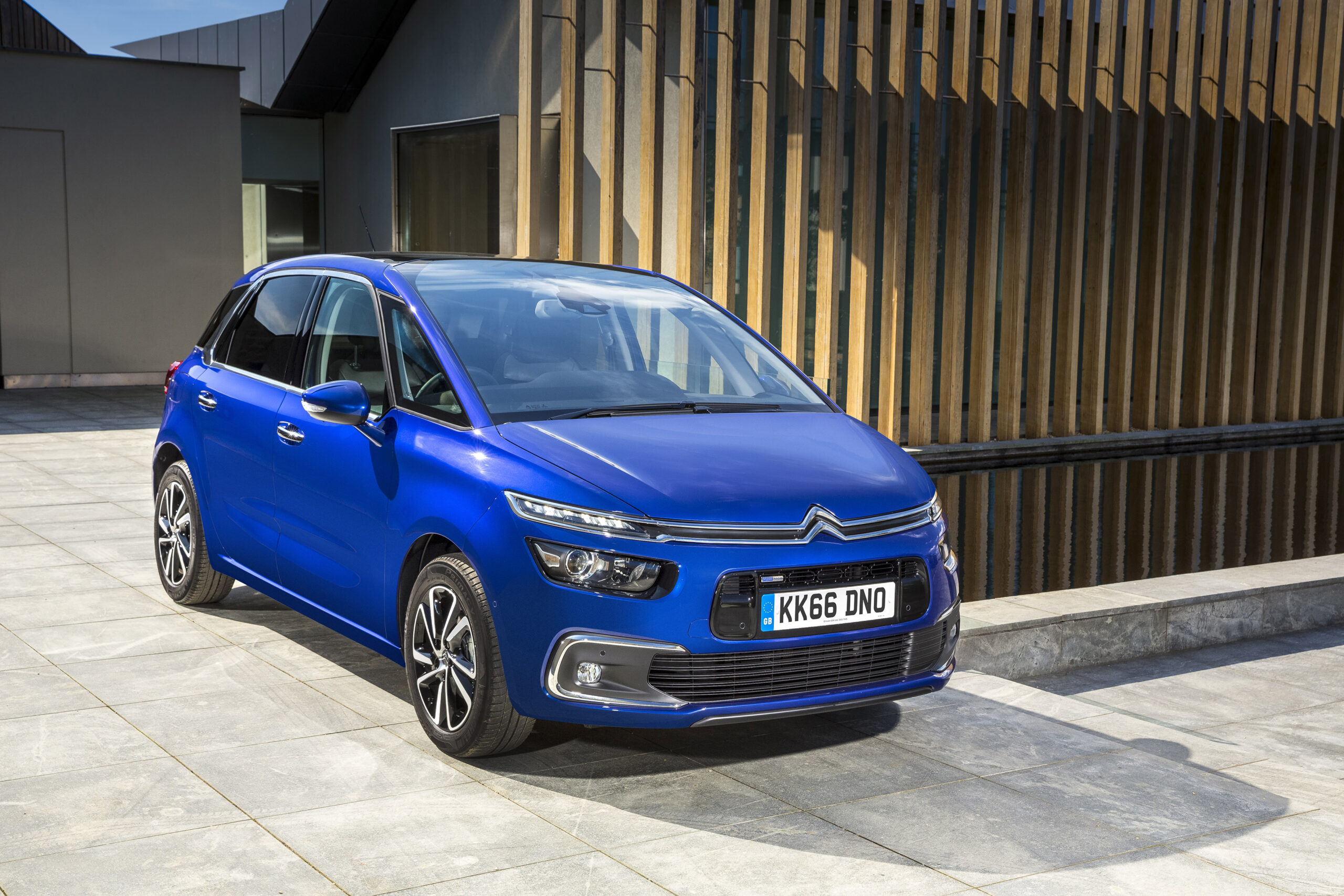
Citroën C4 Picasso: common problems summed up
The Citroën C4 Picasso combines space with modern technology and is known for its comfortable driving experience. However, this popular family car struggles with familiar technical problems that owners regularly encounter. From engine faults to minor electronic issues: various components require extra attention. This attention is important both for maintenance and when buying one. Is this French MPV still a sensible choice despite its known weaknesses?
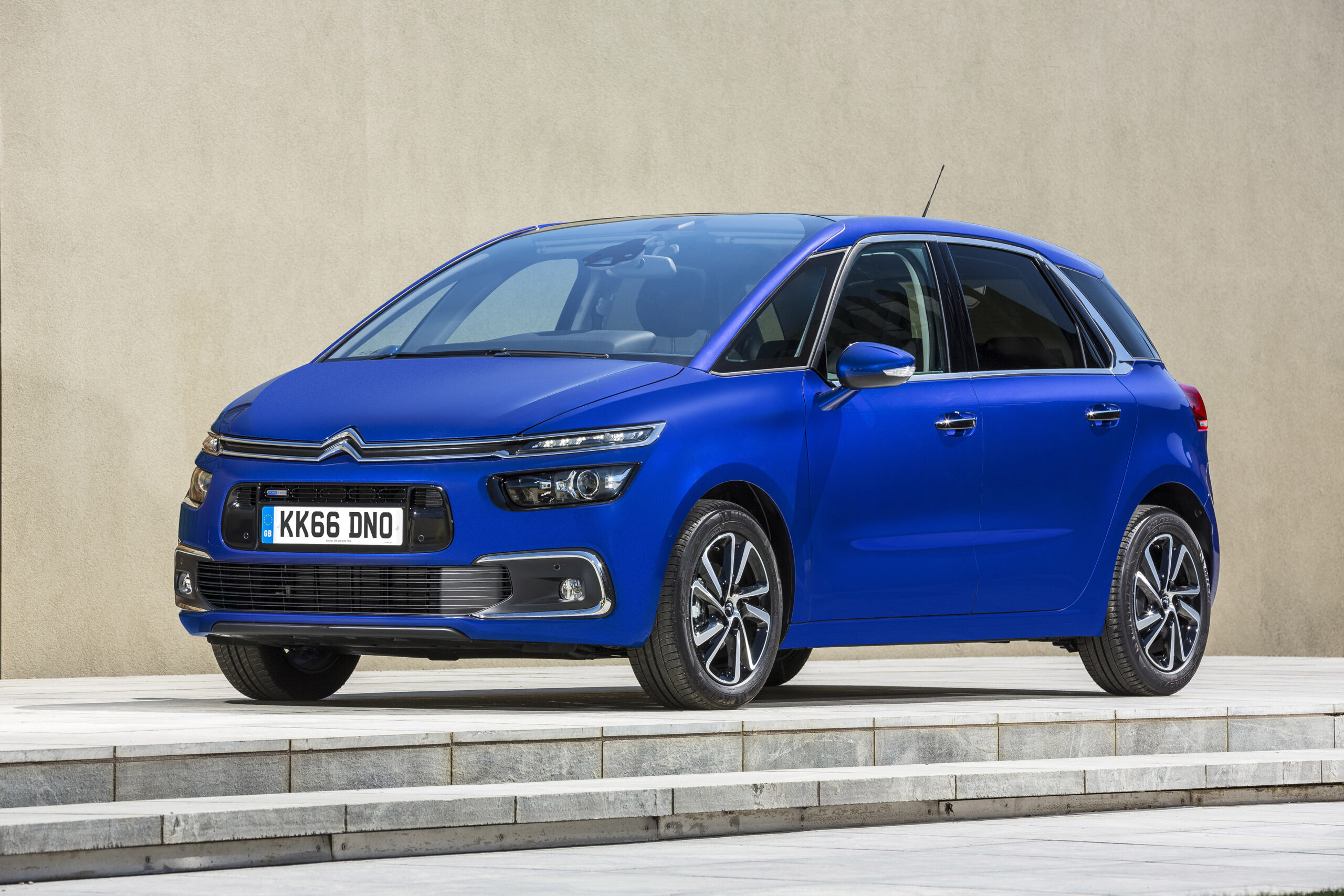
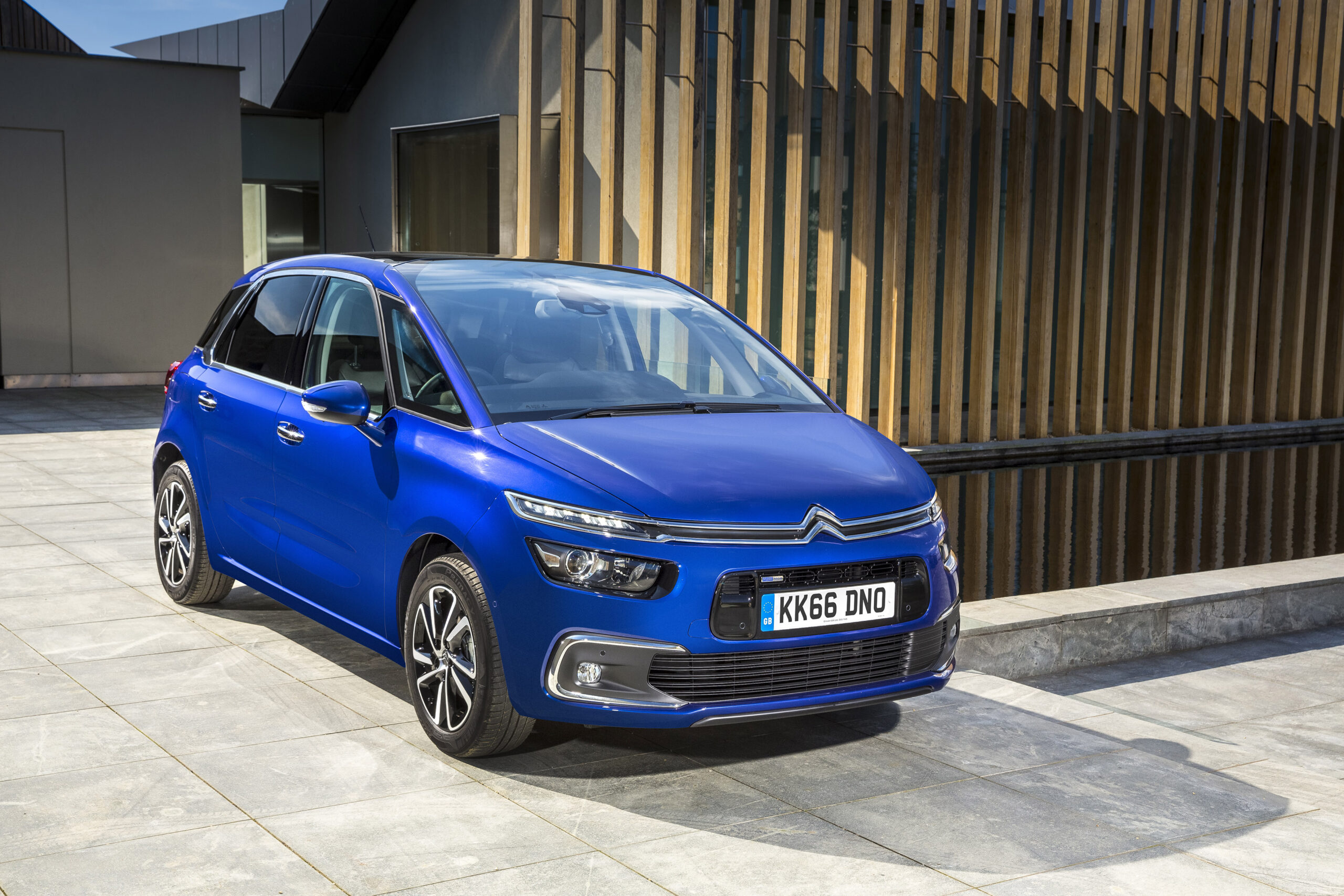
The C4 Picasso mainly attracts buyers because of its practical layout and modern looks. The panoramic glass roof gives the interior an airy feel. The modular seating layout offers flexibility for families. The 537-litre boot space easily grows into a large load area when you fold down the rear seat. However, behind this attractive picture lie technical points of concern. It’s better to be aware of these in advance. For a broader view of recurring complaints for this brand, take a look at Citroën car problems.
Most common problem areas
The C4 Picasso has known issues in several areas. The 1.6 HDi diesel engine and the PureTech petrol versions mainly show engine-related problems. Electrical faults affect the infotainment system and various sensors. The transmission, suspension and climate control system also regularly cause problems. These categories crop up across several model years, with older examples from before 2013 being more prone to certain defects.
‘ A belt that snaps or jumps teeth causes engine damage. ’
Engine problems that appear regularly
The 1.6 HDi diesel engine suffers from well-known weaknesses in the turbo and injection system. Turbos can lose their blades over time. The bearings can seize. You’ll recognise this from whistling noises, smoke or sudden loss of power. Injectors become clogged or start leaking. This results in an uneven idle and increased fuel consumption.
The particulate filter (DPF) on this engine requires extra maintenance. With mainly short journeys, the filter clogs up more quickly. Regeneration then no longer happens by itself. You’ll notice this from warning lights on the dash and reduced power. A forced regeneration at the garage often solves it temporarily, but consistently short-distance driving remains problematic.
With the PureTech petrol engine, other complaints come to the fore. The wet timing belt causes the most concern. This belt runs in oil and can show signs of wear after around 80,000 kilometres. A belt that snaps or jumps teeth causes engine damage. Have the belt replaced preventively between 60,000 and 80,000 kilometres.
Oil consumption is a second point of concern with the PureTech. Some examples use more oil than expected. Check the level regularly and top up in good time to prevent costly damage. Models from 2017 onwards often have improved pistons and piston rings, which reduces the problem.
Electrical faults in the system
The C4 Picasso’s infotainment system regularly suffers from software issues. The touchscreen may freeze, respond slowly or restart unexpectedly. Smartphone connectivity via Bluetooth is also not always flawless. Software updates sometimes help, but not all examples respond well to them.
Parking sensors and the reversing camera give false warnings or fail completely. Contaminated and damp sensors are often the cause. Clean the sensors regularly and check the wiring for damage. If the problems persist, the defective sensor will need replacing.
The rain sensor is not always reliable. The automatic windscreen wipers also cause issues. The sensor reacts too slowly or is overly sensitive to rain. Again, cleaning the windscreen and the sensor sometimes helps, but stubborn cases require replacement.
Faults in the Body Control Module (BCM) lead to all sorts of odd electrical behaviour. This computer component controls various electrical functions in the car. Windows don’t respond to the switches. Lights switch on or off by themselves. The central locking doesn’t work. These complaints occur mainly on models built before 2015. A software update can offer a solution, but sometimes the situation calls for BCM replacement.
Transmission complaints on both versions
The manual gearbox has problems with the clutch and synchromesh. Examples with more than 100,000 kilometres often show complaints. Owners report a heavy clutch pedal. Difficult gear changes are also common. The clutch wears and needs replacing. Second and third gears can also be hard to engage due to worn synchromesh rings.
The EGS6 robotised six-speed automatic shows specific faults. This semi-automatic transmission works with an automated manual gearbox and clutch. Jerky gear changes, slow response or actuator faults are common. The clutch wears faster than on the manual versions, especially with a lot of stop-start driving.
Owners also report problems with the mechanism that selects the gears. Defective sensors or actuators cause error messages and can lock the transmission. Repairs require specialist knowledge and can be expensive. When viewing a used C4 Picasso, always check how smoothly the automatic shifts and ask about the service history.
‘ After around 80,000 to 100,000 kilometres, shock absorbers lose their damping effect. ’
Chassis and suspension: wear and noises
Over time the front axle shows typical signs of wear. The wishbone bushes harden and crack, which leads to rattling noises over bumps. The anti-roll bar links also wear and cause knocking noises when steering or going over uneven surfaces. For the best result, these components should be replaced as a set.
After around 80,000 to 100,000 kilometres, shock absorbers lose their damping effect. Cornering produces more body roll. The car continues to bounce after bumps. Road holding becomes less stable. Check the shock absorbers for leaks and have them replaced if the damping deteriorates.
The steering sometimes produces squeaking or creaking noises when turning. The power steering pump or steering rack may be the cause. Check the power steering fluid level and inspect for leaks. With electric power steering (on later model years), these problems occur less often.
Interior and exterior: common annoyances
Rattling interior parts are a frequently mentioned complaint. When driving over uneven surfaces, the dashboard, door panels and centre console make noises. This is caused by worn clips or poorly fitting panels. Although not technically serious, it does affect the perceived quality.
The panoramic glass roof can start leaking on older examples. The drainage channels become blocked by leaves and dirt. Water then seeps along these channels. Clean the channels annually and check the seals for damage. In case of leaks, you’ll see water drops or damp patches in the headlining.
The tailgate sometimes has problems with the automatic opening mechanism. The hands-free function doesn’t respond or the tailgate only opens partially. Dirty sensors under the rear bumper are often to blame. A weak battery can also be the cause. Clean the sensors and test the system again.
Air conditioning that doesn’t work optimally
The climate control system regularly suffers from faults. The air conditioning no longer cools properly or doesn’t heat enough. Leaking pipes are one possible cause. Failed compressors are another. On models built before 2014, it is relatively common for the air-con compressor to fail after 80,000 kilometres.
The heater fan sometimes produces squeaking or creaking noises. This points to worn bearings or dirt in the fan. If the noise persists, the heater fan needs replacing. Don’t ignore this for too long, as complete failure means no demisting or heating.
Sensors in the climate control system sometimes generate fault codes. The temperature sensor or evaporator temperature sensor records incorrect values. This leads to irregular temperature control or a non-functioning air-con. Diagnosis with a scan tool shows which sensor is causing the problem.
‘ This helps the particulate filter regenerate and prevents costly blockages. ’
Preventive maintenance pays off
Regular maintenance prevents many problems and also detects them at an early stage. Have the car serviced according to Citroën’s prescribed schedule. On diesel engines, the fuel system in particular needs attention. The particulate filter (DPF) also requires extra checks. On petrol engines, the PureTech timing belt is the most important point.
Check the fluid levels yourself every month: engine oil, coolant and screenwash. This is especially important on the PureTech engine because of the higher oil consumption. Keep tyre pressures at the correct level. Inspect the wheels for damage.
Clean the sensors and cameras regularly to prevent electrical faults. Take a longer drive on the motorway once a month. This helps the particulate filter regenerate and prevents costly blockages.
Checklist when buying a used C4 Picasso
During a test drive, check the infotainment system. Test the parking sensors and camera. Test the climate control. Try all the electric windows. Listen for unusual noises from the suspension over bumps and in corners. Does the gearbox shift smoothly and without jolts?
Look critically at the service history. Has the timing belt on the PureTech been replaced? Has the garage carried out service bulletins for known issues? Check whether the particulate filter (DPF) regenerations have been completed successfully. Ask whether there have been any complaints about the turbo or injection system.
Inspect the interior for damp patches that indicate leaks. Open and close the panoramic roof several times and check the seals. Test the hands-free tailgate and listen for unusual noises from the heater fan.
Ask for a full diagnostic scan with a diagnostic tool. Stored fault codes reveal hidden problems. Pay particular attention to codes related to the engine, transmission and electronic modules. Use any issues that come to light as a basis for negotiating on the price.
Considerations for potential buyers
The Citroën C4 Picasso offers plenty of space and comfort at an affordable price on the used-car market. Its practical layout and driving characteristics make it a pleasant family car. However, the known technical problems call for a realistic assessment.
Focus on examples with a full service history and clear attention to the weak spots. On PureTech engines, a replaced timing belt is essential. On diesel versions, the DPF status must be good. For older examples, factor in suspension work and possible electrical repairs.
The C4 Picasso still offers good value. Know the points of concern and budget realistically for maintenance. Then you can make a well-considered decision about this versatile family car.