
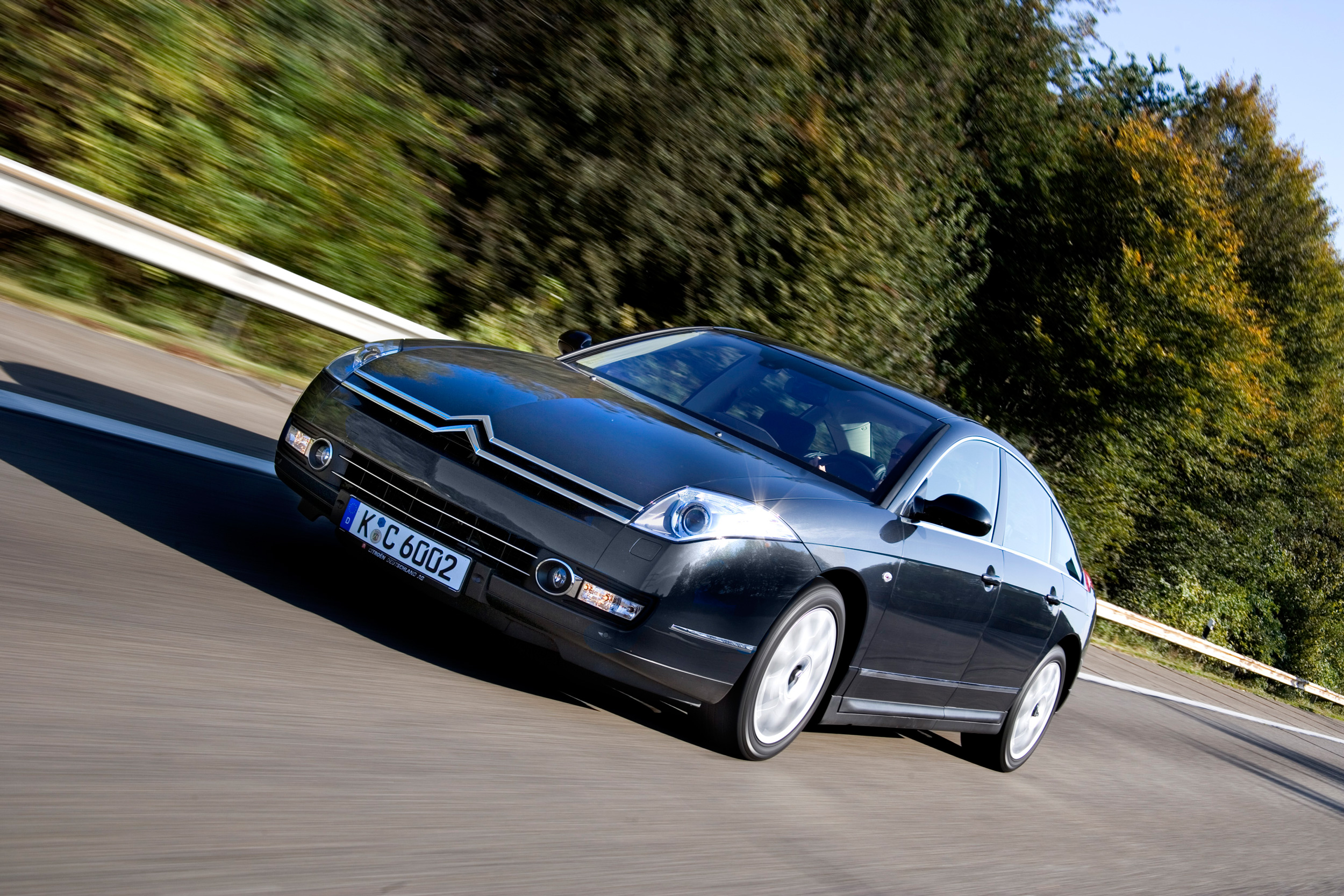
Citroën C6: the French limousine with a controversial character
The Citroën C6 is one of the most remarkable cars ever to drive on Dutch roads. This luxurious French limousine combines a unique design with advanced technology and symbolises the end of an era in which Citroën used its famous hydraulic suspension. Between 2005 and 2012 Citroën produced only 23,400 units, which makes the C6 a rare sight on today’s roads. For enthusiasts of French cars the C6 is a dream, but its technical complexity also brings a downside you cannot ignore.
Are you wondering whether this special car brings problems as well as passion? Read on for a complete picture of what you can expect as an owner or potential buyer. You can find more general information about various issues with this brand on the page about Citroën car problems.
The unique DNA of the Citroën C6
The C6 was presented as a concept in 1999 and went into production six years later. The design immediately stands out thanks to the striking fastback line and concave rear end. These choices give the car a futuristic look that still provokes reactions today. With a length of 4.9 metres and a width of 1.86 metres, the C6 is an imposing presence. The car was available with a 3.0-litre V6 petrol engine with 208 bhp and, from 2009, also with a 3.0-litre HDI V6 diesel engine with 241 bhp. For some markets Citroën also offered four-cylinder engines.
The C6 was meant to replace the ageing XM and take on German premium brands such as Audi and BMW. Although the build quality was good and the comfort excellent, sales lagged behind expectations. The car appealed to a very specific audience: people who dared to stray from the beaten track and wanted something different from the mainstream choices.
‘ The C6 was the last Citroën with the famous green-sphere suspension system. ’
Comfort and innovation as trademarks
The driving experience in a C6 is unique. The Hydractive 3+ suspension system provides a floating comfort reminiscent of the legendary DS and CX. This electronically controlled, self-levelling system automatically adapts to the conditions. The C6 was equipped with luxury features that were particularly advanced in 2005. Think of a head-up display, xenon directional headlights and a lane departure warning system. The interior space is generous, the dashboard clear and the finish high-quality.
The C6 was the last Citroën with the famous green-sphere suspension system. This makes the car historically important for the brand. For enthusiasts the C6 is a piece of heritage. The car carries a special story. With a top speed of 230 kilometres per hour and plenty of power, the C6 is no sluggish luxury barge either. At the time, its combination of comfort and performance was comparable to competitors that were much more expensive.

Technical complexity brings challenges
A technically complex car like the C6 also has a downside. Its technical complexity means a lot can go wrong, and maintenance and repairs can be expensive. This is true for many luxury cars from this era, but because of its unique systems the C6 has extra points of attention. Electronic modules, sensors and hydraulic components work closely together. If one part fails, it can affect several systems at once.
For potential buyers it is important to realise this. Buying a C6 means investing in a special car, but also accepting that maintenance and repairs require attention and budget. Fortunately, many problems are known and there are specialists who know the car well. With the right approach and preventive maintenance you can avoid a lot of trouble.
Top 5 car problems of the Citroën C6
The C6 has a number of known weak spots that occur on many examples. These problems are well documented and regularly crop up in owner experiences. The five most common technical faults are:
- Failures in the Hydractive 3+ suspension system
- Electronic problems with sensors and modules
- Engine problems with the HDI diesel engines
- Faults in the automatic transmission
- Rust and bodywork issues
These problems are not present on every C6, but they occur often enough to warrant vigilance. The seriousness and cost of these faults vary widely. Some are relatively simple and cheap to fix, others can cost thousands of euros. Below we discuss each problem in detail.
‘ If a single component fails, the entire system can shut down or go into limp mode. ’
The Hydractive 3+ suspension system: comfort at a price
The hydraulic suspension system is the heart of the C6 experience, but at the same time also a major source of problems. The Hydractive 3+ system consists of many components that communicate with each other: the hydraulic pump, accumulators, sensors, hoses and the control module. If a single component fails, the entire system can shut down or go into limp mode. You will notice this through warning messages on the dashboard, hard suspension or a car that leans to one side.
Common causes include leaking hydraulic lines, worn accumulators and defective pressure sensors. The hydraulic pump can wear out over time, especially on high-mileage cars. The height sensors are also a regular trouble spot. The system uses special LHM fluid that must be checked and topped up regularly. Do not ignore this, as a low fluid level can cause serious damage.
Repairs to the suspension system are generally expensive. A new hydraulic pump quickly costs more than a thousand euros excluding labour. Replacing accumulators or lines also adds up. When buying, have the system checked to see if it is functioning correctly. Ask about the service history and check whether the LHM fluid level is correct. A specialist familiar with Citroën hydraulic systems is essential.


Electronic vulnerabilities in the system
The C6 has a complex electronic network with dozens of modules and sensors that communicate with each other. This offers many possibilities, but also leads to vulnerability. Owners regularly report issues with failing electronics, warning lights that appear and disappear spontaneously, and systems that stop working for no obvious reason. The BSI (Built-in Systems Interface) is a frequent problem. This central module controls many functions and can fail due to moisture ingress or software issues.
The parking sensors, rain sensor, automatic wipers and the head-up display can also sometimes play up. Sensors may fail due to age or moisture-related problems. The electric seat and mirror adjustments can seize. In many cases, software updates or resetting modules is enough, but sometimes replacement is necessary. The difficulty is that diagnosis often takes time and it is not always immediately clear where the problem lies.
If in doubt, have a full electronic diagnosis carried out by a specialist. Check whether all comfort and safety systems are working properly. Pay attention to warning messages, even if they seem temporary. Electronic problems often recur and can escalate if you ignore them.
Engine and transmission problems under the bonnet
The engines in the C6 are generally reliable, but there are still things to watch out for. The 3.0-litre HDI diesel engine is prone to problems with the turbo, the particulate filter and the injectors. With careless use or poor maintenance, the injectors can become dirty or fail. Replacement is expensive, often involving amounts of a thousand euros or more per injector. The particulate filter can become clogged, especially on cars that mainly do short trips. A full DPF needs to be regenerated or replaced.
The turbo can wear out after many kilometres. Symptoms include loss of power, black smoke and a whistling noise. The V6 petrol engine also has weak points. The coolant hoses can start leaking and the water pump can fail. Both engines are prone to oil consumption at higher mileage. Check the oil level regularly and top up if necessary.
The automatic transmission is in most cases a reliable 6-speed unit, but faults do occur here too. Harsh gearchanges, delayed responses or refusal to engage certain gears are signs that something is wrong. Transmission problems can be caused by low or contaminated transmission fluid, but also by electronic faults or mechanical wear. Make sure the transmission fluid is changed in good time, even if this is not always explicitly mentioned in the service schedule.
‘ Surface rust is often still treatable, but rotten areas require expensive repairs or replacement panels. ’
Bodywork, interior and other points of attention
The bodywork of the C6 is susceptible to rust. Pay particular attention to the wheel arches, bottom of the doors and the sills. The wings and underside can also show rust. When buying, a thorough inspection of the bodywork is important. Surface rust is often still treatable, but rotten areas require expensive repairs or replacement panels.
The interior is of high quality, but signs of wear also appear here. The upholstery can wear or become stained, especially on the driver’s seat. Buttons and switches can stick or fail due to intensive use. The coating on the dashboard can discolour or peel in some cases. The leather needs regular care with suitable products to prevent it from drying out.
There are also smaller but annoying issues that occur regularly. The air conditioning can lose effectiveness due to leaks in the system or a worn compressor. The exhaust can start to rust over time, especially on cars that do lots of short trips. The suspension can show wear on bushes and ball joints. When buying, check the whole undercarriage and ask to have the car put on a lift.
Preventive maintenance extends the lifespan
With the right approach you can prevent or detect many problems in good time. Follow the maintenance schedule closely and always use the correct fluids. For the Hydractive system this is LHM fluid, for the engine the prescribed engine oil and for the transmission the correct ATF specification. Use a specialist who has experience with the C6 and Citroën hydraulic systems.
Have a full inspection carried out annually, even if the car seems to drive well. Regularly check the level of LHM fluid, engine oil, coolant and screenwash yourself. Watch out for leaks under the car and unusual noises while driving. If in doubt, act immediately to prevent more serious damage.
Regularly drive the car until it is properly warm on longer journeys. This helps regenerate the particulate filter and prevents problems with the turbo and engine. Avoid heavy loads with a cold engine. Treat the interior with care and use suitable care products for leather and plastics. Make sure the underside is cleaned regularly, especially in winter when salt is used on the roads.
Buying tips for a used C6
If you are planning to buy a C6, take your time for thorough research. Check the service history carefully. A complete service file with invoices is a good sign. Check whether the Hydractive system has been inspected and maintained regularly. Ask whether the LHM fluid has been changed on time and whether any repairs have been carried out on the system.
Test all electronic systems during the test drive. Try every button, sensor and function. Check the head-up display, climate control, seat adjustment, parking sensors and lighting. During the test drive, take the car on both motorways and country roads. Pay attention to how the suspension system responds and whether any warning messages appear.
Have the car inspected by a specialist before you buy it. This costs money, but it can save you far greater expenses. Check the underside yourself for rust, leaks and damage. Look at the condition of the tyres, brakes and exhaust. If you have doubts about the engine or transmission, ask for a compression test or oil analysis. It is better to pay a bit more for a well-maintained example than to go for the cheapest option.
‘ Buy a C6 because you really want the car and understand what you are getting into, not as an investment or purely practical daily driver. ’
The C6 in 2025: youngtimer or problem child?
The Citroën C6 is now a youngtimer that is becoming increasingly rare. For collectors and fans of special French cars, the C6 remains an interesting proposition. The unique combination of design, comfort and technology is found nowhere else. The car represents a specific period in Citroën’s history and is the last to feature the iconic hydraulic suspension system.
At the same time, you have to be realistic about the challenges. Maintenance and repairs are expensive and not every garage can or wants to work on a C6. Parts can be scarce and costly, especially for the Hydractive system. The car demands attention and budget. If you are looking for a reliable and low-maintenance car, the C6 is not the best choice.
The value of well-maintained examples remains stable for now. Poorly maintained cars with many problems, on the other hand, lose value quickly. The market is small and specific. Buy a C6 because you really want the car and understand what you are getting into, not as an investment or purely practical daily driver.

Passion outweighs the problems
The Citroën C6 continues to divide opinion. For one person it is an unattainable dream full of potential problems, for another a unique chance to own something special. The technical complexity and known problems are real and demand attention. Those willing to invest in proper maintenance and specialist knowledge can enjoy one of the most characterful cars ever built for many years.
The C6 needs an owner who understands and appreciates the car. It is not a car for everyone, but for the right person it is an experience that goes far beyond simple transport. French flair, comfort and technology come together in an unforgettable package. With realistic expectations and the right approach, a C6 can be a valuable addition to your garage.